
How Sacramento’s breakup with a nonprofit illustrates the need for youth funding overhaul
We send Bee Opinionated to newsletter subscribers first. Get it in your inbox before it publishes online: Sign up here.
Happy Sunday, Sacramento. This is Yousef Baig, giving Robin Epley a well-earned reprieve from newsletter duties.
There are some hard feelings between city leaders and the nonprofit sector right now. I want to explain why. It starts with some recent history.
Arden Fair Mall has been notorious for huge fights that break out particularly during the holiday season. In 2018, they reached a fever pitch when hundreds of young people across the Sacramento region organized multiple melees over the span of a week, prompting a major law enforcement response and a decision by mall officials to close the shopping center early.
City leaders and several nonprofits came together and began holding pop-up events for different age groups and neighborhoods, featuring everything from video games and basketball to volunteer opportunities and job fairs. The idea was to host these weekend pop-ups in underserved areas of the city to give children access to more enriching alternatives.
In 2019, the city decided to fund the pop-ups in six-month cycles with Sierra Health Foundation as the main sponsor and administrator for 22 other organizations that hosted them. The program was a success by all accounts, and apparently there were no reported fights at the mall last year.
But happy marriages between public agencies and nonprofits are rare. Earlier this month, City Manager Howard Chan unexpectedly withdrew from the deal with Sierra Health, forcing at least four organizations to cancel pop-ups over the July 4 weekend. The fallout has caused consternation across Sacramento’s nonprofit sector and searing missives from both sides.
City spokesman Tim Swanson said that Sierra Health failed to meet stringent reporting requirements under its contract, prompting the city’s decision to not pursue another cycle with the foundation “grossly out of compliance.” In a July 12 letter to the city, Sierra Health CEO Chet Hewitt pushed back on the allegations, detailing the data that Chan’s office said was lacking, and accused the city of undermining the program. Hewitt pointed to the city’s decision to change the funding source to COVID relief funds, which added new protocols that some of the smaller nonprofits struggled to learn.
The city is now opting to take charge of the $1.3 million program, a decision that keeps it alive but could result in fewer nonprofits participating and fewer pop-ups as a result. Many nonprofit leaders expressed outrage at the city’s decision, although some of the statements appeared more concerned about whether cutting ties with Sierra Health would mean an outright end to the program. Thankfully, it doesn’t.
The dispute illustrates how poorly the city delivers youth services over time, and the inadequate system for funding and operating local programs. Sacramento has created an environment where sustaining anything seems impossible. Most programs are built on short-term grants like the pop-ups are, and clearly funding sources can change whenever bureaucrats see fit.
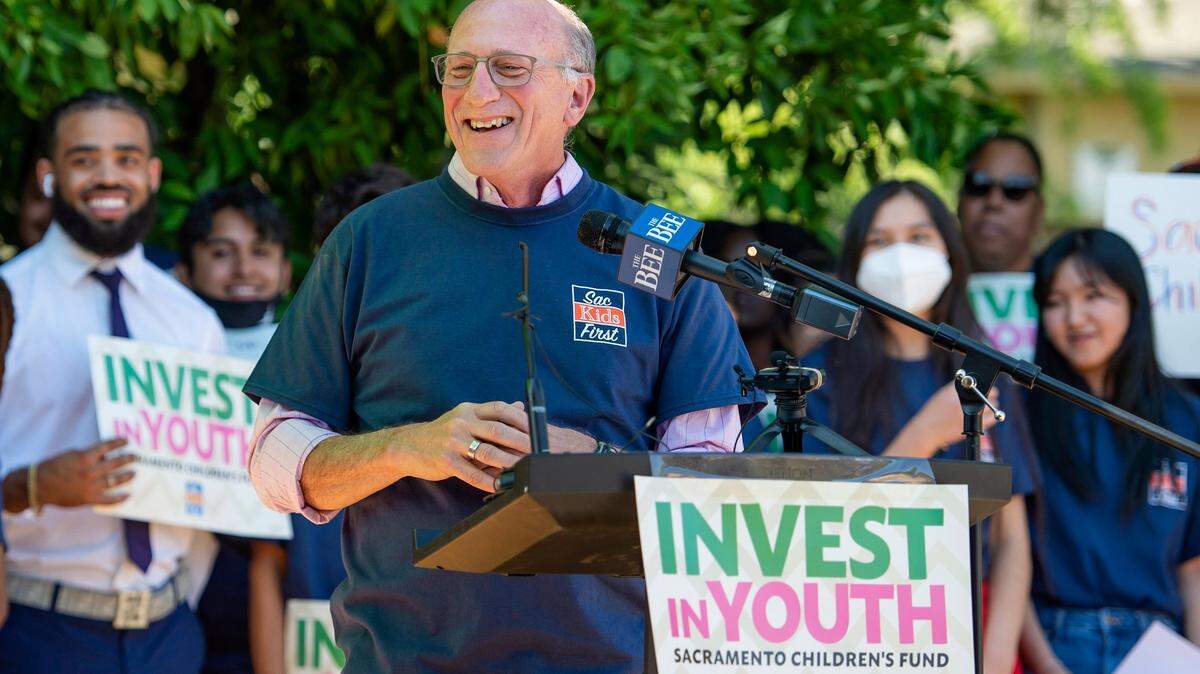
All of this plays into the latest youth-oriented tax measure that the Sacramento City Council approved for the November ballot. If voters back it, the city would essentially dedicate 40% of cannabis revenue — an estimated $10 million annually — to pay for youth services that can disrupt generational hardship.
The merits of the measure are certainly up for debate, especially with city officials projecting a budget deficit in two years. But given the uptick in violent crimes, poverty and mental health challenges facing our children, you can’t argue against the need to do more.
Be sure to hydrate,
Yousef Baig