
Why murdering overgrown swamp rats is the environmental success California deserves
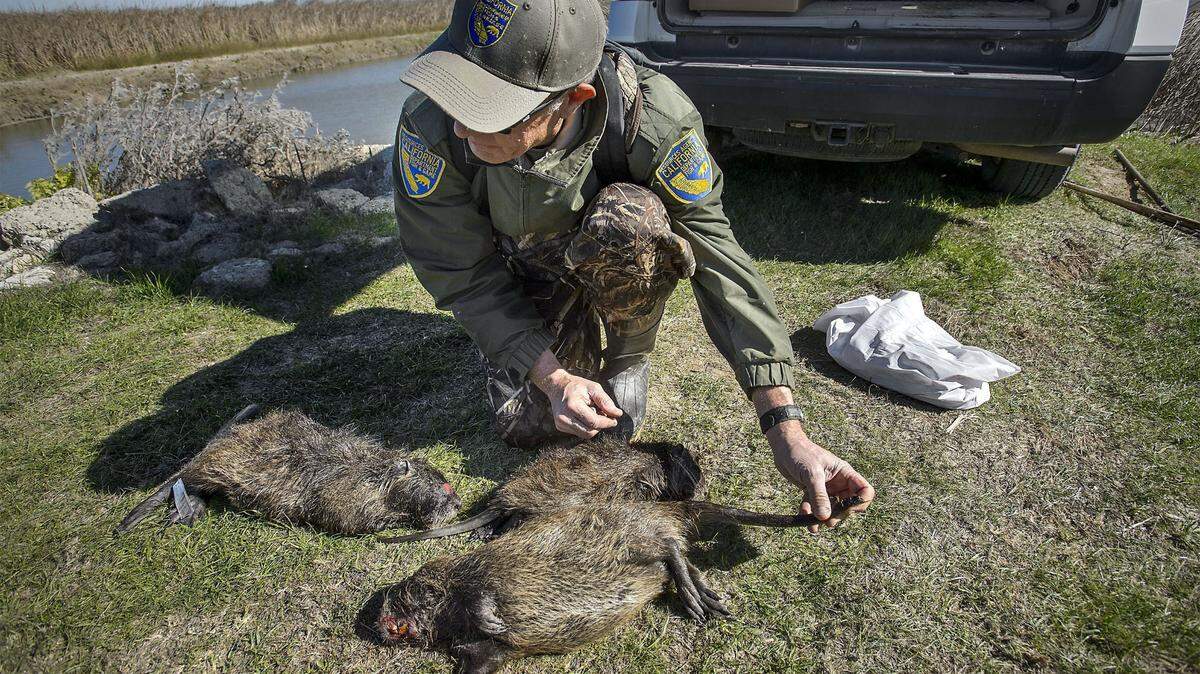
Nothing describes the nutria’s shortage of animal magnetism so well as its genus, Myocastor, which can be translated from the Latin as “rat beaver.” Along with the large rodent’s capacity to devastate environments and infrastructure alike, its just-plain-unsightliness lends palatability to a government project that might otherwise be regarded as unseemly: exterminating them with extreme prejudice.
After five years and against difficult odds, the California Department of Fish and Wildlife’s campaign to wipe this particular wildlife off the map could be grimly succeeding, as The Bee reported last week. If this does turn out to be an unlikely and impressive environmental victory, it will also be a strange and grisly one befitting our age of ecological upheaval and destruction.
Native to South America, the semi-aquatic nutria appears determined to avenge the depredations of the Monroe Doctrine by colonizing the north. Over the past century or so, humans interested in making fur hats out of them have repeatedly come up with the brilliant idea of importing them to the United States for farming or trapping. With their help, the nutria has now established a webbed toehold in 17 states, according to the U.S. Department of Agriculture, with dire implications for wetlands, waterworks and more.
Great American contests of fact and fiction have pitted humans against our fellow animals, from elusive white whale to loitering ebony bird. The drama threatens to devolve into comedy, however, when our adversary is in a class of fecund, vegetarian, bucktoothed mammals that includes hamsters and chipmunks. Throw in the nutria’s specific idiosyncrasies, including its unusual size for a rodent and the garish orange hue of its prominent incisors, and the possibilities for humor become almost irresistible.
Perhaps that’s why state officials are at such pains to emphasize the seriousness of the matter. Thanks to what Fish and Wildlife officials call the nutria’s “extensive herbivory,” they can obliterate whole swaths of marshland; the overgrown swamp squirrels eat up to a quarter of their weight in plants daily and destroy 10 times as much. Worse, their sprawling subterranean dens, one of the few extant solutions to California’s prohibitive housing prices, can undermine riverbanks, roads and levees.
Hence the urgency to beat back the invader before it spreads from its adoptive California heartland, in Merced and Stanislaus counties, into the crucial Sacramento-San Joaquin Delta. Best of luck: While the nutria’s aesthetic appeal may be obscure to us, their avid attraction to each other produces up to three litters of several young a year.
“Currently, there is a small window of opportunity to successfully eradicate the population of nutria from California,” Fish and Wildlife explains. “Over time, the probability of successful eradication decreases, and California would be left to manage and mitigate the devastating impacts of nutria.”
This, in other words, is a war. And a warrior, Sun Tzu advised, must know his enemy. This is where California’s official nutria identification guide comes in, helpfully distinguishing the invasive mega-rodent from its native counterparts by reference to its conspicuous whiskers, 10- to 20-pound mass, partly webbed feet and mostly hairless tail.
Like I said: rat beaver.
A war, unfortunately, also has a body count, and this one was approaching 3,000 as of earlier this month. In fact, it’s the state’s careful enumeration of the not-so-dearly departed that makes officials suspect they’re finally running out of rodents: While the nutria toll peaked at more than 1,200 in 2020, fewer than 200 have been taken so far this year. The state even provides a sort of animated battlefield map on which one can watch the enemy surge and then retreat to its remaining watery strongholds.
Wars take treasure as well as blood, and this one has cost Californians over $10 million. To that end, Rep. Josh Harder of Turlock at one point carted a stuffed specimen around Capitol Hill in a morbid quest to convince his colleagues that the beast is the common enemy of all Americans — farmer or environmentalist, Republican or Democrat. Remarkably, it worked: Shortly before the 2020 election, the Democrat’s bill to spend $12 million a year killing the creatures was signed into law by Donald Trump.
Political comity, environmental stewardship, government efficacy: Somehow this swamp thing keeps inspiring humans to succeed where we have nearly lost hope. Good for us; bad for them.