It’s too hot in July to enjoy the California State Fair. Let’s change it
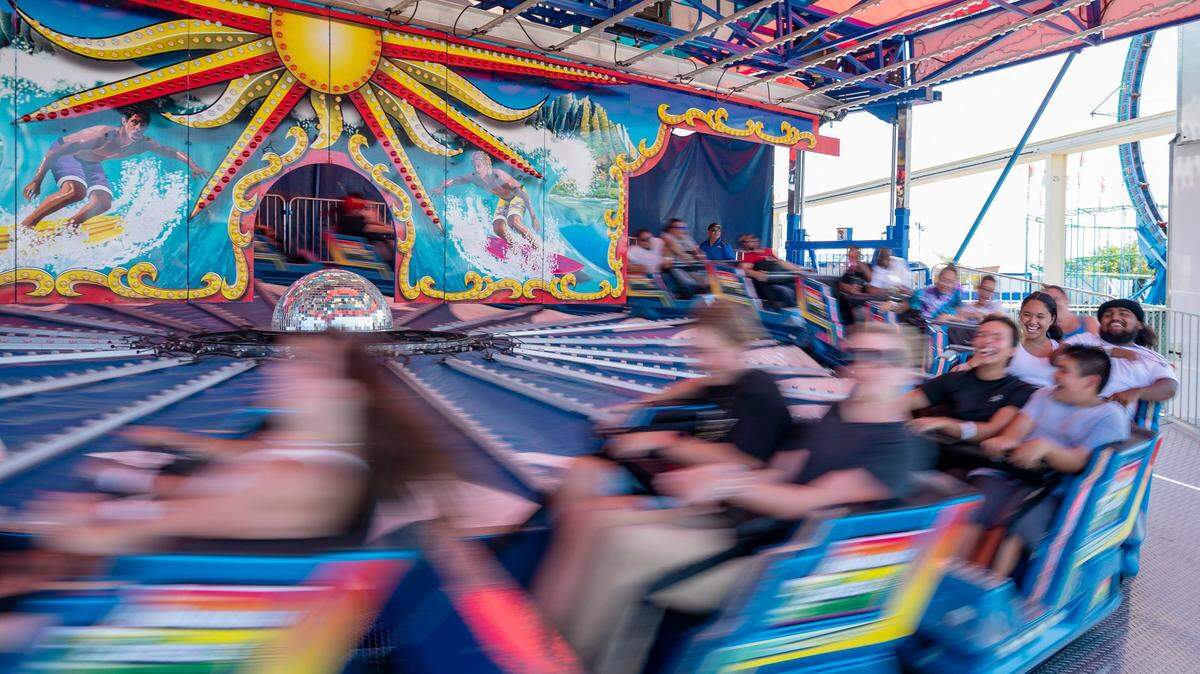
It’s common to come away from the California State Fair with stuffed animals, some sweets, sunburn, and the sticky, sweat-soaked skin of someone who has spent too long in California’s summer sun.
It all comes part and parcel with the event, just like the wine slushies or walking through the giant misters outside exposition halls. But what if it didn’t have to be this way?
With climate change worsening summer heat waves, the State Fair board of directors should consider moving the fair to spring or fall. At the least, it should move to earlier in the summer, before Sacramento’s 100-degree-plus days set in.
Then fair goers could enjoy the midway, the exhibits, the showcases, and concerts — all without risking heat stroke in the baking summer sun.
(The move to cooler temps could also mean the return of the fair’s fireworks show, which started two small brushfires after an accident in 2015. The fair began doing a lighted drone show in 2019, instead.)
State Fair CEO Rick Pickering said the fair was moved to July after a study was done by Cal Expo over a decade ago, showing that school children and their families would be most likely to visit and compete in the agriculture competitions during their summer break. Previously, he said, the state fair ran through Labor Day, which was often the highest-attended day of the whole event.
“It’s not lost on us that July in Sacramento continues to get hotter,” Pickering said, and “the heat definitely impacts the state fair’s attendance.”
But the state fair, unlike California’s county fairs, Pickering said, has a mission to attract and encourage participation from all over the state, not just the smaller population of a county. Hundreds of thousands of Californian children and their families use their summer break to travel to Sacramento. Though, he admitted, with school schedules becoming less static and more year-round, there may come a time when traveling in summer is no longer the best option for those families.
There’s certainly a historical precedent for such a move: The first California State Fair, held in San Francisco in 1854, was in early October. In 1917, shortly after it moved to Sacramento, the fair was scheduled for mid-September, though it was canceled that year and the next after the U.S. entered WWI in April. 1917.
Historically, Sacramento has faced its greatest heat signatures in the summer months of June, July, and August. And like a dart right to the middle of a rigged carnival game, this year’s run is scheduled for July 15 through 30. Sacramento temps will soar past 100 degrees multiple times over that time period.
In addition to increasing climate worries, attendance at the fair in the past 20 years has dropped by around 40%. There was about a 5 % increase in attendance in 2019, the last year the State Fair was held before the pandemic shut the fair down in 2020 and 2021. It remains to be seen how many visitors will return after the two-year hiatus.
With climate change forcing the world’s thermometers ever higher, it’s going to become increasingly hard to convince people to visit a mostly-outdoor event as Sacramento’s summers become increasingly hot.
Fair workers, too, baking in the summer sun, would likely welcome a respite from standing all day in the scorching heat. And though Pickering didn’t have the exact numbers, he acknowledged that some patrons, as well as employees, over the years have experienced heat stroke and heat-related illnesses while at the fair.
Pickering said the state fair’s board of directors is “open-minded” about climate change, and Cal Expo has been at the forefront of sustainability for decades. At one point in 2000, it boasted the world’s largest solar panel array over a parking lot, and since then, Cal Expo’s team has continued to work toward updating buildings to be energy-efficient and put in place water conservation measures during the California drought.
It’s easy to tie the California State Fair to summer fun and the summer sun, but that’s a modern association that the fair’s board of directors could change — as they have before.
After two long years of quarantine, it’s nice to have the State Fair whirring away again. But someday soon, even the bright lights and sweet nostalgia of the giant Ferris wheel at night won’t be able to lure me back if climate change makes visiting the fair unbearable.
This story was originally published July 22, 2022 at 5:00 AM.