‘They’re all on drugs’ is a lazy excuse Sacramentans use about the unhoused | Opinion
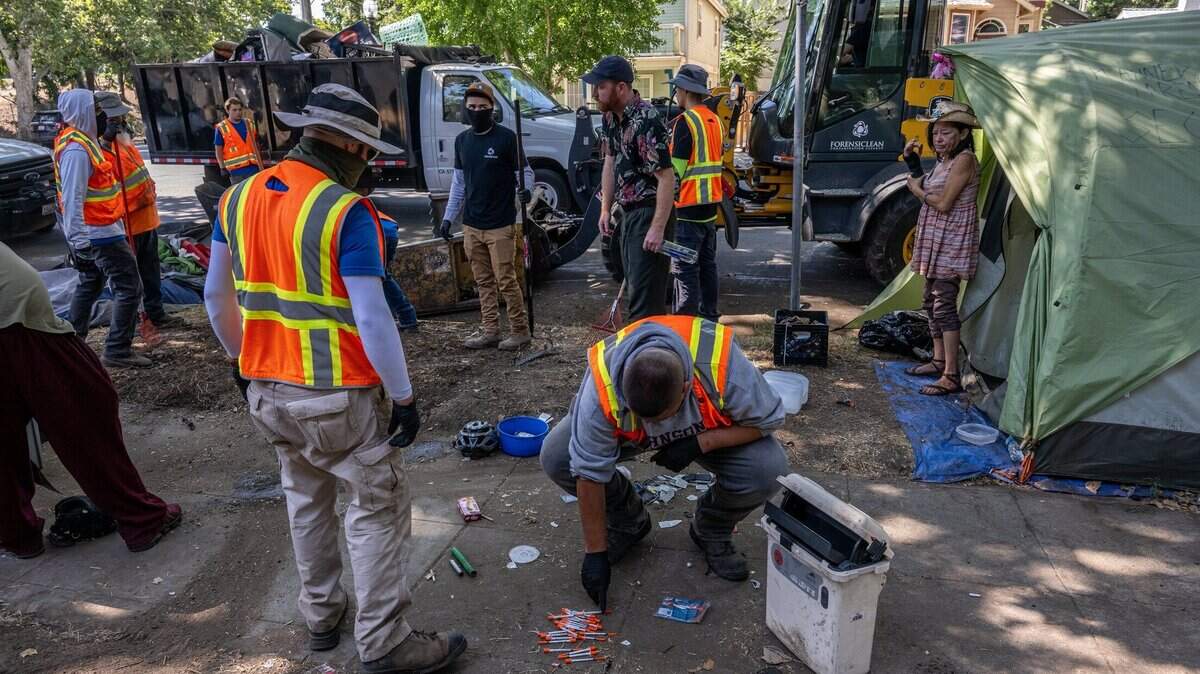
So you’ve found needles and whippet canisters at the park? So have I, but it doesn’t make me angry at the people who dropped them there. What is infuriating is that we’ve pushed the people who use illicit drugs to the furthest fringes of our society so that they have no other choice but to exist in public spaces and take mind-altering substances to cope with the pain and stigma of their addiction and homelessness.
We can do so much better for them, but we’re letting our prejudices stop us.
One accident, a broken-down car, a layoff, or an injury can spiral into homelessness faster than any of us would like to think. A third of California’s 40 million residents live in poverty or near poverty, which likely means either you or one of your neighbors is at risk. Maybe coping with that knowledge is too much, so that’s why we push the realities of homelessness so far out of our minds.
But not all people who are unhoused are on drugs, and even if that was true, it’d be a reason to offer them more help and services — not the opposite. It’s also incredibly hypocritical for Americans to blame homelessness on addiction when, in 2021, 46.3 million people aged 12 or older — more than 16% — had a substance use disorder in the past year, including 29.5 million who had an alcohol use disorder, 24.0 million who had a drug use disorder, and 7.3 million people who had both.
Homelessness exacerbates alcohol or drug dependence, mental health problems and violent tendencies, and that’s why we need services that address all of those problems at the same time while continuing to move people into permanent housing situations.
A recent study by UC San Francisco found that California is home to 12% of the nation’s population, but 30% of the nation’s homeless population, and half the nation’s unsheltered population.
Out of nearly 4,000 participants in the study, about a third reported regular use of methamphetamines, 3% said they used cocaine and 11% said they used non-prescribed opioids to help them cope with the circumstances of homelessness. Only around 16% reported heavy, episodic drinking. One quarter said that substance use currently caused them health, legal, or financial problems, yet just 6% of the study’s participants reported receiving any current drug or alcohol treatment. A fifth of participants reported that they wanted treatment, but were unable to get it.
Addiction, and especially opioid addiction, is an American problem, not a homelessness problem. Opioid overdoses caused an estimated 50,000 deaths in 2017; opioid abuse costs the U.S. economy more than $500 billion every year. Life expectancy in the U.S. is declining, in part due to an increase in deaths from unintentional injuries, including opioid overdoses.
Addiction and mental illness thrive in an unstable environment, and that’s why the correlation between the two is so high. But correlation is not causation, and addiction is often not the driving cause of homelessness — it’s the lack of affordable housing and the crushing poverty facing low-income families.
That’s why Sacramento has to pass the Sacramento Forward proposal, which would encourage affordable housing developments that middle-class and low-income Sacramentans can buy, and would protect the basic rights of every renter. It would put a fundraising measure on the 2024 ballot, extend the Tenant Protection Program, implement support such as emergency rent assistance and increase developer fees to grow the city’s affordable housing fund. It would also adopt the Sacramento Opportunity to Purchase Act, which would require any tenant building listed for sale to be sold to the tenant or eligible community group if they can meet the initial listing price.
Only by addressing the root causes of homelessness — our state’s housing crisis — can we begin to tackle the domino effects of that instability, which includes alcohol and drug addiction.
But merely dismissing the unhoused as drug addicts and criminals is a lazy argument, meant to dehumanize the people who are homeless, and give those of us who are housed a convenient excuse for treating them the way we do.