‘That’s when I blacked out’: My excruciating IUD insertion was awful pain management | Opinion
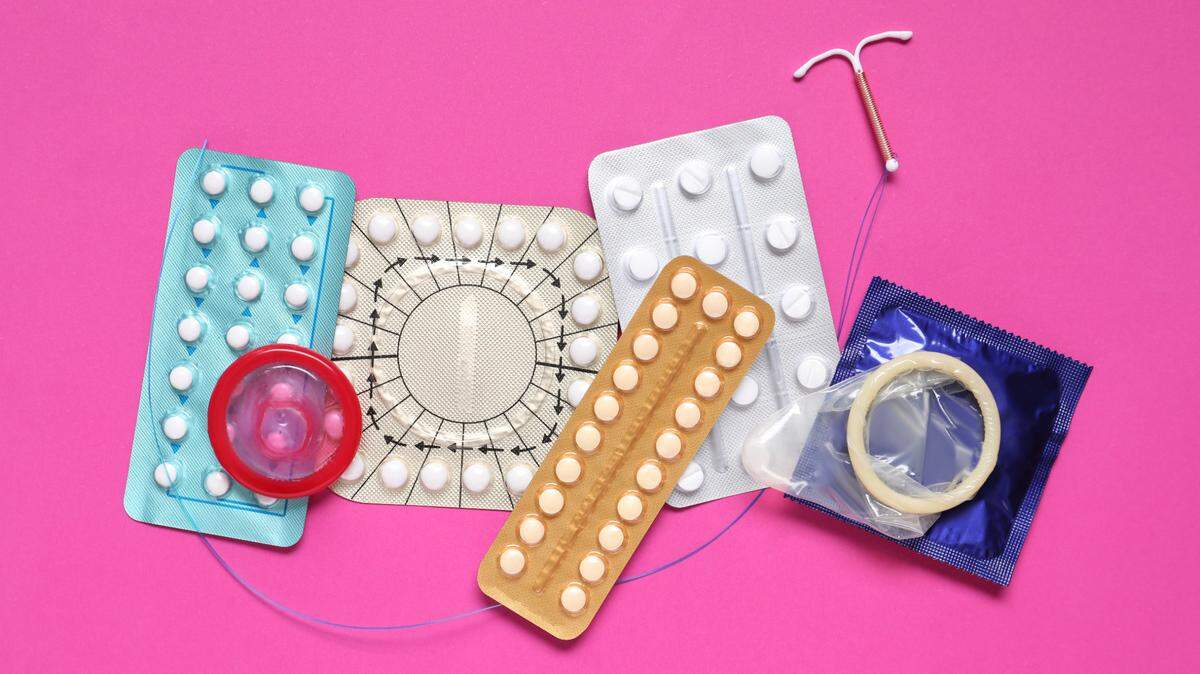
The sharpest memory I have of my appointment to insert an intrauterine device four years ago is sitting up on the bed, only to watch the room spin. I still remember looking down and seeing a fist-sized clump of my own, dark red blood on the floor.
“Watch out,” I said woozily to the doctor and nurse. “Don’t step in that.”
But they ignored me and left the room. That’s when I blacked out from the pain.
I wish I could say it was an uncommon occurrence, but as the popularity of intrauterine devices (commonly known as IUDs) has grown, so have the reports of doctors underplaying or outright lying about the amount of pain the procedure can cause.
Women are used to having their pain ignored: Documented gender bias in medicine routinely leads to women’s healthcare coming secondary to men’s. Women’s complaints of pain are commonly ignored, and they typically wait longer to be seen for the same conditions suffered by men.
The Washington Post reported in 2022 that an analysis of 981 emergency room visits showed women with acute abdominal pain were 25% less likely than men to be given painkillers, and another study showed women with symptoms of heart disease were twice as likely to be diagnosed with a mental illness, compared to men with the same symptoms.
Women are simply not believed about their own bodies, nor their own pain.
The American College of Obstetricians and Gynecologists said in a paper more than eight years ago that IUD insertion “is painful for many women.” The organization reaffirmed that opinion earlier this year in a new paper that notes new research since then has not demonstrated “an effective strategy to mitigate this discomfort.”
“It’s just really heartbreaking to me when patients feel like they went through some traumatic experience getting a really great form of birth control,” Jenny Wu, an obstetrics and gynecology resident and researcher at Duke University, told The Washington Post.
Little painkillers given to women
It often seems as though women’s pain simply doesn’t matter to medical professionals. Meanwhile, men who undergo vasectomies are regularly given numerous options for their pain management.
“There is a vast array of pain control strategies following vasectomy, including over-the-counter analgesics, scrotal support, ice and prescription opioids,” reports the American Urology Association in its Journal of Urology. “Urologists have an ethical obligation to control post-procedure pain while minimizing the adverse effects of pain management.”
Gynecologists have had no such obligation to people with uteruses for far too long. In fact, a 2013 study of 200 women found that, on a scale of 1-100, with 100 being the worst pain imaginable, women rated the average pain of IUD insertion at around 64, while the average provider rated it around 33.
But finally — finally! — after years of lobbying by the public, spurred by the prevalence of video-based apps such as TikTok where women have shared their pain as it happens, the U.S. Center of Disease Control has issued some guidance to doctors. Most importantly, the CDC has urged doctors to fully counsel patients about pain management before the procedure and listen to their needs.
“We are very grateful to the Biden-Harris administration for providing long overdue guidance recognizing pain management for IUD insertion/removal as the preferred standard of care,” Jodi Hicks, CEO and President of Planned Parenthood Affiliates of California, told me. “Unnecessary physical suffering should never restrict anyone’s access to reproductive health care, and all people seeking contraception should feel empowered to choose the birth control that is best for them.
“Because many Planned Parenthood health centers already subscribe to this practice, we know firsthand how truly transformational this option is and will be to patients seeking contraceptive care in our state.”
The new guidance also indicates that more pain relief options should be available during the procedure. In addition to lidocaine shots, people undergoing an IUD insertion can now also request anesthetic gel, cream and/or spray.
But some providers apparently needed the memo. During my last pap smear at UC Davis Medical Center here in Sacramento, the nurse barely stepped outside the room before she started to loudly gossip and complain about my request for some numbing gel. But that story pales in comparison to what happened to me at a women’s clinic in Fort Bragg nearly four years ago.
My worst possible experience
I’ve suffered from endometriosis and debilitating dysmenorrhea since the age of 11. Endometriosis is a disease that causes uterine-like tissue to grow outside the uterus; in my case, it’s particularly prevalent in the muscles surrounding the uterus, also known as adenomyosis. It causes truly excruciating cramping for days on end, every month.
About a decade ago, my doctors put me on hormonal birth control to entirely stop my period and allow me to live life normally. Since then, I’ve tried almost every type of hormonal birth control, but nothing works quite as well for me as an IUD.
So there I was in late 2020, legs spread on the stirrups, getting my second-ever IUD implant in a rural hospital in Mendocino County. The male OB-Gyn was old enough to be my grandfather, and, in what should have been a glaring red flag, he began by lecturing me about my weight until I had to threaten to leave the appointment.
I wish I had.
This doctor did not believe me when I told him that I was in excruciating pain as he poked at and scraped my cervix with a metal rod, and then did the same to my uterus with what felt like a wire brush. Nor did he cut the wire strings of the IUD as I’d asked him to do. (Sometimes they don’t curl up around the cervix, causing painful poking inside the vagina. I had to come back some weeks later and pay again to get them cut properly.)
The doctor also didn’t believe me when I told him I needed the smallest speculum they had. For the uninitiated, that’s the hinged tool that looks like a duck’s bill, used to spread the vaginal canal as wide as possible while the doctor pokes and prods inside your body.
And, apparently, he didn’t believe me when I told him near the end of the appointment that I felt I was going to faint from blood loss and pain.
After I sat up and saw clumps of my own blood on the ground around the clinic bed, I tried to point them out to the medical staff, but they didn’t bother to clean it up. They quickly left the room without checking on me, and I was left alone to fight the pain and nausea, blacking out multiple times. A nurse stuck her head in about 10 minutes later and asked when I was planning to vacate the room? They needed it for the next patient.
I finally mustered strength to sit up, and sat in my car crying until I could drive myself home with one hand clenched around my lower stomach. I spent the rest of the day crying on the couch with a heat pad, as the bleeding slowly stopped and waves of cramps lingered on.
CDC guidance is long overdue
I tried to complain about the experience to the clinic administrators. Though the woman I spoke to was clearly horrified by my story, I was told the doctor was near to retirement and there was little they could do to admonish him. For all I know, he’s still terrorizing women with his draconian medical practices.
It’s a hard story for me to tell, not simply because it’s traumatic, but because I am still so angry about it. I’m also angry about how prevalent this kind of experience is among women I know.
Mine is simply one of many stories people with uteruses have about the pain of IUD insertion, a procedure I personally have to have every few years to prevent an even worse pain from debilitating my life. I really don’t feel like I have a choice but to get it done. It is inexcusable for doctors and medical professionals to downplay the pain that we experience, effectively gaslighting women and dismissing our concerns.
I can only hope that by publicly speaking out about our experiences, people like me can finally convince the medical establishment that our pain is real — and it deserves their respect.
This story was originally published August 14, 2024 at 5:00 AM.