At the Olympics, athletes show us mental health is just as important as physical | Opinion
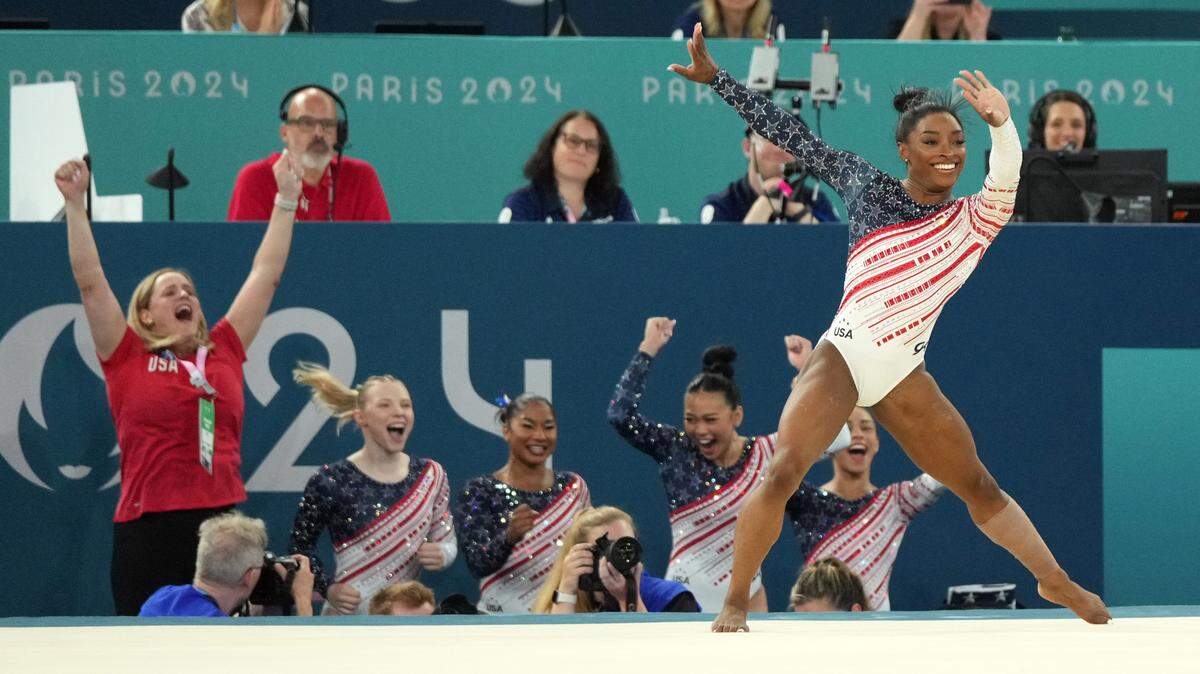
The 2024 Summer Olympics that are about to conclude in Paris have had many stunning moments of physical prowess and ability, as expected from the world’s best athletes. But for me, these games, more than ever before, have elevated mental health alongside physical health, and therefore reduced its stigma, as keys to winning in sports as well as in life.
Images of athletes taking time to relax, meditate or even sleep while waiting between events is a great reminder to the millions of people watching that even the best need to focus on their inner selves, too.
One of the lasting images of the 2024 games will perhaps be the sight of U.S. gymnast Stephen Nedoroscik — “pommel horse guy” — resting with his eyes closed, listening to his headphones and drowning out the stadium before leading his team to bronze in the all-around team gymnastics competition.
And in a world where top athletes are often idols, these Olympians are doing us a great service by showing that their mental health is just as important as their physical health.
The twisties come for us all
U.S. gymnast, and already an all-time great thanks to her physics-defying leaps, Simone Biles famously got the “twisties” at the Tokyo 2020 games, a phenomenon comparable to the “yips.” In gymnastics, it can lead to the athlete losing a sense of themselves mid-air; an incredibly dangerous situation.
But Biles listened to her mind as well as her body, and pulled out of the all-around individual competition, citing her mental health concerns. She later posted on Instagram that she had felt “the weight of the world on [her] shoulders.”
With all of the international attention on Biles, “the twisties” became the word of the moment. While I’m sure she faced unconscionable pushback from people who didn’t (or still don’t) understand the importance of mental health — she did the right thing that day in Tokyo.
Other athletes, too, have recently been honest with their fans about struggling with mental health. The most decorated Olympian of all time, U.S. swimmer Michael Phelps has spoken openly about his depression, and tennis star Naomi Osaka pulled out of the French Open just weeks before the Tokyo Olympics, saying that she was feeling “vulnerable and anxious.”
Horrible things can happen when people are forced to perform beyond their mental and physical limits.
In 1980, just two weeks before the Moscow Olympics, Russian gymnast Elena Mukhina was practicing her floor routine, including a new, dangerous element her coach had pushed her to do: The Thomas Salto — a 1½ backflip with 1½ twists ending in a forward roll. Mukhina under-rotated the maneuver, landed on her chin and snapped her spine. She spent years just attempting to write again — her greatest goal after the accident — and eventually died at age 46 of complications associated with quadriplegia. Mukhina later said she regretted allowing her coach to push her to perform a move she wasn’t confident in.
Sometimes it’s easy to forget, watching Biles and her teammates perform these stunts so perfectly and beautifully, that there is serious danger and they risk lifelong injury in every attempt.
By saying “no” to pushing through the twisties, Biles set a better example for the world than any gold medal could have ever done.
Mental health as important as physical
“I think it’s OK to not be OK,” Biles told Good Morning America recently. “And I think I showed a very vulnerable side that most people don’t see, because most of the time, whenever I’m out there, they’re seeing me win gold medals and all this stuff that’s not relatable.
“So, whenever I really break it down and I am very authentic to them, then they can feel like they can relate, and it’s on a personal level, and then they believe that they can get the help that they deserve.”
Biles and the U.S. Gymnastics team earned their deserved gold at this year’s 2024 Paris Olympics, a victory Biles has chalked up to not only practice and time, but more than a year’s worth of therapy.
“Staying on my weekly therapy sessions and even whenever I was here, I was scheduling appointments with my therapist that could work, whether it was early in the morning for me or early in the morning for her,” Biles told Good Morning America. “Staying on top of that meant the world to me, but also it helped me with my performances.”
Just like an athlete, only we know our own boundaries, and it’s OK to step away from something we’re not prepared to do.
Depression, anxiety are invisible illnesses
I also suffer from depression and anxiety, and have been in therapy for several years. I take medication for those mental illnesses every day, so I know what it’s like to feel vulnerable and shamed by society for needing help with my brain and not just “pushing through it.”
While I don’t have one-hundredth of the public attention that athletes like Biles, Phelps and Osaka do, I do have some, and even that can feel overwhelmingly painful some days. Just writing this column took massive mental strength, as my brain told me that no one would want to read what I have to say about this topic, and it’s already been written about so many times before — and by better writers than I.
Like Biles, I understand what it’s like to question your ability, even when everyone else around you is sure of your success.
Anxiety is not a logical disease, you can’t just act happier. It takes time and effort to learn the skills not to spiral into deep depression, which can happen very quickly if you can’t recognize and express your boundaries. I’m still learning how to say “no” when I’ve got my own twisties.
I am so proud to see these Olympians speaking up about their own struggles with mental health. I may never be able to perform leaps and flips in mid-air or swim the 100 meters faster than anyone else, but I can take care of my own mental health the same way that Biles, Osaka, Nedoroscik, Phelps and other remarkable athletes have.
And so can you.