Democrats are winning the internet at their national convention — for now | Opinion
Whether or not you participate in it, you can’t deny the internet is a bonafide culture of its own, with a unique history, etiquette and rules.
What are my credentials to make these statements? I’m a Millennial who spends far too much of her time on the internet; something like 40 hours a week. So you can trust me when I say the internet is fickle: One minute you’re up and the next you’re down. (Not unlike politics, come to think of it.)
Right now, the Democrats are winning the internet through a series of canny marketing choices that appeal to a internet-driven electorate. I’d like them to stay winning, at least until Nov. 5, so let’s get through the election and then maybe leaders will recognize there’s a generation of voters that needs to be catered to in new ways — both at the polls and in Congress.
The vibes are great at the DNC
“We’re living through the most online election of our time,” said Taylor Lorenz, a Washington Post columnist and author of “Extremely Online: The Untold Story of Fame, Influence, and Power on the Internet.”
“It’s kind of like a battle for the internet (and) Democrats have finally caught up to the Republicans in recognizing that the media landscape has changed.”
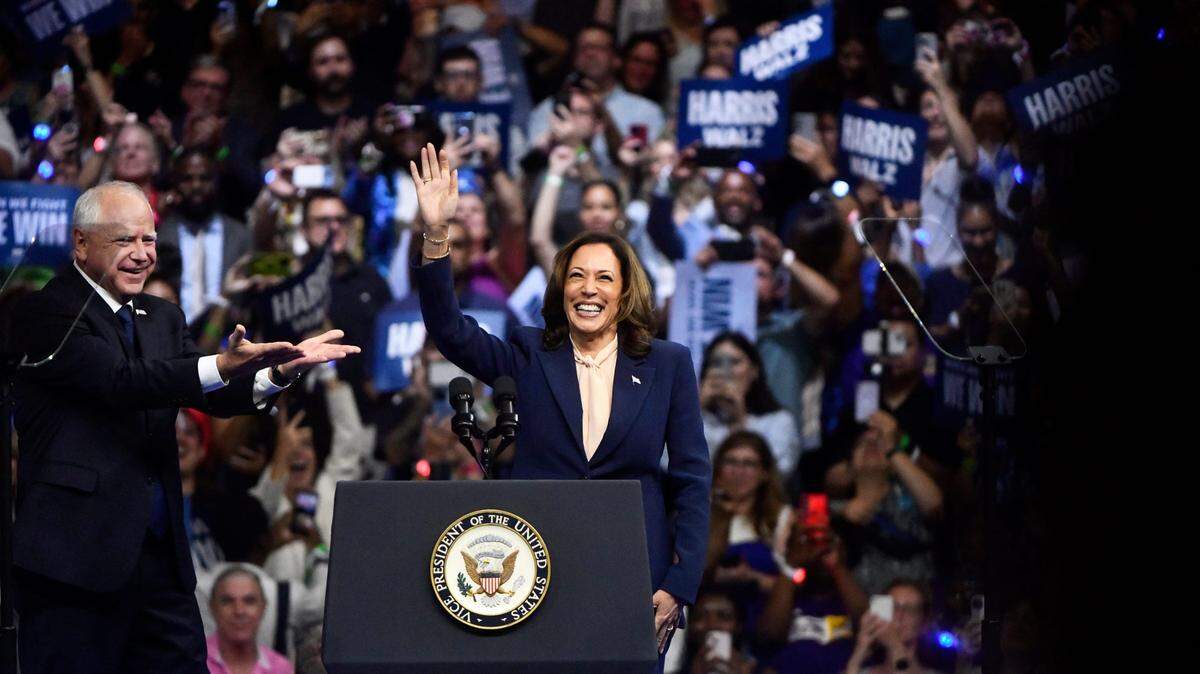
Personally, I think their success can be chalked up to a savvy media strategy that has recaptured the interest of young voters who felt alienated by President Joe Biden’s candidacy and age. The Harris campaign has embraced the internet’s culture and memes, starting with singer’s Charli XCX declaration on X that “Kamala is brat.”
This week, the DNC produced a stirring new campaign ad backed by megastar Beyonce’s “Freedom,” and both former president Barack Obama and Harris’ running mate, Gov. Tim Walz, have winked at the internet’s inside jokes in public speeches.
On Tuesday night, the national convention’s typically staid roll call was turned into a roaring dance party with DJ Cassidy and, in a moment that went immediately viral, Atlanta-born rapper Lil’ Jon spoke up for Georgia’s delegates by singing his 2013 hit, “Turn Down For What.”
Frankly, the Democrats have made politics fun for young people again. The last person I can think of who did that was a young Illinois senator named Barack Obama.
Youth voter culture is online (and fun)
Memes have been around for far longer than most people think, and are generally defined as a typically humorous image, video, piece of text that’s copied and spread rapidly. Consider the “Kilroy was here” graffiti from WWII, or the dancing baby image from 1996. Going even further back, you could reasonably consider political cartoons as an early version of memes.
“While often dismissed due to their humorous nature, (memes) can also be tools to spread information or foster a sense of community,” writes The Brookings Institute. “That is because memes can have an impact that goes beyond the online platforms on which they are posted.
“In fact, memes can add to public discourse on more spirited issues. They have been known to spread political messaging, alter the stock market, allow protest amidst censorship, and influence how we think about war.”
Harris has been at the center of a number of memes so far, not the least of which was the now-famous “you think you just fell out of a coconut tree?” speech that inspired thousands to start putting coconut emojis in their online usernames in solidarity with the new candidate.
Minnesota Governor Tim Walz, her running mate for vice president, seemingly got the nod (at least in part) on the strength of his viral messaging tactic: Calling the Republicans “weird.” The internet went wild for the simple but effective insult, aided by the total and complete sputtering by the GOP to prove otherwise. (They are, in fact, very weird.)
Content creators at risk from Dem policies
According to Politico, more than 200 content creators have been issued press credentials in Chicago this week during the DNC. They’re being given parallel access to VIPs and studio space alongside journalists from legacy media like the New York Times and Washington Post.
But are these new media content creators being used as marketers for the Democrats or are they unbiased journalists covering the event?
The line is blurry, says Washington Post columnist, Lorenz.
“I think now we just accept that there’s like that media in general is not what was in the ’90s, right? There’s so much gray area,” Lorenz said. “I think some content creators can be categorized activists, some can be categorized as journalists … but it doesn’t mean that everyone who uses the medium is a journalist, necessarily.”
For now, the Harris campaign is boosted by these largely progressive content creators and a younger, progressive side of the internet, but her policies toward internet freedoms are much more moderate, like her predecessor Biden. At the recent White House Creator Economy Conference, speakers discussed removing anonymity from the internet and creating legislation that would lead to far more authoritarian controls on what has been a free-for-all creative space since its inception.
“I do think that there’s going to be that ‘wake up’ moment when people start to actually dig into (Harris’s) policy positions and realize, ‘OK, wait a minute. You know, maybe she’s not everything,’” Lorenz said. “(But) right now, it’s a very vibe-based election, and she’s obviously winning the vibes.”
If content creators and the internet are going to help the Democratic Party win this election, then it’s only fair that democratic lawmakers reconsider their stances on these bills and find another way to protect Americans from foreign privacy violations rather than outright banning the platforms and stifling the very people who will help put them in office.
Millennial and Gen Z voters are right now demonstrating their ability to easily gather huge waves of support for candidates; it would be a shame to see a crucial generation of voters turn against those that seek to abandon them after November.