How Sacramento transgender cybersecurity expert doubles as an activist | Opinion
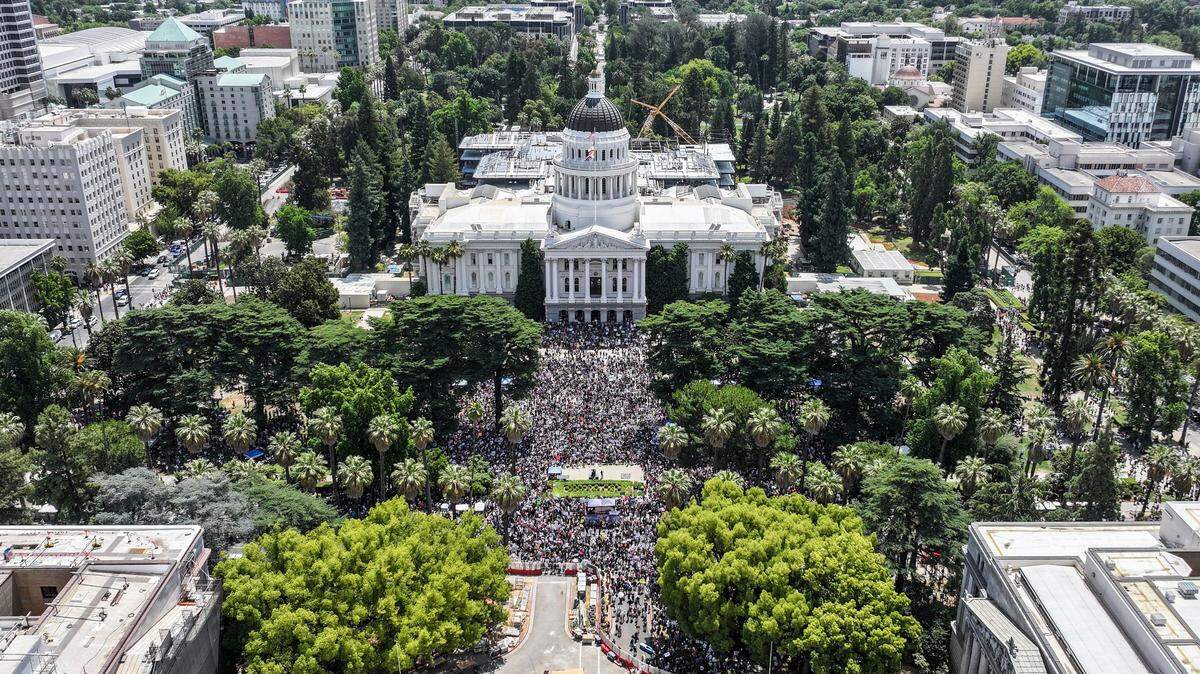
On June 14, I stood among a crowd of thousands gathered on Capitol Mall in protest of President Donald Trump. In the throng of fired up demonstrators, orange baby Trump figurines and billowing American flags, there was a synergy in the crowd I hadn’t felt in the November elections. There was hope.
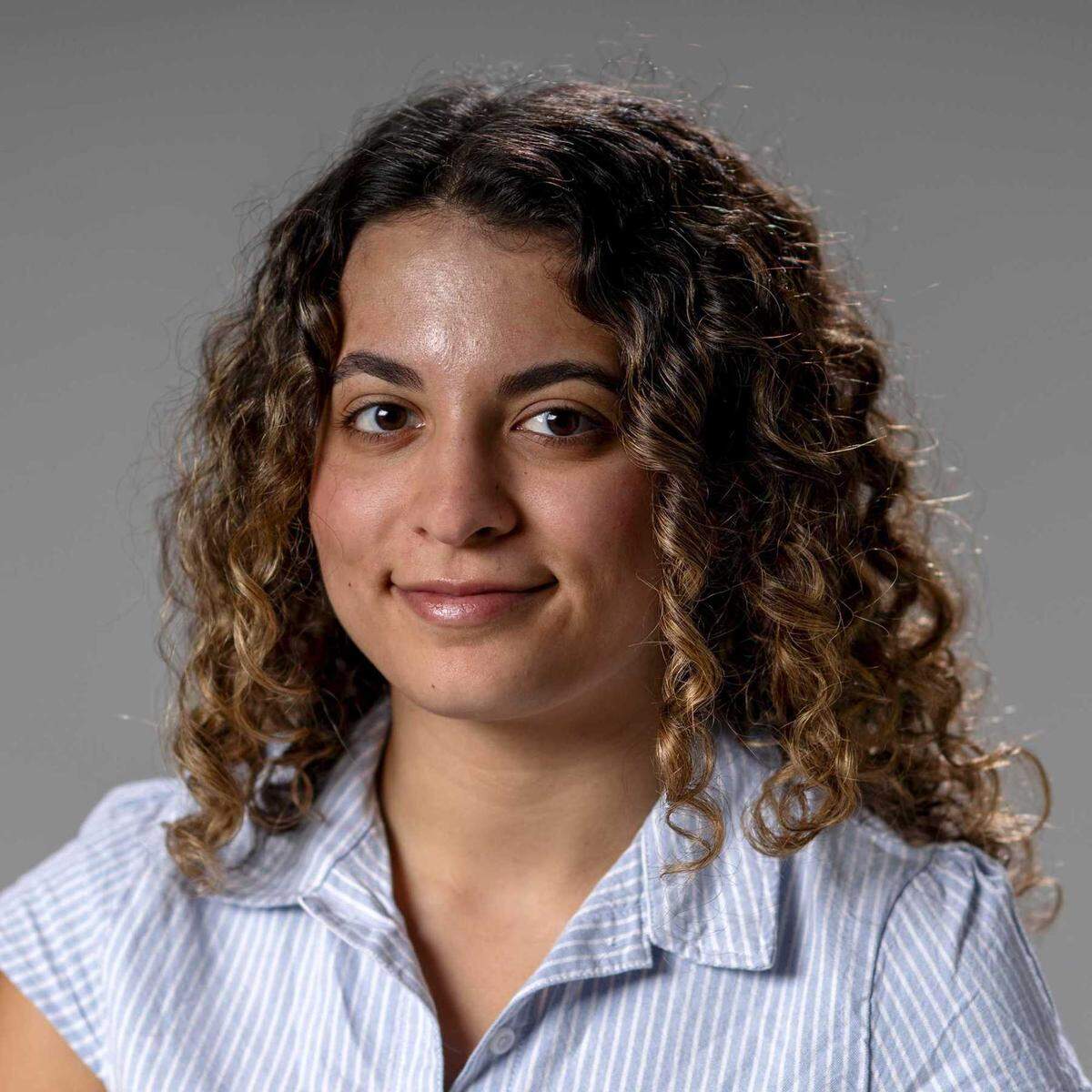
On that day of Sacramento’s No Kings protest, one speech stood out. It was that of Bee Davis, a local cybersecurity expert and data scientist trained at Brown University. What she said that day continues to ring true as the nation grows even more deeply divided.
“If anybody’s got claim to America’s soul, it’s the ones who kept loving her when she didn’t love us back,” she said.
Davis, 51, is a Black transgender woman. She is a first generation American with roots from Trinidad and Tobago. I wanted to hear more. So I spoke to Ellen Chapman, one of the No Kings protest organizers with the group Indivisible Sacramento, about why she asked Davis to speak at the protests.
“She was able to speak to the ways that Trump’s overreach affects both the trans community and science,” Chapman said over text message.
In conversation with Bee Davis
Davis recently sat down for a Zoom interview, flanked by framed photos of astronaut and first Black woman in space, Mae C. Jemison on her left, and Beyoncé on her right.
Davis moved to Sacramento when she was in the third grade. Born in East New York, she’s the first member of her Trinidad Tobago family to be born in the U.S.
Davis has been working as an activist for 16 years. She said she grew up watching her community under attack by police — she remembers being in college when Rodney King was beaten by the LA Police in 1991.
“We’ve been watching stuff like that happen, like, our whole entire lives, like people get abused by police, killed by police, like, that’s just it feels like a normal part of life in our community,” Davis said
Her career as a data scientist and cybersecurity expert often coalesces with her political activism. She was able to use her skills to fix the logic of airport body scanners, which can lead to very invasive searches for trans individuals.
“They’re touching your genitals, like, full on touching them with their hands. And if you felt dysphoric before about parts of your body, then that (kind of) search will just kind of bring you to tears,” she said.
The scanners use algorithms that are gender specific to determine what is “anomaly free,” meaning they selected “male” or “female.” That often leads to invasive searches for trans people because their bodies don’t fit within those rigid parameters.
“Since I’m a software engineer, I fixed the logic in the airport scanners,” Davis said. “Long story, but basically I submitted a fix directly to the company that creates the scanners.”
An intersectional fight
In her political activism, Davis confronts a different kind of machine, the political variety that is now attacking civil rights.
“The machine is built in a certain way, and if you get into the guts of the machine, then you can understand how it’s being used and weaponized against us.”
Her speech at the No Kings seized on an eerily contemporary passage from the Declaration of Independence, grievances about King George III that could have been directed at today’s occupant of the White House:
“He has kept among us, in times of peace, Standing Armies without the Consent of our legislatures....He has erected a multitude of New Offices, and sent hither swarms of Officers to harass our people.”
Her work, both in her professional career and in activism, is far from over.
“At this point, there’s so much of our blood that soaked in this land that I think I have an obligation to my ancestors, the Harriet Tubmans, sister Sojourner Truths, the Booker T. Washingtons, the Frederick Douglasses,” she said. “The people who try to build, make this country what it is. (To) make sure that it lives up to its promise.”
In a moment where our government is increasingly telling us how to lead our lives, activists like Davis remind us that the system is meant to accommodate who we are, not the other way around.