
How the economy is forcing middle-class people in Sacramento to the edge | Analysis
AI-generated summary reviewed by our newsroom.
- Enhanced ACA subsidies expired, hiking premiums and forcing debt and cutbacks.
- Some forecasts show strong GDP growth while sentiment falls and inflation fears rise.
- Cumulative cost pressures—energy, food, credit—leave many one shock from crisis.
A year ago, I would have told you a different story about the American consumer.
Working-class and middle-income households — the people I spend my time reporting on — were strained, yes, but they were holding on. They were adapting. They were, in the language economists prefer, “resilient.”
That word feels increasingly out of touch.
Today, that resilience is fraying — not because of one catastrophic shock, but because of a steady erosion of support combined with rising costs that are hitting all at once: health care, energy, food, credit.
If you want to understand what that looks like, listen to Terri Littleton.
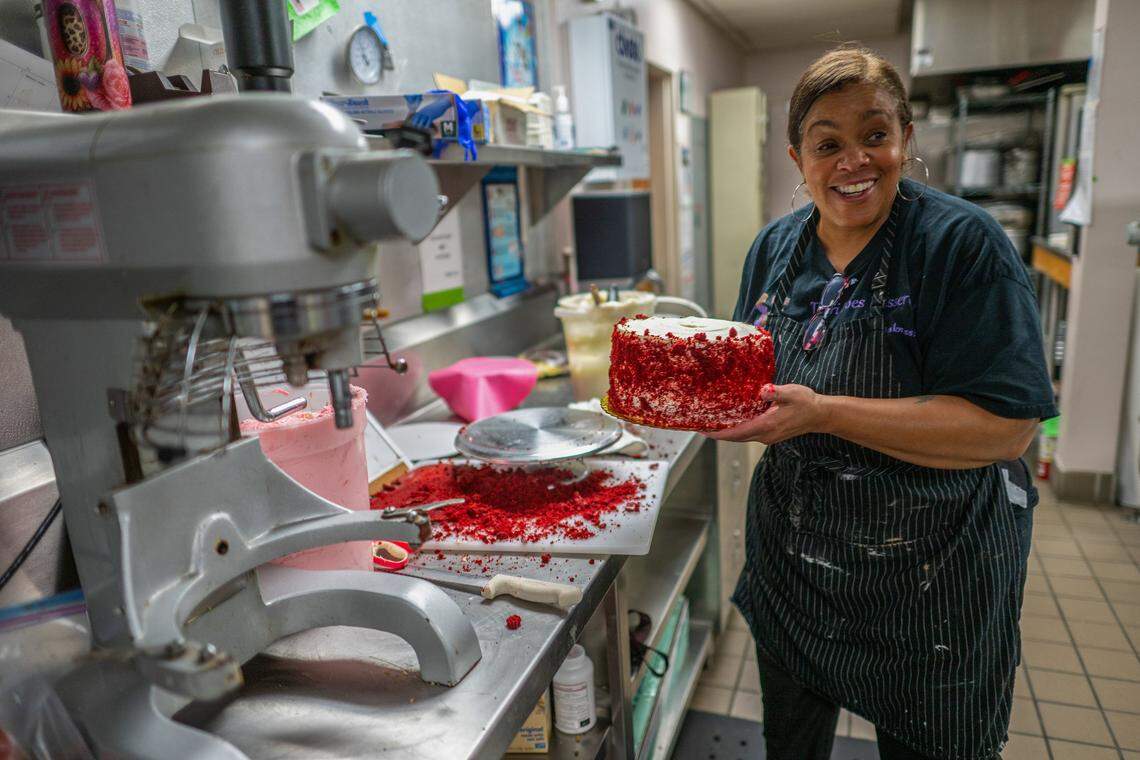
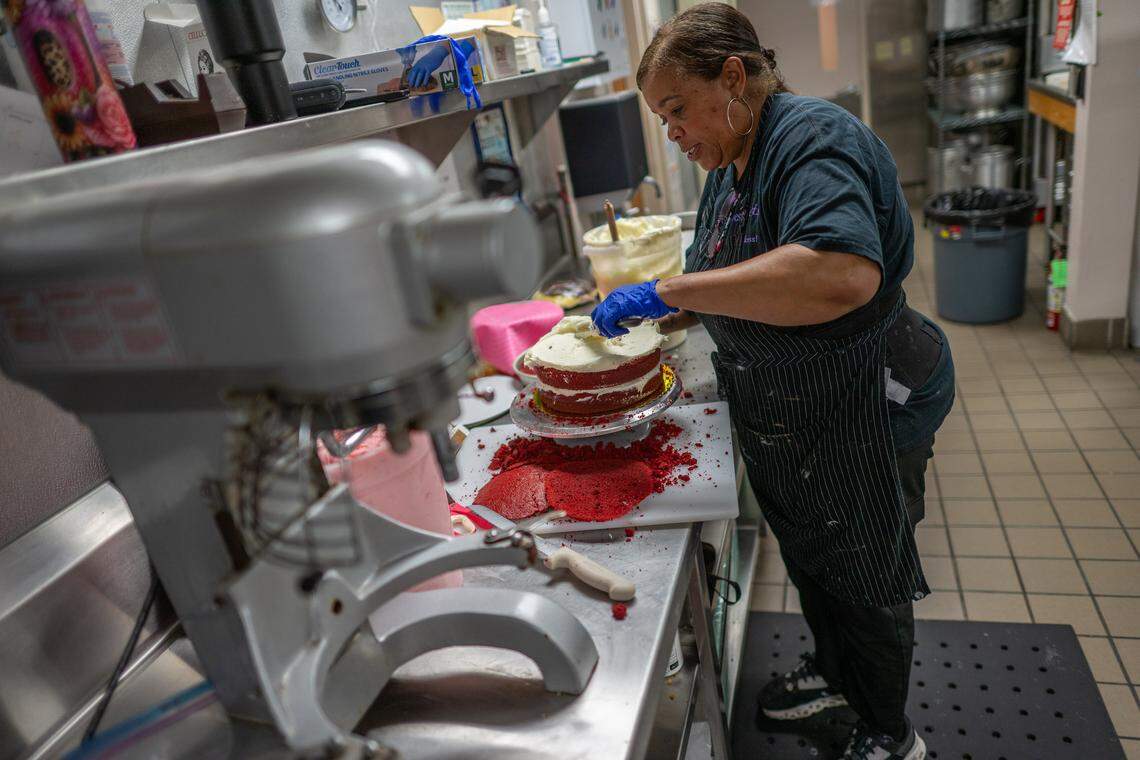
She’s a 63-year-old Sacramento-area baker who runs a small business supplying desserts to coffee shops and hosting pop-ups. She is exactly the kind of self-employed, working-class American that policymakers often point to when they talk about entrepreneurship and grit.
But here’s what resilience looks like in her life right now: putting her health insurance premium on a credit card and hoping she can pay it down before the next bill hits.
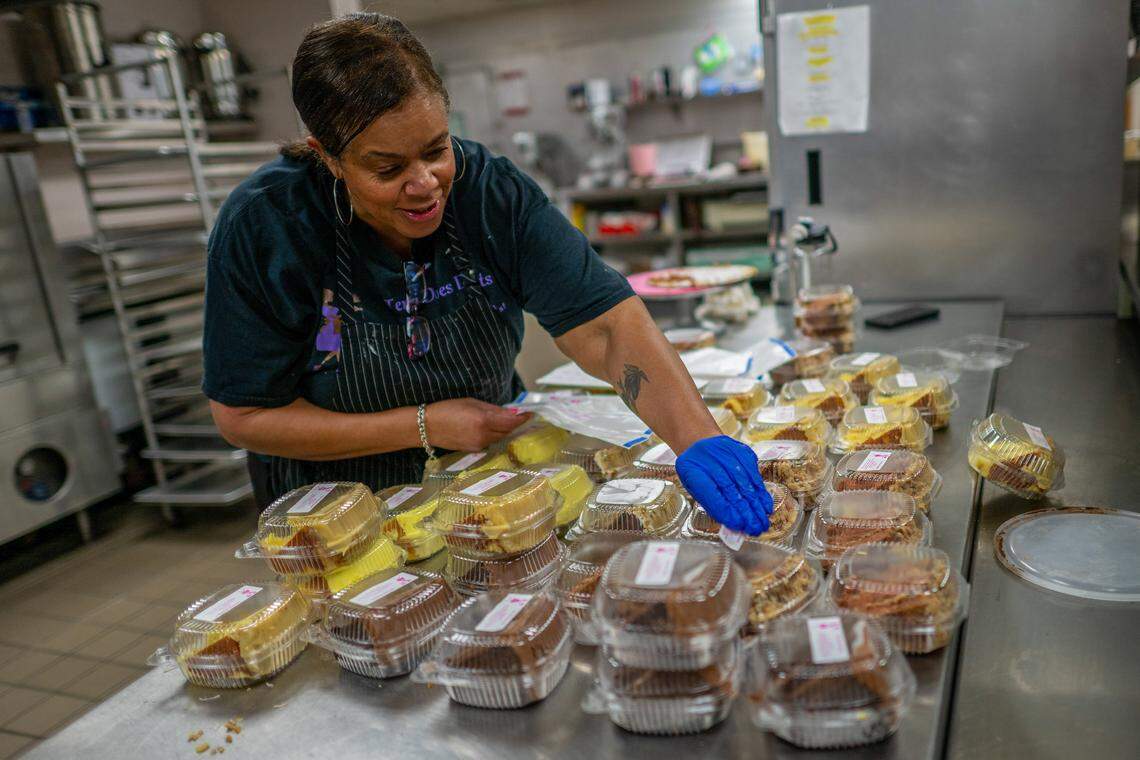
Her monthly premium more than doubled -- from $255 to $555 -- after enhanced Affordable Care Act subsidies expired.
“It’s killing me,” Littleton said. “You think you’re caught up and everything, and then, ‘Oh, God, I’ve got to pay my premium.’”
She’s cutting back on everything from entertainment to business supplies, pushing more expenses onto credit. She’s considering taking on more work, not to get ahead but just to stay insured. And she’s quietly worrying about what will happen if a health issue forces her to stop working altogether.
This isn’t an outlier story. It’s increasingly the norm for many Americans who consider themselves to be part of the middle class.
A new survey by KFF, a San Francisco-based health policy organization, finds that after the U.S. Senate let those enhanced subsidies expire, 80% of marketplace enrollees reported higher health care costs, and like Littleton, more than half say those costs are “a lot higher.”
The consequences ripple outward as 55% say they are cutting back on food or basic household expenses to afford care, nearly 20% are not confident they can afford premiums all year and nearly one in 10 have already dropped coverage altogether.
That is not resilience. That is triage.
Data catching up to what households feel
These feelings of insecurity are reverberating beyond the Terri Littleton’s of the world. Even higher-income households, typically more insulated, are reporting significant drops in confidence.
Economists at Bank of America threw out their predictions for economic expansion and instead warned that the nation could experience “mild stagflation,” a term that gained prominence in the 1970s when the U.S. saw rising consumer prices, economic stagnation and high unemployment.
A UCLA report released in March noted that the economy is functioning unevenly. They described it as bifurcated: High-productivity sectors are surging while employment growth is lagging. That divide shows up clearly in California, where output is growing, but payroll employment remains weak.
And it shows up in kitchens, credit card balances and doctor’s offices across the country.
Health care is a particularly sharp lens into this fragility. A recent survey from the Public Policy Institute of California found that 56% of Californians expect health care costs to become less affordable in the next year, and many are already delaying care or worrying about unexpected medical bills.
These concerns are tied directly to policy decisions, including the expiration of ACA subsidies and looming Medicaid eligibility changes that are removing financial supports faster than households can adjust.
This is the piece of the story that is consistently underestimated.
Economists tend to model shocks as discrete events: a recession, a spike in unemployment, a financial crisis.
But what we are seeing now is something more subtle and, in some ways, more dangerous: a cumulative squeeze.
Insurance premiums double. Gas prices climb. Grocery costs inch higher. Interest on credit cards compounds.
Individually, each might be manageable. Together, they destabilize.
Economy strong on paper, fragile in real life
Littleton understands this intuitively. She described how rising diesel prices increase the cost of the ingredients she buys in bulk -- butter, eggs, sugar -- which then feeds into her business costs and ultimately back onto consumers.
“It’s just this whole trickle down,” she said, “and who pays for it? The consumer pays for it.”
That’s the fragility economists are missing: not a collapse but a slow accumulation of pressure points that leave households one disruption away from crisis.
A year ago, many households had buffers: expanded premium tax credits, more federal food aid, stronger wage growth.
Those buffers are gone, and in their place, there’s rising debt. Americans now carry a record $1.277 trillion in credit card balances, up sharply from pandemic lows.
That’s not just a statistic. It’s a signal.
People aren’t spending because they feel confident. They’re spending because they have to, and increasingly, they’re borrowing to do it.
This is why the current moment is so easy to misread. From 30,000 feet, the economy looks stable, perhaps even strong. From the ground level, it looks brittle.
When the next shock comes, whether it’s a job loss, a health crisis or another spike in prices, there is far less cushion to absorb it.
Littleton put it plainly: “We’re not rich people who can just write a check and pay for health care. We need this to survive. We need low premiums.”
Policymakers and economists would do well to listen.
The warning signs aren’t hidden. They’re just not showing up where we’re used to looking.
