
Why Sacramento citizens are in the driver’s seat on new tax measures | Opinion
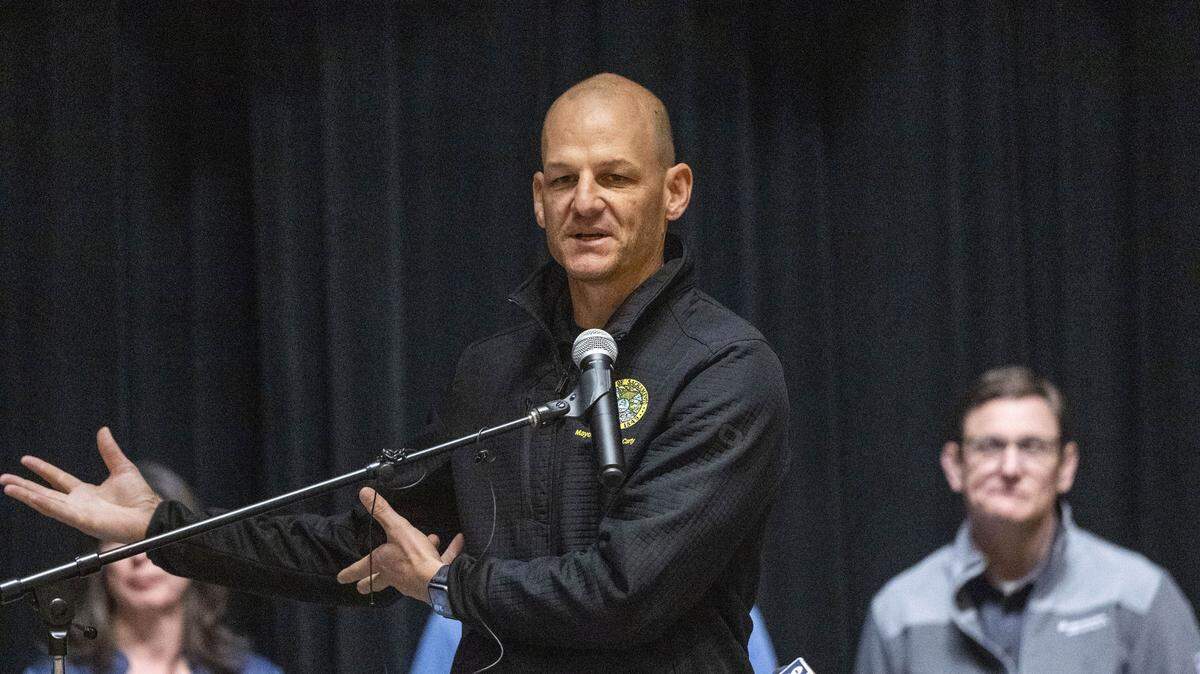
A city-paid public opinion survey has some new insights about who wields power when proposing most new taxes, and it’s not Sacramento Mayor Kevin McCarty or the City Council.
You are actually the one in charge.
If the city were to propose new taxes to fund road repairs or transit, or to expand homeless and housing initiatives, or renovations for parks, the measures would likely fail.
But if citizens advanced the same proposals through initiatives and signature-gathering, the taxes would have a shot.
Elected officials have long been the ones in the city and the county to advance revenue enhancements, but based on a new quirk in the law and a 2020 court ruling, that era may be coming to an end.
It takes two-thirds of voters to approve these taxes if the council placed them on a ballot. It only takes a majority if Sacramento citizens qualify an initiative for voter approval.
These taxes “could be viable, but clearly not if the City Council put them on the ballot,” said McCarty. “There’s a …trust issue in these tax measures.”
Earlier this year, the city hired one of the heavyweights in California public research FM3, to conduct the public opinion survey. To date the city has only released a PowerPoint of the study to The Bee, along with some details about the survey.
Sacramento residents, mirroring the nation, are grouchy. Of those surveyed, 45% say the city is heading in the wrong direction and only 29% feel things are on the right track. Most (65%) see a need for more funds to help the city. But when it gets to the specifics on how to raise the funds, things begin to fall apart.
McCarty, for example, has been working behind the scenes for months with various stakeholders to advance an increase in the real estate transfer tax. The money would expand shelters for the homeless and a pot of money for first time homebuyers.
Only 49% of those surveyed were supportive of the tax once they heard that the money, from a general tax, could be spent on anything. The finding was enough for the mayor to officially retreat from the effort for the coming November election.
Transit activists, meanwhile, continue to circulate an initiative that would raise Sacramento’s sales tax by a half-cent to fund road repairs, bicycle and pedestrian-friendly improvements and transit. Yet this proposal only has 50% approval, according to the survey, after voters heard arguments for and against the idea. This isn’t the kind of early support that transportation proponents were hoping to see.
“Obviously we have our work cut out for us,” said Steve Cohn, the long-time former city councilmember who is one of the key supporters of this sales tax proposal.
It’s ironic that the most popular new revenue idea, a parcel tax to help run city parks, is the only one that had no political machine behind it for the November ballot. Of those surveyed, 55% supported this tax, and only 36% opposed.
Jim Keddy, executive director of the Sacramento-based Youth Forward and a long-time activist in city issues, is part of a citizens group exploring a $70-per-parcel annual tax for parks. He has hired the same firm for public opinion research and has found the proposal generates a lot more support if it’s the only idea on a poll. For tax-minded citizens out there, this is a crucial data point.
Keddy’s goal is a proposal on the 2028 ballot, but not without help from the city. “It’s critical to engage the elected officials in anything we’re doing,” he said. He’s “definitely” in favor of a public council meeting on the proposal somewhere in the process.
Any new tax proposal is going to have to reconcile the split personality of the Sacramento electorate, as the polling shows we want more funding for the city, but new taxes make us cranky.
“Everybody likes the proverbial steak and lobster dinner,” McCarty said. “But no one likes when the bill comes at the end of the dinner.”
Whether Cohn’s road/transit sales tax measure gets enough signatures to get on the ballot this November and merits voter consideration remains to be seen. But it does represent a new era of citizen-led tax measures beginning in Sacramento that is likely to be with us for years to come. Our local democracy is shifting, and it’s simply too soon to tell whether the change is good or unhealthy.