
Why wait on the California Legislature? Here’s what Sacramento can do now on police reform
For advocates of police reform, the just completed session of the California Legislature was, by most accounts, a fruitful one.
Gov. Jerry Brown, defying powerful law enforcement groups, signed not one, but two bills aimed at giving an increasingly skeptical public more information about officer-involved shootings. Soon, video from police body cameras will have to be released within 45 days of a shooting and the disciplinary records of officers, once off-limits, will no longer be kept completely confidential in such situations.
One bill, however, was noticeably left off the list: Assembly 931.
Carried by Democratic Assemblymembers Shirley Weber of San Diego and Kevin McCarty of Sacramento, it would have raised the standard for when cops can use deadly force to stop an imminent threat from “reasonable” to “necessary,” and only when attempts to de-escalate the situation with non-lethal tactics haven’t worked.
Negotiations over the bill will resume later this year. But Sacramento doesn’t have to wait.
Right now, Mayor Darrell Steinberg and the City Council have the power to change city policy, if not the law, to make the Sacramento Police Department more transparent and bring it into compliance with AB 931.
The key is a report from the recently revamped Sacramento Community Police Review Commission. In it, are dozens of policy recommendations that should be adopted by City Manager Howard Chan and Sacramento Police Chief Daniel Hahn at the urging of the mayor and the council.
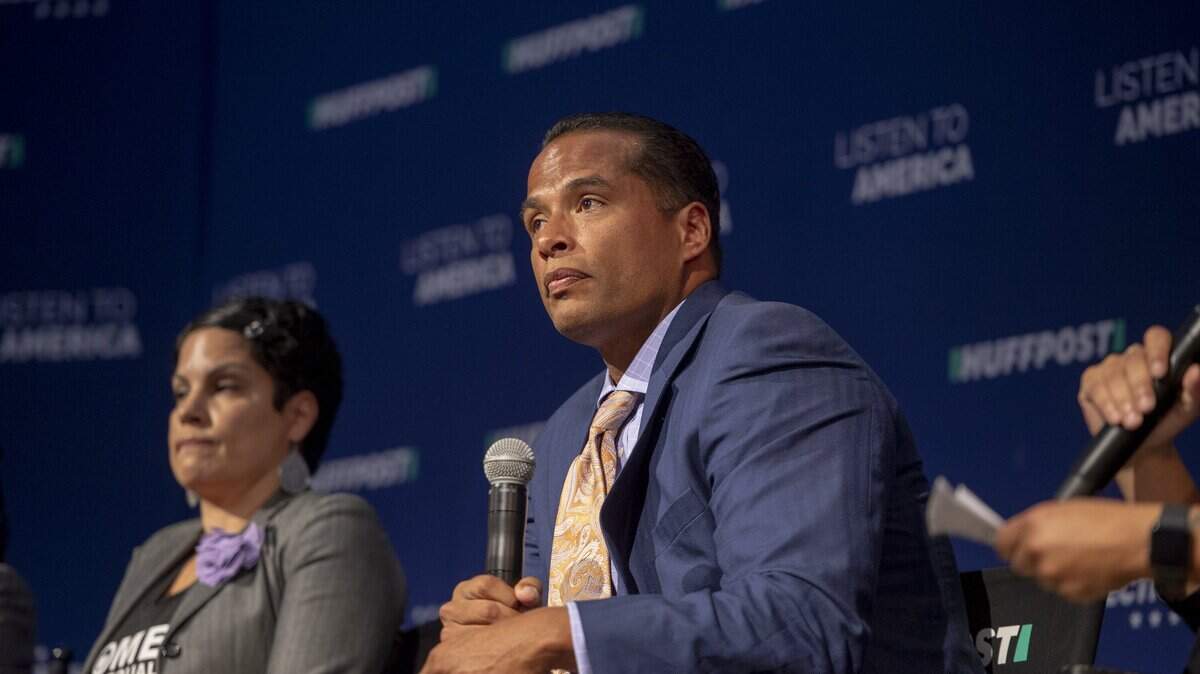
“We aren’t that far,” Basim Elkarra, who serves as both president of the commission and on the police department’s internal use-of-force committee, told a member of The Bee’s editorial board.
The recommendations include requiring data to be collected on all incidents in which officers use force. The information would be shared with the public monthly and, among other things, would include what type of force was used; the time, date and location of each incident; any injuries or fatalities; and the demographics of the officers and suspects involved.
The report also includes a section pushing for the development of a long-term diversity and culture change plan — with measurable goals and outcomes to address institutionalized racism. The commission recommends compiling an annual report to show progress, particularly on officer recruitment goals, and a requirement for officers to take at least one ethnic studies course in college.
But the biggest hurdle for Sacramento in this report? The recommendation for changing the police department’s use-of-force policy to only allow officers to use deadly force when necessary, or when reasonable alternatives have been exhausted or aren’t feasible.
If this sounds like a no-brainer, it should be. Preserving human life should always be the goal.
But fearing more lawsuits and criminal charges being filed against officers, police unions have been fighting such changes up and down the state, starting with AB 931 at the Capitol.
Now, Sacramento instructs its officers to “continually evaluate all reasonable and readily available force options to apprehend or subdue and individual” before resorting to deadly force. And that is an improvement over the previous standard.
It was only in 2016, after the public erupted in anger over the fatal police shooting of Joseph Mann in Del Paso Heights, that the City Council adopted an ordinance mandating the speedy release of body camera footage, and instructed the department to implement policies aimed at de-escalation and adopt a provision that stresses the “sanctity of life is inviolable.”
Clearly, that isn’t enough, though.
Activists with Black Lives Matter have seized on the case of 19-year-old Darell Richards, who was killed in September by SWAT officers in a Curtis Park backyard after, police say, he ignored orders to drop his weapon. Problem is, the weapon turned out to be a pellet gun and the body camera of the officer who shot him was turned off, violating department policy.
Overall, though, the Sacramento Police Department is moving in direction of greater transparency and accountability under Hahn — even if it’s not happening fast enough. Steinberg says he hopes to hold a public workshop with Chief Hahn on the commission’s recommendations soon after the Nov. 6 election.
“It’s good the commission stokes debate around these issues,” he told a member of The Bee’s editorial board, zeroing in on the recommendations about recruitment, rather than those on use of force.
Debate is one thing. But without action, talk is cheap.