
Homophobia is wrong and unacceptable anytime in Sacramento, especially during Pride Month
Pride Month is supposed to be a celebration — a time when communities recognize LGBTQ culture, honor those who died and deepen our commitment to gay rights. Yet in the last two weeks, Sacramento experienced at least two hateful displays of homophobia that targeted not just individuals, but an entire community.
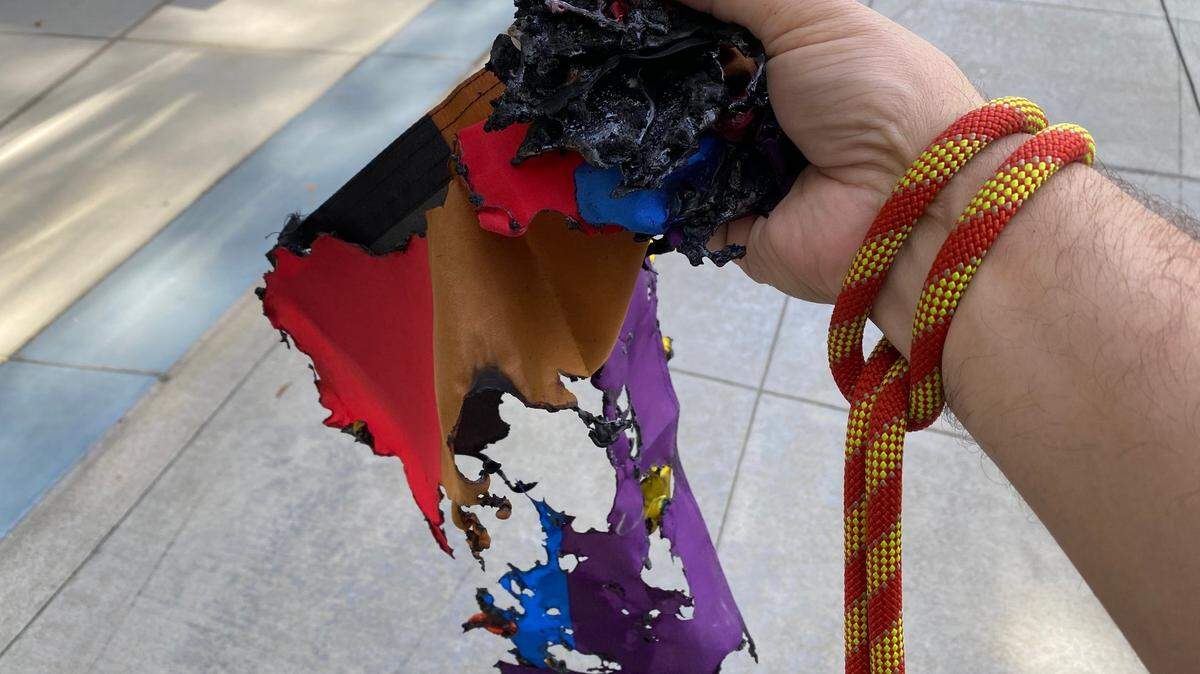
On June 5, Rev. Matthew Woodward, dean of Trinity Cathedral in Midtown, woke up to find that his church’s Pride flag had been burned. Bigots desecrated an Episcopal Church with roots in Sacramento that date back to the Gold Rush. The Sacramento Police Department is investigating the incident as a potential hate crime.
“God created everybody, God loves everybody,” Woodward told The Bee. “There are people that find that difficult to hear, and it made me sad to see that somebody wanted to take down what we see as a sign of love.”
In a statement, Bishop Megan Traquair of the Episcopal Diocese of Northern California condemned the “act of hatred.”
“The Pride flag is a symbol of love, of struggle, of sacrifice, by generations of our brothers and sisters,” Traquair wrote.
Over Memorial Day Weekend, a woman at the Kimpton Sawyer Hotel “asked a female couple to stop kissing in a public pool because her kids were present,” according to photographer Art Kaligos who recorded the viral video of the encounter.
In the video, several women from her group are shamed by other guests while they leave the pool area. As they exit, the women who objected to the gay couple responded to being shamed with profanities and vulgar gestures. One of the women asked if they had any children.
The question is rooted in bigotry. It suggests that children would be harmed by seeing a gay couple expressing affection. Children aren’t born as bigots — they learn bigotry from their parents. Would these women have complained if the couple was straight?
Unfortunately, we can’t dismiss these hateful acts as isolated incidents. In 2020, at least 12 homophobic incidents and two separate transphobic incidents were reported to Sacramento police, according to an annual crime report. That’s likely an undercount, too. Experts say that many acts of homophobia and transphobia go unreported — meaning we don’t know for sure how many of our LGBTQ neighbors have been victimized.
During one of the alleged hate crimes last September, the victim, who is gay, got into a car with the suspect who had offered to give him a ride, according to police.
“On the drive, the suspect stopped the vehicle, pulled the victim out of the car, proceeded to kick the victim in the head, and then left the victim on the street,” according to the report. “The suspect said, ‘This is what happens if you are gay and you cross me.’”
Last year’s Sacramento hate crime report also shows several separate instances of Sacramento residents using homophobic slurs against their LGBTQ neighbors. The details are disturbing, and show how people are being treated by tormentors devoid of humanity. In one incident, a suspect told a transgender person that he hated trans people and then punched them in the face. Another transgender person overheard a neighbor “talking about hurting her because of her life choices and is afraid the neighbor will harm her.”
Condemning these instances of homophobia and violence is not enough. The solidarity we show for targeted racial groups must also be extended to the LGBTQ community. Many cities, including Sacramento, have flown Pride flags at government buildings and made efforts to uplift leaders who have long been fighting in the shadows. Many others, like Roseville, Fresno and Gilroy, are finally recognizing their LGBTQ communities and raising Pride flags for the first time.
The Sacramento Pride march and festival were canceled this year, but a host of virtual events and smaller in-person gatherings are underway. In the aftermath of these incidents, supporting the Sacramento LGBT Community Center, which produces the city’s Pride events, is critical.
Six years after the Supreme Court struck down same-sex marriage bans, Sacramento still has a long way to go to create a city where no one is mistreated because of who they love. The response from the broader public, however, showed that these hateful people do not represent the vast majority who stand with LGBTQ residents.