
Bomb cyclone exposes pitfalls of safe camping sites as remedy for Sacramento homelessness
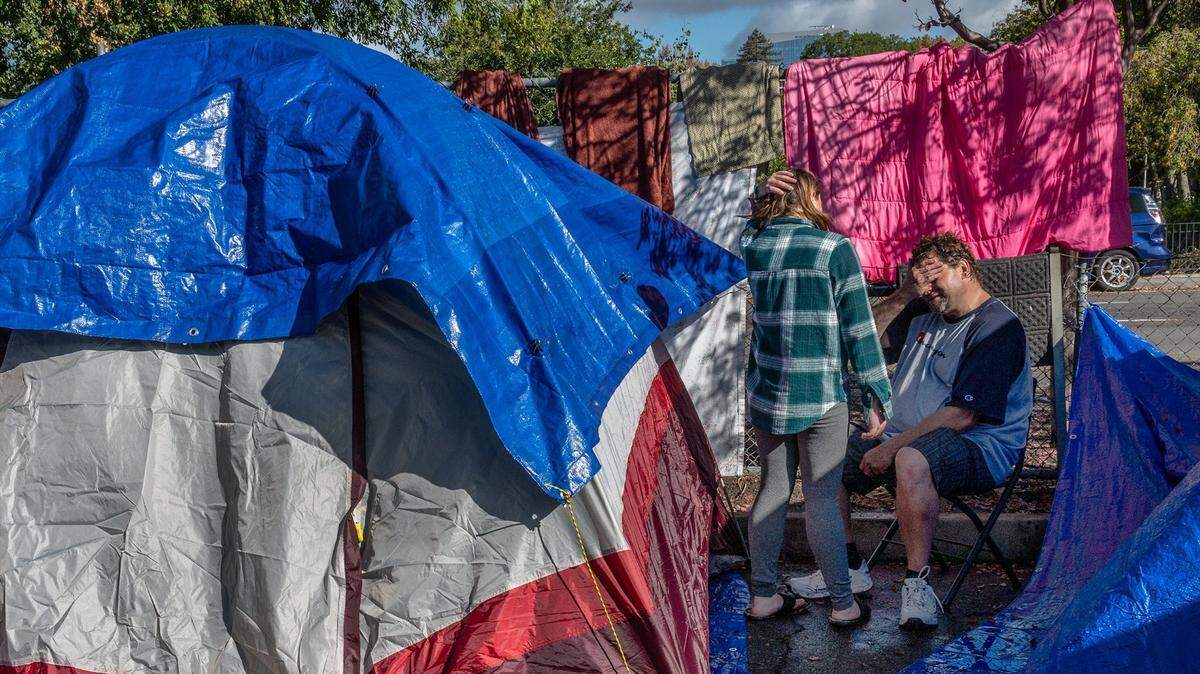
As Sunday’s bomb cyclone and atmospheric river unleashed a treacherous deluge across Northern California, Sacramento’s roads and parks turned into slurries. Cars spun out on suburban lanes, many crashed and some were abandoned with blinkers still flashing. Toppled trees made a maze of streets, and underpasses became fathomless lakes of black water lapping at highway lanes.
If you were lucky enough to have a roof over your head, the wind howled at the door, the rain beat at the windows and everything outside was drenched. Thousands of people across Sacramento who did not have any shelter endured a freezing, soaking, miserable 48 hours from which they are still recovering and taking stock. Some made it indoors. Others we may never hear from.
The 200-year storm dropped the most rain Sacramento has seen in a single day, breaking a record set in 1880. Lake Oroville, which was at historic lows because of drought, gained 22.3 billion gallons of water in just 24 hours. The storm caused mudslides, flooded parts of Northern California and, on a positive note, essentially ended the wildfire season.
It was the latest weather event in a year filled with extremes of heat, drought, fire and gale-force winds.
To their credit, Sacramento area officials mobilized over the weekend, showing they had learned what not to do after a deadly storm in January, when county rules and COVID fears prevented warming centers from opening. County and city officials opened at least four public facilities to offer the unhoused shelter, food and a safe place to sleep overnight as they waited out the worst of the storm. All were at or near capacity.
Those who sought out the storm centers represented only a fraction of Sacramento’s unhoused population, which estimates suggest is over 10,000 people. Countless more found refuge wherever they could or braved the historic downpour outdoors, exposed to the unrelenting intensity of a record-breaking atmospheric river.
It’s this vast majority of those left stranded outside whose suffering underscores the dire need for the Sacramento region’s leaders to provide not just safe camping spaces but true shelter from our increasingly intense climate. Last week, the Sacramento City Council allocated $41 million in American Rescue Plan funding to further implement the city’s comprehensive homeless plan. However, much of the $100 million initiative relies on authorized campsites and car parking that, as we saw from this weather event, fails to protect people from the elements.
Safe grounds are needed in Sacramento because we’ve let this crisis reach a breaking point where triage measures are the only immediate solutions. But what good is moving people off one street and onto another when our warming climate is causing more extreme heat and storms? It’s imperative that county leaders follow the city’s lead and pursue additional tiny-home projects, motel conversions, housing vouchers and fast-tracked permanent housing that can meaningfully change living conditions and protect people from California’s volatile weather.
Sacramento’s famously temperate climate is a thing of the past. Our seasons are defined more by extremes, so our plans to treat homelessness must take that into consideration. More than 200,000 people across California do not have a home and are experiencing these elements with nothing more than a thin sheet of polyester, if they’re lucky enough to have a tent at all.
We will learn more about the toll of this storm and the hardship it caused in the coming days. Sacramento County’s involvement was a positive step, and public workers, advocacy groups and volunteers demonstrated our region’s capacity to help others in an emergency. The collaboration among these entities must improve with each event.
As the name of the respite centers implies, these services are only temporary, and an abundance of sanctioned campsites is a commitment to more of the same. Safe grounds are a positive step, but permanent housing and covered shelter must remain the priority.
BEHIND THE STORY
MOREWhat are editorials, and who writes them?
Editorials represent the collective opinion of The Sacramento Bee Editorial Board.
They do not reflect the individual opinions of board members or the views of Bee reporters in the news section. Bee reporters do not participate in editorial board deliberations or weigh in on board decisions. The same rules apply to our sister publications, The Modesto Bee, Fresno Bee, Merced Sun-Star and San Luis Obispo Tribune.
In Sacramento, our board includes Bee Executive Editor Colleen McCain Nelson, McClatchy California Opinion Editor Marcos Breton, opinion writers Robin Epley, Tom Philp, LeBron Antonio Hill and op-ed editor Hannah Holzer.
In Fresno and Merced, the board includes Central Valley Executive Editor Don Blount, Senior Editor Christopher Kirkpatrick, Opinion Editor Juan Esparza Loera, and opinion writer Tad Weber.
In Modesto, the board includes Senior Editor Carlos Virgen and in San Luis Obispo, it includes Opinion Editor Stephanie Finucane.
We base our opinions on reporting by our colleagues in the news section, and our own reporting and interviews. Our members attend public meetings, call people and follow-up on story ideas from readers just as news reporters do. Unlike objective reporters, we share our judgments and state clearly what we think should happen based on our knowledge.
Read more by clicking the arrow in the upper right.
Tell us what you think
You may or may not agree with our perspective. We believe disagreement is healthy and necessary for a functioning democracy. If you would like to share your own views on events important to the Sacramento region, you may write a letter to the editor (150 words or less) using this form, or email an op-ed (650-750 words) to opinion@sacbee.com. Due to a high volume of submissions, we are not able to publish everything we receive.
Support The Sacramento Bee
These conversations are important for our community. Keep the conversation going by supporting The Sacramento Bee. Subscribe here.