
Sacramento’s homeless population is booming. Wholesale government failure is to blame
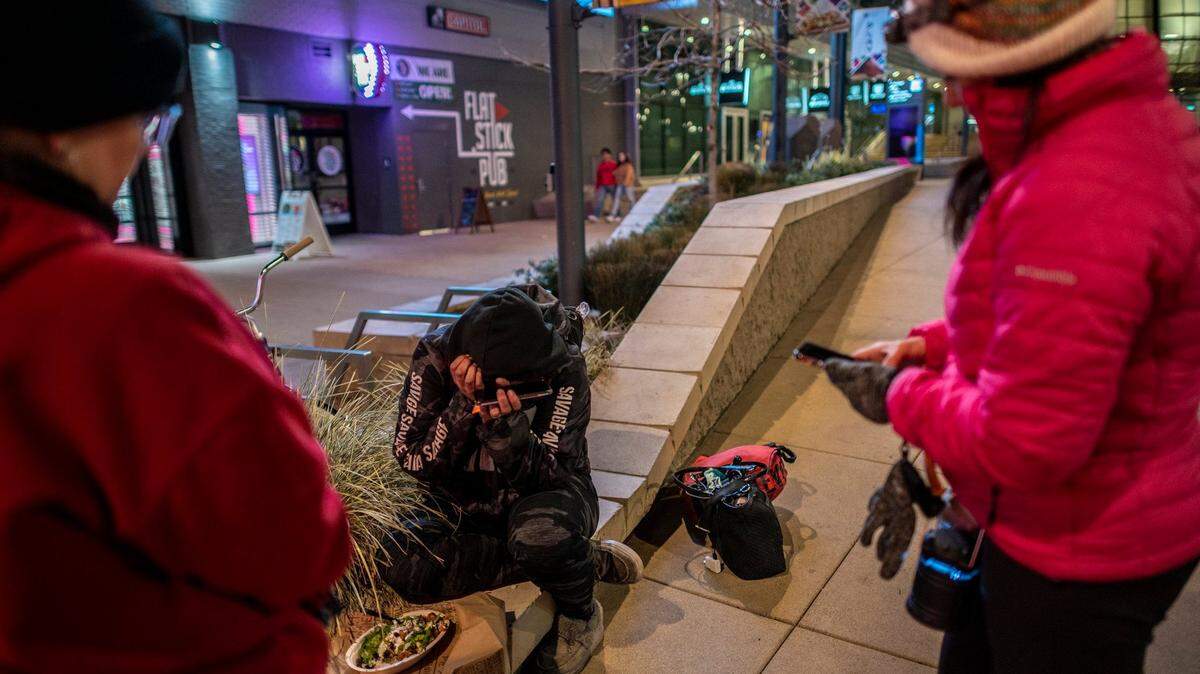
Tuesday’s release of Sacramento’s newest point-in-time census of homeless residents confirmed a disheartening and outrageous reality that is self-evident from the hardship we see in our public spaces. Sacramento County’s homeless population has exploded over the past three years, surpassing that of San Francisco, which was one of the few places in California to buck a seven-year trend of spreading homelessness across the state.
Sacramento’s homeless population surged 67% since the last federally mandated count in 2019, reaching an estimated 9,278 people on a single night this year, the highest on record. The number of people who are disabled or chronically homeless more than doubled, amounting to roughly 4,300 struggling to secure employment or housing. Black people remain disproportionately affected by homelessness, making up 31% of the unhoused despite accounting for only 11% of the overall population.
Homelessness is closely linked to California’s multimillion-unit housing deficit, which drives the state’s soaring unaffordability. The systemic failure of state and local agencies to respond to the housing shortage and growing homelessness only exacerbates the problem. For years, California has failed to match billions of dollars of funding for homeless services with effective policies to induce local collaboration and address this urgent humanitarian crisis. Local governments, meanwhile, have dragged their feet, allowing NIMBYism and political infighting to slow progress.
Sacramento County, the area’s chief health and human services provider, and its governing Board of Supervisors bear as much responsibility for the report’s distressing findings as any entity in the region.
County leaders have engaged in public spats with city officials rather than showing the meaningful region-wide leadership their housed and unhoused constituents need. The $50 million for homeless services authorized by the Board of Supervisors last year has borne little in the way of results. It still takes months to stand up triage shelters like the recently approved tiny home village on Florin Road, which will help 125 people. New facilities and capacity to shelter the growing homeless population remain a fraction of the county’s three-year spending plan for its state-provided mental health funds.
An estimated 72% of Sacramento’s unhoused population sleeps outdoors on any given night, the report found. Despite having a budget six times greater than the city, the county funds only about 1,300 shelter beds. The city, which has attempted to fill the void left by the county’s abdication, has cobbled together 1,100 beds but struggled to deliver on its policy promises.
This year’s census found that the number and size of homeless encampments has grown substantially over the past three years. The resulting increased visibility of homelessness has contributed to mounting public frustration and calls for ultimately ineffective enforcement policies. City voters will get to voice their outrage at the ballot box in November, when they will vote on a measure backed by business interests to incrementally increase shelter capacity while ramping up enforcement. State lawmakers are pushing to clear encampments on the American River Parkway despite the lack of shelter, and the county is crafting an ordinance that could take similar steps in other public spaces.
There were a few noteworthy signs of progress in the new data. Veteran homelessness declined 6%, and the number of unsheltered families dropped 31%. Pandemic aid and motel conversions helped increase outreach and establish connections with people experiencing chronic homelessness.
Still, for all the political attention homelessness receives in Sacramento, the public has yet to see action that reflects their desire for progress.
The solutions are out there. Consider Houston, the fourth-largest city in the country, which has cut its homeless population 63% since 2011. Houston got that far by having city and county agencies working in lockstep and persuading service providers, corporations and nonprofits that are often at odds “to row in unison,” as the New York Times recently reported.
Sacramento still lacks such fundamental collaboration and cohesion. Until the city and county improve relations, the unhoused population is likely to keep growing, and the public will increasingly turn to enforcement measures that fail to give people the services and housing they need.
BEHIND THE STORY
MOREWhat are editorials, and who writes them?
Editorials represent the collective opinion of The Sacramento Bee Editorial Board.
They do not reflect the individual opinions of board members or the views of Bee reporters in the news section. Bee reporters do not participate in editorial board deliberations or weigh in on board decisions. The same rules apply to our sister publications, The Modesto Bee, Fresno Bee, Merced Sun-Star and San Luis Obispo Tribune.
In Sacramento, our board includes Bee Executive Editor Colleen McCain Nelson, McClatchy California Opinion Editor Marcos Breton, opinion writers Robin Epley, Tom Philp, LeBron Antonio Hill and op-ed editor Hannah Holzer.
In Fresno and Merced, the board includes Central Valley Executive Editor Don Blount, Senior Editor Christopher Kirkpatrick, Opinion Editor Juan Esparza Loera, and opinion writer Tad Weber.
In Modesto, the board includes Senior Editor Carlos Virgen and in San Luis Obispo, it includes Opinion Editor Stephanie Finucane.
We base our opinions on reporting by our colleagues in the news section, and our own reporting and interviews. Our members attend public meetings, call people and follow-up on story ideas from readers just as news reporters do. Unlike objective reporters, we share our judgments and state clearly what we think should happen based on our knowledge.
Read more by clicking the arrow in the upper right.
Tell us what you think
You may or may not agree with our perspective. We believe disagreement is healthy and necessary for a functioning democracy. If you would like to share your own views on events important to the Sacramento region, you may write a letter to the editor (150 words or less) using this form, or email an op-ed (650-750 words) to opinion@sacbee.com. Due to a high volume of submissions, we are not able to publish everything we receive.
Support The Sacramento Bee
These conversations are important for our community. Keep the conversation going by supporting The Sacramento Bee. Subscribe here.