
Extreme heat is scorching California. Why does TV news ignore the link to climate change?
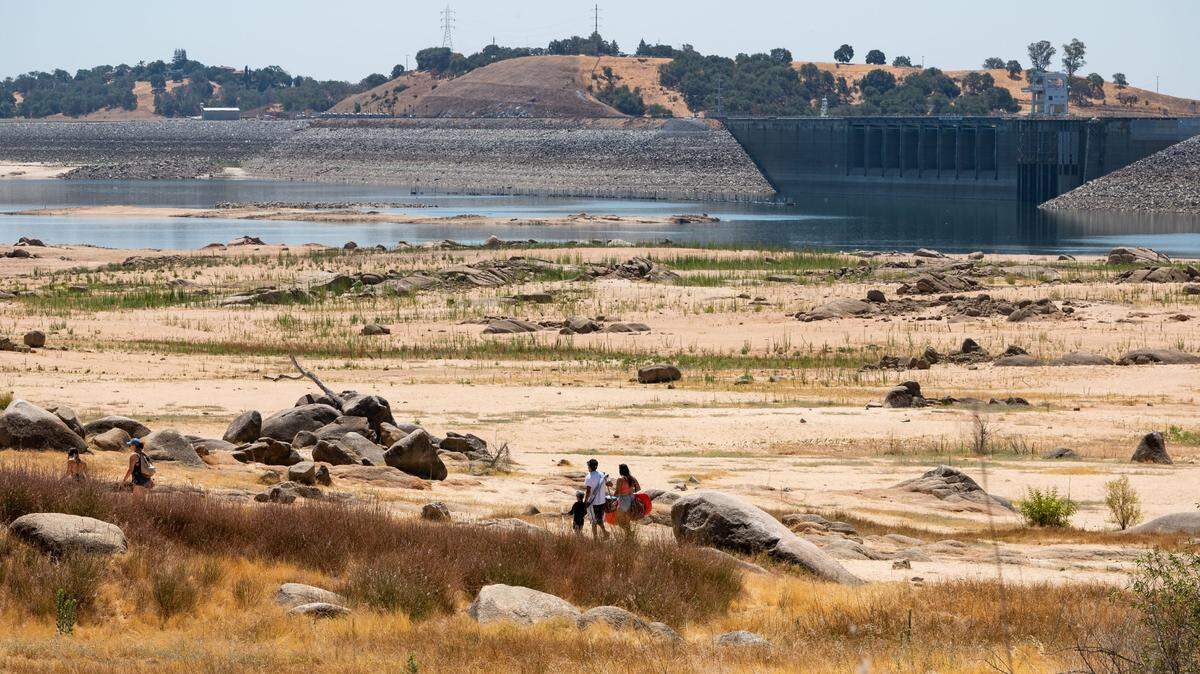
Triple-digit temperatures have hit the West Coast several times this summer, including record-breaking heat in California last month and the unprecedented, once-in-a-thousand-years heat wave that hit the Pacific Northwest in June.
Generally, during extreme weather events when climate signals are the loudest, cable and national broadcast TV news are nearly silent on the issue — both on science and solutions. When climate actually is centered in the story, it is fleeting. In order to galvanize overwhelming public demand for immediate and bold climate action, that silence must be replaced by sustained coverage of the present climate emergency.
The scientific community was unequivocal about the role of climate change in the recent Pacific Northwest heat wave. National media coverage, more than ever, was responsive to that — but broadcast news often misses the mark. According to Media Matters for America, 17% of cable news segments on the Pacific Northwest heat wave on June 26-27 linked the event to climate, and 38% of the combined coverage by broadcast and cable news of the most recent heat wave in California made the climate change connection.
There is little doubt that this year’s wildfire and hurricane season is also imprinted with climate change. As long-time climate journalist Mark Hertsgaard put it, leaving this connection out is “nothing less than media malpractice.” But that malpractice has historically been the norm for national TV news programs, even as their peers in print are firmly casting these historic weather events as proof that we are experiencing a climate emergency requiring immediate action.
Last fall, when California was sweltering under record heat and skies were turned orange from unprecedented wildfires, the Los Angeles Times front page characterized the moment as “California’s climate apocalypse” and a Sacramento Bee editorial called on California’s governor to take more decisive action. The unprecedented year was far less pronounced in national TV news. Neither the record-breaking heat nor the most powerful hurricane to hit Louisiana in 150 years propelled national TV news to discuss the climate crisis.
National TV news also failed to adequately cover changes to the Biden administration’s proposed infrastructure deal, which excluded large efforts to address the climate crisis and make our transit system, roads and buildings more resilient. The news of the deal came right before temperatures soared in the Pacific Northwest, but national TV news mostly covered these as two separate events, even though their relationship was painfully evident. MSNBC’s Chris Hayes stood out by offering a rare discussion of the connection.
There’s no shortage of climate issues to cover or stories to be told and to keep sustained pressure on decision-makers to act, climate can’t fall out of the news cycle. Reporting on the climate crisis made up only 0.4% of overall coverage in 2020 on corporate broadcast morning, nightly, and Sunday morning news shows. Solutions to address it made up just 29% of that tiny fraction. For perspective, a Media Matters analysis found that corporate broadcast news morning shows spent nearly the same amount of time covering the Jeff Bezos space launch in one day as they dedicated to the climate crisis in all of 2020.
Media’s role is undeniable, and national TV news programs can bring a meaningful discussion of climate change directly into audiences’ homes.
As long as the majority of hurricanes and other extreme weather events are reported as isolated meteorological phenomena or acts of God decoupled from climate action, the public outcry for a response will be as muted and fleeting as the coverage itself.