Dixie Fire now second-largest wildfire in California state history. Here’s what we know
READ MORE
California Wildfires
The latest on the wildfires burning in California. Get updates on the Caldor Fire, Dixie Fire and others, including size, containment, evacuation orders and more.
Expand All
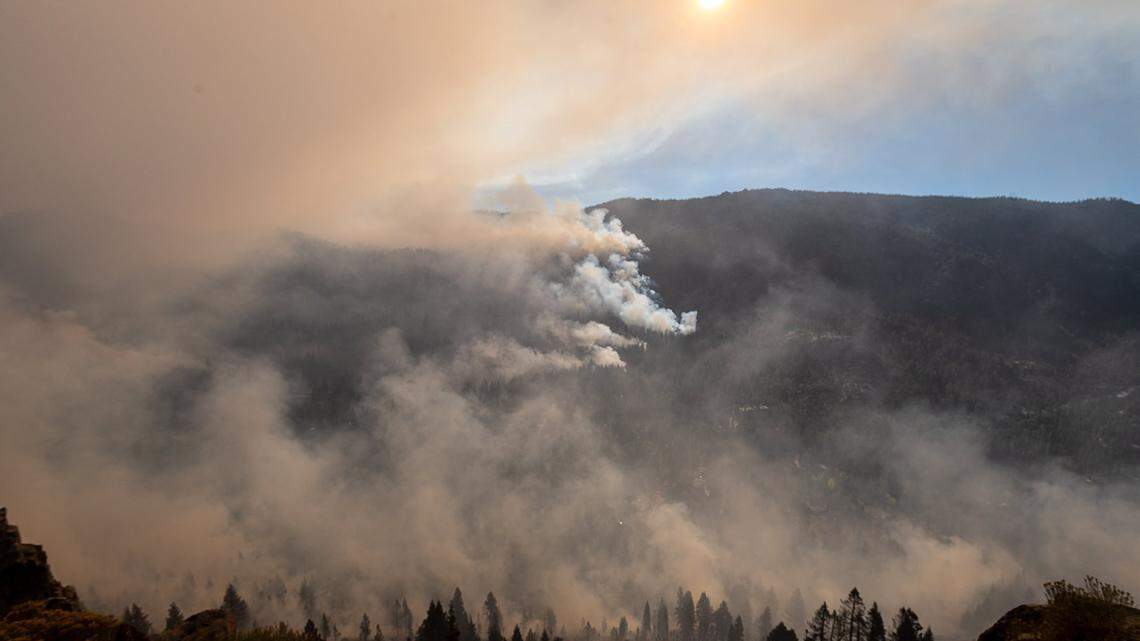
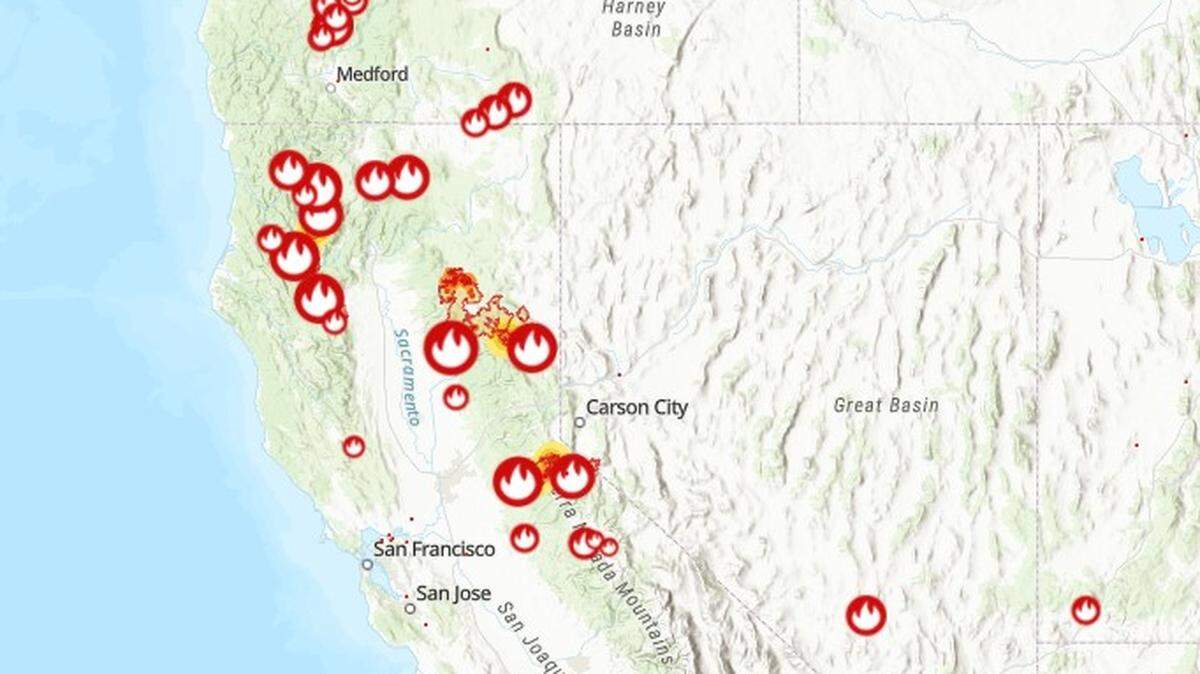
The Dixie Fire, burning in Butte and Plumas counties, expanded an additional 16,000 acres heading into Monday after becoming the second-largest wildfire in state history over the weekend.
The blaze has charred 489,287 acres (764 square miles) as of Monday morning. It surpassed the Mendocino Complex, which burned 459,123 acres in 2018 in Mendocino County and surrounding areas. Still at the top of the state’s list of largest fires is 2020’s August Complex, which charred 1,032,648 acres.
The Dixie Fire does not, however, count as the state’s largest single fire. Cal Fire’s northern region spokesman Capt. Robert Foxworthy told The Sacramento Bee that the 2020 Creek Fire remains the largest single fire at 379,895 acres. The Dixie Fire merged with the Fly Fire late in July, which means it is not considered a single fire, according to Foxworthy.
The Dixie Fire, 21% contained, has destroyed 433 buildings, plus 249 minor structures, and damaged 45 additional structures. As of Sunday, 16,035 homes and businesses remain threatened.
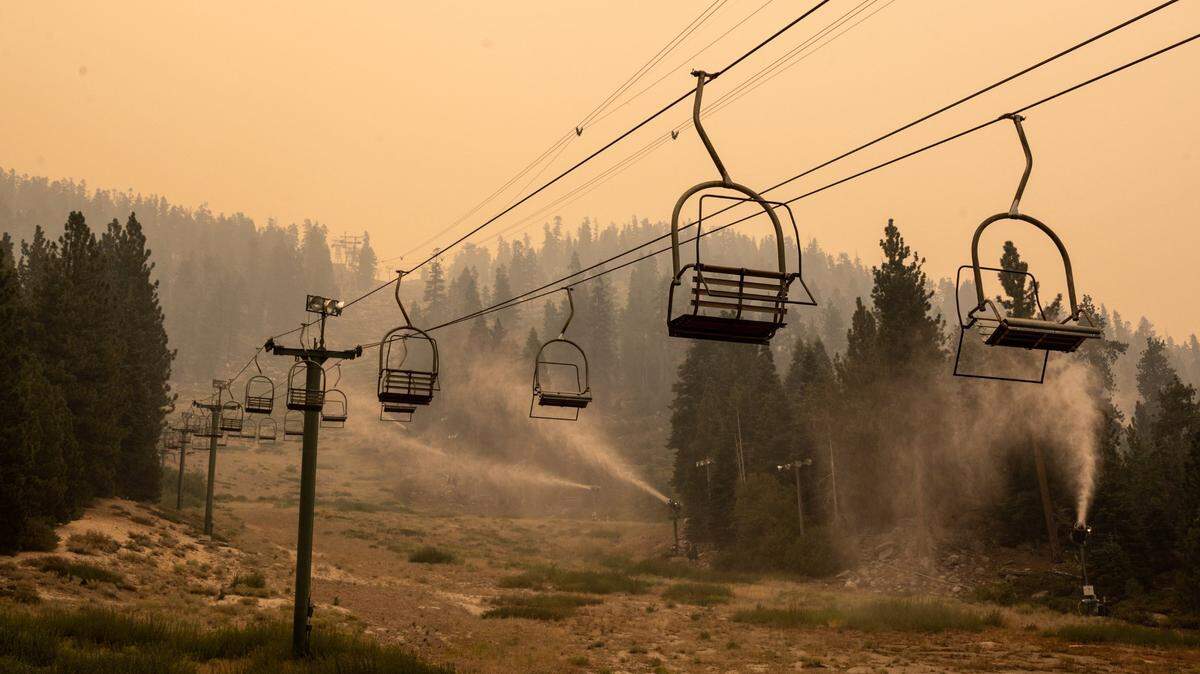
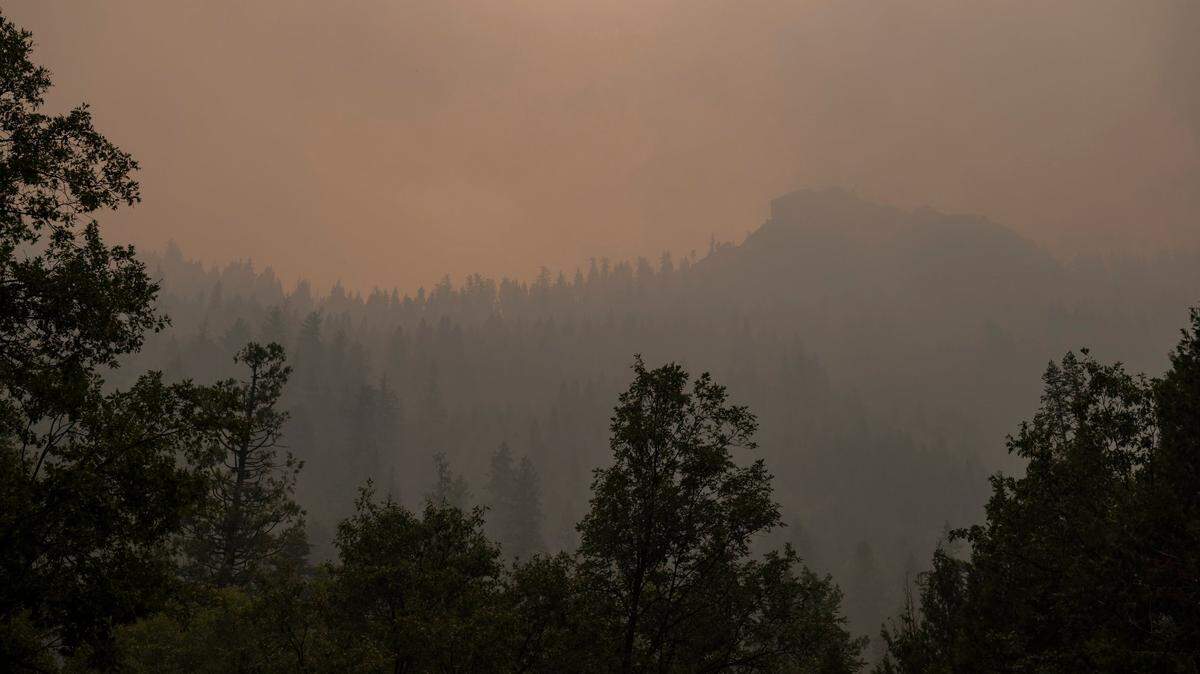
A Cal Fire Butte unit morning update said that growth in parts of the fire remained “moderate” overnight due to a smoke layer from fires farther north. But officials added that the smoke inversion is expected to lift Monday, returning the fire to more active behavior levels.
“Fire behavior is expected to increase with clear air and a warming trend that is forecasted to peak mid-week,” wrote the state fire agency in their morning update.
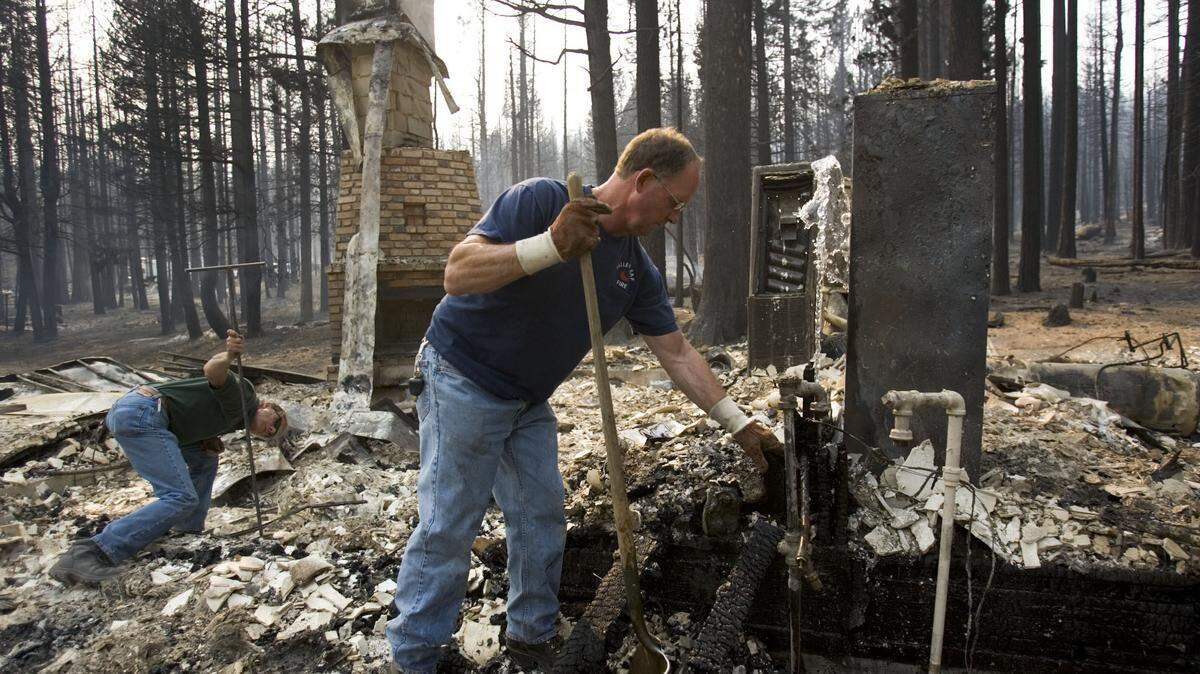
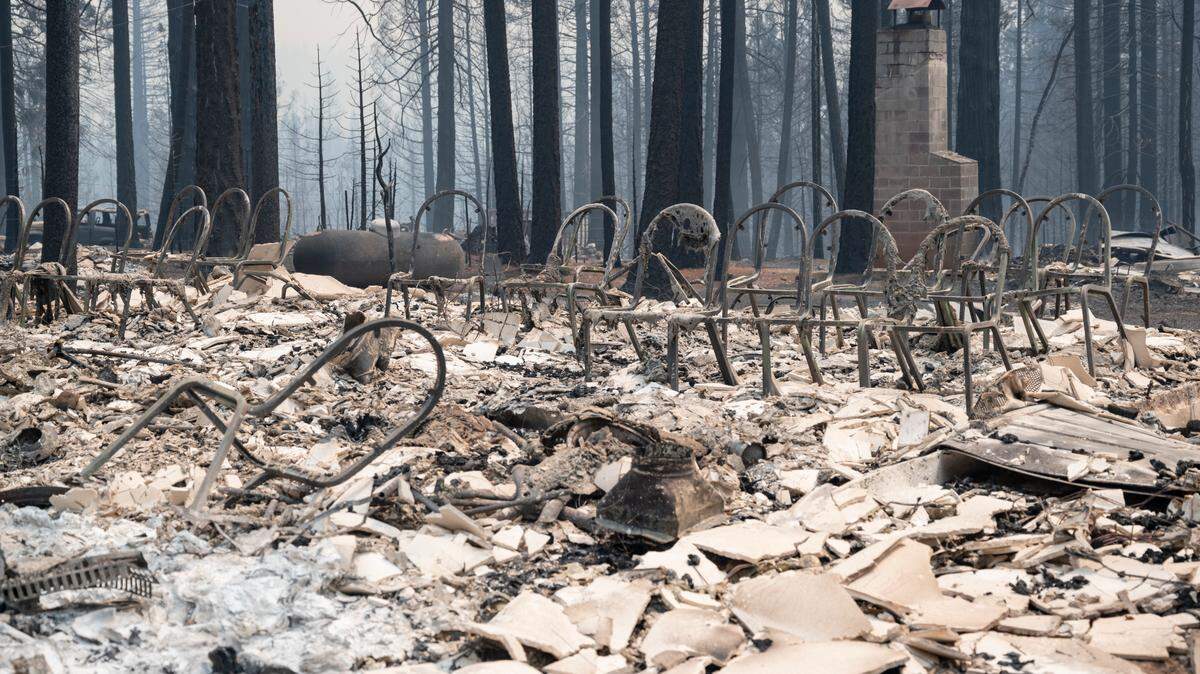
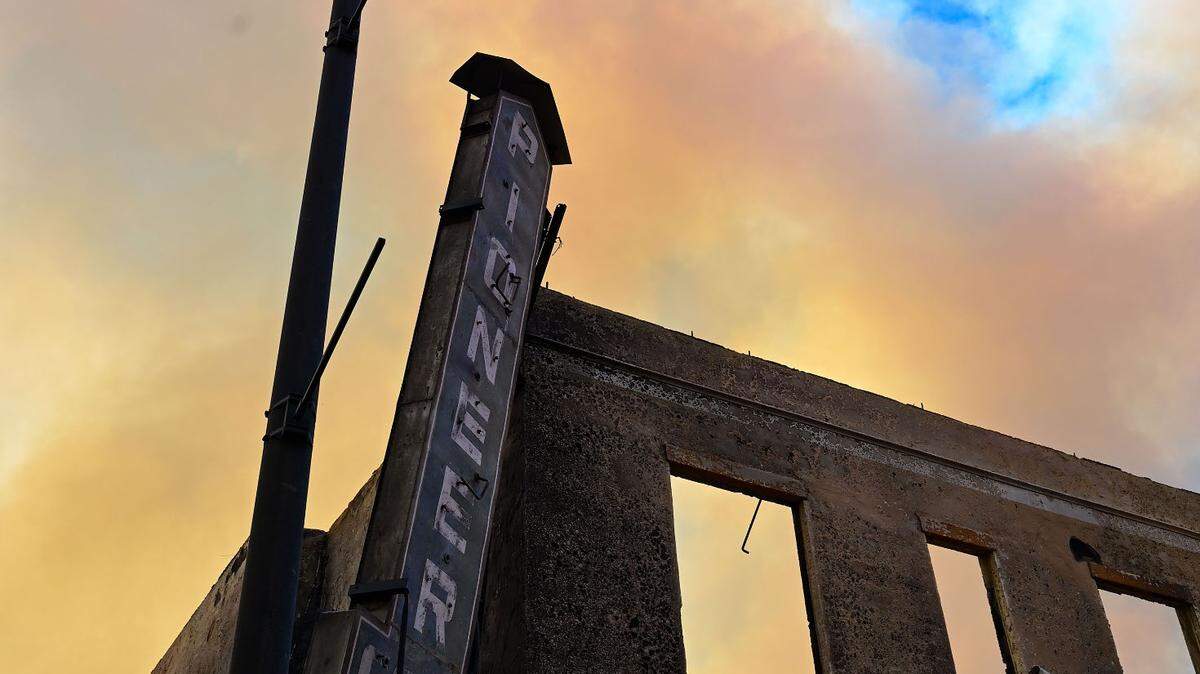
The fire’s growth has slowed significantly, when the blaze added 110,000 acres in a single day on Friday. On Wednesday, the fire tore through Greenville, destroying most of the Northern California town. Canyondam was also burned on Thursday.
Weather will be a factor this week
In a weekend visit to the remains of the town of Greenville, Gov. Gavin Newsom likened the destruction to that seen in the town of Paradise during the deadly 2018 Camp Fire. The governor said that the state would continue to engage in forest and vegetation management in an attempt to prevent wildfires like the Dixie Fire. But he also called on Californians to recognize that fires like these are a result of climate change.
“Extreme weather conditions and extreme drought conditions are leading to extreme conditions and wildfire challenges the likes of which we have never seen in our history,” Newsom said in a video news release filmed in Greenville. “And as a consequence we need to acknowledge, just straight up, these are climate-induced wildfires.”
Cal Fire’s damage assessment map shows a few structures destroyed in the south of Chester, near the intersection of Highways 89 and 36, although the center of the town shows no losses. Several structures are listed as destroyed on the map in a community near Warner Creek Campground.
Satellite data showed the majority of the fire’s spread through the weekend was to the north and northeast, according to the National Weather Service’s Sacramento office.
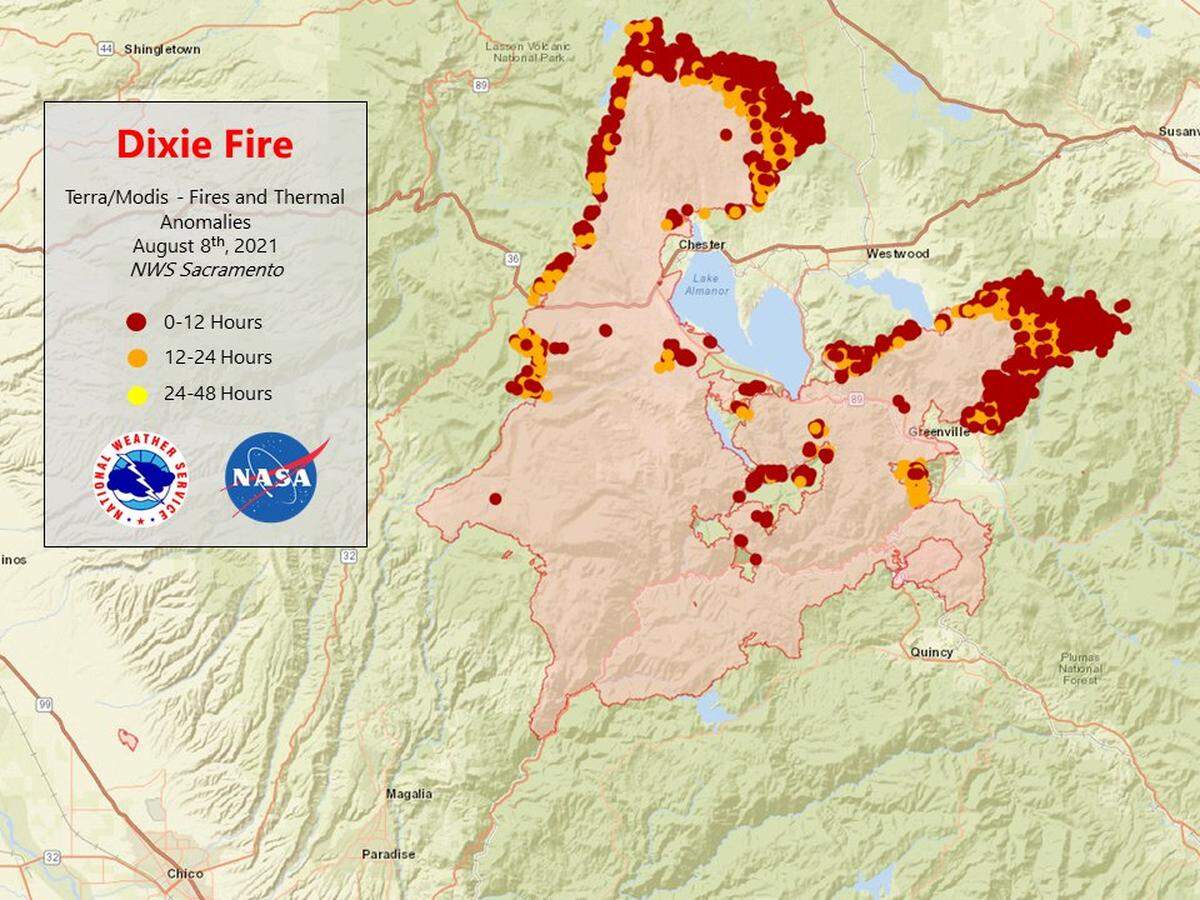
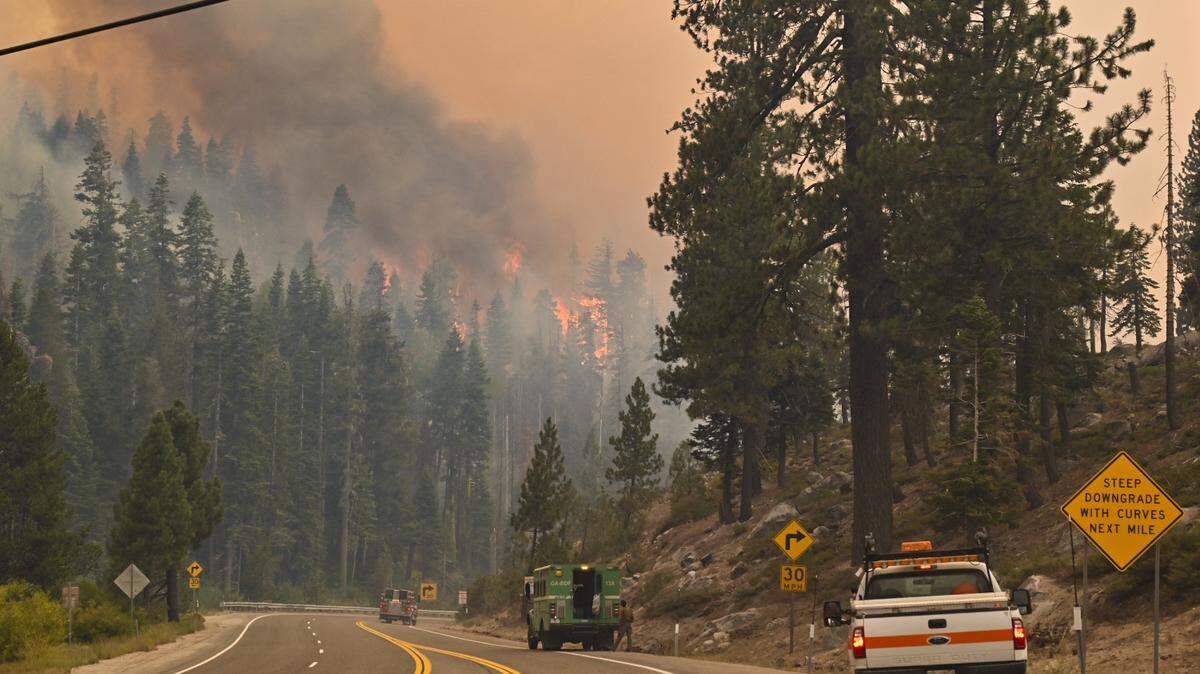
Cal Fire officials will prioritize structure protection Monday as they gear up for another potential flare-up this week. For now, moderate temperatures and smoke shade from wildfires further north are providing a brief respite for crews.
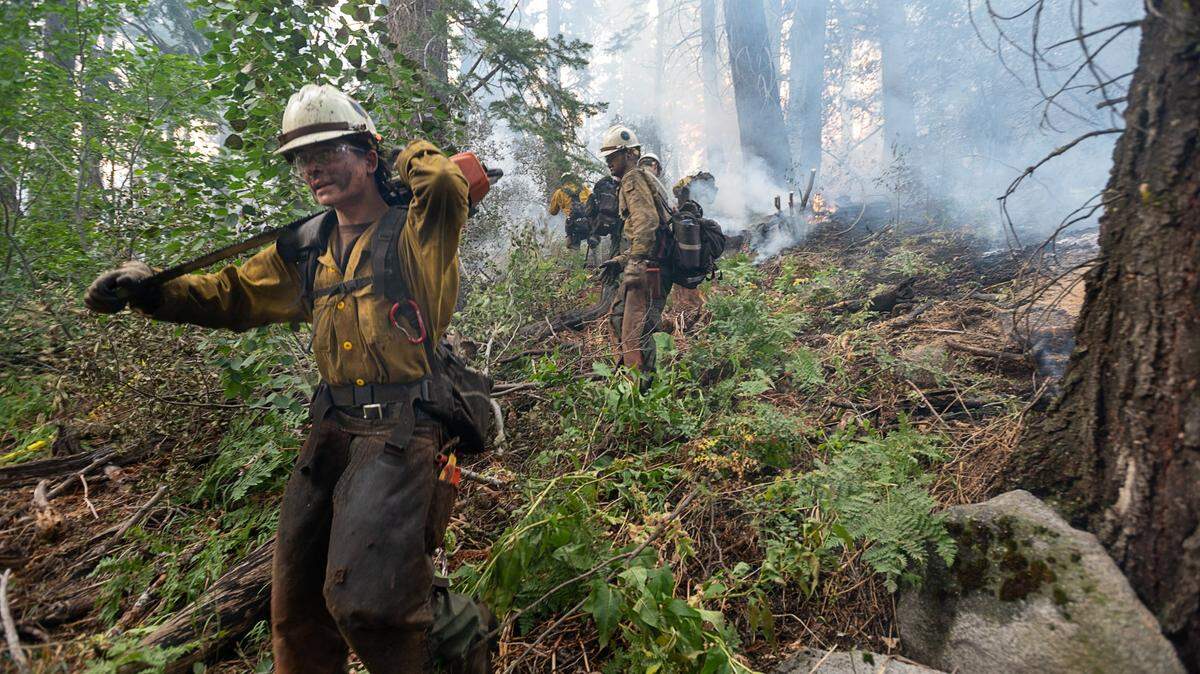
“Crews will continue to fight fire aggressively, construct direct, and indirect line to secure the fire perimeter,” Cal Fire wrote in their Monday morning update. “All resources are committed to structure defense in affected communities.”
All missing people accounted for
The Plumas County Sheriff’s Office originally reported 31 people to be missing from the Greenville area after the fire burned through. But as of Monday morning, a spokeswoman from the Sheriff’s Office told The Bee that all 31 people were found.
Many areas near the fire remain under evacuation orders. Plumas County residents from the county’s northwestern edge nearly to Quincy are evacuated. The northeastern tip of Butte County and the far eastern edge of Tehama County are also under mandatory evacuation orders. Local officials have an online map available with more details on evacuation orders and warnings.
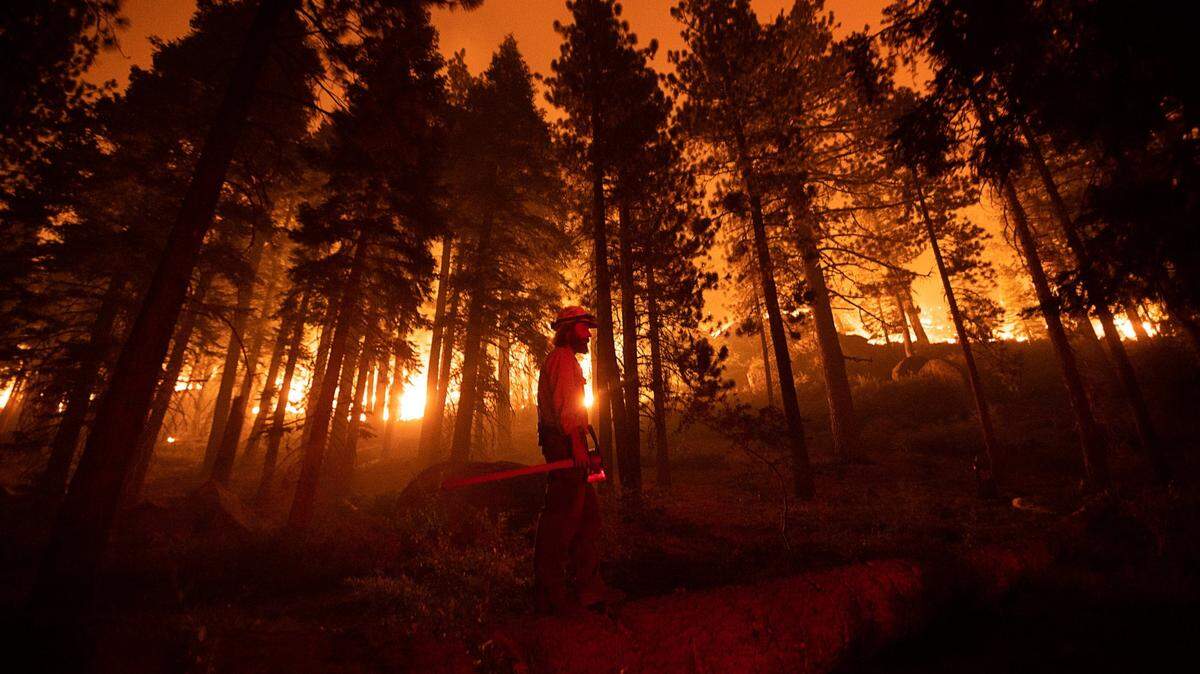
A total of 5,813 fire personnel are assigned to the Dixie Fire, plus 30 helicopters and 525 engines. Three firefighters have been injured, according to Cal Fire’s morning update.
Report: Judge wants answers from PG&E
The Bay Area News Group reported that a federal judge has asked Pacific Gas and Electric to explain the utility’s role in the Dixie Fire.
Although the cause of the Dixie Fire is still under investigation, just a few days after the fire started on July 14, PG&E released a report suggesting that its equipment may have sparked the fire.
On Friday, U.S. District Judge William Alsup told PG&E that it has until Aug. 16 to provide details including video footage regarding its possible role in starting the Dixie and Fly fires, and must also identify any other fires from this year that it may have started, according to the Bay Area News Group.
Last week, PG&E told the Public Utilities Commission that a tree was found lying on its transmission equipment near the area where the Plumas County fire started on July 22.
The utility was found criminally responsible for 2018’s Camp Fire, which killed 85 people in Butte County, and has been found responsible for several other wildfires, including the 2019 Kincade Fire and 2020’s Zogg Fire.
The Bay Area News Group reported that PG&E said it will meet the judge’s deadline.
This story was originally published August 8, 2021 at 11:56 AM.
.JPG)