
Dixie Fire isn’t just destroying towns. California’s water and power supply is under threat
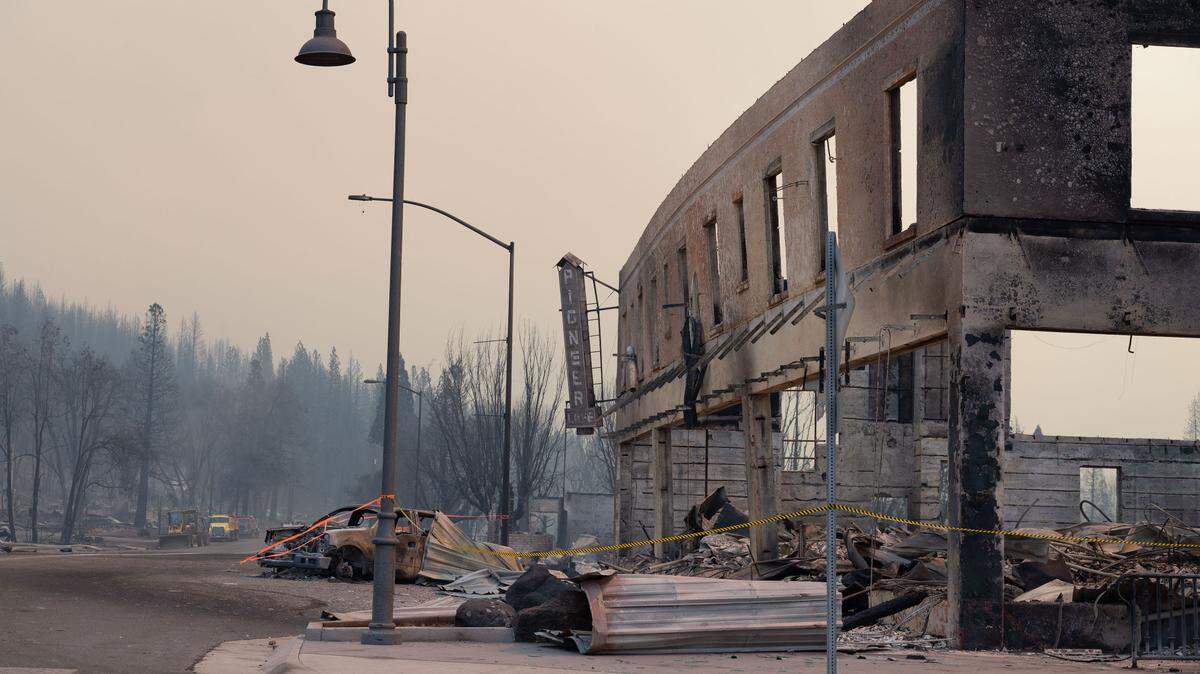
The Dixie Fire has consumed over 730,000 acres and is now the second largest fire in California’s history. High winds coupled with low humidity, high temperatures and drought-parched vegetation make extinguishing it a devilish challenge in such difficult terrain.
The fire destroyed much of the town of Greenville, the largest town in my valley. For weeks, I’ve gone to bed wondering if my home will still be there in the morning.
But the Dixie Fire is a problem that extends well beyond the towns it continues to threaten.
The fire is burning the headwaters of the Feather River and the California State Water Project that provides water to over 25 million Californians across the state and three-quarters of a million acres of farmland. As it cascades out of the mountains, it spins giant turbines that generate roughly 15% of California’s hydropower.
If you use water in Los Angeles or receive power from California’s grid, this fire is in your resource reliance footprint.
For the last four years, I’ve coordinated the South Lassen Watersheds Group, a collaborative landscape group with over 25 members, including federal and state agencies, environmental groups, industrial timberland companies and Mountain Maidu tribe.
The project work spans a 1 million-acre landscape, and includes meadow and riparian restoration along with thinning overly dense forests to reduce the risk of catastrophic wildfire and protect diverse animal and plant communities. This landscape includes some of the last of the free running salmon streams in California.
Many of these projects, ready to implement, are now up in Dixie Fire smoke.
Past fire restoration focused on the land and the short-term, with people and communities largely an afterthought. Restoration contractors come from distant areas, hire few locals and leave. Residents are still living in tents and cars and without jobs in the Paradise area where California’s deadliest fire burned almost three years ago.
It doesn’t have to be this way.
As the California Legislature considers how to spend $3.7 billion in climate funds over the next three years, and as the Biden Administration plans to “Build back better,” legislators, state and federal agencies must prioritize investments in long-term landscape resilience and the capacity of local communities and the workforce.
Investment must also be made in long-term restorative practices, carbon-smart wood utilization, workers and rural communities.
Meaningful restoration requires supporting new community-scale businesses and the capacity to utilize small-diameter trees that cost more to cut and haul than they’re worth. As California invests billions in landscape restoration, a primary challenge will be developing businesses that can utilize small diameter trees and forest waste that are the byproducts of desperately needed restoration.
Without investment in new community-scale businesses, forest restoration will not succeed. Burning piles in the woods is not the answer. Converting biomass to hydrogen is just one example of new technology that can simultaneously utilize forest biomass and help California reach carbon neutrality.
Post-fire recovery requires investment in the green forests that remain. Many of these areas need thinning to make them less susceptible to catastrophic wildfire and to restore or maintain the ecosystem services they provide.
The time has long past for changing how we invest in and manage our precious forests and watersheds. Fires across the state are testimony to the fact that California has not made the proper investments.
We must re-imagine our approach, or fires like Dixie will continue. Eight of the largest fires in California burned in the last four years, with six of these in the last two. We won’t stop fires, but we can coexist much more successfully if we think beyond putting fires out and short-term emergency restoration.
This story was originally published August 25, 2021 at 5:30 AM.