
Wildfire insurance isn’t working for California anymore. It’s time for this new approach
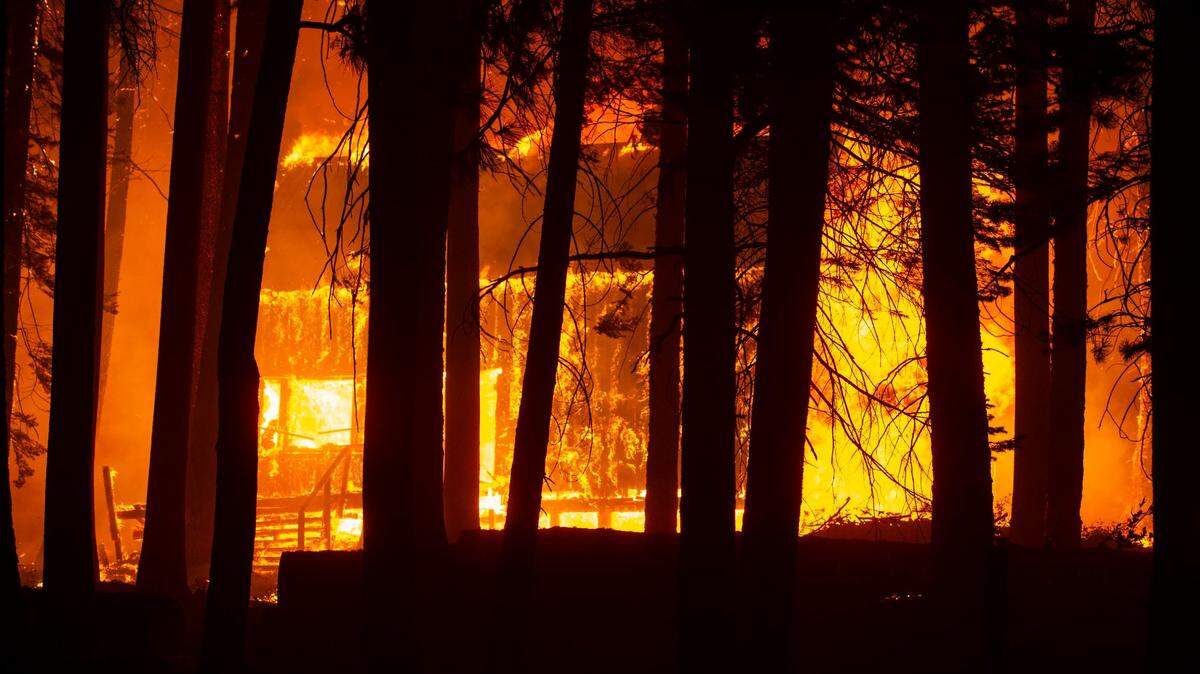
California has long been lauded for innovation, but in recent years, the Golden State has acquired a new and less-enviable reputation as a part of the world most at risk for severe wildfires. Driven by greenhouse gas emissions, rising temperatures are contributing to the increased wildfire risk.
At the same time, we are seeing an alarming increase in Californians denied insurance to cover the risk of wildfires.
For eight years as California’s insurance commissioner, I saw the growing severity of wildfires and their catastrophic consequences firsthand. I visited town after town, region after region devastated by wildfires. I met grieving families who had lost loved ones, and those who survived but lost their homes, cars, businesses and every one of their life’s treasured possessions.
When I left office, those experiences led me to continue to look for solutions, including the role insurance might play in reducing wildfire risk. As another record-breaking fire season is underway, the need could not be more urgent. Now, in the spirit of our long history of innovation, California can innovate again with a new type of “wildfire resilience insurance” that combines a proven wildfire risk reduction approach with insurance to help people and communities recover.
In recent years, federal, state, and local partners have collaborated to reduce wildfire risks through controlled burning and ecological thinning of vegetation in fire-adapted forests. This science-based approach known as “ecological forestry” reduces the risk of severe wildfires in these areas and improves forest health.
The use of fire to manage landscapes has been a cultural tradition in Indigenous communities in California and across North America and Australia. Naturally ignited wildfires were a normal part of the forest ecosystem. But for over a century in the United States, the overarching policy has been to suppress all wildfires, resulting in overgrown, unhealthy forests that fuel more catastrophic blazes.
Traditionally, insurers respond to increased losses in two ways: raising prices and excluding or limiting those with higher risks from coverage. The past few years reflect that. In late 2020, the California Department of Insurance reported that between 2018 and 2019 there was a 61% increase in non-renewals by insurers for homes in ZIP codes in moderate to very high fire risk areas, and a 203% increase in the top 10 counties with the highest exposure of homes in high to very high fire risk.
It’s a vicious cycle. But what if insurance was part of the solution, reducing overall risk by combining ecological forestry treatment with insurance?
A recent collaboration between The Nature Conservancy nonprofit and global risk advisor and insurance broker Willis Towers Watson showed promise. Using a restoration project in the Tahoe National Forest, they found that if these proven forest management techniques were applied throughout the Placer County Water Agency watershed, it would reduce wildfire risk substantially for the 81,000 homes. That could reduce home insurance premiums by an estimated $21 million per year.
Further, these insurance savings could be captured and used to help fund the cost of ecological forestry needed to continue to manage and reduce wildfire risk, creating a virtuous cycle rather than a vicious one. Developing an innovative wildfire resilience insurance product incorporating a nature-based approach to reduce risk could reduce both losses and premiums and help make many Californians insurable again.
While California’s wildfires are a dramatic example of how climate change and suppressed fire cycles have increased catastrophic fire risk, combining insurance with more investments in ecological forest management can reduce risk, insure Californians for less and provide insurance savings which can be used to fund more ecological forestry.
California can add another success story of innovation for all the world to see.