How appeals to nostalgia and tradition help draw women into California hate groups
READ MORE
Extremism in California: A McClatchy Investigation
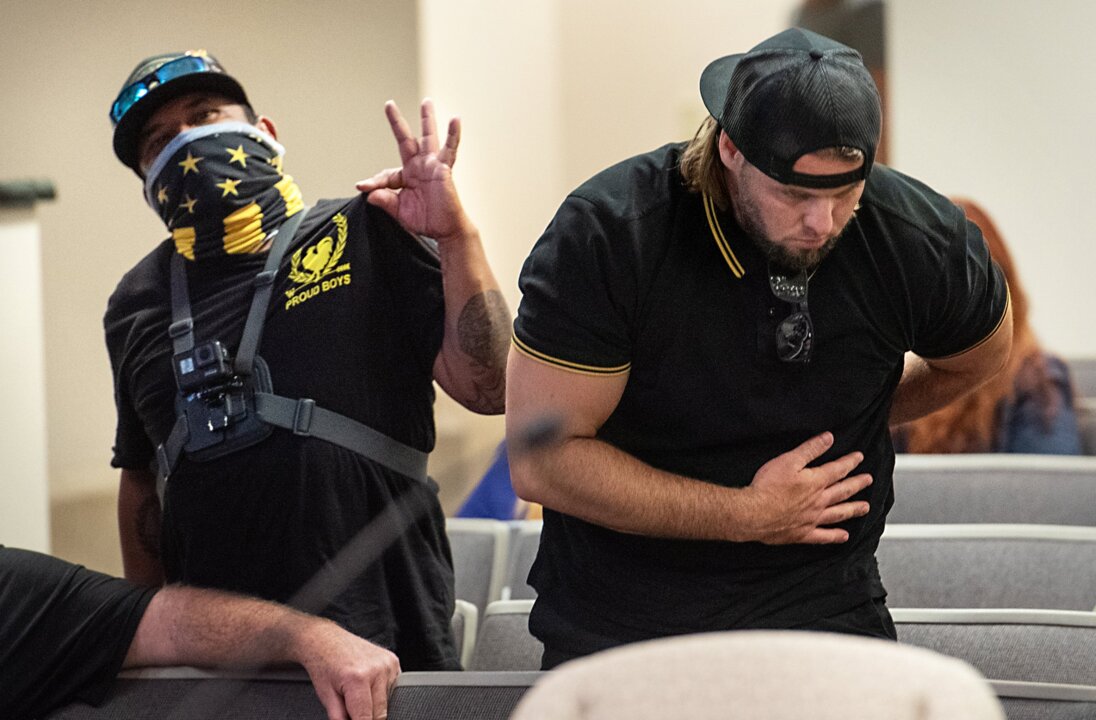
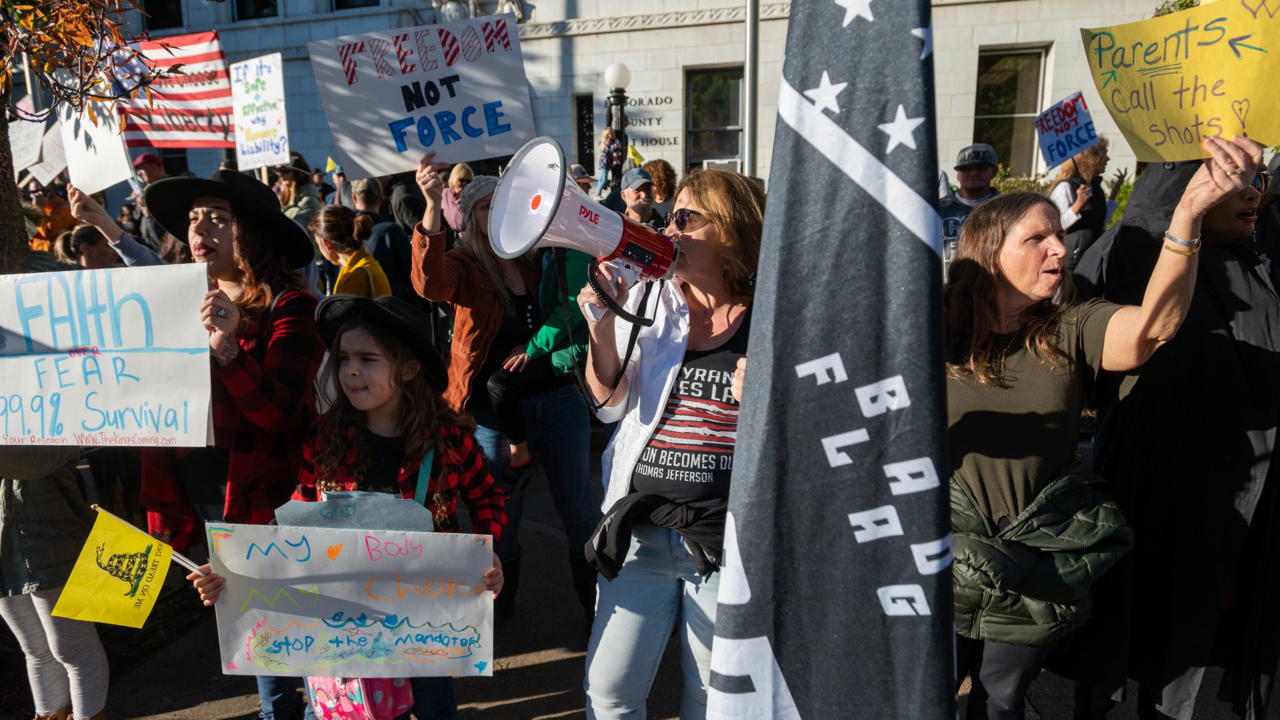
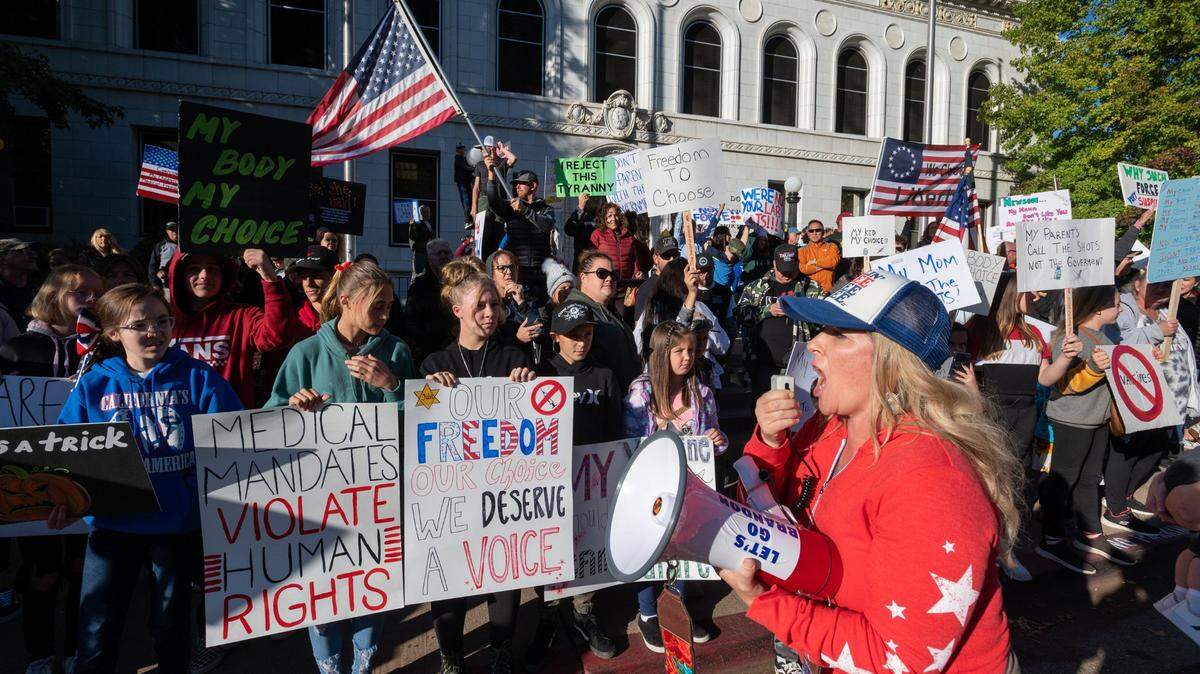
For much of the past two years in California, extremists have swarmed protests and local board meetings with a toxic mix of conspiracy theories and violent rhetoric.
Expand All
If I close my eyes, I can smell the dill and feel the steam wafting around me as I stand in my childhood kitchen. In the autumn, preserving was a multi-day event during which cucumbers and carrots from our garden became pickles, and crab apples were put up as sweet treats to break up the monotony of a snowy prairie winter. “Trust the process” serves as both a joke about canning and an invocation of the brighter future that will inevitably replace the grimness of now.
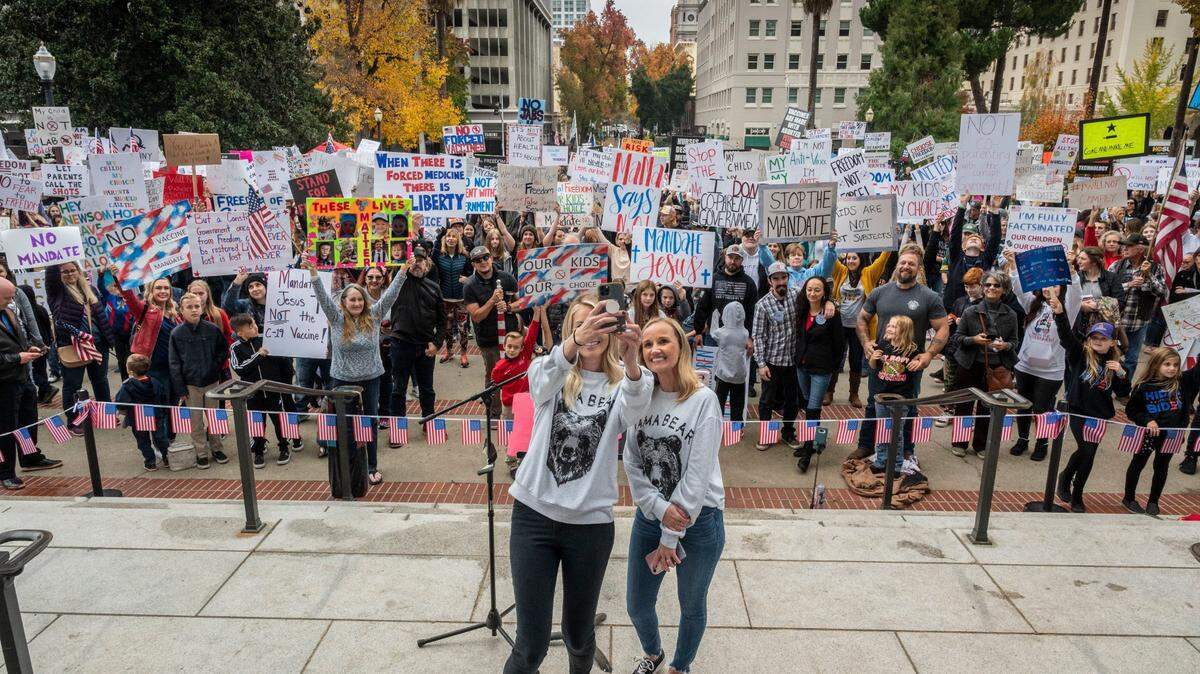
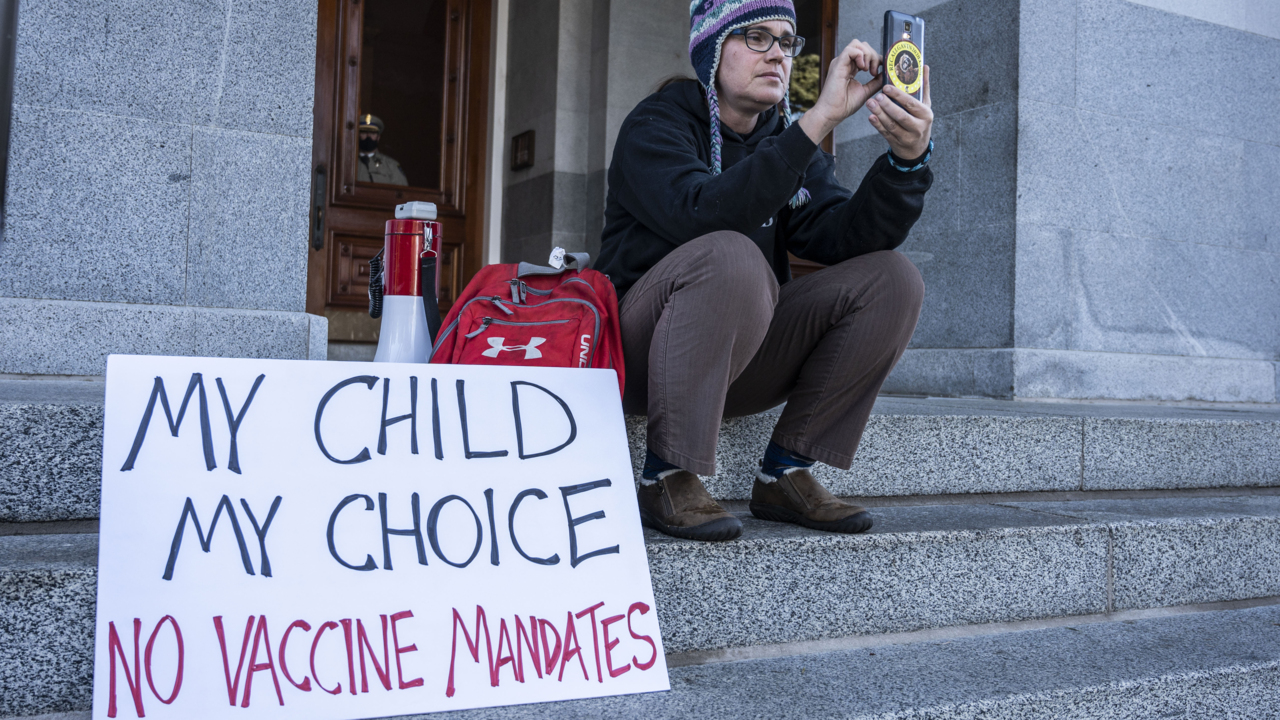
A cursory glance at websites espousing the “trad wife” phenomenon and California’s own Mamalitia reveal idyllic scenes of women and their children gardening, homeschooling and preparing food together. This veneer of servile femininity and domesticity barely masks the undercurrent of political urgency that pervades these movements.
Seyward Darby’s 2020 treatise on women of the alt-right, Sisters in Hate: American Women on the Front Lines of White Nationalism, builds on earlier work illustrating that extremism is cultivated and nourished within these groups but is rarely the inciting factor for involvement. The allure of hate is only one of the complex factors that put some women on a pathway toward radicalization.
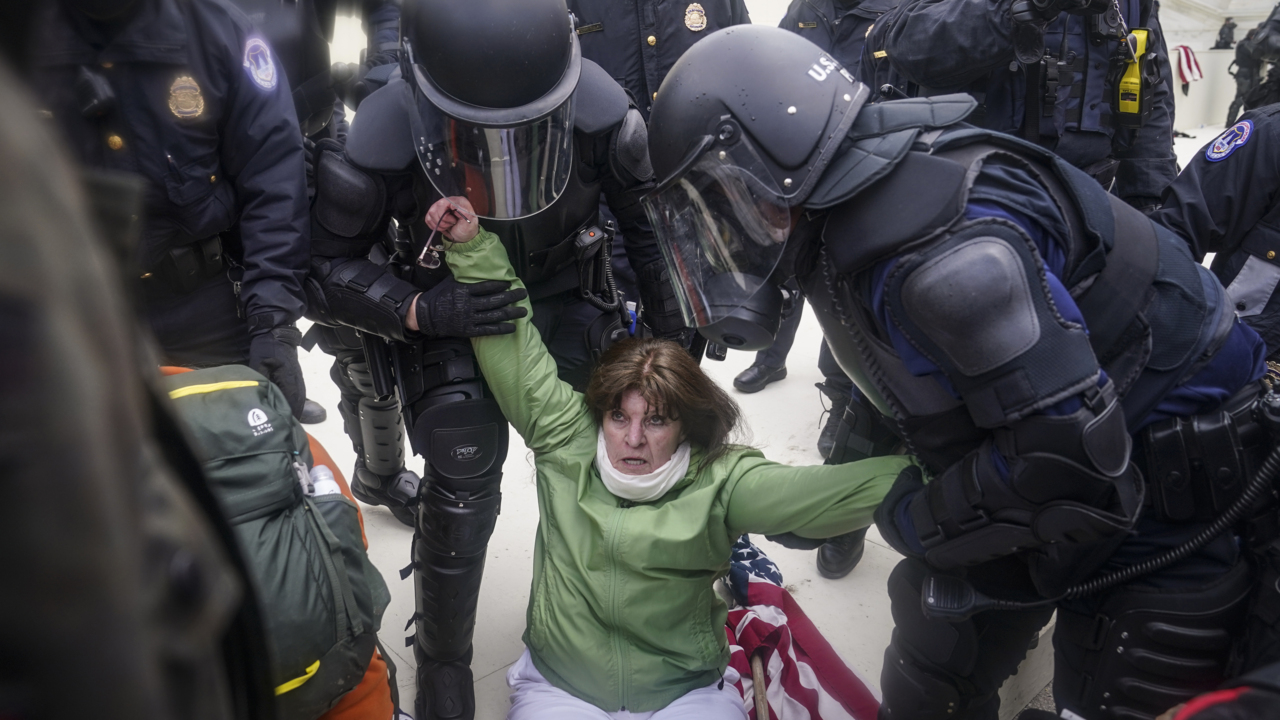
On the heels of growing tensions during the pandemic, a tendentious national election and the Capitol attack, increasing media attention has focused on the seemingly surprising role of women in extremist organizations. However, women — traditionally framed as nonviolent and apolitical — have always been central and sustaining to far-right groups.
The traditional lifestyle is seen as necessary to ward off an unarticulated but communally felt threat. Narratives of concern about food shortages appear simultaneously, and seemingly uncomplicatedly, alongside directives about the importance of firearms proficiency. The family is framed as a bastion of goodness and simplicity and a building block of a commonsense morality around which society naturally organizes itself. Complex notions of nationalism, militarism and nativism collapse into the figure of the smiling Mother.
There is a sense of a return to the Good Life at the core of these groups, a recuperative hope that is untroubled by the acknowledgment of the deeply exclusionary and protectionist impulses that stem from a politics of scarcity. Nostalgia is a balm for fear of the future. This shared orientation toward the security of an imagined past is what unites different women’s involvement in extremist groups.
Hate is a social bond, but so is fear. While fear co-exists with futile passivity, the feeling of being prepared assuages the perceived overwhelming precarity of the present.
Sublimating fear into “empowerment” is a tonic against the specter of having one’s worldview, and one’s place in it, challenged — even if this means doubling down on oppressive structures whose double-edged blade cuts both ways.
Inculcating extremist ideology in the seemingly innocuous realm of feminine domesticity manipulates anxieties about the present and leverages an exclusive vision of collectivity: Join us against them. It’s the only way to ensure the sustained well-being of you and those you care about.
There is a tantalizing allure to the promised simplicity of this life. It feels safe, familiar, insulating and seductive — like an idealized memory of a different time and place. However, just as with improper canning, this “process” is a breeding ground for poison.
This story was originally published November 21, 2021 at 5:00 AM.