
Sacramento region deserves a modern zoo with a greater ability to educate future generations
READ MORE
Move the zoo to Elk Grove?
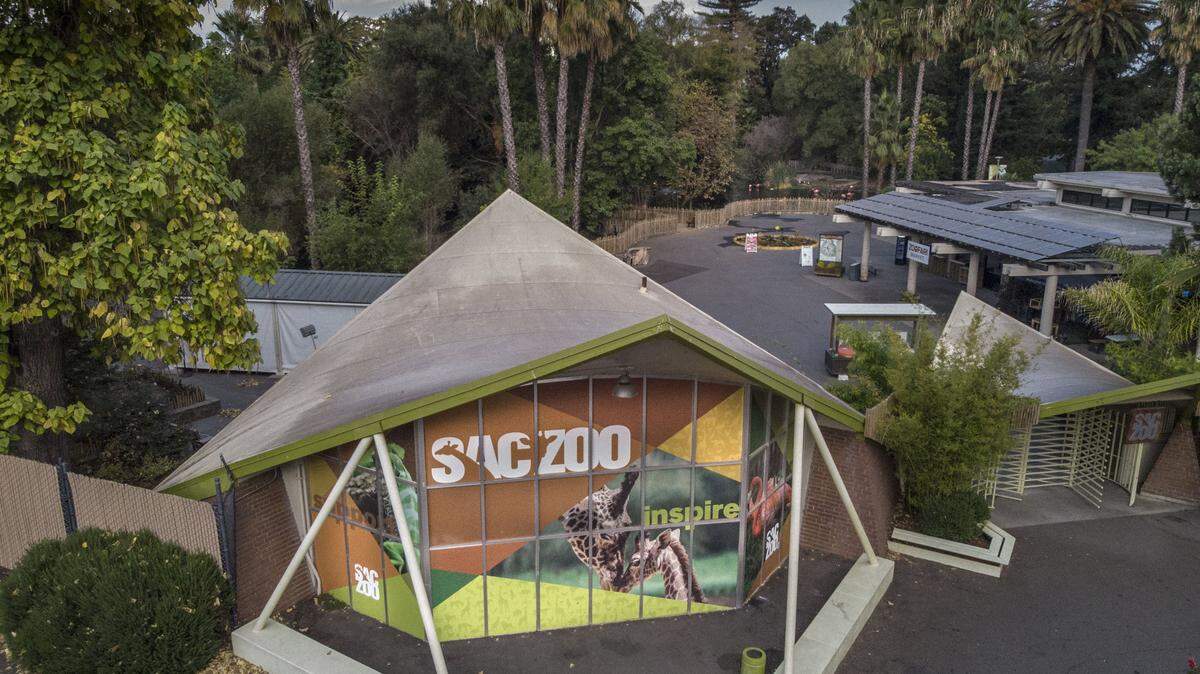
The city of Elk Grove envisions building a modern, regional Sacramento Zoo from scratch — the nation’s first new zoo since the Indianapolis Zoo in 1988, said a key consultant on the project.
Expand All
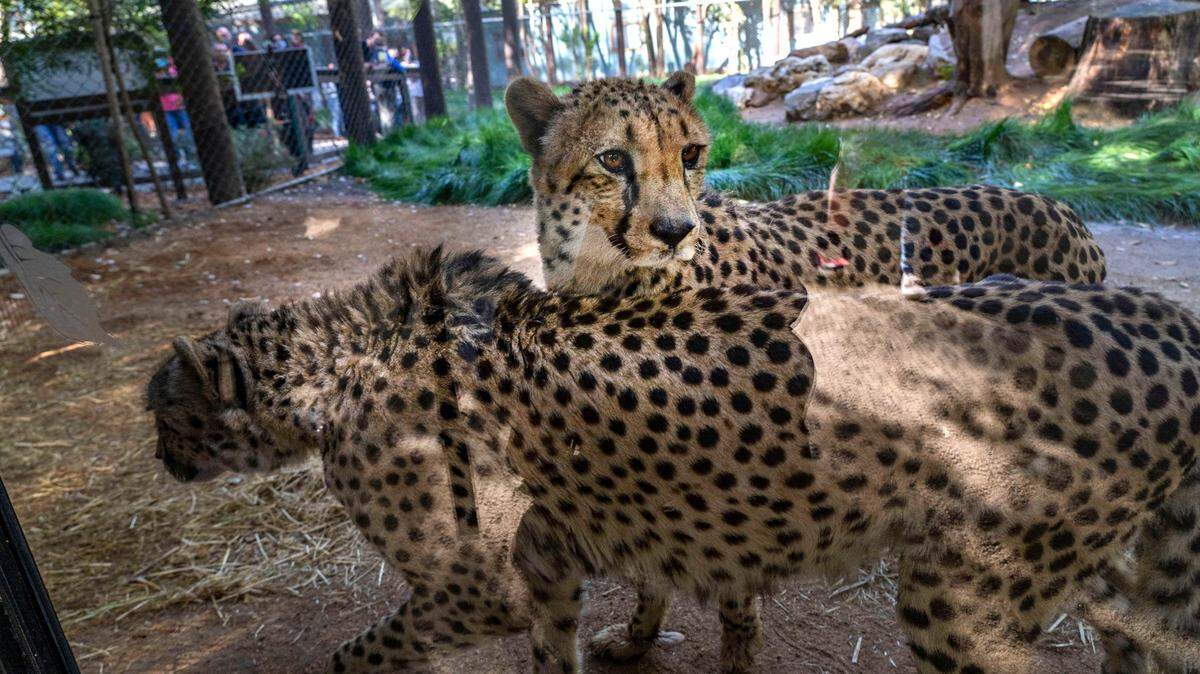
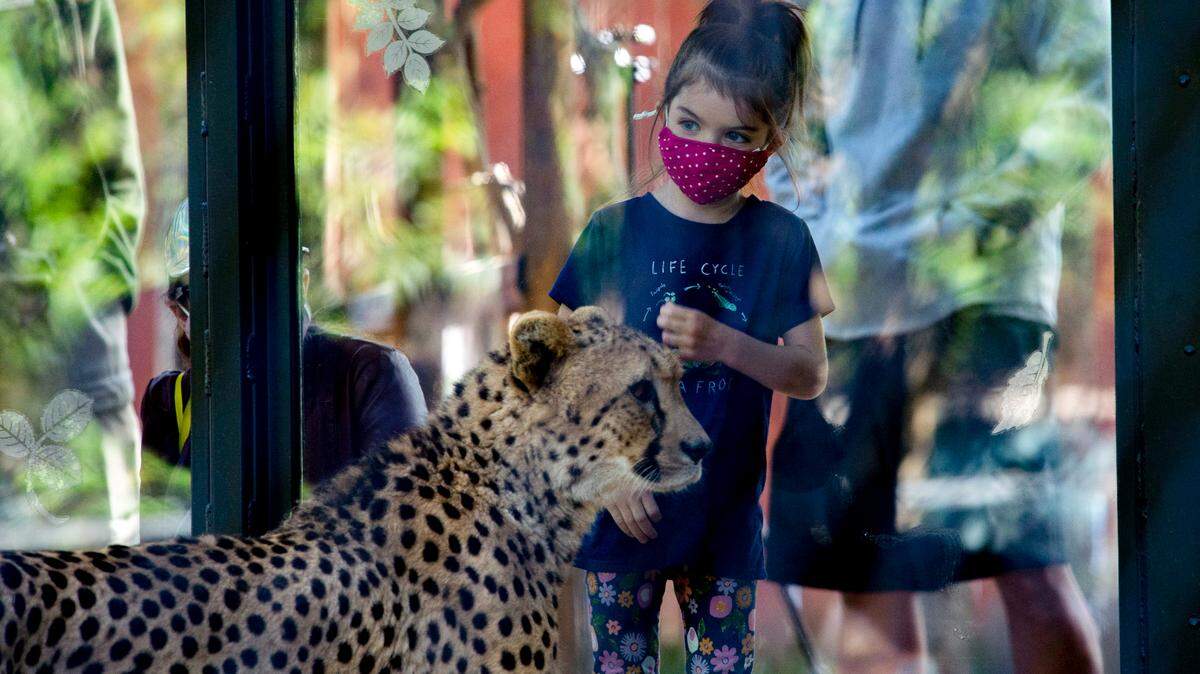
Modern zoos fill critical roles in the communities they serve. They provide a meaningful connection between people, animals and nature; they educate and inspire people to care about and have empathy for animals; and they advocate for the protection and conservation of wildlife both locally and globally. Our region and the animals deserve a modern zoological park.
The City of Sacramento operated the zoo until the ’90s, when the zoo’s accreditation by the Association of Zoos and Aquariums was in jeopardy due to inadequate staffing and archaic facilities. In 1997, the not-for-profit Sacramento Zoological Society took over daily management of the zoo and has managed the it as a model nonprofit, focusing on animal welfare, education and conservation. Nonetheless, it has become increasingly clear that to have a viable zoo that meets animal needs and public expectations, the zoo requires more space and modern facilities.
Today’s conversation about building a new zoo in Elk Grove is not a new or unexpected idea. Instead, it’s the culmination of decades of efforts to address the zoo’s undeniable need for more space.
The Zoo is 95 years old. Over the decades, the search for more space has included discussions about expansion within Land Park as well as about building a new zoo in another part of the City of Sacramento. The city’s most recent feasibility study, the first it had undertaken in approximately 10 years, focused on the same categories of options, and concluded that none of those options for a larger zoo are viable.
Meanwhile, the Zoological Society has made many tough choices in managing its limited space. In addition to cramped quarters, the zoo’s main infrastructure is 60 to 90 years old and failing.
Animals like tiger, hippo and grizzly bear — animals the community expects to see at the zoo, and that need the support of accredited zoos — will never return due to the physical limitations of the current site. Moreover, while we provide excellent care to the animals who currently live at the zoo, it’s undeniable that with more space and modern facilities, we could provide a better life for them and do more to protect wildlife.
Of course, a bigger, modern zoo would also better serve the people in this region. With no parking and limited accessibility for public transportation, the current zoo site fundamentally undermines our education mission and limits our ability to generate the revenue needed to support our operations and conservation efforts. There is a critical need for zoos to support populations of rare and endangered species and to serve as partners for conservation programs globally. The zoo’s ability to generate revenue is also important because the Sacramento Zoo — unlike nearly every other municipal zoo in this country — relies almost entirely on private donations and visitor revenue from admissions, concessions and merchandise sales to fund its operations.
The proposed site identified by the City of Elk Grove would address these long-standing needs and challenges, providing enough land to support current conservation efforts as well as expand them. The new site would also provide greater accessibility for the entire region, with dedicated parking and amenities to support public transportation and school group visits. That’s why we are excited to explore this possibility with Elk Grove over the next few months.
The Sacramento Zoo is, and will always be, a regional zoo, welcoming over half a million visitors annually from all over Northern California and Western Nevada. Our region deserves a new, modern zoo with a greater ability to educate and inspire future generations about animals and nature, which is vital to our quality of life. That’s why we pledge to do everything in our power to create a quality zoo that serves our region, residents and animals.