
Climate change is killing California’s Chinook salmon. But there is a way to save them
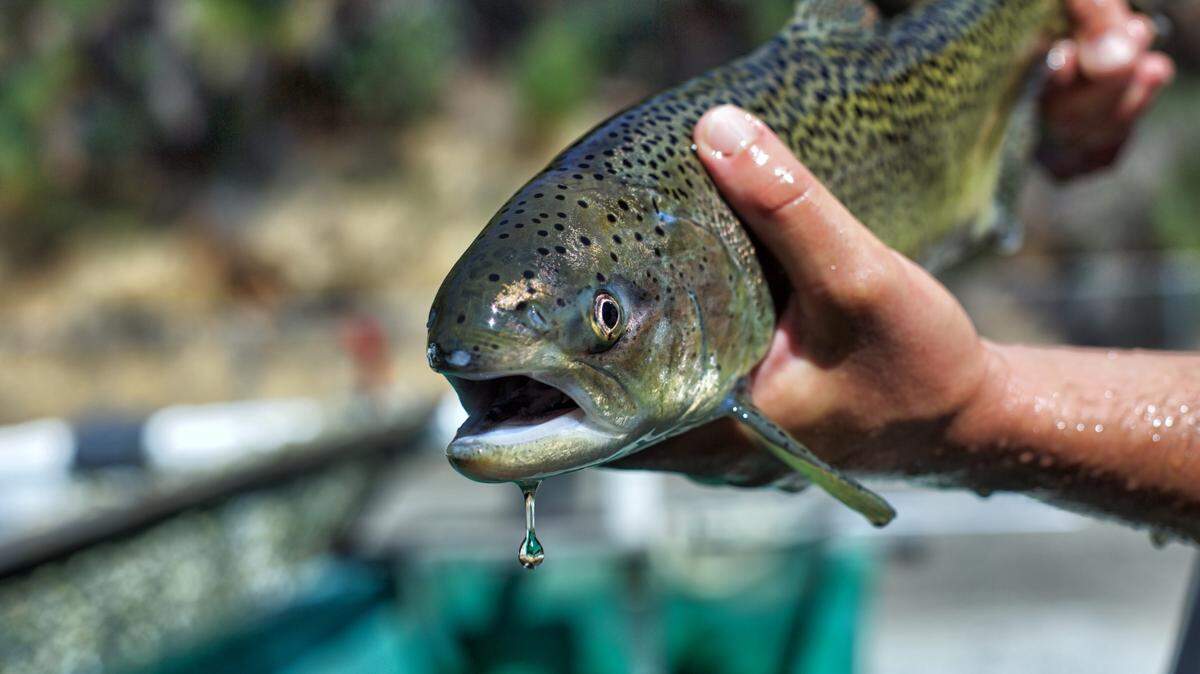
On returning home from the ocean, winter-run Chinook salmon pass under the Golden Gate Bridge before migrating up the Sacramento River to dig nests below Shasta Dam. Their last act before they die is to lay the eggs that hatch into the next generation and help the critically endangered species hang on.
This year, most of those eggs succumbed to high water temperatures. The drought affecting California left Lake Shasta without enough water to cool the river below the dam and allow the eggs to survive the summer. River temperatures reached levels lethal to the eggs.
While nearly 10,000 adult salmon returned from the ocean this year — the most in 15 years — most of their offspring will die as either eggs or newborn fish.
During the last drought, we lost 95% of two generations of salmon. Climate change is expected to repeat this situation with increasing regularity, leading to extinction.
That’s why we need to move quickly to return the native California salmon to their original mountain home above Shasta Dam for the first time in almost 80 years. If we can help them spawn in the cool water where they truly belong, we have a better chance of maintaining these fish for the long term.
Lake Shasta supplies about 20% of the state’s water. The reservoir’s managers send water to communities, farmers and wildlife refuges and to maintain water quality in the Sacramento-San Joaquin River Delta. Cooler Shasta water also helps keep winter-run salmon eggs alive during raging Central Valley summers.
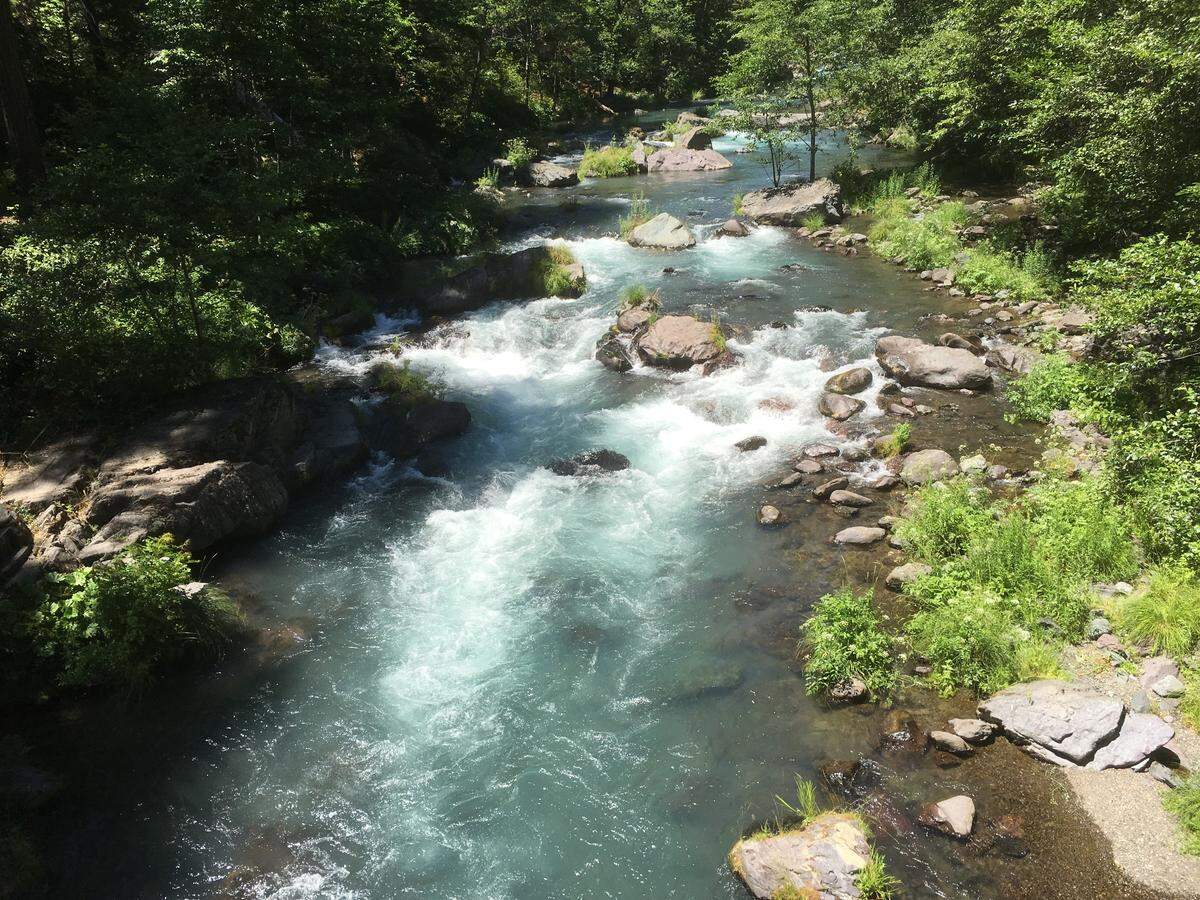
If the fish could spawn in their native streams above Shasta Dam, their eggs would be safer from the heat. That could give California more flexibility in managing its limited water supply during extreme drought.
It’s something of a miracle that the fish are still here. When Shasta Dam blocked the way to their spawning ground in the frigid McCloud River in 1944, they began spawning in the Sacramento River beneath the baking sun of the Central Valley.
However, their time here is running out. Without a viable salmon population above Shasta Dam, we risk losing winter-run Chinook salmon altogether.
Sometimes it makes sense to remove or modify antiquated dams and infrastructure to benefit wildlife and the environment. Others, such as Shasta Dam, are too big or too essential to the public.
But we can return winter-run Chinook salmon to the McCloud River without removing the dam. We can truck adult fish around the dam to their original spawning grounds and then move their juvenile offspring back down into the river and ocean. It may be the only way these long-indomitable fish can survive.
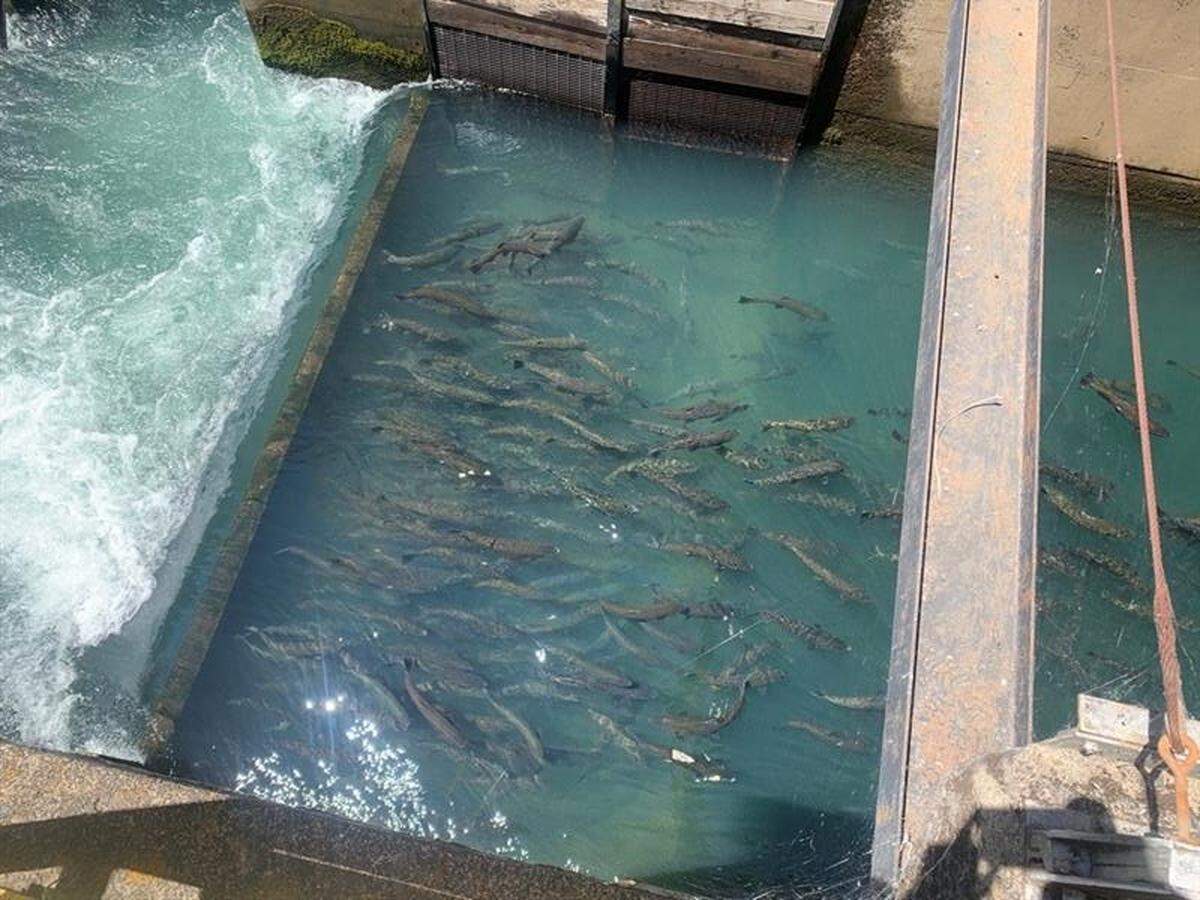
The experience of Northern California’s Battle Creek demonstrates the sort of partnerships that can make this work. Winter-run Chinook salmon are again spawning in Battle Creek after nearly a century of absence. The California Department of Fish and Wildlife and National Oceanic and Atmospheric Administration (NOAA) Fisheries worked with partners such as the U.S. Bureau of Reclamation, the U.S. Fish and Wildlife Service, Pacific Gas and Electric Co. and the Battle Creek Watershed Conservancy to successfully reintroduce winter-run Chinook salmon to one of their native California landscapes.
We have also returned threatened spring-run Chinook salmon to the San Joaquin River. In some years, that has also involved trucking fish past stretches of river without enough water for them to swim in.
Returning winter-run Chinook salmon to the cold McCloud River in the summer would enable their recovery. It could also help relieve one of the demands on California’s water supply, which itself faces increasing stress from drought and climate change.
The salmon have hung on this long. They cannot wait much longer.