
Preparing for California’s rapidly aging population is one of our most pressing issues | Opinion
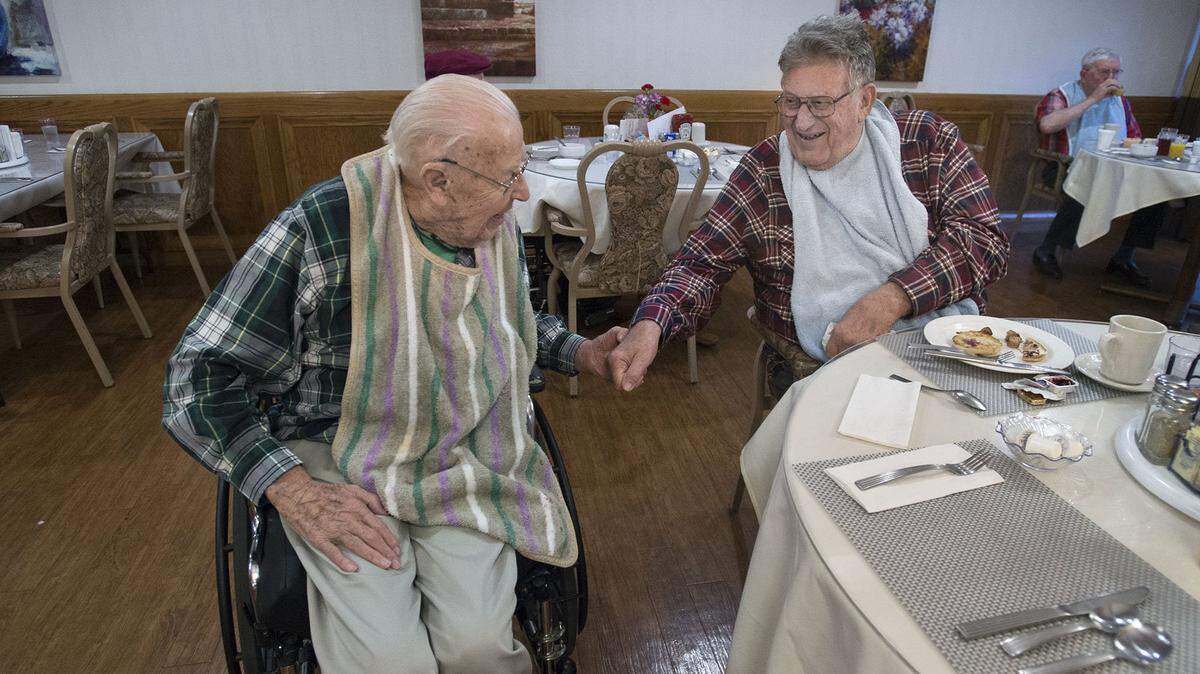
California is getting older. In about five years, 10.3 million Californians will be over age 60. In my assembly district alone, which includes all of Lake, Colusa, Napa and Yolo counties, as well as part of Sonoma County, there were nearly 85,000 adults aged 65 or older in 2022, according to the US Census Bureau. And this number is continuing to grow.
California is fortunate to have a governor who recognizes that preparing for California’s rapidly aging population is one of the most pressing issues of our time. In 2021, Gavin Newsom launched the California Master Plan for Aging, which is outlined by five bold goals that create specific actions and programs to deliver targeted results while ensuring accountability and communication among stakeholders.
Today, the state’s Master Plan for Aging serves as a foundational model for a much-needed National Plan on Aging, currently under development. It’s another example of California leading the country in a critical policy area.
Our Master Plan for Aging is a proven approach to lasting change. As we prepare for the future, we are making great strides in delivering care to older Californians who need it now.
As a person, now 70, who served as the primary caregiver for both my parents as they needed full-time care to ensure they could end this life in comfort and dignity, I not only recognize the need for careful planning, I’m counting on it! Unfortunately, too many of our seniors lack any support. For many — especially those in rural areas — programs like Meals on Wheels provide the only interaction many seniors will have throughout their day. Isolation is compounded by language barriers and a lack of available resources sufficient to meet the needs of such a diverse and growing population.
Additionally, our seniors are suffering from the massive shortage of affordable housing — unable to afford rising rents and at risk of homelessness. Affordable senior housing must continue to be part of the conversation as we address the needs of our aging population.
Moreover, the pandemic highlighted the digital divide and reinforced the importance of connecting with your loved ones by any means. Telehealth and broadband expansion are critical to making sure our seniors can connect with their family, friends and healthcare providers.
My colleagues and I have worked on several legislative measures aligned with our state’s Master Plan for Aging. Guided by five bold goals which contain 23 specific strategies, much has been accomplished in the areas of housing, health and quality of life, inclusion over isolation, caregiving and affordable aging.
As a result of implementing the Master Plan for Aging, California has already made significant strides, with record budget investments exceeding $9 billion since the plan’s launch in 2021.
Investments include:
- Over 364,000 older adults, regardless of their immigration status, now have Medi-Cal health care coverage;
- A 208% increase in CalFresh enrollments for older adults and people with disabilities receiving Supplemental Security Income/ State Supplementary Payments; and
Launch of the nation’s first Dementia Care Aware program, a $23 million investment by the state, in partnership with UC San Francisco, to create a statewide program for primary care providers, which has already served over 30,000 caregivers.
As the chair-elect of the California’s Legislative Women’s Caucus, I can say with confidence that the state’s plan is meeting a critical need to support our older adult population and support caregivers who are disproportionately women. More work must be done, but with the state’s Master Plan for Aging, we have a plan and the tools to achieve meaningful outcomes for our seniors.
Now more than ever, we are fortunate to live in a state where the support, systems and solid plans can be there as we age so we can do so with dignity. But it will take engagement from all Californians — not just 70-year-olds like me — to ensure that we reach these goals.