
California’s next water war won’t concern agriculture. It will be about AI | Opinion
For decades, California’s water debates have centered on a familiar tension: agriculture versus urban consumption. Agriculture, which consumes 80% of the state’s developed water supply, has long dominated discussions about conservation and efficiency. Yet, a new contender is emerging, one poised to dwarf agriculture in water demand and reshape the state’s water future: artificial intelligence (AI).
California’s agricultural sector is the backbone of the nation’s food supply, using approximately 34 million acre-feet of water annually — over 11 trillion gallons. This water sustains crops like almonds, grapes and rice, many of which are highly water-intensive and vital to the state’s economy. For decades, agriculture has been framed as the primary focus of water conservation efforts, with farmers frequently cast as both stewards and villains of California’s strained water resources.
While agriculture dominates the present, the future tells a different story. AI, fueled by data centers housing millions of servers, is on a trajectory to become a massive water consumer. These data centers rely heavily on water-intensive cooling systems to maintain the functionality of high-performance chips that power AI applications.
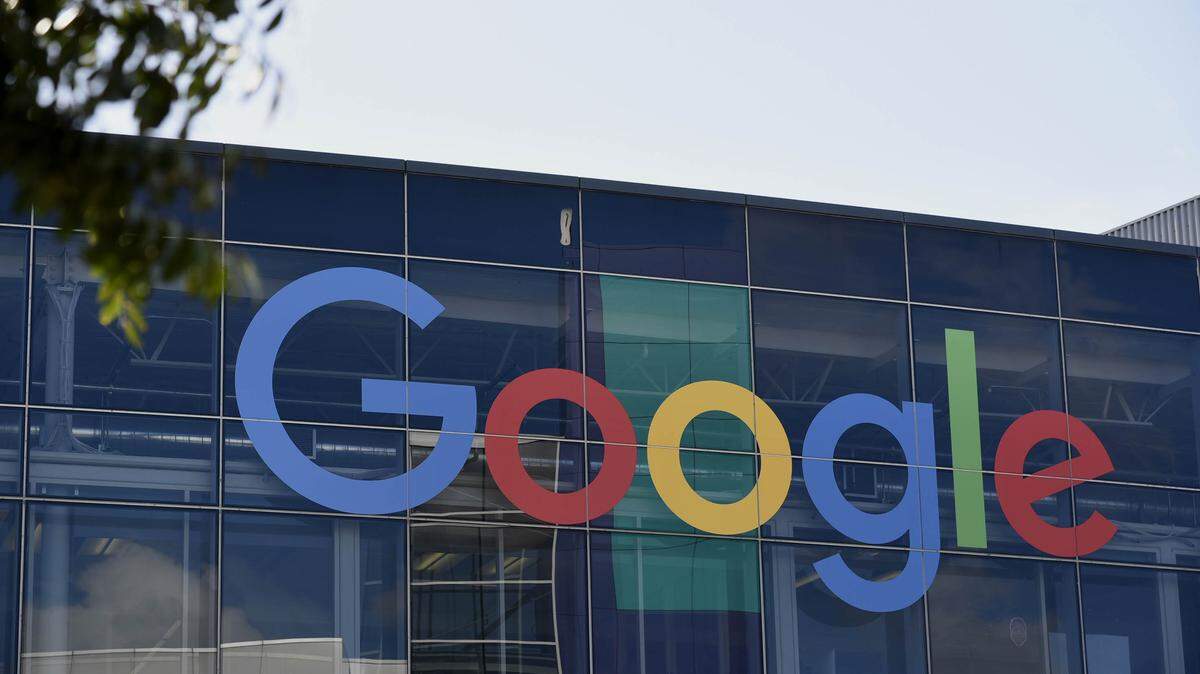
Google, as one example, reported that its data centers consumed 6.1 billion gallons of water in 2023, marking a 17% year-over-year increase. Across more than 270 data centers in California, water consumption already reaches billions of gallons annually. As AI adoption accelerates, the water footprint of data centers will grow exponentially. By some estimates, global AI water consumption could rival the annual usage of four to six countries the size of Denmark by 2027. In California, this could mean billions more gallons drained each year, particularly in data-center-heavy regions like Silicon Valley and near the Salton Sea.
Each AI-driven query on platforms like ChatGPT requires water for cooling the servers that generate responses. Ten queries, for instance, use the equivalent of a 16-ounce water bottle, according to the Los Angeles Times. While seemingly small, the cumulative effect of billions of interactions daily is staggering.
It may sound implausible today, but consider this: agriculture’s water use has plateaued, constrained by efficiency improvements and physical limits on expansion. Meanwhile, AI’s growth is explosive, unbounded and global in scale. If AI continues its current trajectory, California could see data center water demand double or triple within a decade. In time, AI’s water consumption could rival agriculture’s, forcing a reckoning between two sectors critical to California’s economy and identity.
The implications of this shift are profound. For years, water conflicts in California have been framed as a binary struggle between farms and cities for water that is not dedicated to the environment. AI changes this narrative, introducing a third, rapidly growing human contender. How will California allocate its limited water resources when AI’s needs conflict with those of farms and urban areas? AI’s water demands will disproportionately affect regions already grappling with scarcity, such as Silicon Valley and rural desert areas.
Just as agriculture faces scrutiny for its environmental footprint, AI’s water consumption raises ethical questions about balancing technological progress with sustainable resource use. Now, California has an opportunity and a responsibility to plan for this future. Unlike agriculture, which has been working on water efficiencies for years, AI’s infrastructure is still evolving, offering a rare chance to influence its trajectory.
Moving forward, AI companies must invest in closed-loop cooling systems, dry cooling and other technologies to minimize water use. We must require data centers to report water consumption publicly, allowing communities and policymakers to understand the scale of the issue. We should provide tax breaks or grants for data centers that adopt water-efficient practices or rely on off-grid renewable energy-powered cooling, and establish regulatory caps on water use for new data centers in high-scarcity regions.
The battle for California’s water future is now reshaped due to the unprecedented demands of AI — a force that could reshape the state’s economy, environment and society. Gov. Gavin Newsom’s leadership on clean energy and innovation must now extend to water management, ensuring AI’s rise does not compromise California’s sustainability goals.
By confronting this challenge with foresight and bold action, California can transform a potential crisis into an opportunity, proving that technology and environmental stewardship can coexist in the Golden State.
The question is not whether AI will reshape California’s water landscape—it’s whether we’re prepared to manage it.
This story was originally published December 18, 2024 at 12:12 PM.