
In a Sacramento federal courtroom, immigration hearings evoked the Dark Ages | Opinion
In the Middle Ages and early modern England, the king’s justice was often arbitrary and carried out in secret, in so-called Star Chamber proceedings. In those proceedings, officials known for their loyalty to the sovereign heard cases involving criminal offenses and acts defying the king’s proclamations.
The Star Chamber courts were not governed by ordinary law. They did not accord people accused of crime the kinds of protections that were available in the regular, public court system.
Secret, quick and unencumbered by procedures to safeguard rights, Star Chamber proceedings may have served the king’s justice, but they stoked public resentment. In 1641, they were abolished by an act of Parliament.
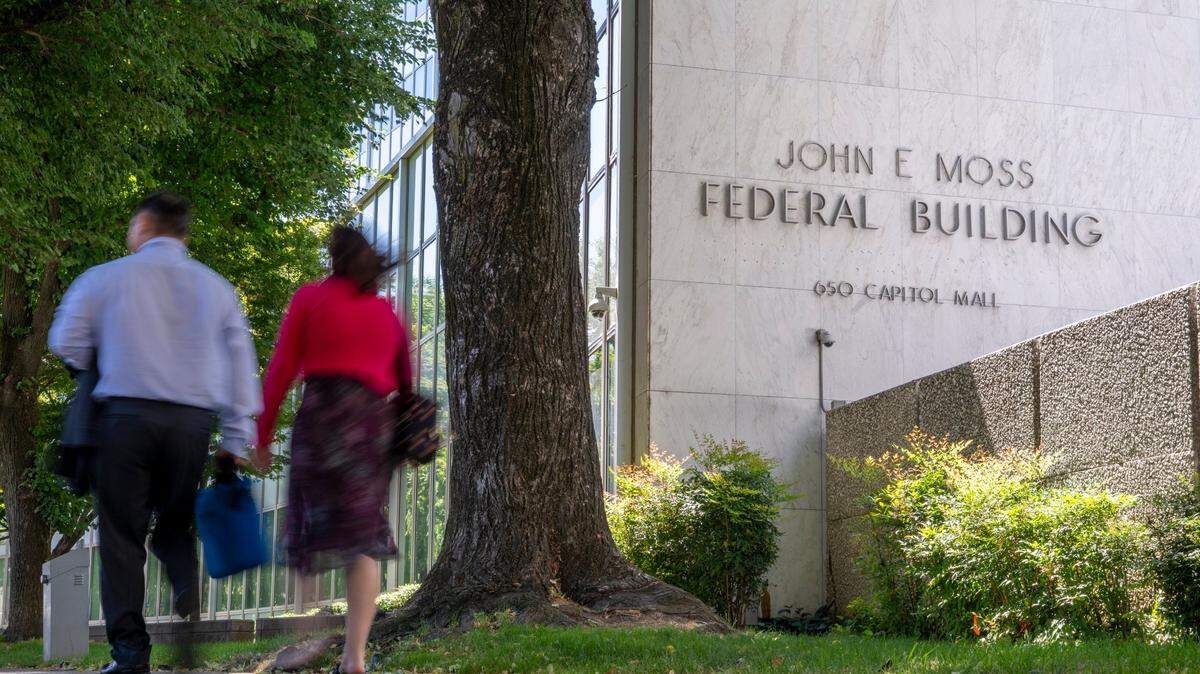
But what happened last week in Sacramento’s Immigration Court suggests that the Star Chamber may be making a comeback under the Trump Administration. The Sacramento Bee reports that federal authorities “restricted public access to the building, amid a week of heightened scrutiny and local protests against the Trump administration’s immigration enforcement tactics statewide.”
“Security guards barred entry to the head of a legal organization, volunteers seeking to accompany immigrants to hearings and reporters from accessing the courthouse near the state Capitol,” wrote Bee reporters Stephen Hobbs and Sharon Bernstein.
There is a legal and political maxim that seems applicable here. Secrecy breeds suspicion. And, in the words of Supreme Court Justice Louis Brandeis, “Sunlight is said to be the best disinfectant.”
Barring access to a courthouse or a courtroom runs up against a long-standing American tradition favoring public justice. Judges have said that “open access to the courts is grounded in our common law heritage and our national and state constitutions. For centuries, publicity has been a check on the misuse of both political and judicial power.”
“Proceedings cloaked in secrecy,” they note, “foster mistrust and, potentially, misuse of power.”
More than 40 years ago, the U.S. Supreme Court recognized a constitutional right of access to criminal trials. Chief Justice Warren Burger wrote that the First Amendment encompassed not only the right to speak, but also “the freedom to listen and to receive information and ideas.”
He said that “the First Amendment “prohibit(s) government from limiting the stock of information from which members of the public may draw.” In addition, that amendment’s guarantee of the right of assembly applies “in public places such as courthouses.”
“A trial courtroom also is a public place where the people generally — and representatives of the media — have a right to be present, and where their presence historically has been thought to enhance the integrity and quality of what takes place,” Burger noted.
While the Supreme Court has never explicitly applied Burger’s reasoning to immigration proceedings, and while federal appellate courts disagree on this question, allowing public access to immigration courthouses and courtrooms has also long been the norm. Judges are granted discretion to close proceedings only under limited conditions.
They include “When an asylum applicant requests it. When the hearing involves a noncitizen in exclusion proceedings. When the hearing involves an abused alien spouse or child. When classified information or information subject to a protective order is involved.”
None of them appear to have been present when access was denied to the John E. Moss Federal Building last week in Sacramento. It was the case, however, that the building was the site of protests against the administration’s immigration policies, though they did not endanger anyone.
When courthouses have become highly prized locations for Immigration and Customs Enforcement (ICE) agents to operate and apprehend immigrants whom they want to deport, those spaces should remain open to the public and the press. What happened in Sacramento is an unfortunate departure from normal practice.
At a time when there is great public interest in ICE and the Trump Administration’s plan for mass deportations, keeping the public and the press at bay will only stoke mistrust and is in no one’s best interest.
This story was originally published June 18, 2025 at 6:00 AM.