With Trump back, Dems love state power, filibuster again. Here’s what they keep missing | Opinion
One of the happier side effects of Donald Trump’s victory is that Democrats, out of power and with few options, are falling back in love with the checks and balances of the American political system.
For years, many on the left have disdained, in particular, differences in state governments and the Senate’s equal representation for the states and procedural hurdles to majoritarian rule. Suddenly, these are a central part of the strategy for Democrats to survive the coming four years, along with a hefty dose of lawsuits over policies they can’t stop in the legislative and executive realms.
The filibuster is, of course, the prime example. Kamala Harris supported weakening the tool that allows fewer than half of senators to hold up legislation. She said she would support a change only in the realm of reproductive rights, but the odds are low that Democrats would have stopped there. To many on the left, every unrealized agenda item is a crisis that demands sweeping, if not systemic, change.
Now? The filibuster is a venerated tool of the all-important concept of minority political rights. Or, at least Democrats will swallow their disdain to use the filibuster to stop any Republican idea they can.
If this sounds like an incoherent argument of convenience, well, it is. For the left, remaking society from the top down is too important to worry about the process or consequences — until the other side holds power.
Consider elections. For years, Democrats have designated federal control of voter registration, vote counting, drawing districts and all aspects of American politics their highest priority. State lawmakers? Who needs ’em?
One provision, voter identification, is a perfect example of the immodest sweep with which Democrats think they should dictate election procedures. Thirty-six states have enacted laws requiring identification to vote, and such policies poll well with virtually all segments of the electorate. You just can’t credibly argue that showing ID to get on a plane makes sense but doing so to cast a ballot does not.
But Democrats know better. Leftism is often a watered-down totalitarianism in which dissent, let alone a different way of living, cannot be tolerated. With a strong enough majority, Democrats would casually sweep those election laws off the books. States, schmates.
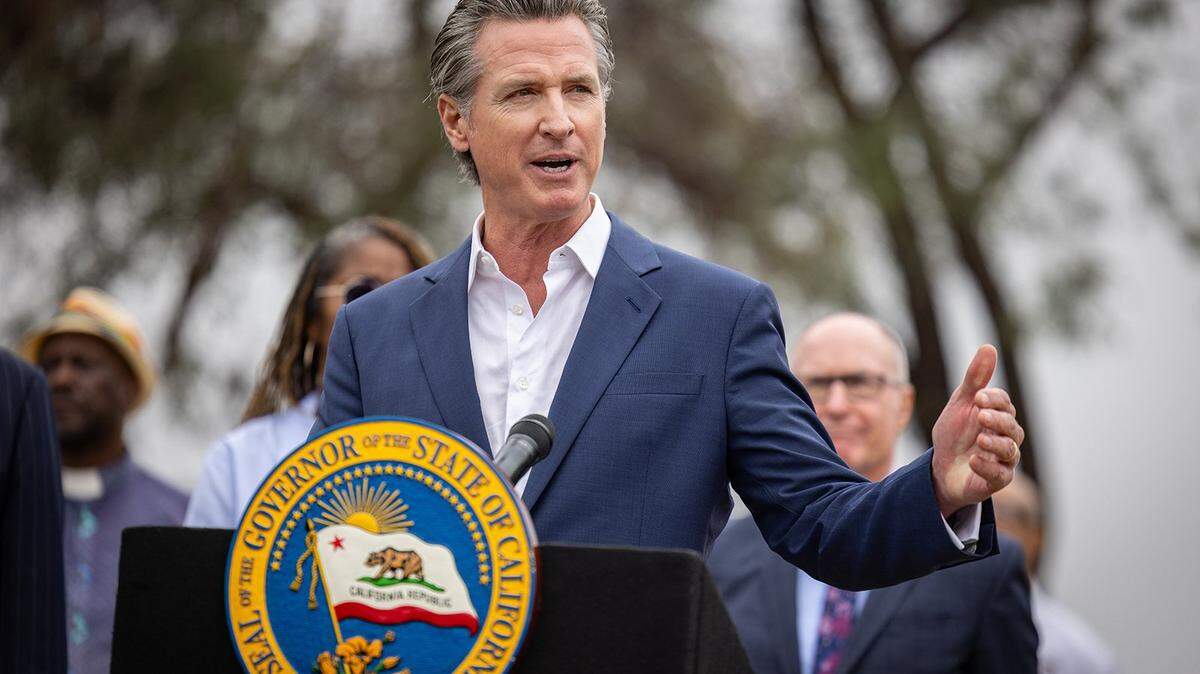
Until now, that is. Suddenly, blue-state officials are relishing their role in resisting Trump policies of all stripes. Apparently, an election in which nearly every jurisdiction in America voted more Republican than the last does not deter the likes of California Gov. Gavin Newsom and Illinois Gov. J.B. Pritzker.
Of course, many of these elected officials see a White House run in their futures, and it’s common for a state pol to try to expand the brand by attacking the other party when it’s in charge in DC. But in one important case, immigration, Democrats risk tying themselves in knots.
Some governors and mayors vow to insert their governments into any enforcement of Trump’s pledge to deport millions of people who are in the country illegally.
It’s complicated because sometimes, especially when seeking out immigrants accused of crimes on top of their illegal entry, help from state and local police is needed. But those police want immigrant communities, the vast majority of whom are law-abiding, to trust their agencies and cooperate when it comes to preventing and solving crime.
Tension is inevitable. But a blanket declaration that all migrants should be left alone — or, realistically, that all or most should be deported — isn’t helpful. And even Democratic voters have seen the destruction wrought by a porous border and broken asylum system. The country is in a more restrictionist mood than in decades, and Democratic officials risk badly misreading their own voters.
More politically savvy Democrats will restrain their resistance to state lawmaking, lawsuits and setting up roadblocks to the Republican majority in Washington. They’ll embrace such tactics for two or four years, but when they inevitably regain power, they’ll flip back.
It’s an amazingly consistent exercise in missing the point. In a closely divided country, where your side can lose just about any national election depending on the conditions, isn’t it better to limit the power that causes you such terror in the first point?
If the federal government controlled many fewer aspects of life — and spent considerably less money — political obsessives wouldn’t have to careen from joy to despair every two or four years. States and, even better, communities could govern themselves as they wish, debating neighbors over how best to get along and devote resources.
A big, diverse country needs to embrace many different ways to live. Arguing with strangers several states away online is a recipe for impotence. Working to govern your community is empowering.
But many leftists always hold out hope for the day when, with unified power, they can dictate how the rest of us live, vote, eat, drive and speak. They’ll risk all manner of policies, even from Trump, to preserve the dream. They’ll flip-flop every election cycle on the role of states and rules of the legislative process.
Never, ever will they learn the modern version of a line misattributed to Thomas Jefferson. Yes, it’s still true that a government big enough to give you everything you want is big enough to take it away. But more to the point: a government powerful enough to give you everything you want is also big enough to give you everything you don’t.
This story was originally published December 6, 2024 at 3:32 AM with the headline "With Trump back, Dems love state power, filibuster again. Here’s what they keep missing | Opinion."