
‘Get up, please’: Area football coaches relive anguish, trauma after Damar Hamlin injury
Brian Lewis didn’t see the play in real time, but he saw the replay, and he winced. Then he choked up as the memories flooded back.
Lewis sat aghast with several coaching friends Monday night, taking in the hushed silence that fell over Paycor Stadium as medical personnel frantically worked to revive Damar Hamlin. The Buffalo Bills defensive back collapsed after suffering blunt force trauma to his chest while making a tackle against the Cincinnati Bengals.
Hamlin stood up. Then he fell down.
“Get up, please,” Lewis thought.
When a catastrophic injury occurs in football, bringing the nation’s most popular sport to a standstill, it resonates with anyone who can relate to such anguish, horror and heartache.
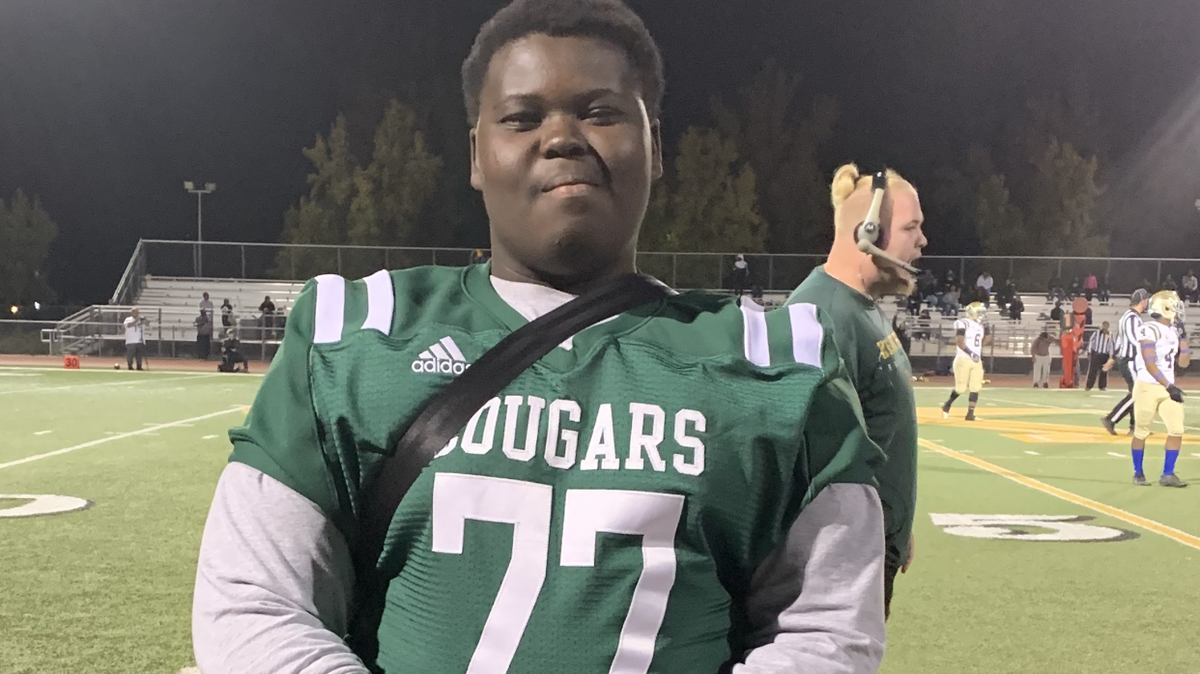
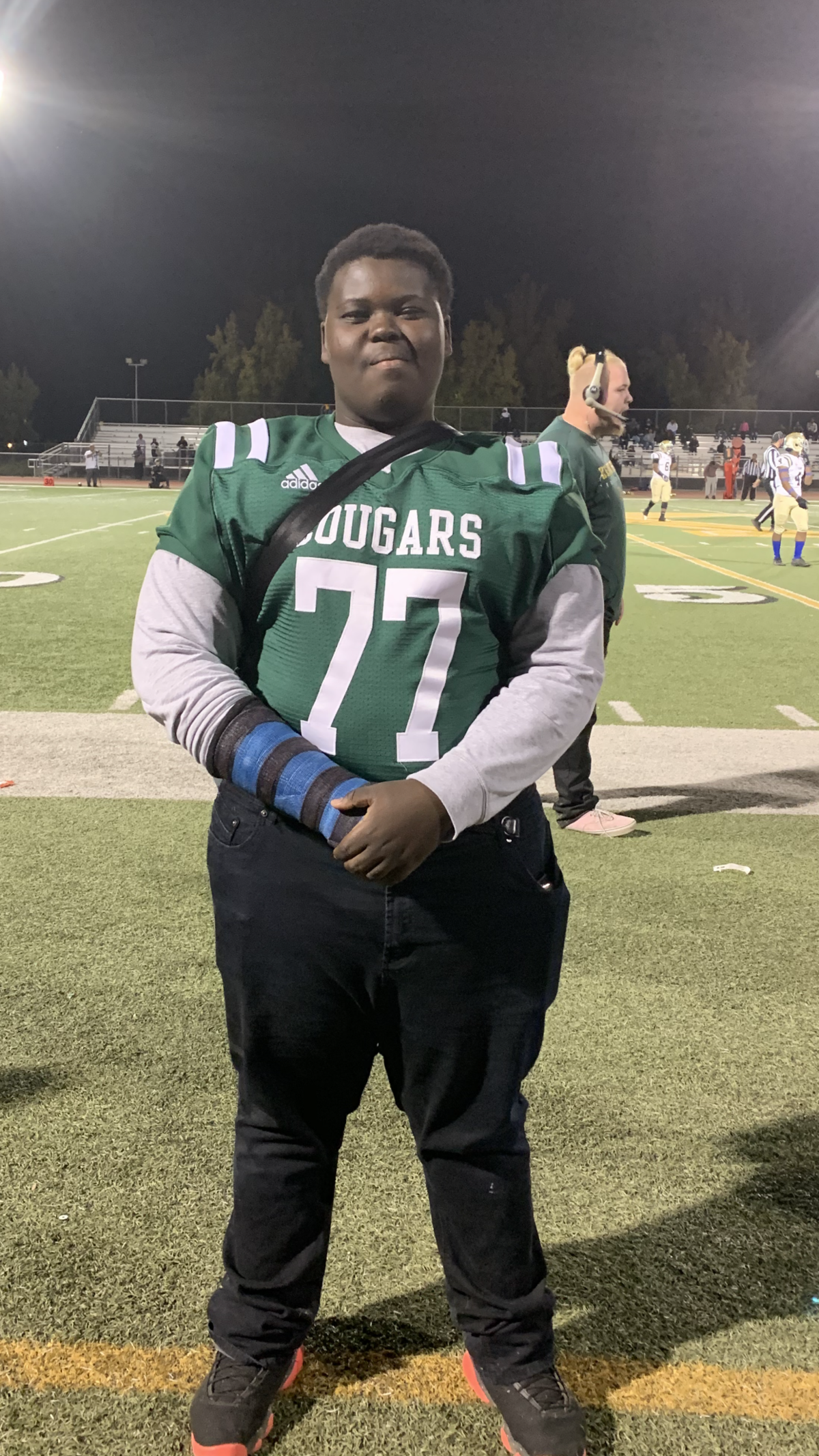
Lewis knows. He was the Kennedy High School coach in Sacramento in March 2020 when one of his team leaders, Emmanuel “Manny” Antwi, went down.
It was a home game in Greenhaven, a spring contest after COVID pushed the fall season into a shortened March/April schedule. A thick-bodied senior center and team captain known for his gregarious personality and love of family and football, Antwi collapsed on the sideline in the fourth quarter against Hiram Johnson. There was no collision. No blow to the chest or head or neck. Antwi slumped to the turf while trying to remove his shoulder pads. He had not complained of discomfort.
A team trainer worked frantically to revive Antwi while Lewis held Antwi’s hand to comfort him. Antwi did not regain consciousness. He died hours later at UC Davis Medical Center. He was 18.
Antwi’s mother, Diana, told The Bee then that she feared her son’s heart simply gave out. There was a family history of it, she said. She has kept the results of the autopsy private. Antwi passed all of his physicals and was in good shape, and Kennedy trainer Joel Cantu said he watched over all of his players “as if they’re my own kids.”
“It never goes away when you lose someone like that,” Lewis said this week. “Watching Damar Hamlin, it triggered all those memories. You see a player down, people tending to him, CPR, an ambulance, and we knew the severity of it. We’d lived it. In our minds, we had the same hope for Hamlin as we did for Manny — that he’d be OK. We’re hoping for a different outcome, praying for it.”
The waiting is the most excruciating part, Lewis said. Will he be OK? Will he walk? Will he be able to do things we take for granted?
What also happens from these sorts of tragedies is people rally. They pray. They offer support.
On Thursday, doctors at UC Medical Center in Ohio said Hamlin had shown “substantial improvement.” They said he is able to communicate in writing, by holding hands or with his eyes, though he is not yet able to speak. Doctors treating Hamlin said when he awakened Wednesday night, he asked in writing if the Bills won the game.
They told Hamlin, “Yes, you won. You’ve won the game of life.”
On Friday, Hamlin was strong enough to FaceTime into a Bills team meeting with players and coaches. He said to them, “Love you boys.”
Support system
Lewis said it is important to have a strong support system in place for players who see a teammate go down. It’s not easy to resume action, to continue a sport rooted in controlled violence, of crashing into others. Lewis said he was deeply moved by the outpouring of support in 2020 from scores of area coaches and people he didn’t even know. This week, his phone and email have been flooded with people reaching out, knowing Lewis was affected by Hamlin’s plight.
“I can’t speak for other sports, but I know football is different,” Lewis said. “It’s the one sport where you actually prepare more than you actually play, so that creates a lot of bonds, all levels. When something like this happens, you wonder, ‘How can we think of football right now?’ That’s what the Bills and Bengals players were thinking. That was my biggest thing when we lost Manny. It was 100% on our kids on the team. ‘What do we do now? Continue to play the season or end it?’”
The Kennedy players were unanimous in their desire to play on, led by Jude Antwi, Manny’s younger brother and teammate. The thinking was that Manny would want his teammates to play in his honor, so they did.
“This is when it becomes bigger than football, a life-changing event,” Lewis said. “It won’t be easy for the Bills to continue this season.”
Lewis had badges with Antwi’s No. 77 stitched to their jerseys. He didn’t want the legacy of a good kid to fade.
“Kids that are new to our program, they ask, ‘What’s this 77? Who is it?’” Lewis said. “I explained who Manny was, why he was so special, why we all loved him. Our thoughts are always with Manny. My thoughts now are with the Bills and Damar Hamlin. We’re all in this together.”
He added, “Hamlin, that young man was playing so well for the Bills. He seems like such a good man. I hope his career isn’t over. I hope he’ll be OK. I hope he can take a year off and bounce back, a miraculous recovery and return.”
Living with regret
Preston Jackson is a football fan to the core, since about the time he could run. He was a star running back in the late 1980s at Valley High School who set career rushing records at UC Davis before getting into teaching and coaching in Sacramento.
Jackson watched the Bills game and was stunned by what he saw. He was moved by the flashbacks of a teammate and, years later, a player of his who suffered catastrophic football injuries. Just thinking about it causes Jackson to pause and tear up.
“It never goes away,” Jackson said. “I see a guy go down and it’s personal to me. It really hits home.”
Jackson also lives with regret, common for those who experience any measure of serious injury. Coaches wonder what more they could have done. Players do, too.
In a 1987 game at Cosumnes River College, Jackson and Valley teammate Brandon Cranford were on the kickoff team in a nonleague game against Balboa of San Francisco. A Balboa return man juked Jackson, steering that runner toward Cranford, who crashed into him violently. Cranford did not get up. He was immediately tended to. He was placed on a stretcher and then into an ambulance. He would never walk again, paralyzed from the shoulders down after suffering a broken neck.
“Watching Hanlin go down, and nothing happening for the longest time, I knew it was bad, and it immediately gave me flashbacks to Brandon,” said Jackson, a teacher and coach at Cal Middle School in Sacramento. “I live with this forever. To this day, it kills me. I’ve always felt it was my fault, that I should have made that tackle. Watching Hamlin, it hits you as a football player, a fan, someone who cares about people. I’ve constantly checked online for an update on Hamlin’s condition, hoping for the best. You just care and you worry.”
Cranford made the best of his plight. He rehabilitated. He vowed to take the field one last time, and he did, before the season finale, in his wheelchair. He graduated from Sacramento State and earned a master’s degree in social work. Along the way, he met the woman who would become his wife, Trish, during a campus function, in which he was the only male. He told The Bee years later, “It was a real meat market!”
In 2009, Jackson was the head coach at Valley when one of his defensive backs, Will Barker, dropped to the turf after a tackle in a game at Davis. He suffered a neck injury. Jackson rode in the back of the ambulance, holding Barker’s hand, anguished that this was happening all over again. Barker dealt with some paralysis for years, Jackson said, but never lost his passion for the game.
Making the game safer
Jackson said one reason he stepped away from football coaching was because he was greatly impacted by watching people close to him go down. Still, he remains a fan, and he would encourage anyone to play.
The game is safer than it’s ever been, area coaches say, with less tackling in practices and continued emphasis on proper ways to tackle.
“It is safer, but what I couldn’t stand was trying to play again right away, like when Brandon went down — we resumed play,” Jackson said. “That never should have happened. The Monday night game, they did the right thing by stopping the game. You can’t just continue. It’s not that easy.”
The night Antwi died, Kennedy’s game continued for several moments, with referees unaware for a moment of the scene on the sideline. Once informed, officials stopped the game and ended it. Jackson also thought of Antwi on Monday and throughout the week. Antwi was one of Jackson’s middle-school students.
“I hope kids continue to play football, because it sure did a lot for me,” Jackson said. “I wouldn’t be the man I am today without the lessons of football. I felt very fortunate to have played the way I did and leave it relatively unscathed. We see hard hits all the time in football. Most of the time, they get up. Sometimes, sadly, they don’t.”
Lewis and Jackson said they hope Hamlin’s story will raise more awareness for football safety, be it a mandate to have a defibrillator for every practice or more people are trained for CPR. Those elements very well may have saved Hamlin’s life Monday night.
Lewis and Jackson also wonder how much safer the game can be. Helmets have gone from a virtual bucket with a chin strap to ones with extra padding. Might there be a move to have thicker chest padding to prevent another Hamlin incident? Talking about it is a good start.
And Lewis stressed that support is paramount in backing players who have suffered from this game.
“We checked up on Jude all through this last season, Manny’s brother, to make sure he was OK physically and emotionally,” Lewis said. “What a great young man, just like his brother. I’m so proud of him. Jude continued to play in honor of his brother, but this sport will always be a sad reminder.”