
Making Sacramento a haven for honeybees
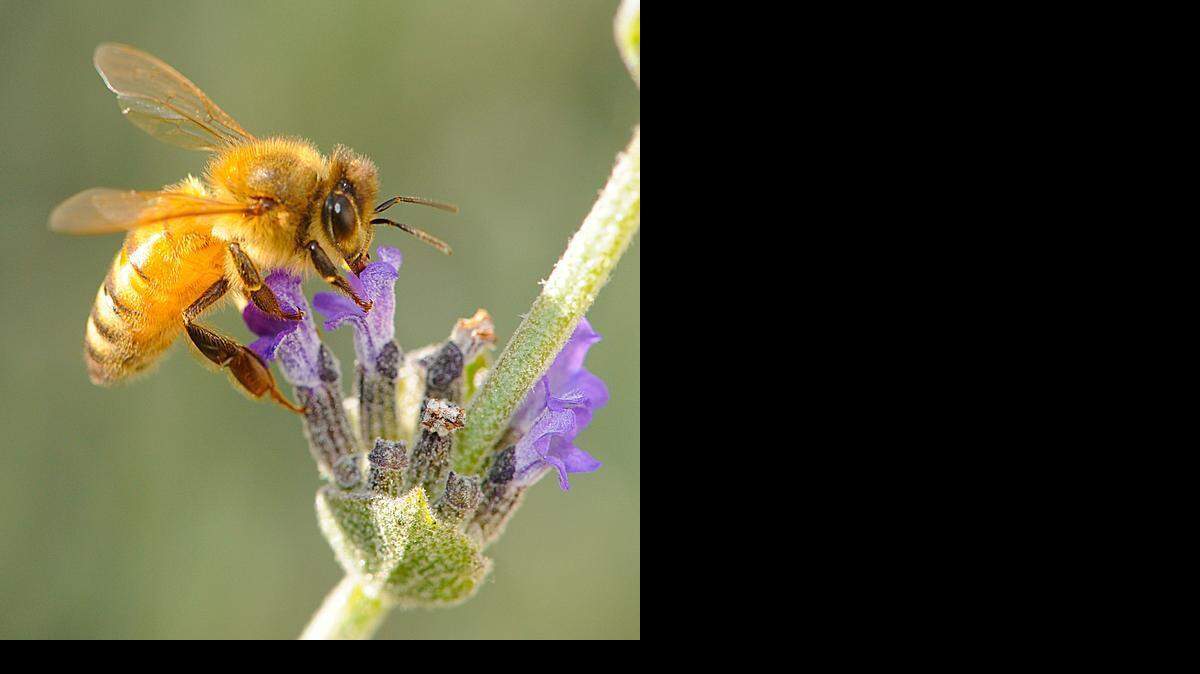
This buzz is all over town.
Sacramento now is officially a “honeybee haven,” thanks to a City Council resolution. Passed in early March, the measure recognizes Sacramento as a place where bees can thrive and feel at home.
“It’s exciting to have Sacramento be a honeybee haven,” said Councilman Jeff Harris, himself a beekeeper for 42 years. “This is a big deal. We’re the farm-to-fork capital, and bees are responsible for a tremendous amount of food grown here in the Sacramento Valley. We would lose the almond crop completely without honeybees.
“But it’s not just almonds,” he added. “Honeybees are responsible for production of at least a third of our food in North America. Without these pollinators, we would be in a world of hurt.”
In recent years, bees have been hurting as colony collapse disorder devastated hives. According to expert estimates, North America’s honeybee population has been declining by as much as 36 percent a year since 2006.
Blamed on myriad factors from pesticides to pathogens, that mysterious disorder has raised concerns nationwide but particularly in agriculture-heavy California. The almond crop accounts for more than 830,000 acres alone.
“Designating Sacramento as a honeybee haven raises awareness about how important bees are to our food chain,” Harris explained. “Cities across the nation are joining this effort. Eugene (Ore.), Boulder (Colo.); they’re all over the map.”
In fact, there’s an actual honeybee haven map, charting progress of this movement.
Among the folks happiest about this resolution is bee expert Christine Casey, director of the Häagen-Dazs Honey Bee Haven at UC Davis.
“I am thrilled that Sacramento has recognized the importance of bees and the role that urban landscapes play in bee conservation,” Casey said. “A single honeybee hive needs an acre of forage; we have tremendous potential to provide for bees in cities with the right landscaping. While the council’s designation focused on honeybees, California is home to 1,600 species of native bees, many of which are also important pollinators.”
Gardeners can take their own steps to help bees, Casey noted. They don’t need to set up a hive.
“The immediate steps that residents can take to make their gardens bee-friendly are to not use pesticides, (to) leave some unmulched bare ground for ground-nesting bees and (to) place bee blocks for cavity-nesting bees,” Casey said.
They should also look at what they grow. That means a diverse landscape with lots of flowers that bloom throughout the year as well as a water source – but no insecticides or fungicides.
“An added bonus is that many of the Sacramento region’s best bee plants need very little water,” Casey said, “so turf conversions (to water-wise landscaping) can not only save water but can also save bees.”
Besides their work in commercial orchards and farm fields, honeybees also pollinate suburban vegetable gardens and fruit trees. Growing interest in edible gardening and urban farming has led to more buzz over bees, too.
“Absolutely, interest is booming,” said Nancy Stewart of Sacramento Beekeeping & Honey, which sells supplies to many hobbyists. “Over the past four years, we’ve seen a lot of growth. We started selling a lot more equipment and packets of (live) bees. Our business doubled in size, then doubled again. We saw it let up a little last year, but this year it’s way up again.”
April is bee season, when the new packets of live honeybees arrive, she noted.
“We’ve already had orders for more than 400 packets, and they haven’t even arrived yet,” Stewart said.
Each packet contains 3 pounds of Italian honeybees, the species that seems to favor Sacramento’s Mediterranean climate and landscapes. That’s more than 10,000 bees. A packet costs $130 this season, Stewart said, reflecting rising prices and high demand.
Getting started isn’t cheap. Basic supplies – hives, safety equipment and bees – costs about $400 to $500 to get started, she said. But, except for more bees, that’s a one-time expense.
Bees need more than crops to keep them healthy and, well, busy. That’s where suburban havens come in. These havens give shelter, water and food diversity to these vital pollinators. These communities vow to protect them from pesticides, particularly neonicotinoids – the major class of systemic, bee-harming insecticides.
Councilman Jay Schenirer introduced Sacramento’s bee haven resolution but quickly enlisted Harris’ support.
“It was a natural for me,” said Harris, who joined the City Council in December.
“Since we passed the resolution, we’ve seen a lot of interest from our parks and fire departments,” Harris added. “They want to learn about what chemicals or pesticides may harm honeybees and avoid using those. Mostly, this initiative is about informational support, helping people help bees.”
Within Sacramento city limits, it’s legal to keep two hives per residential lot. At his River Park home, Harris keeps two hives, each about 4 feet tall.
“My colonies are building up quickly,” Harris said. “I probably have 40,000 bees in each hive.”
He became interested in bees while studying agriculture at UC Davis.
“I took the entire panel of classes on bees, from genetics to hive management,” recalled Harris, who studied with UCD’s legendary bee expert, Harry Laidlaw. “I got totally hooked on bees.”
After graduation, Harris became a commercial beekeeper. He trucked hives from Fresno to Redding to pollinate crops.
“I even trucked bees interstate,” he said. “But then the drought of 1976-77 made me think twice about that vocation.”
When drought devastated the state’s farming industry, Harris switched to construction and became a general contractor, his current occupation. But as an avid gardener, he kept beekeeping as a hobby.
“I keep bees because I love them,” Harris said. “I love to watch them; it’s mesmerizing. I love the honey. The smell of the hive is amazing. You lift the lid and smell all the flowers the bees visited to make that honey. It’s an incredible bouquet.”
“Jeff is a wonderful beekeeper,” noted Stewart, who has known him for decades. “I really like his philosophy of beekeeping. He makes sure the bees have what they need.”
Stewart estimates 2,000 to 3,000 hobby beekeepers tend hives in the Sacramento area, two to three times the number four years ago.
“I used to think it might be a fad, but not anymore,” she said. “People are so interested in growing their own food, and beekeeping is part of that.”
Vegetable gardens and fruit orchards are more bountiful with bees. The honey is a delicious bonus.
A typical Sacramento hive produces 30 to 50 pounds of surplus honey a year, Stewart said. Twelve pounds equal one gallon.
Harris’ hives yield even more. “I got 200 pounds last year,” he said. “That’s a tremendous honey harvest.”
The one downside: Bees may sting. Although beekeepers all get stung as a matter of course, it’s actually pretty rare, Harris said.
“Bees are really pretty docile,” he said. “They never sting when foraging. It’s a defensive behavior to protect the hive. In all the years I’ve kept hives, I’ve never had any complaints from neighbors.”
Besides pollinating his own backyard vegetables, his honeybees are hard at work in their gardens, too.
“I know they’re out their foraging, looking for flowers,” Harris said. “They’re helping our gardens. And by raising awareness, we can help them, too.”
Call The Bee’s Debbie Arrington, (916) 321-1075. Follow her on Twitter @debarrington.
BEE-FRIENDLY RESOURCES
Sacramento Area Beekeepers Association: This local group offers a wealth of information for beginners and experienced beekeepers alike. It meets at 6:45 p.m. the third Tuesday of each month at the UC Cooperative Extension auditorium, 4145 Branch Center Road, Sacramento.
In addition, SABA offers low-cost classes on beekeeping for beginners. The next class will be April 19. For complete details, visit www.sacbeekeepers.org.
Sacramento Beekeeping & Honey: Located at 2110 X St., this fixture in midtown Sacramento has all sorts of equipment and supplies to fill any beekeeper’s needs, including packets of live bees. Also find many kinds of local honey and pollen plus bee-related products such as beeswax candles. It also offers help for swarm removal in spring. The store is open 10 a.m.-5:30 p.m. Tuesdays-Saturdays. www.sacramentobeekeeping.com, (916) 451-2337.
Häagen-Dazs Honey Bee Haven: Devoted to bees, this half-acre garden on the UC Davis campus is open daily, free to the public, dawn to dusk. See how the experts keep bees happy with a wide selection of bee-friendly plants. http://hhbhgarden.ucdavis.edu.
The Honey Bee Haven, adjacent to the Harry H. Laidlaw Jr. Honey Bee Research Facility on Bee Biology Road, is hosting two special events, free and open to the public:
▪ The garden will celebrate its fifth birthday 10 a.m.-2 p.m. May 2 with beekeeping demonstrations and other activities. Learn how to identify native bees.
▪ 5:30-7 p.m. May 8, the garden will offer special tours during National Public Gardens Day. Pick up a free bee-friendly sunflower.
Xerces Society: This nonprofit is dedicated to helping wildlife through the protection of invertebrates such as bees and butterflies. www.xerces.org.
Honeybeehaven.org: Pesticide Action Network and Beyond Pesticides partnered on a website to map cities that have taken the honeybee haven pledge. Sacramento is one of the newest additions. www.honeybeehaven.org
TO BEE OR NOT TO BEE
Bees are fascinating creatures. California is home to about 1,600 species of native bees, but none of those natives makes honey. It’s only the imported European honeybee species that produces that golden byproduct.
Here are more facts about bees:
▪ Honeybees account for about 80 percent of all insect pollination. They’re far more efficient in crop pollination than their native cousins. California would have no almonds without honeybees. But that’s only one of scores of crops they pollinate, from alfalfa to watermelon.
▪ Bees spread out in their search for food. Usually, they forage within 2 miles of their home; closer is better. A honeybee usually visits 50 to 100 flowers before returning to the hive. Bees collect protein-rich pollen for food and nectar to make honey, which is a stored food supply.
▪ Honey is precious and work-intensive for bees. On average, it takes a dozen honeybees their entire lifetime to produce 1 teaspoon of honey. To make a pound of honey, 556 bees must visit 2 million flowers. The average American consumes about a pound of honey a year.
▪ Worker bees are all female and do all the work. It’s a short, hard life. They collect nectar and pollen, haul water to the hive, build the wax comb, clean the nursery, feed the larvae, keep the hive cool and guard it, too. But they each have specific duties and try not to do it all. Most workers live just six to eight weeks in summer. In winter (when work is slower), they’ll live four to nine months. A typical commercial hive may have more than 40,000 workers. Male bees – the drones – do not have stingers. Their only job is to mate with the queen.
▪ There is one queen per hive. Her lifespan is two to three years. Her job is to make more workers. She can lay more than 2,000 eggs a day.
▪ Bees need pollen sources throughout the year. If planting a bee-friendly garden, choose plants that bloom a long time. Mix several different kinds of plants to extend the bloom season from early spring until winter. Group similar plants, ideally, in clusters 4 feet across. That makes it easier for the bees to find them. Bees may miss small individual plants, even if they like them.
▪ Bees like flowers of all colors, but gravitate toward blue, purple, violet, white and yellow. Different flower shapes attract a wider variety of species.
▪ Favorite plants for bees include: aster, seaside daisy, lavender, California lilac, coneflowers, poppies, yarrow, cosmos, oregano, thyme, rosemary, roses, buckwheat, sage, penstemon, snapdragons, morning glories, sunflowers, tower of jewels and goldenrod.
▪ Bees need water as well as flowers. In a bee garden, put a thin layer of water – just 1/4-inch deep – in a shallow dish. Birdbaths also provide water for thirsty bees.
Debbie Arrington
This story was originally published April 3, 2015 at 5:00 PM with the headline "Making Sacramento a haven for honeybees."