
What are the rules for late night Sacramento hot dog stands — and can they be shut down?
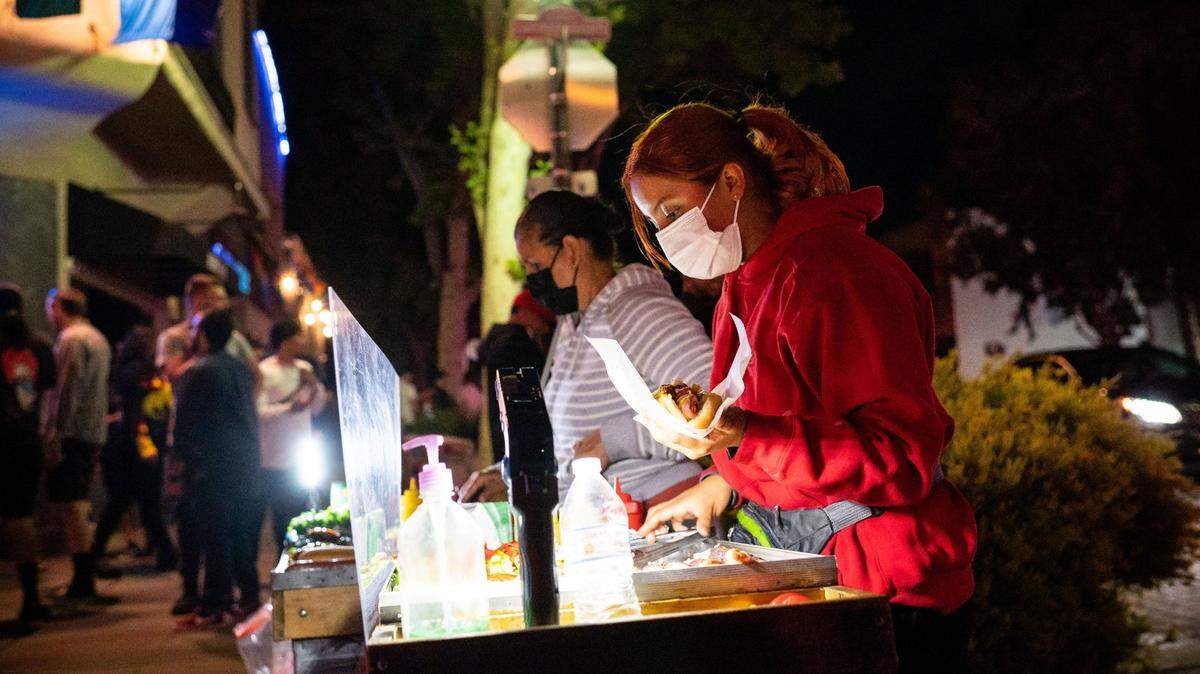
Food vendors are a popular go-to late night snack option in Sacramento, especially for the throngs of people pouring out of downtown clubs and bars.
Toward the end of a weekend night, people looking to satisfy their midnight cravings line up in front of hot dog stands parked outside of the city’s hotspots, some of which are on K street.
And while many people now frequent their favorite food cart after a night out, sidewalk vendors were not always allowed to operate in Sacramento.
What is the food vending law?
Food carts started popping up in Sacramento after the California legislature passed the Safe Sidewalking Vending Act in 2018, which paved a way for vendors to legally operate in the state.
The state bill treats sidewalk vendors like any other business, meaning they must obtain the appropriate and necessary licenses and pay taxes.
For any new proposed restrictions on carts, the legislation requires cities to find “objective health, safety or welfare concerns.” In addition, it bars local governments from restricting sidewalk vendors to operate only in a designated neighborhood. Cities are also not allowed to enforce criminal penalties, according to the text.
Sacramento regulates food vendors through an ordinance that specifies limitations for when and where they can operate. The city code stipulates that vendors are not permitted to operate within 600 feet of any club or bar within the hours of 10:00 p.m. and 2:30 a.m. In addition, vendors are not allowed to operate within 300 feet of an open farmers market.
How do downtown businesses feel?
Due to food vendors lined up outside, clubs often have a difficult time moving crowds outside of their venues, said Dion Dwyer, director of public services at the Downtown Sacramento Partnership — a nonprofit that represents businesses in the area.
“When we walk out of a club and are waiting for our Uber, the food sounds really good,” Dwyer said, “but the problem is that it’s not the proper place or time because we need to move the large crowds into smaller groups in other parts of the city.”
He added that when clubs let out people at the end of the night, it is imperative for crowds to get into their rides and disperse, rather than congregate.
The April 3 mass shooting in downtown Sacramento that left six dead and 12 injured took place around 2 a.m. — right when clubs were closing for the night. Some vendors park on 10th and K Streets, which is where gunshots from the gang shoot-out were fired.
While Dwyer said he believes street vending adds to the vibrancy of the city, he maintains there is a “proper time and place for everything.” He said that in order for food vendors to operate, they should work in cooperation with other clubs and concert venues in the downtown area.
Dive Bar and District 30 general manager Ken Twitty said food carts create a legal issue for the bar, which is required, like all other establishments in the city, to keep people from loitering 50 feet from their doors after close.
“It creates a roadblock in clearing the crowd,” Twitty said of the stands that are sometimes parked outside of his bars.
In order to discourage hot dog stands from setting up, Twitty said he tried hiring a food truck outside of Dive Bar — however, his request was denied by code enforcement because the truck would have been within 600 foot of an entertainment venue.
“We wanted to persuade people to go to an actual vendor instead of the hot dog stands, because we want the hot dog stands out of here,” he said.
Have any of them been shut down?
One social media user recently posted on Reddit about a concern that officials were shutting down the hot dog stands. Several users replied to the post, expressing their appreciation for these food carts, with one user describing its sobering effect on drunk people.
The user responded saying “street dogs at 2 am after three hours of drunk dancing” are “chefs kiss.”
Sacramento’s communications spokeswoman Kelli Trapani said the city currently does not have the authority to shut down food vendors that aren’t operating in compliance with code. The city instead has issued citations to a few vendors.
“We have cited a handful of vendors that have refused to obtain the required city permits and that continue to operate illegally in areas of the downtown core where it is prohibited,” Trapani wrote in an email to The Bee.
She added the city’s code compliance team has spoken to vendors, especially in the downtown area, about the rules for operating in the city.
The county’s environmental department does have the ability to disband food operations and confiscate adulterated food.