Are evolving tastes and high costs killing Sacramento breweries? Experts weigh in
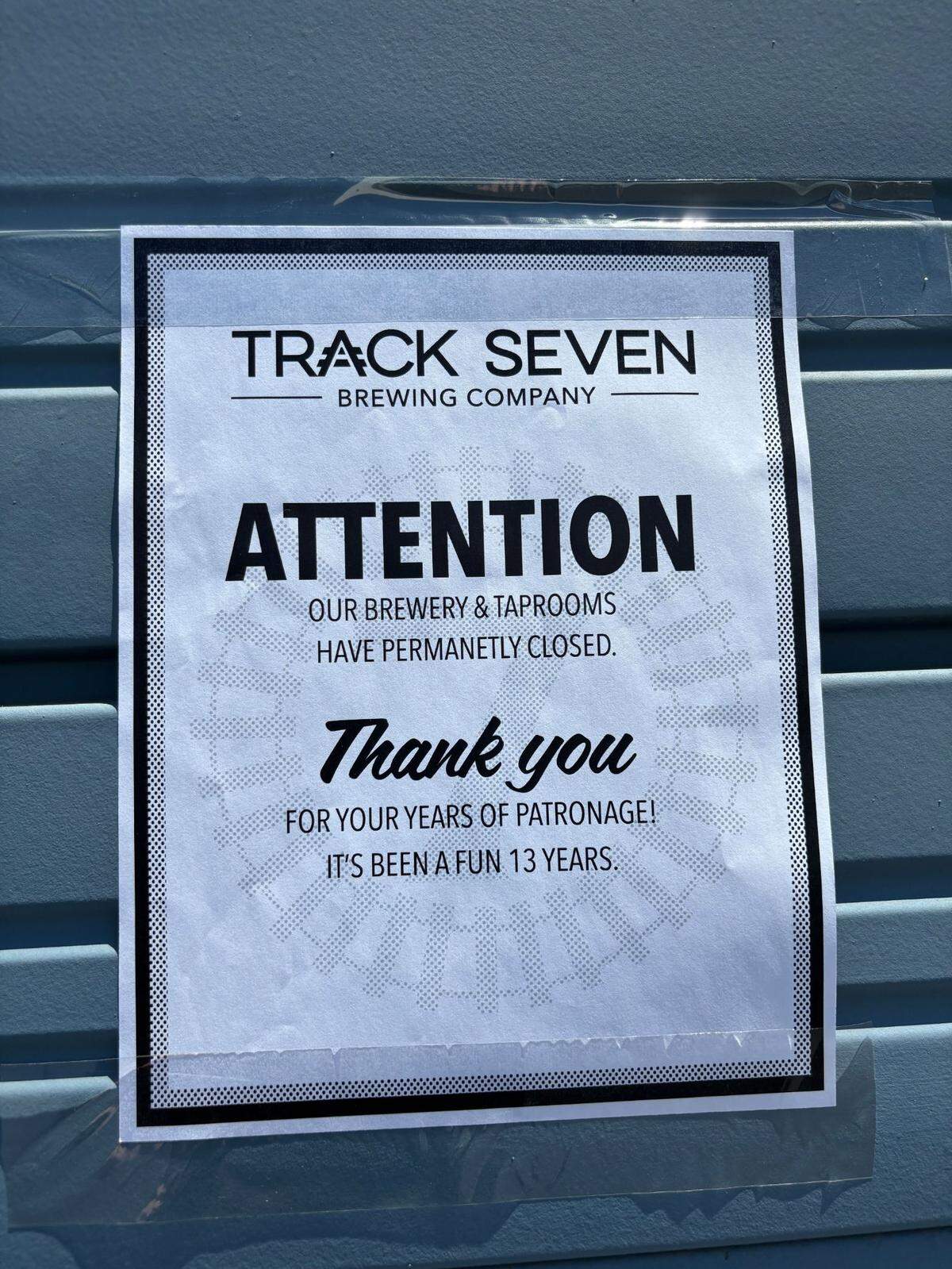
Sacramento’s craft beer scene suffered a blow earlier this year when Device Brewing Co. and Track 7 Brewing — two of the region’s most prominent names — closed within weeks of each other, highlighting mounting economic pressures that threaten the capital’s once-thriving industry.
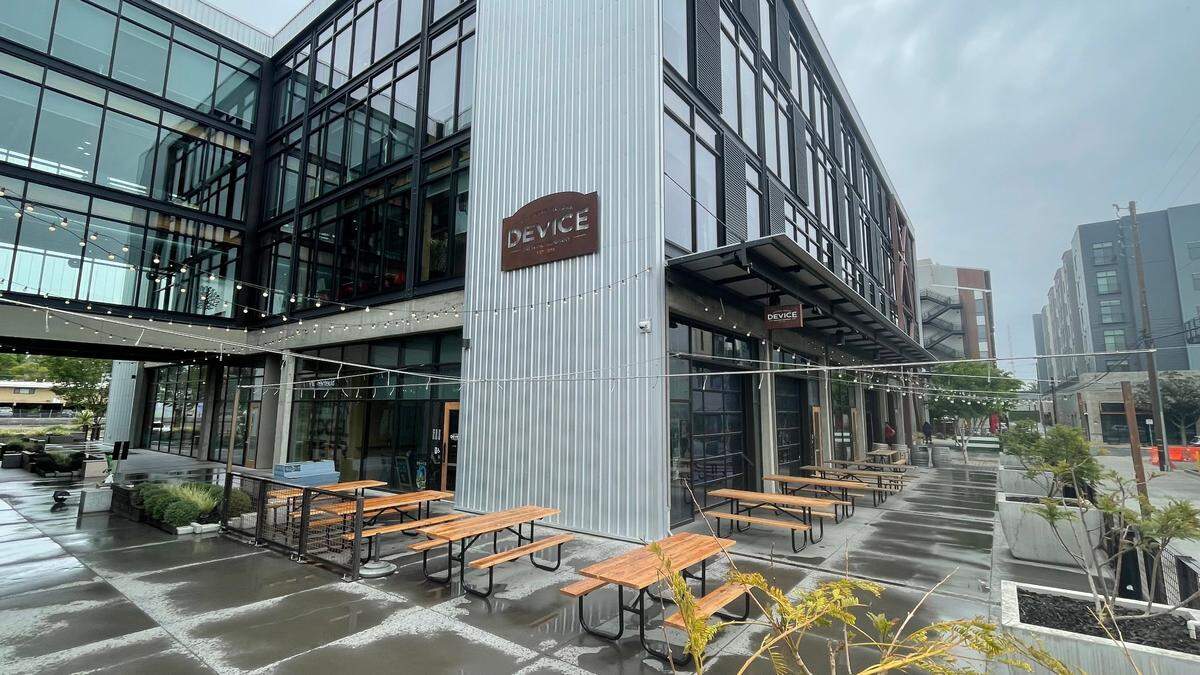
After operating in the region since 2013, Device Brewing’s three locations shut down in April. Employees had two days of advance notice, The Bee reported. Just over one month later, Track 7 announced the immediate closure of its Curtis Park and Natomas taprooms, which had been around for more than a decade.
Neither brewery shared an official statement on why they were ceasing operations.
While King Cong Brewing Co. owner Cong Nguyen said he appreciates having a wide selection of brewers nearby, he thinks having so many operating in one market will inevitably lead to a shakedown for some.
“As these breweries start to close, we’re all starting to see kind of ... a balance,” he said.
Jai Joon Lee, a professor of business management at Sacramento State, said the industry’s strife is not limited to the Sacramento region, with breweries across the country struggling with fluctuating consumer demand for craft beer.
“I believe it’s a part of the manufacturing business lifecycle,” Lee said. “We’ve seen tremendous growth and I think we’re kind of at a plateau.
“We’re kind of reaching the point where only the strongest will survive.”
For the first time in 19 years, the number of breweries across the U.S. that closed in 2024 was higher than the number that opened that year, a Brewers Association report showed.
“I think it’s significant that 2024 is the first year where we see closings outpacing openings,” said Neil Reid, a University of Toledo geography professor, known as The Beer Professor for his extensive studies on the global brewing industry.
Considering the West Coast’s history as a driver in the craft beer boom, its mature status in the marketplace means there are more experienced craft beer drinkers in the region, said Reid.
“In other words, they may be more able to distinguish between ... a really good brewery producing really good beer versus one producing mediocre beer,” he said.
Reid said Sacramento may be oversaturated, but the same high-quality beer would not be found in states with slower markets like Toledo, Ohio, where Reid lives.
“Cities are discovering that they’ve got too many breweries,” he said. “Given the demand ... the (breweries) that are going to survive in declining markets are the ones which are producing the best beer and are also providing the consumers with the best experience.”
Working in the brewing industry for 25 years, Peter Hoey, owner of Urban Roots Brewery & Smokehouse, experienced several bust and boom cycles throughout his career, which he said are a normal part of any type of industry.
“We’ve had insane levels of growth in the craft beer industry, so, this is the first time a lot of people that opened during this time are seeing a slow period,” Hoey said.
Still, Hoey said he does not think the industry is becoming oversaturated thanks to collaborative efforts within Sacramento’s craft beer community.
“Breweries will work with other breweries and lend each other ingredients with the idea that a rising tide raises all ships,” he said. “There’s still plenty of market share, plenty of space for craft brewers to find activities to market to customers.”
Urban Roots has previously partnered with a number of area breweries on specialty drinks, including Moksa Brewing in Rocklin, Auburn Alehouse in Auburn and Flatland Brewing in Elk Grove, Hoey said.
“Craft beer ... was a thing that you used to have to describe to (customers),” he said. “What has changed in the market is there’s craft beer at every chain restaurant ... in sports stadiums ... in grocery stores.”
Health-conscious consumption
Lee believes the saturation signals a need for breweries to rethink their strategies and operations to stay competitive.
“(Craft brewing) was very successful at the beginning,” he said. “A lot of folks, including myself, were looking for specialty beers or niche beers, especially California IPAs ... But markets are changing.”
State tax return data shows Californians are drinking less beer at historically low rates. Tax figures for the 2023-2024 fiscal year estimated beer drinkers consumed 16.61 gallons per capita, the lowest amount since 1968.
However, consumption of distilled spirits has steadily grown over the last two decades, according to the state data. In the 2022-2023 fiscal year, Californians purchased more than two gallons of distilled spirits per capita for the first time since the mid-1980s.
“People are kind of flocking their way to other (alcoholic beverages) ... being more health-conscious,” Nguyen said. “The reputation of beer, it’s more calories ... Spirits or seltzers (are) a lot lower in calories.”
Brewers and experts agreed the decline in drinking is especially prevalent among members of Generation Z over 21 years old.
Half of the generation — which approximately includes people born between 1997-2012 — is of-age to drink, and Reid said their turn away from alcohol has already set them apart from earlier generations.
“A lot of that is driven by this desire to live healthy lifestyles,” he said. “(Generation Z members) don’t want to wake up on a Saturday morning with hangovers. (They) want to feel better about themselves and treat their bodies a little better than some of us older folks have done in the past.”
Reid said the future of the craft brewing industry will rely on attracting new beer drinkers continually.
“Are they going to continue this trend of drinking less, or is it going to change again, where people pick up their alcohol consumption?” Reid asked. “We really don’t know that.”
Economic barriers
The strain on brewery finances from falling consumption may be exacerbated with rising retail rent prices and the lingering effects of COVID-19 slowing foot traffic in downtown and midtown Sacramento, according to Lee.
“Think about (Device Brewing’s) Ice Blocks (location), when there weren’t state workers (amid the pandemic) ... that affected their revenue there,” Nguyen said.
Device Brewing’s former midtown Ice Blocks location at 1610 R St., Suite 145, is available for lease at $4 per square foot monthly, according to a LoopNet listing. At 2,886 square feet — not including a large wrap-around patio — rent for just one of the brewery’s three locations is valued at more than $138,000 per year.
When adding operational costs to the bill, the price of expanding across multiple locations can stack up quickly, according to Nguyen.
“Anytime that you grow, you’re growing at a multiple, and you have to deal with the kind of the sacrifice of a multiple,” he said. “If I’m spending $5,000 on something, (larger breweries are) probably spending $50,000.”
Lee emphasized the importance of small breweries diversifying their offerings — namely in the food area — and making sacrifices to cut dead weight that may be hindering the company’s success.
“At some point you need to be very business savvy,” he said. “You need to be able to (identify) what areas are weak. You cannot just go on just because you like (brewing).”
As the owner of a relatively small brewery, Nguyen said he has witnessed firsthand the financial impact of consumers turning away from beer following the craft brew industry’s major growth spurt.
“I’ve had to reduce a lot of rental space, cut back on inventory, the things that we don’t need,” he said.
With people drinking less craft beer and the marketplace shrinking, each brewery will have to fight more intensely in the competition for survival, Reid said. “When that happens ... these are small businesses ... they’re all operating off fairly tight margins, and some of them are just not going to survive that kind of market competition.”
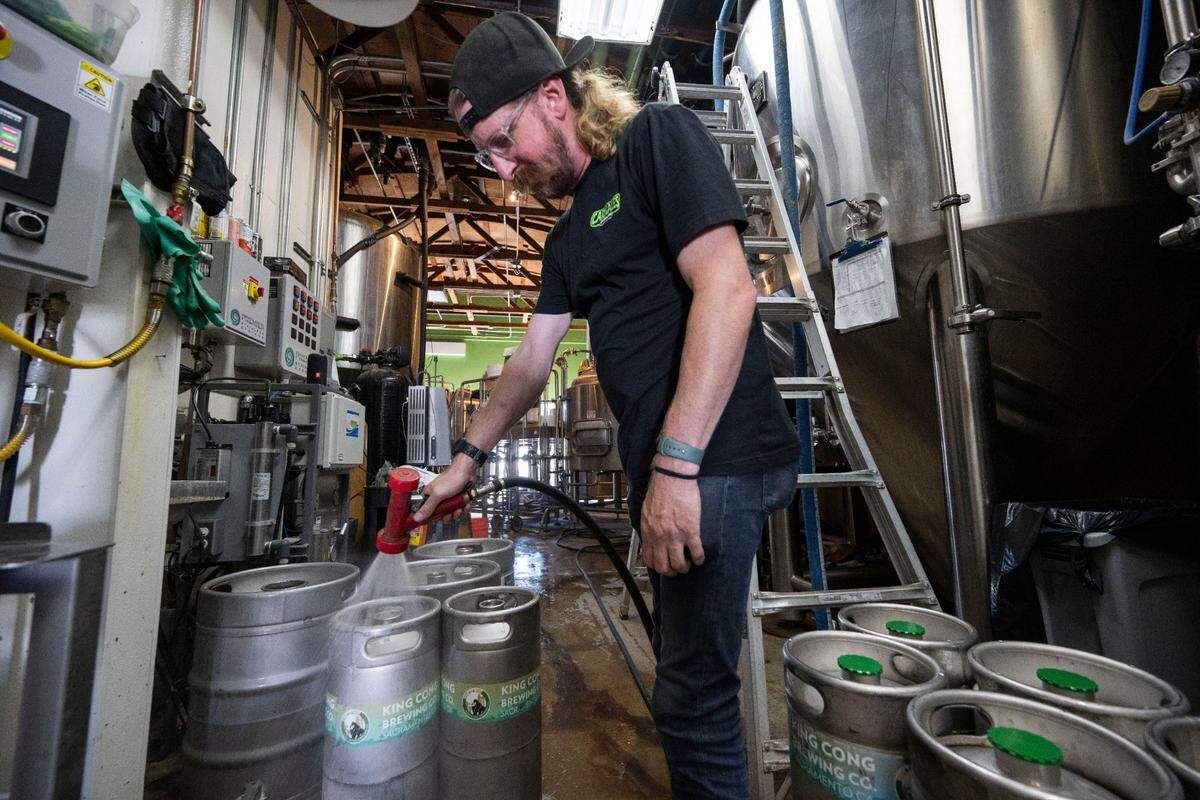
Nguyen thinks being able to quickly change up the company’s strategy in response to industry trends — producing small batches of hard seltzer and refining the taproom’s food offerings — has allowed King Cong to weather the current storm.
“Places that are much smaller that are able to pivot will probably survive this,” he said.
Lee has optimism for the state of craft brewing going forward, as most industries experience transformative periods when consumer interests evolve.
“I don’t really think this brewery industry will be gone (in five to 10 years),” Lee said. “With new groups of players, (they) will be able to adapt to the new industry trends or customers’ preferences. They’re the ones who are going to be surviving.”
Glen Fox, endowed professor of malting and brewing sciences at UC Davis, also remains positive, pointing to the strong interest in the brewery educational programs at UC Davis.
The university offers a master brewers certificate and undergraduate programs that teach students the brewing process, running a brewery, the logistics and marketing side of the process, he said.
“We don’t sugarcoat it. We’ve seen these hard times before, but we get through it,” Fox said.There continues to be a demand for new equipment and technologies as brewers look to invest in sustainable and efficient processes, he said.
When asked about the closures of beloved local breweries like Track 7 and Device, Hoey said he was concerned about lost livelihood, employees and loyal customers.
“It’s never been easy, and that’s true of any industry,” Hoey said. “Make sure to appreciate the great restaurants and breweries that we have because that’s how they stay around.”
This story was originally published August 2, 2025 at 3:01 PM.
.jpg)