
Overcoming obstacles, Black-owned restaurants have grown. ‘But we need a lot more’
Want more food news? Sign up for the Food & Drink newsletter at sacbee.com/foodnews to get your weekly fill.
Three years ago, I shadowed activist/entrepreneur/pop-up chef Berry Accius as he dined out at Black-owned restaurants every day in February. Accius’ goal was twofold: to support these types of businesses, and to illustrate how few there were.
“If you were with me that February, you would have been like ‘hey bro, I’m kinda tired of eating the same stuff,’” said Accius, who went to 14 restaurants in all.
There are a few more Black-owned food options these days. Nash & Proper parlayed its popular food trucks into brick-and-mortar locations in downtown Sacramento and Elk Grove, and African restaurants like Palace and Chulla’s Cafe have broadened the local understanding of what Black food encompasses.
There’s high-end, like Q1227 in Roseville, and down-home, as evidenced by Mo’ Betta Finger Foods on Stockton Boulevard. Fixins Soul Kitchen and Slim & Husky’s Pizza Beeria have opened a few blocks away from the latter, and a few miles south of Colo’s Seafood & Soul Food as well as Gumbo King, which opens Feb. 16.
Things are trending in the right direction, Accius said in a conversation earlier this week. The pandemic hurt many restaurants, but also spurred people to create pop-ups, particularly people of color who couldn’t immediately access the same resources needed to open brick-and-mortars. Accius, who estimated he’s cooked for more than 400 pop-ups, has seen plenty of Black cooks start selling their food in the last two years, he said.
Yet some of the underlying institutional failings remain. Black people have had trouble getting business loans for so long — due to discriminatory lending habits as well as having significantly less capital than their white peers on average, a 2016 UC Santa Cruz study found — that many don’t apply out of assumed rejection.
Paycheck Protection Program loans, a saving grace for many restaurants during the pandemic, reached only 20% of eligible recipients in areas with the highest densities of Black-owned businesses, according to a nationwide report by the Federal Reserve of New York.
Some Black restaurateurs I’ve spoken with experienced a surge of business in June and July 2020, followed by a return to normalcy as protests over George Floyd’s murder quieted down. Black businesspeople with ready-made gameplans at that time could easily get investments from do-gooders wracked by white guilt, Accius said. Then the moment passed.
“We need folks to celebrate and support Black-owned restaurants on an everyday basis. Not just on MLK Day, not just during tragedy and not just during Black heritage month,” Accius said. “I think we definitely have a few more (Black-owned restaurants), but we need a lot more.”
What I’m eating
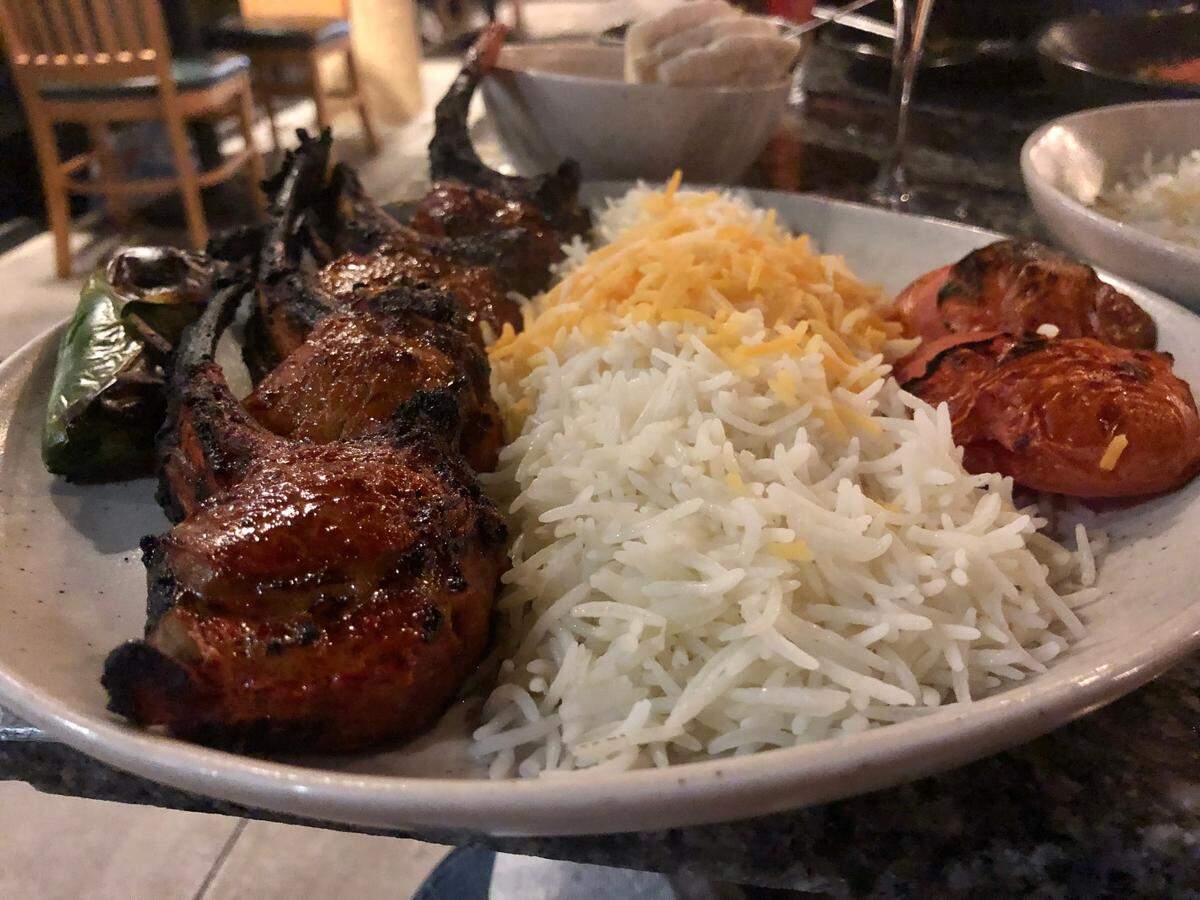
I’d been wanting to enjoy a proper sit-down meal at Maydoon, Idean Farid’s new-school Persian restaurant at 1501 16th St., Suite 111 in midtown Sacramento, since it first opened in June 2020. Takeout had to suffice during much of the pandemic, but with the outdoor patio and white-gold dining room now open, I made the trip for dinner the other week to check it out.
Farid cooked with his father Mohammed at M. Shahrzard Fine Persian Cuisine as a young man, and Pops joined son in midtown after selling the Rancho Cordova restaurant (the “M.” has since been dropped). It’s nice to have that experience for classics like the rack of lamb ($26), lightly charred on the outside with a tender interior, or the creamy auburn eggplant dip kashkeh bodemjan ($9).
Youthful influence was more present in dishes like the Maydoon bowl ($15). A choice of protein (I went for falafel), basmati rice, pickled onions and diced cucumber and tomato were tied together with a tangy cilantro chutney, creating a healthy-enough grain bowl full of contrasting textures and complementary flavors. It was designed as a convenient lunch option back when nearby offices were full of state workers, Idean told me prior to opening, and still seems like an appropriately filling midday fit.
Maydoon’s drinks list offered more room for innovation, given the general lack of alcohol in modern Iran. Strong cocktails such as the Mast Have ($11) used unmistakably Persian base flavors such as pomegranate, sour cherry and yogurt (“mast” in Farsi) to adopt vanilla vodka. Tart and sweet can be a good combination, but the yogurt, while restrained, was something I needed to get used to.