
Sacramento chefs unite for Tower Bridge Dinner rooted in heritage. See the dishes
With the city’s hottest farm-to-fork culinary event just a month away, a team of four Sacramento-area chefs recently unveiled what guests can expect to taste.
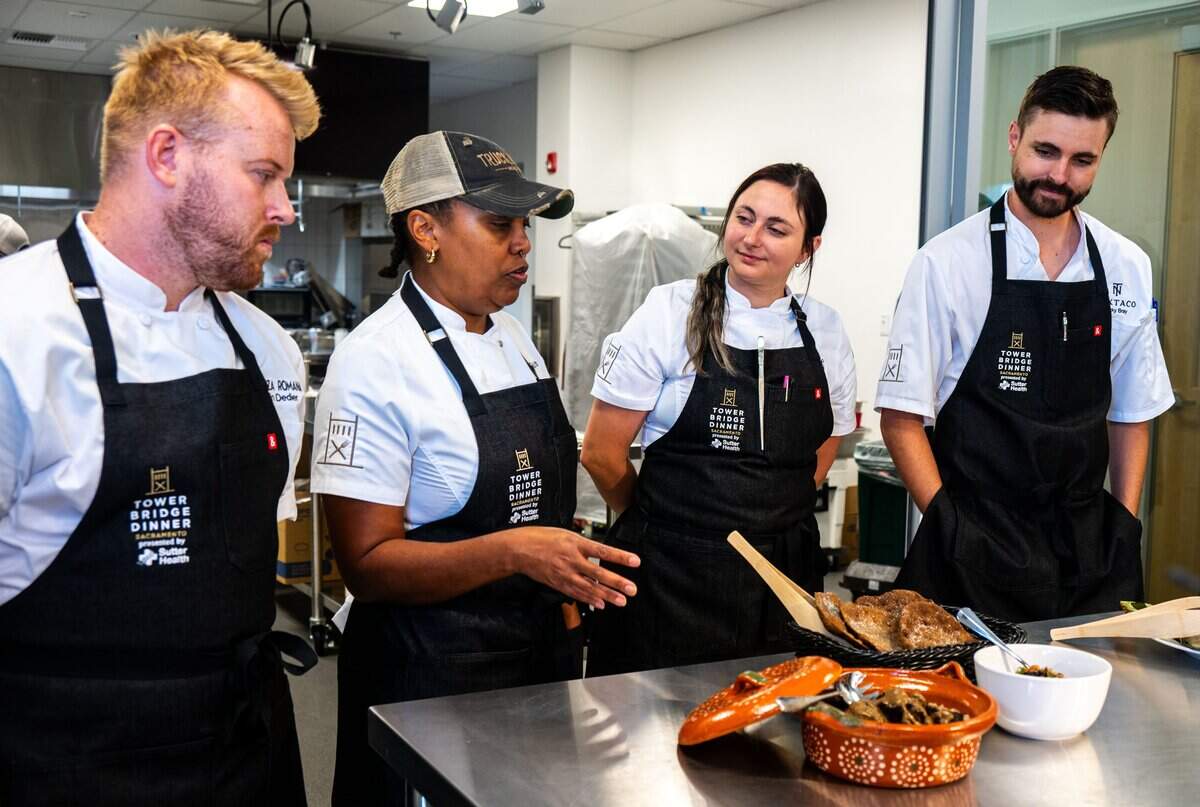
The 2025 Tower Bridge Dinner is set for Sept. 7, and chefs N’Gina Guyton of Jim-Denny’s, Bucky Bray of Nixtaco, Jeana Marie Pecha of Omakase Por Favor and Devin Dedier of Vacanza Romana put together a three-course menu honoring the ingredients and cultures that make up California’s distinct cuisine.
The annual ticketed farm-to-fork dinner celebrates the foods naturally sourced throughout the state. Farmers and producers featured in this year’s menu span from a gourd farm west of Temecula in Southern California to a grain and bean farm in Sutter County.
Tickets to the public were sold out on the Visit Sacramento website.
This year’s edition of the exclusive dining experience falls ahead of Sacramento’s first Terra Madre Americas festival, scheduled for the weekend of Sept. 26-28. The Slow Food movement festival will feature food vendors from across the capital region, as well as cooking demonstrations, tasting experiences and educational panels.
In previous years, chef teams have created up to five courses, with the dishes developed individually by each chef according to personal memories or experiences. This year, the Tower Bridge Dinner squad teamed up on each course, putting together a “fully collaborative” menu, Bray said.
“You’re getting a little bit of all four of us in every single dish,” he said. “(It was) just really awesome to do this year.”
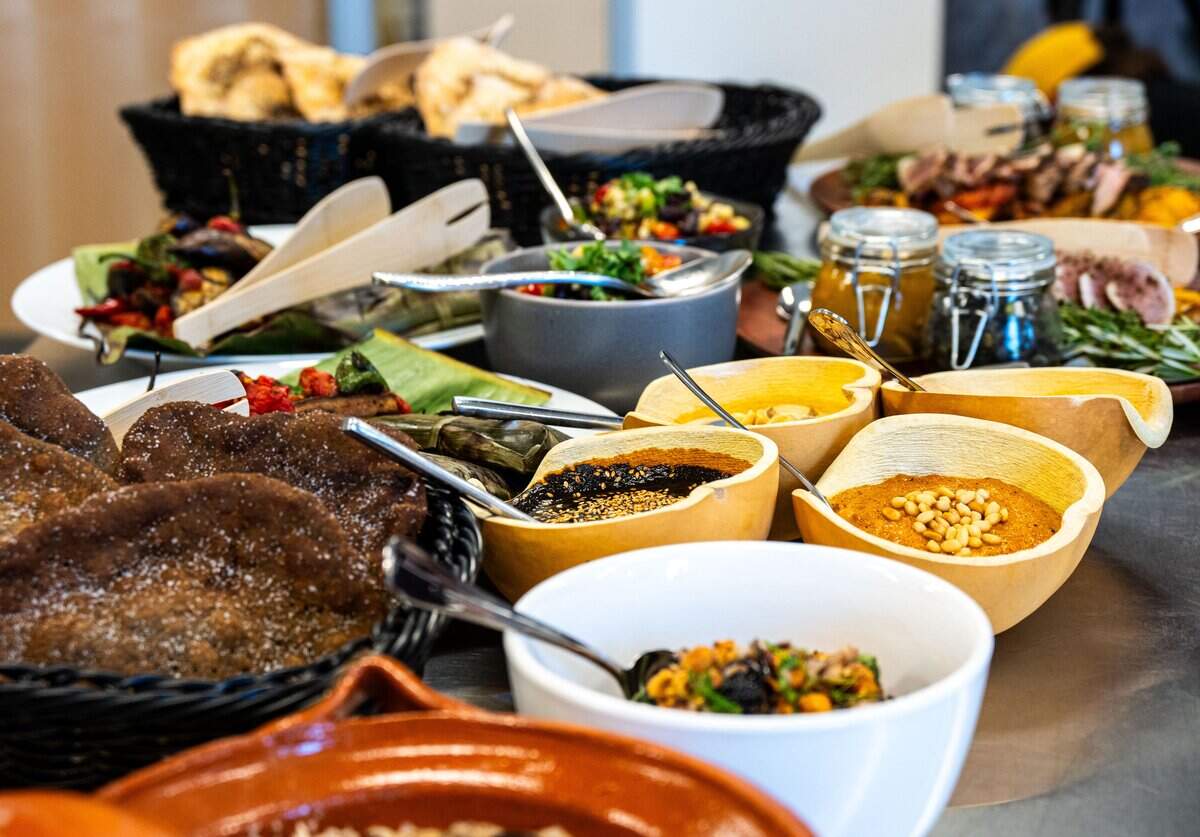
First Course: Ash-crusted albacore
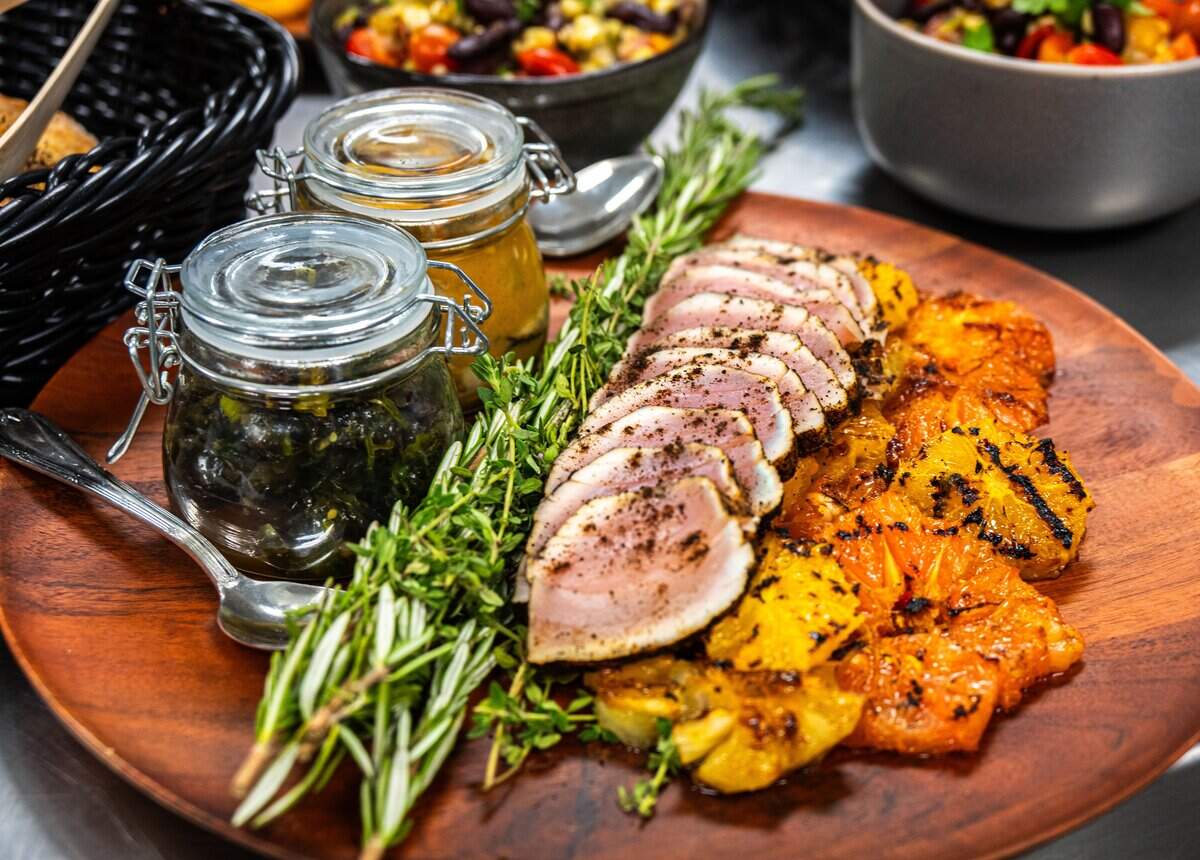
Bray said the chef team took inspiration from Asian cuisine for the opening dish, seared California albacore tuna with grilled citrus. The ash seasoning crusting the fish is made from charred citrus rinds, garlic skins and other trim waste coming from the dinner’s preparation, according to Pecha.
Accompanying the fish are citrusy smoked clams and mussels and California seaweed salad with a crispy furikake lavash. Bray described the course as a sort of charcuterie-like set of bites with one central protein grounding the flavors.
A fresh heirloom bean succotash infuse Black Southern American and Native American culinary traditions to the course, according to Guyton.
“Being a Southerner, we eat a lot of succotash,” she said. “(I) had no idea that it was actually a Native American dish, and that was a wonderful bit of education to find out.”
The term “succotash” is an anglicization of “msíckquatash,” a word meaning “boiled corn kernels” in the Indigenous Narragansett language, according to the Merriam-Webster Dictionary.
“There’s dishes that you think belong to Southern food culture, and it actually comes from Native American culture,” Guyton said. ”You really have to tip your hat to the ancestors that ... introduced us.”
Second course: Blue corn masa rabbit tamal
The second course pays homage to the iconic Mexican comfort dish while centering on a game meat used in some Native American traditional cuisines but uncommon in contemporary Mexican food.
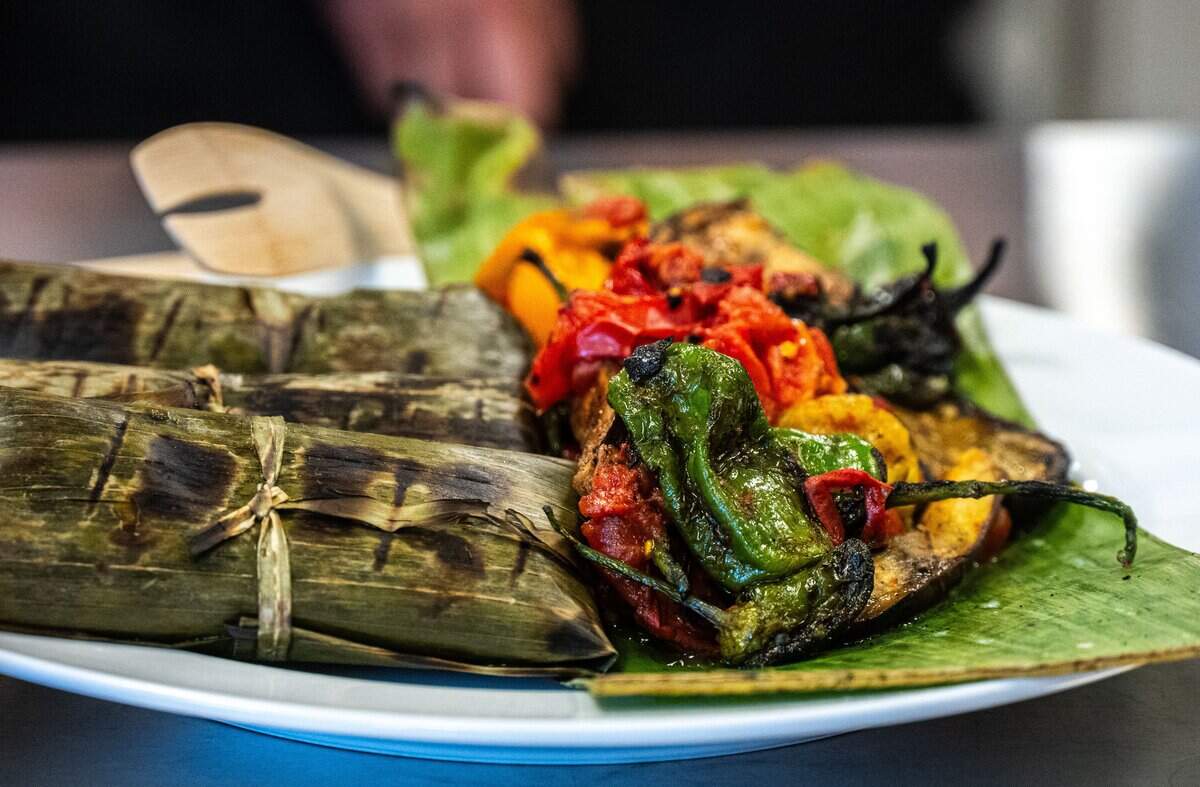
Tender pulled rabbit meat is wrapped in smooth blue masa and steamed in a banana leaf wrapper. On the side, tomatoes, chiles and other summer crops are grilled and lightly dressed in vinaigrette.
As part of what Bray called the “sauce course,” four sauces from Indigenous Mexican and South American cuisines are presented in dried gourd bowls for smothering the tamal and vegetables.
“(We are) learning about things that were used before us as natural plateware and natural tools,” Pecha said. “We’re really inspired by that and super excited to feature this as a vessel during this meal.”
Bowls of deep, spicy mole negro and mild, rich mole blanco represent one of Mexico’s most famous sauces. The other salsas include pine seed-based sikil pak from Yucatan and spicy aji amarillo from Peru.
Third course: Braised California bison on acorn polenta
The final course in the lineup celebrates the foods developed by Indigenous Americans and historical ingredients native to California, including acorns.
“Acorns are one of the most Indigenous vegetables that we have here in California, one of the most-used in history here specifically,” Bray said. “We wanted to incorporate that in a big way.”
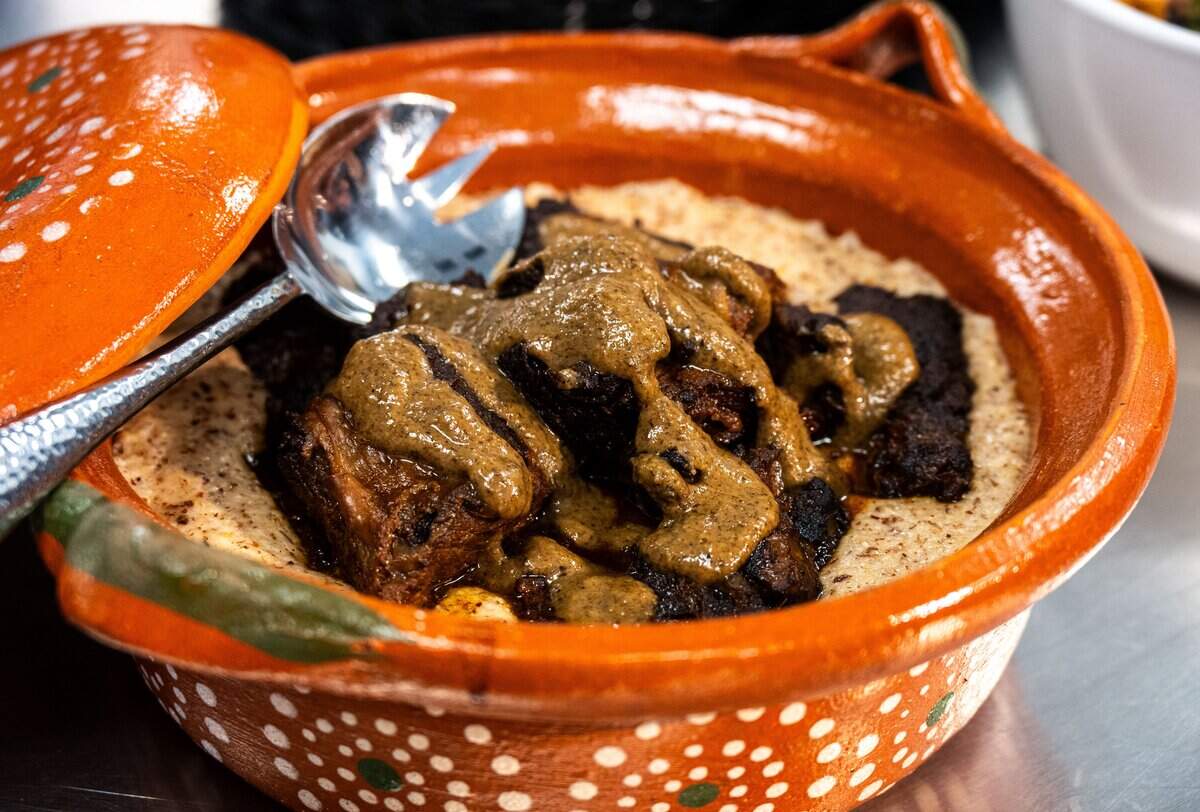
Bright orange cazuelas — clay cooking pots — brighten up an otherwise plain-looking dish of melt-in-your-mouth slow-braised bison with a sweet and rich acorn flour polenta. A cremini mushroom and chestnut bisque poured over the bison boosts the nutty and umami tastes.
To further honor Indigenous cuisine, the chefs prepared a buckwheat flour Navajo frybread, with a California wild rice and pickled blackberry side dish accompanying it.
“(It’s) very important, when we’re talking about (food from) the Americas, that there’s influences of all of those cultures that kind of put their (hat in the ring) to make this really beautiful, eclectic, culinary thing that we call California cuisine,” Guyton said.
What I’m Eating
Raw fish delicacies are summer staples — oysters on the shell, a rainbow of sashimi and fish tartare are a refreshing response to climbing temperatures. At Scott’s Seafood Roundhouse, executive chef Nick Blessing’s raw bar menu features sampler platters with a pescatarian collage of poke, aguachile and shellfish.
Although watching the platter’s layer of ice melt rapidly in the Folsom heat comes as a brutal reminder that you aren’t on a summer getaway in the Amalfi Coast, Blessing’s culinary creations help the disappointment fade rapidly.
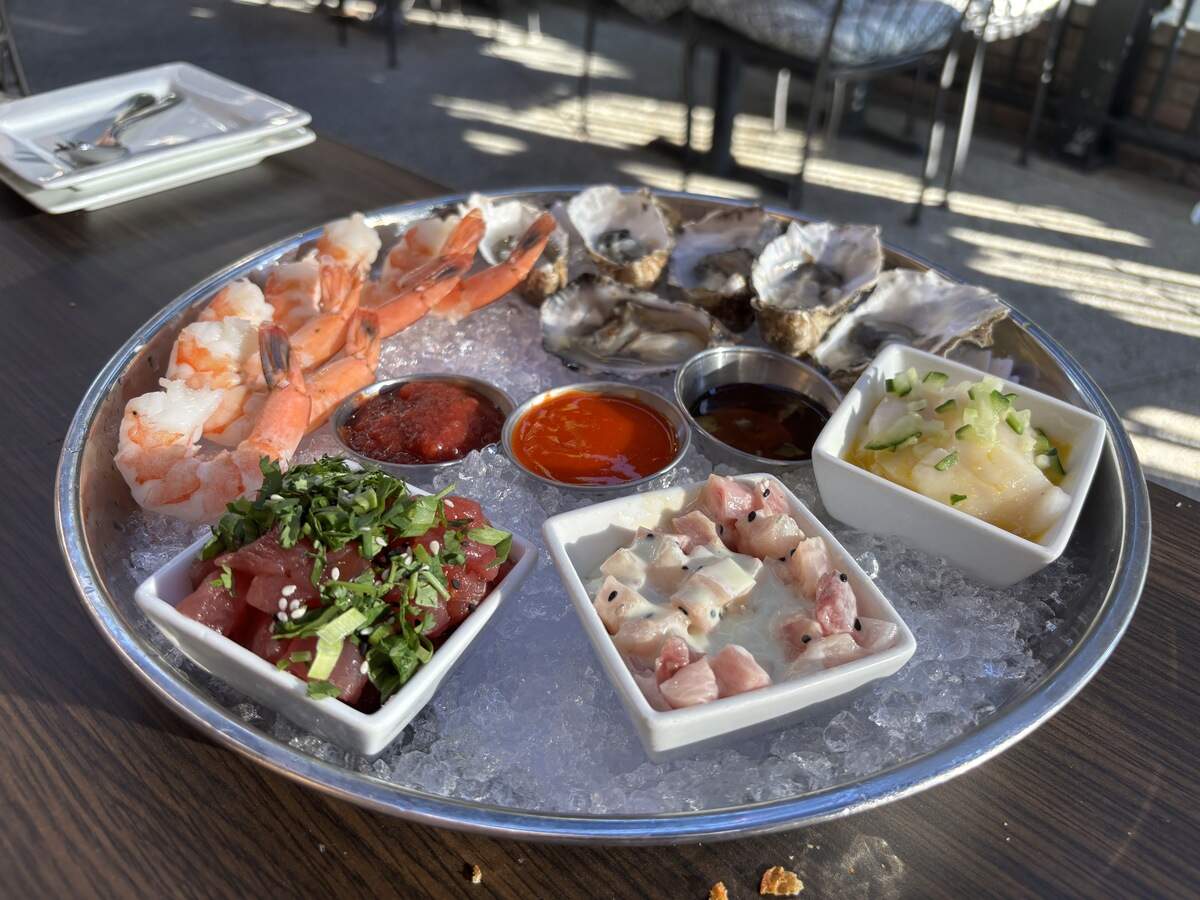
The fresh-chilled seafood plateau ($80) offers a bite of classic oysters and jumbo shrimp, along with three curated small dishes — ahi tuna and hamachi pokes and scallop aguachile. If that’s not enough, the $200 fresh-chilled seafood tower adds lobster tails, Dungeness crab and three kinds of sashimi to the platter.
On top of the extensive cooked and raw a la carte menus, Blessing prepares a seasonal farm-to-fork tasting menu with “exceptionally fresh ingredients sourced directly from local farmers and fishermen,” the restaurant’s website reads.
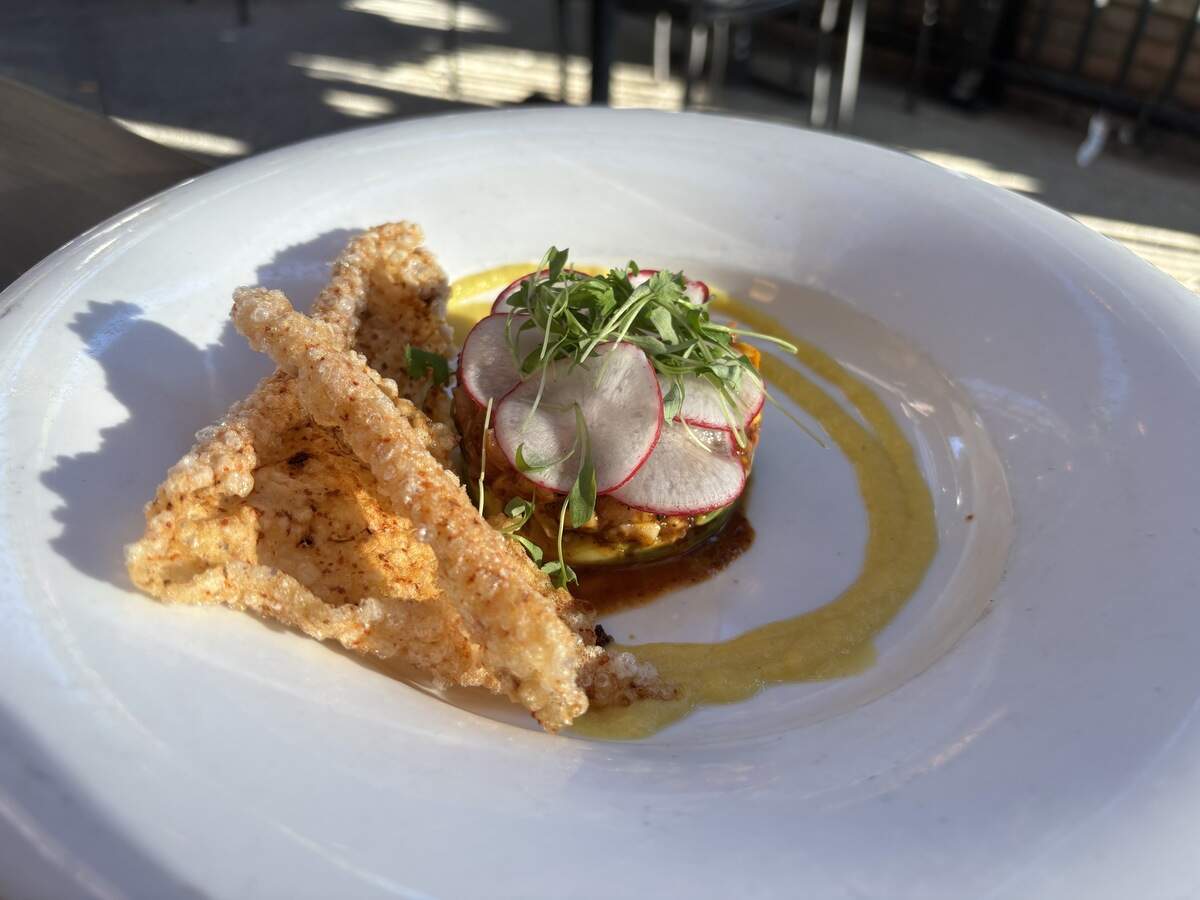
This summer’s selection includes a complex, rich hamachi tartare ($20). Sweet-and-spicy chili-pickled yellow peaches are complemented by warm roasted corn and corn puree, with avocado softening the strong flavors to allow yellowtail’s delicate profile to peek through.
Scott’s Seafood Roundhouse
Address: 824 Sutter St., Folsom
Hours: 11 a.m.-8 p.m. Monday-Thursday; 11 a.m.-9 p.m. Friday; 10 a.m.-9 p.m. Saturday; 10 a.m.-8 p.m. Sunday
Phone: 916-989-6711
Website: scottsseafoodroundhouse.com
Drinks: Alcoholic: Cocktails, draft and bottled beer, hard seltzers, wine; non-alcoholic: Mocktails, soft drinks
Vegetarian options: Mainly salads; limited vegan menu with pasta dishes, salads and a vegan poke bowl
Noise level: Moderate to loud
Outdoor seating: Yes
Openings & Closings
• A new “voyage of flavor” set sail in Arden Arcade when Captain Buffet opened its doors at 1000 Howe Ave. on Monday. The all-you-can-eat Asian buffet is replacing a former Cracker Barrel location with a selection of sushi, seafood and other buffet-style meals.
• Super Duper Burgers opened its first restaurant outside of the Bay Area on July 31, at 1119 Galleria Blvd. in Roseville. Known for its smashburgers and free pickles made in-house, the regional chain sources many of its ingredients from producers across California, according to previous Bee reporting.
.jpg)