
How one Sacramento-area school district is changing the narrative on school lunches
This week marked National School Lunch Week, an observance celebrated since 1962, centering a meal most Americans have nostalgic, fond and sometimes disgusted memories of.
According to the nonprofit School Nutrition Association, President John F. Kennedy launched the inaugural school lunch week 63 years ago to promote the work the National School Lunch Program had been doing to bring nutritious meals to young pupils from low-income families.
Ahead of school lunch week, on Oct. 8, Gov. Gavin Newsom signed Assembly Bill 1264, which mandates K-12 schools across the state eliminate all “ultra-processed foods” from school meals, vending machines and student stores by 2032. The bill broadly defines ultra-processed foods as high in saturated fat, sodium, added sweeteners and other artificial additives, but it also requires the state Department of Public Health to outline specific restricted foods and foods of concern by 2028.
School districts around Sacramento County are now working to dissect the new law’s language and determine if their school meal programs are in compliance. At Twin Rivers Unified School District, the nutrition department has already taken steps in recent years to move away from prepackaged foods.
Leslie Pring, nutrition services director for Twin Rivers Unified — which covers areas of North Sacramento, North Highlands, Rio Linda, Del Paso Heights and Foothill Farms — said her team will be monitoring if they need to remove any items from their lineup in accordance with the law, but she is also happy with the progress they have already made.
“We already took the initiative last year to remove products that contain synthetic dyes (in response to Gov. Newsom signing AB 2316),” Pring said. “We only had four products that we removed, so we were very proud that we had a clean product.”
Three years ago, the district’s nutrition services department hired a full-time chef to overhaul its school meal program, converting many of the frozen, packaged items into standardized fresh recipes that can be prepared in schools. Some of those menu items include orange chicken with egg rolls, fish tacos, salads, wraps and a beef and turkey pepperoni pizza.
Pring said in recognition of National School Lunch Week, the district is rolling out new meals from around the world, such as homemade hummus with pita bread, chicken ramen, carnitas bowls and more.
“We’re really trying to work to change the narrative of school meals, because most people think it’s this questionable food that is not healthy (and) doesn’t taste good,” she said.
Outside of lunchtime, the district has a number of other nutrition education programs, from familiarizing kindergartners with the school’s salad bar to educating students on sorting food waste properly in partnership with Breathe California.
During Back to School Night, Pring encourages nutrition staff at each school to set up a booth with samples of the breakfast items they serve in the cafeteria, informing parents that their children can get healthy breakfast meals at school and showing students how tasty their cafeteria meals can be every day.
Pring’s passion to educate students and families on how to eat nutritiously is fueled by her own experience learning about nutrition for the first time in college.
“I felt that my education system failed to teach me about what the food pyramid was, how to shop in a grocery store,” she said. “I made it my goal that students shouldn’t have to wait until they’re 19 to learn about this.”
While the district offers comprehensive nutrition education to students and families, it cannot require students to eat school meals or restrict what parents pack in lunch boxes. Pring said she recently walked through a cafeteria at a Twin Rivers Unified school and saw a student eating a bag of Blue Heat Taki chips, which are coated in bright blue spice powder and contain 180 milligrams of sodium per ounce.
Pring encouraged the student to grab a school-provided lunch instead, which they did, but she acknowledged she and her team are physically incapable of doing the same for every student at the district’s more than 40 schools.
“It has to be a whole ... school district initiative,” Pring said. “If kids aren’t going to want to eat with us ... they’re going to go across the street to the gas station mini mart after school and fill up on Takis and soda and cookies and chips.
“I think there’s still a lot that has to be done.”
What I’m Eating
As the season’s first rainstorm rolled through the capital, I found myself craving warm comfort meals. Sub-60-degree high temperatures and gloomy skies are best paired with steaming slices of steak on a roll smothered in liquid melted cheese and sauteed onions.
The cheesesteaks at He’s From Philly Cheesesteaks in Woodland are not the only warm aspect of the downtown restaurant. Despite Philadelphia’s tough reputation, owner Tracey Trotman and his team greet customers with warmth and pride. A Philly native, Trotman serves up not just the city’s iconic sandwich, but a dose of East Coast hospitality that feels right at home in downtown Woodland.
While the menu features various unconventional takes on the Philly classic — like a pizza-inspired pepperoni cheesesteak ($13.49 for an 8-inch) or spicy jalapeño-filled Mexican cheesesteak ($14.49 for an 8-inch) — I stuck with the traditional ($13.75 for an 8-inch), which comes simply with steak, mayo, grilled onions and a choice between eight different cheeses. Going fully traditional with Cheez Whiz was a little too intimidating, so I settled for slices of yellow American cheese.
A side of crispy fried cheese curds ($8.49) solidly rounds out the admittedly calorific, yet indulgent meal.
He’s From Philly Cheesesteaks
Address: 729 Main St., Woodland
Hours: 11 a.m.-6 p.m. Monday-Friday; 12 p.m.-7:30 p.m. Saturday; closed Sundays
Phone: 530-665-6034
Website: hesfromphillycheesesteaks.com
Vegetarian options: Vegetarian hoagies, salads, fries
Drinks: Fountain drinks, canned soda, Snapple teas, Gatorade, energy drinks and bottled coffee
Noise level: Moderate
Outdoor seating: None
Opening & Closings
• A brand-new coffee shop opened Sunday at 1728 21st St. in midtown Sacramento. In its Instagram bio, Intuition Coffee & Wine calls itself a “conceptual space that nourishes body and mind,” with a minimalist interior aesthetic and a pared-down food menu.
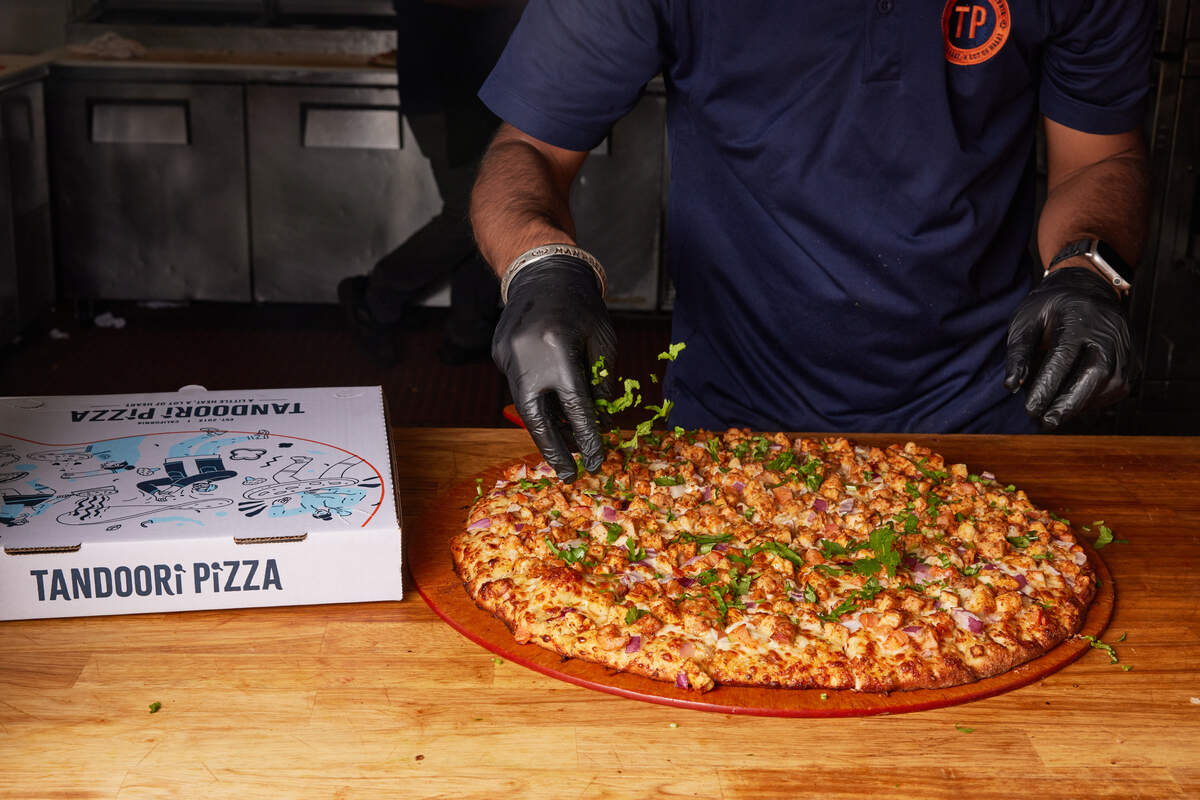
• Bay Area-based Indian fusion pizza chain Tandoori Pizza is opening another Sacramento-area location just one month after debuting in Elk Grove. The pizzeria launched with a grand opening event Wednesday morning at the new restaurant in Downtown Commons, at 405 K St., Suite 240.
• The capital region is down to just one Local Kitchens location after its Roseville location shut down. The ghost kitchen operation at 10357 Fairway Drive, Suite 130, was listed as “permanently closed” on Google Maps on Wednesday, just a month after its Natomas location was shut down. The final Local Kitchens open in the area is in downtown Davis.
.jpg)