Compromise or ‘massive loophole’? Sacramento tobacco rules face new scrutiny
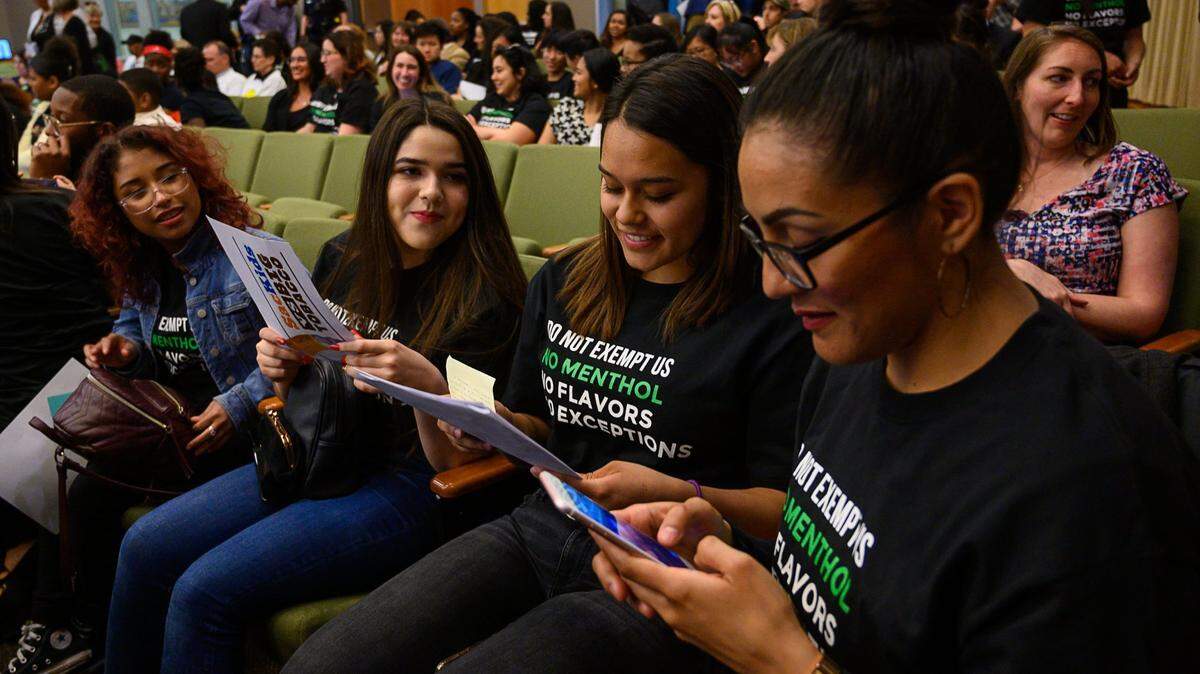
Four years ago, city council members carved out an exemption in Sacramento’s tobacco restrictions, offering a workaround for tobacco retailers who agreed to also sell groceries. At the time, the move was billed as a compromise that could help fill in the city’s food deserts.
The council is now reviewing the exemption with new skepticism, after city staff reported that dozens more tobacco sellers have since set up shop across the city.
“It was a huge, massive loophole,” Councilmember Eric Guerra said in an interview Thursday. “It should never have been done, and it put a hole in a very strong policy.”
During a Jan. 14 meeting, Shawn Bartosh, a city code enforcement manager, told the council that while the stores are technically meeting the standards, they often do so by selling sugary cereals and juices.
“We do verify that they’re still meeting the requirements,” Bartosh said. “But we find that they are meeting the bare minimum.”
A 5-4 vote
The food exemption was tacked on to a slate of tobacco restrictions that had passed the year prior.
In 2019, Sacramento’s city council passed sweeping restrictions on tobacco sales, forbidding sales of menthol cigarettes and flavored e-cigarettes, and preventing new stores within 1,000 feet of existing tobacco sellers.
The original tranche of restrictions passed council 7-1. The move was celebrated by public health advocates. The state passed its own ban on flavored tobacco products soon after.
When amendments were proposed the following year, the council was divided.
The changes would allow new tobacco retailers within 1,000 feet of existing stores, provided the shops devoted 5% or less of the overall shelf space to tobacco products, and at least 10% of the shelf space to food items.
Some drew a line between the proposed exemption and their efforts to fill in the city’s food deserts. For parts of Sacramento, it’s an uphill battle to attract retailers willing to sell fresh foods in grocery-sparse neighborhoods.
Others said the changes amounted to walking back a strong, hard-won ordinance intended to limit tobacco sales and use. There are other means, they argued, of getting healthy food into neighborhoods.
The exemption passed with five votes in favor. Then-councilmember Steve Hansen, who urged the city to revisit the issue in the future, logged his vote as “a reluctant yes.” Four, including then-Mayor Darrell Steinberg, opposed.
“I just cannot get to the place… to say that we have to accept more tobacco in our communities in order to get what we need,” Steinberg said at the time. “I know that may be the economic reality… but for me, I’m going to vote no.”
‘The opposite result’
About four years later, Bartosh told the council, the city had 311 tobacco retailers — up from 240 in late 2020. Of those, 27 used the healthy foods exemption.
When the council revisited the issue earlier this month, Guerra and several other members appeared poised to reverse the exemption.
Councilmember Mai Vang called the 2020 decision a “flawed vote.” Councilmember Roger Dickinson said it appeared the amendment was “an experiment that has not worked.”
“If anything, it’s had the opposite result that those who’d promoted it had hoped,” he said.
The council did not take any official action at the meeting. Guerra says he expects staff will come back with proposed language for the council to consider.
The issue is personal for Guerra, who used tobacco as a youth and lost a grandparent to pulmonary disease. He said he also wants to revisit tobacco license fees, and make sure enforcement efforts are properly funded. He wants to advocate for pharmacies to stop selling tobacco products, as CVS did more than a decade ago.
“Nicotine is extremely addictive. That’s what it is. The reality is, it’s hard to quit,” he said. “Whatever you can put out for sale, people are going to buy.”
This story was originally published January 24, 2025 at 1:31 PM.