
‘We can’t just walk away.’ California’s wild places are under siege and dying
READ MORE
Nothing Wild
Click the arrow below for more stories in Nothing Wild, a Sacramento Bee series on California’s broken relationship with its wild places.
Expand All
‘We can’t just walk away.’ California’s wild places are under siege and dying
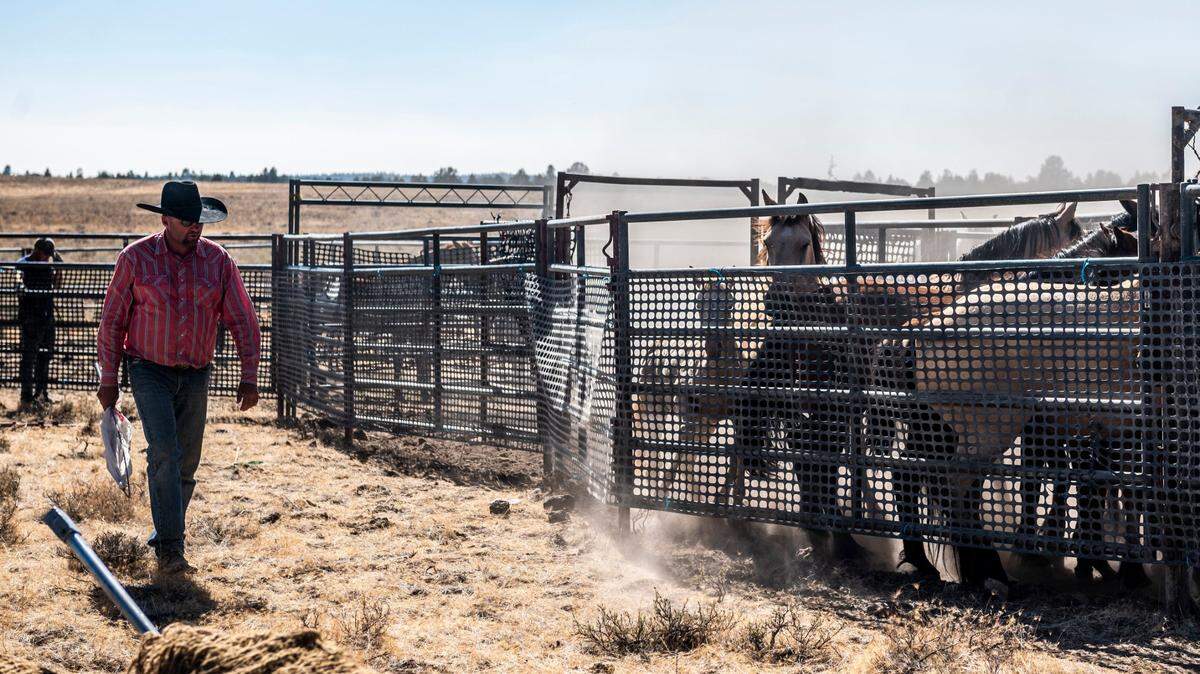
In Devil’s Garden, California’s majestic wild horses trapped in no-win fight for survival
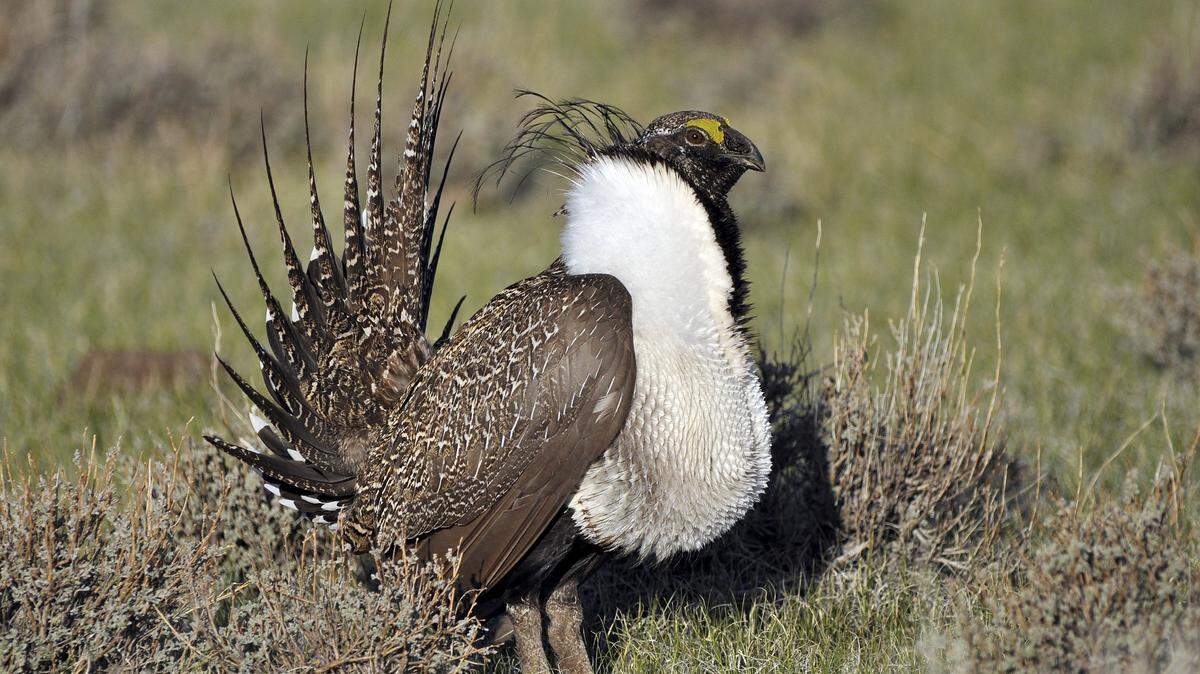
A remarkable high-desert bird may go extinct in California. What must die to save it
Disease is decimating California’s wild ducks and shorebirds. What’s really responsible
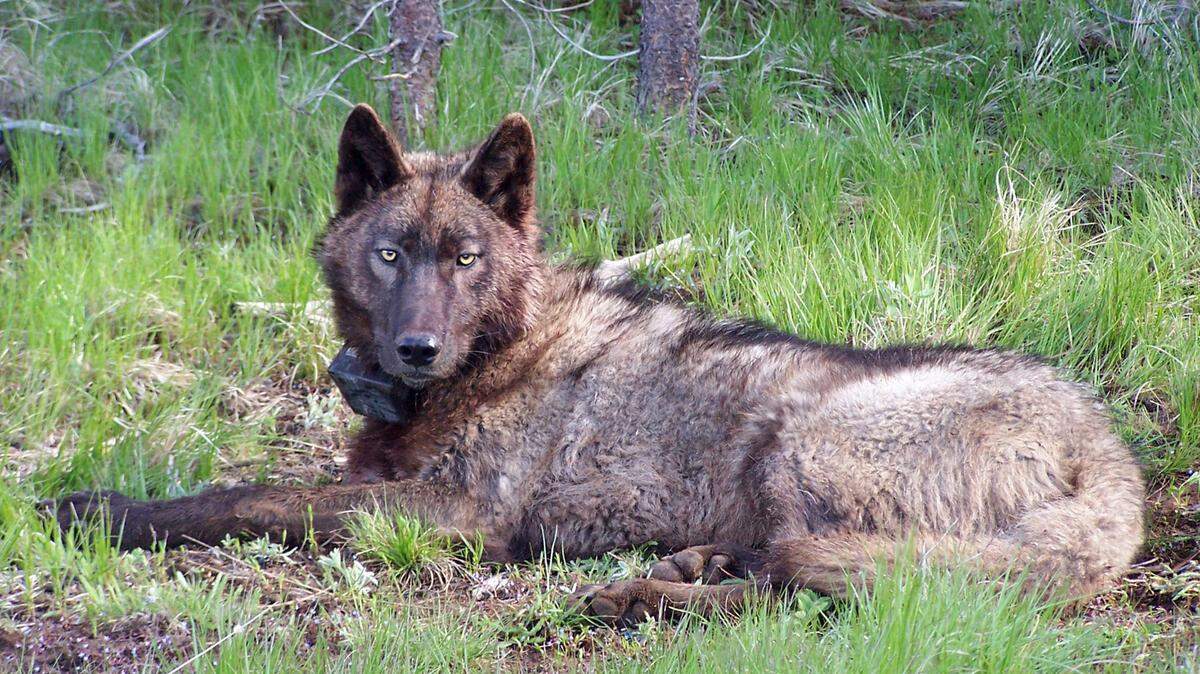
An endangered wolf was shot to death in California. Then the armed agents showed up
A rubber bullet whizzed past my head just inches from my ear. I tried to stay at a safe distance from the mayhem on J Street in Sacramento that night, but a bottle crashed against the street sign next to me.
I shook the broken glass out of my shirt. My skin itched from the tear gas.
It was late May — the first time I’d left my house for an assignment since the COVID-19 lockdowns began — and unrest had consumed Sacramento.
The next night was worse. Someone came up behind me and tried to take my phone as I recorded a group of young men smashing car windows. A man later flashed a handgun. One of my colleagues suffered a broken finger when someone pushed him down and stole his camera gear.
Afterward, my pandemic nightmares worsened. My jaw ached from grinding my teeth. I began to dread future assignments. I knew I’d soon be in the middle of another inevitable out-of-control California wildfire, and all those burned pets and wildlife that I’ve seen far too much of over the years.
After one particularly sleepless night, my guts boiling with anxiety, my finger hovered above the button on my mouse. The cursor was pointed at “submit” on the application I’d just filled out for a government public relations job. Then I took a deep breath. I clicked the X and closed the application. I needed a break — a chance to recharge from reporting on the barrage of unrest and crises. I needed to get away from crowds, confinement and concrete.
I grew up in Siskiyou County, in the shadow of Mount Shasta. I spend as much time as I can up in this lonely northeastern corner of California.
Here, you can drive along dirt roads through the pines, firs, junipers, and sagebrush for hours without seeing another person. After the first fall frosts, cowboys on horseback still ride into the woods to round up their cattle, which vastly outnumber people up here.
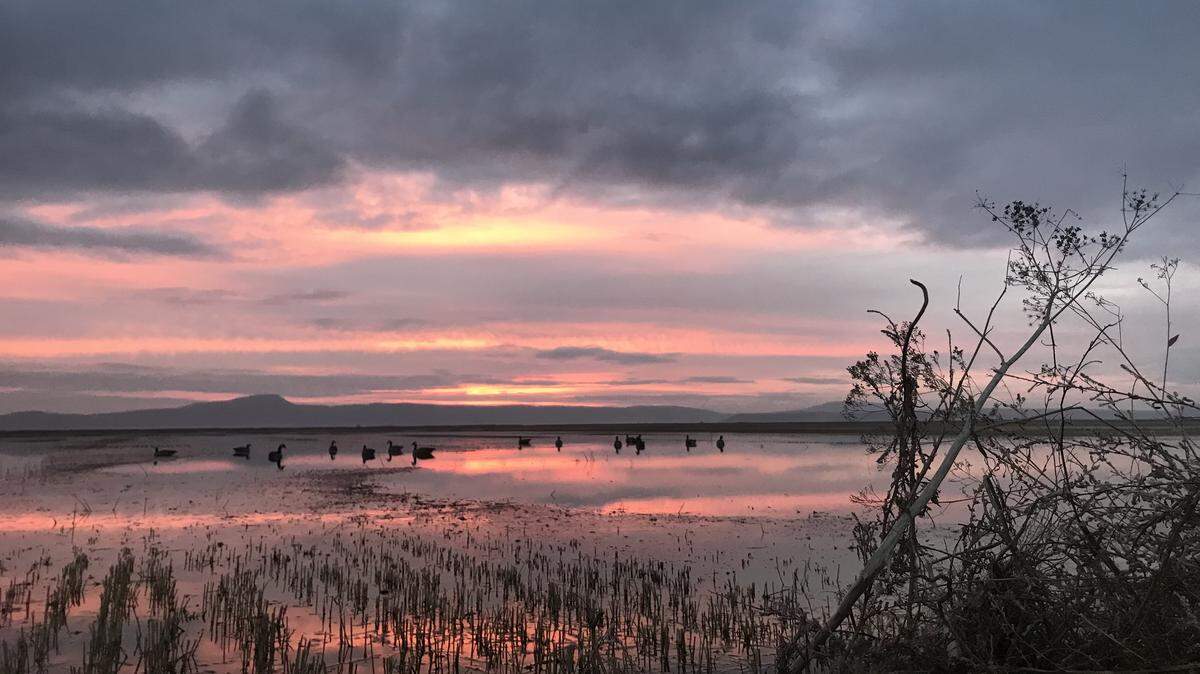
After talking it over with my wife, Cara, I pitched to my editors a series of essays on this overlooked area of California. They agreed to let me work for much of the last three months out of my late logger grandpa’s old hunting trailer at my duck-hunting camp along the Oregon border outside the small city of Tulelake. I would still report on the pandemic and wildfires, but from a place I love, a place that’s struggling.
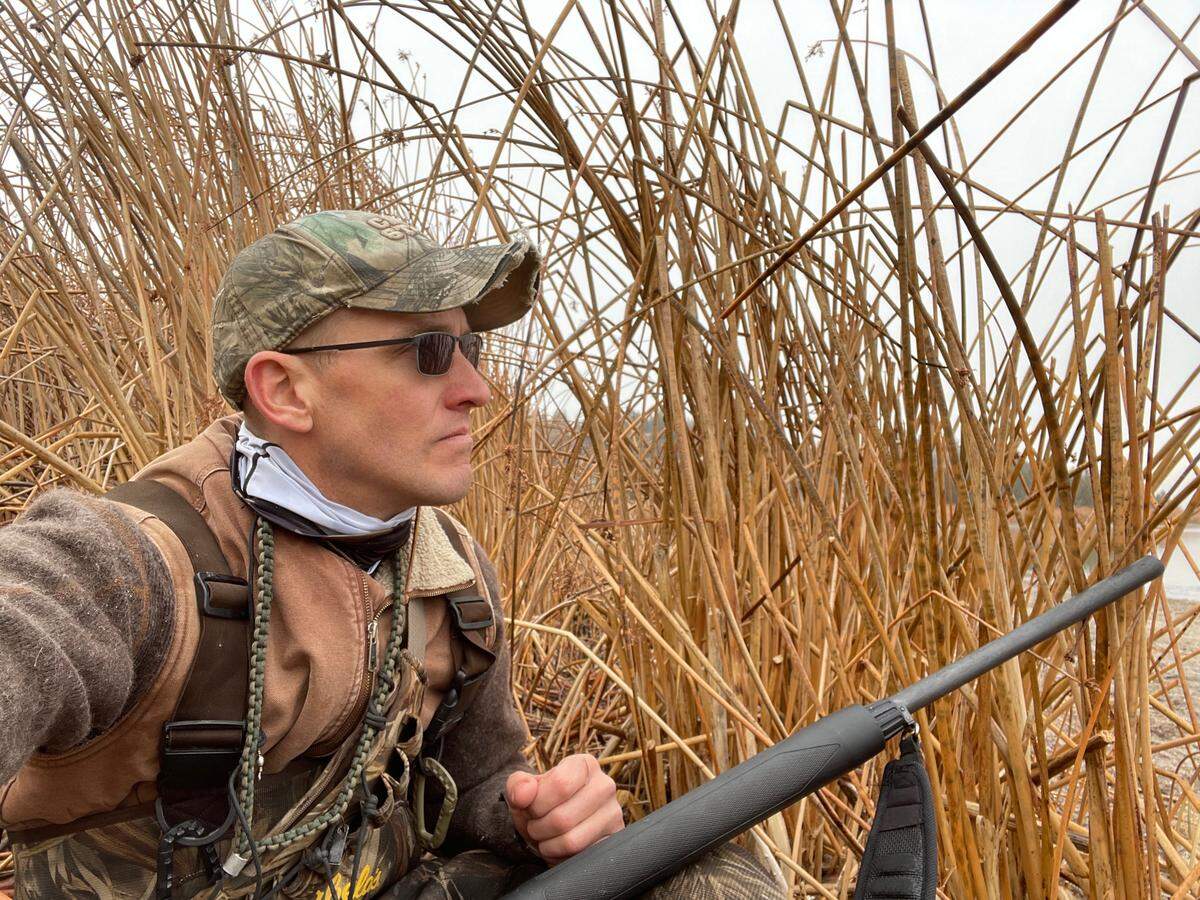
There’s an ecological collapse underway
No, it’s not idyllic wilderness up here.
In the towns, economies never truly recovered from the collapse of the timber industry. Vacant storefronts and boarded-up houses tell the story of what happens when the jobs dry up. Outside tourist towns, government work, farming and ranching are about all that’s left.
The “wild” places — working landscapes where cattle still graze, tractors still rumble and chainsaws still howl — aren’t faring much better. These past few decades, an ecological collapse has been underway.
The largest wetlands that weren’t drained for farming last century are now kept almost perpetually dry, ironically, to protect endangered fish in other parts of the watershed.
In the timber, a century of aggressive logging cut down the largest trees that were best able to survive the sorts of cleansing, low-intensity fires that crept along the forest floor every few years before white settlement.
Now, much of the public’s timberlands have grown unnaturally dense with small trees and brush, choking out wildlife and allowing wildfires to grow exponentially more destructive. Adjacent private timberlands that had previously been clear-cut are now often little more than tree farms, sprayed with herbicides to kill the brush and shrubs competing with the replanted timber.
And in the high-desert sagebrush and juniper forests, invasive grasses spread through machinery and livestock are choking out the base of the food chain and causing fast-moving fires to burn through these unique old-growth habitats, replacing them with — you guessed it — more invasive plants that wildlife and the wild horses and cows won’t eat.
It’s little wonder a remarkable high-desert bird could soon disappear forever from California and the wolves that recently moved back into this part of the state are continually preying on cattle in a place where their favorite prey — deer and elk — are getting harder to find.
And climate change is making this crisis worse.
‘We’re not going back to the state of nature’
State and federal regulators and scientists, meanwhile, are largely paralyzed to do anything about any of it, thanks to a constantly growing array of regulatory demands that suck up their budgets and staff time. There is very little innovation in the public’s lands and wildlife management these days.
The threat of lawsuits from the competing interest groups makes restoring even a few acres of habitat a years-long process of expensive studies, planning and lawyering. Deviate one inch from a “management plan” that’s already been hashed out in the courts, the agency will almost certainly get sued again, or some politician loyal to a faction will come in and pass a law or change a rule to make the agency’s job even harder.
And the places I love are worse for it.
To try to save some of what’s left of these habitats, it will require a clear-eyed look at how we think about, fund and manage our lands and wildlife. It also will need to come with an acknowledgment from those living in major cities that these places aren’t truly “wild,” and they haven’t been for more than a century.
“We can’t just walk away,” former California Gov. Jerry Brown told me. “We’re not going back to the state of nature, but we should try to advance environmental goals, and at the same time we have to respect people, their livelihoods and their traditions. It’s a messy process.”
At their heart, these stories are about how the land-use decisions of the past have collided with divisive partisan politics, lack of funding, inattention and bureaucratic paralysis to create crises that are only going to get worse for both the ecosystems and the impoverished rural towns that make up my favorite corner of the state.
The people and animals living in these lonely high deserts where I find solace deserve better.
This story was originally published December 21, 2020 at 5:00 AM.