
Thousands of Sacramentans are skipping their second COVID vaccine dose. Here’s who and why
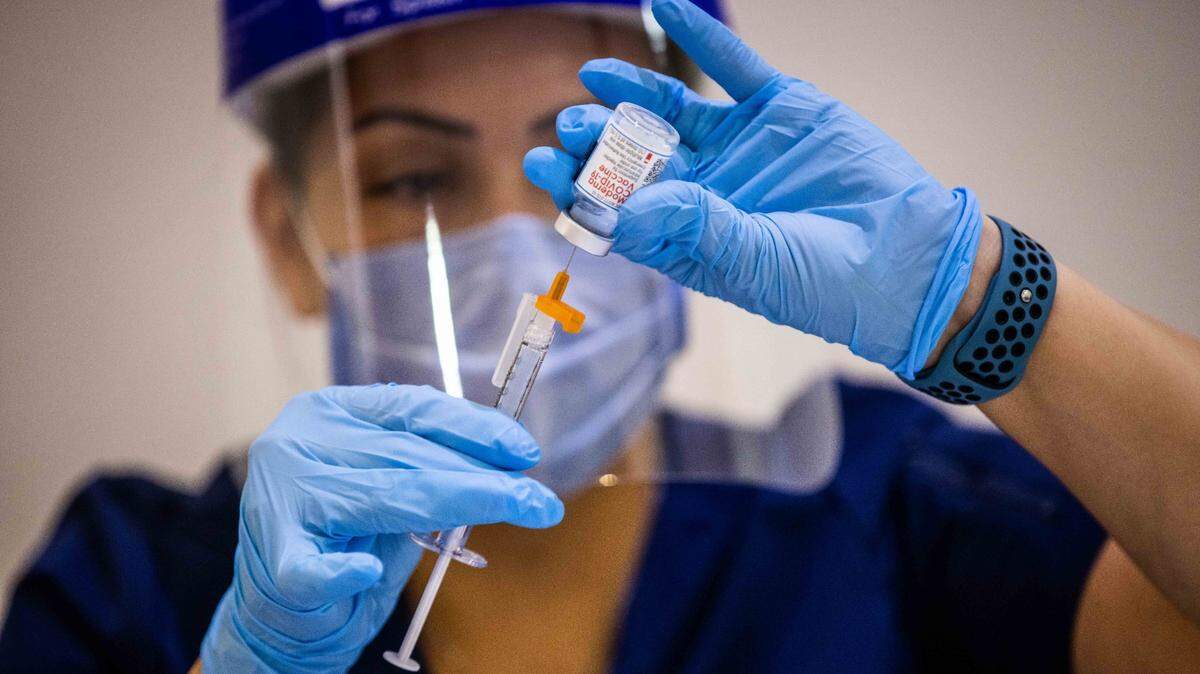
Fatima Malik has a masters degree in public health, but was wary of getting an initial COVID-19 vaccine shot. When she finally did, she found herself on the fence about getting the second one.
The Del Paso Heights resident had heard stories from friends about feeling sick after the second dose. She also wondered about the long-term effects of the vaccine, which had been developed in record time. It was only after her fiancé got his second shot without symptoms that she decided to do so as well.
“It was a tough decision,” Malik said. “I had personal reservations. It is the fear of an adverse reaction, a fear of the unknown. And uncertainty about the efficacy.”
While Malik ultimately decided to get that second shot, tens of thousands of other Sacramento County residents who’ve received the Pfizer or Moderna vaccine have failed to obtain their second dose several weeks after protocols said they should have, a Sacramento Bee analysis of county health data has found.
The data review shows that about 11.4% of Sacramento County first-shot recipients – 68,000 as of the end of last week – hadn’t gotten their second shots on time. Most of them are at least three weeks beyond the recommended second-dose date for the Pfizer vaccine, which is the most common vaccine in Sacramento. Others are at least two weeks beyond the recommended timing for the Moderna second dose, the second-most common vaccine being offered in Sacramento County.
Those Sacramento County numbers fall roughly in line with what’s been seen statewide, but higher than nationwide rates. California health officials said the state non-completion rate for second doses is about 10.5%. The federal Centers for Disease Control reported a non-completion rate of about 8%, as of April 9, “among people with sufficient time to get second doses.”
That incompletion rate nationally is substantially higher than the 3.4% reported in the early days of the vaccination roll-out, and could indicate the rate will continue to climb as the vaccination effort reaches out to more people who may be more hesitant.
Local health officials, who have been pushing for more people to get first doses, say it remains important for people to get that second dose.
Dr. Rusty Oshita, the head of Urgent Care Now, which operates a number of vaccine sites for the county, said lack of second doses could make it easier for “variants to penetrate within these communities.”
“We have to get back out there,” Oshita said. “Maybe there was enough ability to get out for a first dose, and a second dose was a hardship. “You have to close the loop here for that maximum protection. We want to find any way of doing that.”
Where are people skipping shots?
The Bee review found that the issue of missed doses is spread throughout the county — in white, high-income neighborhoods, in low-income communities of color, in areas where the 65+ population is high, in rural areas, and in Sacramento’s downtown core.
The second-dose issue is putting pressure on an already stretched-thin county health department and healthcare sector to improve their public messaging, get more pop-up and mobile vaccination sites out into neighborhoods, and ensure residents who may be more vulnerable to COVID-19 are as protected as they can be, rather than just partially protected.
The Bee review found that rural parts of the county such as Courtland and Walnut Grove had some of the highest rates of missed seconds, ranging from 9% to nearly 13%.
Other suburban areas, such as parts of Arden Arcade, Carmichael and Fair Oaks, had some of the largest raw number of people failing to show up for their second dose — more than 5,500 people there didn’t get their second shot within six weeks.
In Rio Linda, about 8.2% of residents didn’t get their second dose in a timely manner. In next door Del Paso Heights, about 7.8% of residents also didn’t get their second shot within six weeks.
Also high on the list: North Highlands, Citrus Heights, East Sacramento, Land Park and parts of south Sacramento.
The missed second-dose figure isn’t unusual when compared to some other vaccines that require two doses. About a quarter of Medicare patients skipped their second dose of the shingles vaccine, for example, according to a Kaiser Family Foundation analysis.
And it doesn’t mean that those without the required second shot are unprotected against COVID-19. Studies have shown that people getting the Pfizer and Moderna vaccines are at least partially protected against the virus.
A Centers for Disease Control and Prevention study published this month found that in the United States, one dose of either vaccine after two weeks was about 80% effective against experiencing illness from COVID-19. Other published studies, particularly those in other countries where other variants may be more widespread, have found the vaccines to be at times less effective.
But the research is still developing. Studies assessing how well a single dose holds up against some more recent variants of the virus are ongoing, and it’s unclear whether protection from a single dose lasts as long as from two doses.
Why are people not getting a second dose?
Health officials say some may have decided after the first dose that they felt safe enough to skip the second shot. That sense may increase going forward if the number of new cases and hospitalizations continues to drop, causing more people to feel that the pandemic is in the rear-view mirror.
Gov. Gavin Newsom plans to lift almost all COVID-19-based restrictions starting June 15. Without that strong incentive for vaccinations, “that carrot is really gone,” said county epidemiology program manager Jamie White.
Sacramento County, however, continues to have a higher rate of new cases and hospitalizations than the state as a whole, and remains in the state’s moderately restrictive “red tier.” State officials are still telling vaccinated people to continue wearing masks in public.
There are other reasons, some say, why people are not getting the second dose:
For some, it could be as simple as a fear of needles — those who mustered up the courage for the first one may want to opt out of the second one. Misinformation particularly for non-English speakers is competing with the limited amount of accurate and unbiased information about vaccines and local clinics, said Sacramento City Councilman Eric Guerra. That could be leading some to avoid getting the shots, or skip the second shot.
Others, like Malik, may fear the more pronounced second-dose reactions among recipients that have been widely reported, including temporary fever, pain and fatigue, usually lasting about one day after the second shot.
Malik, who experienced a mild headache and some chest discomfort after her second shot, said “there are a lot of people watching others” to see whether family members and friends have negative reactions.
That includes people, she said, who may have trusted government just enough to get the first dose, but not enough to believe that the second dose is worth the worry or effort. Some may view the hurried COVID-19 vaccination roll-out as a government experiment, Malik said.
“There is this legacy of a lack of promoting public health that has made it difficult to encourage diverse populations to (get their shots),” she said. “They are not ready to be a guinea pig. They want to wait six months to make sure people don’t have negative reactions.”
Others may be experiencing difficulties getting to vaccination sites for their second appointment, unable to find time off work or childcare or transportation. Under state law, workers at businesses with 26 or more employees are allowed to take paid time off for vaccine appointments.
South area Sacramento City Councilwoman Mai Vang said some people in the community say they missed their second appointment because they’re juggling two jobs and struggling with childcare issues. Some may have just forgotten their second appointment date and feel like they’ve missed their chance. In fact, residents don’t need to go to the same location to receive their second shot; they can walk up to any other pop-up clinic and many pharmacies to get a second shot, as long as they bring their vaccination card.
How Sacramento is delivering second Covid shots
The struggle to ensure people get a first and then second dose has become a notable and perhaps historic in scale communal effort between government and grassroots groups. The county health department has had to rely heavily on community groups as both trusted messengers and clinic operators, making them a critical part of a complex vaccine network cobbled together on the fly.
In short, with COVID vaccines: It takes a village.
Darrell Roberts, of the Roberts Family Development Center, said his staff was out knocking on doors Tuesday in the Marina Vista and Alder Grove neighborhoods to notify residents about a local clinic Wednesday. The other day, he held a woman’s hand at a clinic from her arrival until she sat in the chair to get her shot.
“She was scared. She was literally sacred. There is a fear of needles and of what happens to your body,” he said.
Community-based organizations know that with a little patience, information and intentionality, people who are on the fence can be persuaded, Roberts said.
“We specialize in people who are stubborn,” he said. “This is about relationships. This is about trust. For us, it is just trying to play the role of intermediary, to answer questions. To get people in front of them to look like them, saying: I’ll see you tomorrow at the (clinic.)“
Health officials say they’ve been expanding efforts in recent weeks to get to harder-to-reach populations, lowering barriers across the county to make it as easy as possible for residents to receive both their shots as recommended.
Mass drive-thru vaccination sites like McClellan Park, which have seen declines in demand, will have more evening and weekend hours. Vaccine trailers will start appearing at different locations, offering shots for residents with no appointment necessary. Businesses and places of worship can sign up with the county to host vaccine clinics on-site for employees, families, customers, congregations and residents.
The county has already begun running a kind of phone drive to contact residents 65 and older who have missed their second shot. White said the county hopes to expand the reminder calls to all Sacramentans, similar to the way contact tracers follow up with those infected with the virus.
And last week, Vang announced the creation of the Sacramento Alliance for Vaccine Equity — a coalition of organizations, nonprofits, local governments and faith leaders “dedicated to breaking down language, digital, and cultural barriers to vaccine access in South Sacramento.”
Already, organizers and vaccine clinics in south Sacramento have set up text message reminder alerts, in various languages, to people when their second dose appointment arrives, she said.
“We find our families are incredibly busy. There is so much going on (in people’s lives), they have so much going on that it is important to do outreach to get that second dose,” Vang said. “It’s incredibly important to come back for that second dose.”
This story was originally published May 28, 2021 at 5:00 AM.