
A guide to Sacramento’s tree canopy: Get to know the thousands of trees in your backyard
Whether you’re on the “Farm to Fork” or the “City of Trees” side of the Sacramento slogan debate, it’s hard to ignore the city’s large canopy count. It’s even more difficult to identify them all.
But in the city’s early years and well before Sacramento became known for its vast tree cover, the region had little to no canopy, earning itself a reputation as an “unsafe and unhealthful place to live.”
According to “From Nature to Nurture: The history of Sacramento’s urban forest,” written by E. Gregory McPherson and Nina Luttinger, Sacramento experienced several disasters in its early years: Fires, floods, disease and extreme heat.
The answer: trees.
With the help of the canopy, the region’s image transformed to something residents know it to be today. It became the “City of Trees.”
By the 1900s, Sacramento’s parks were growing in numbers, each including trees.
For example, eucalyptus trees were introduced from Australia in 1869 as a solution to wood shortages and malarial fevers, according to a U.S. Department of Agriculture Forest Service report. And by the end of the 1800s, elms, or East Coast city trees, were the most commonly planted tree along city streets and favored by early settlers.
With the help from tree enthusiasts like J. Henry Miller, who converted a swamp into the McKinley Park, landscape architect Fred N. Evans, who designed Land Park, and former Sacramento Bee Editor C.K. McClatchy, who promoted Sacramento’s title of “City of Trees” — the region became renowned for its green space.
Sacramento has at least 87,000 trees, according to a 2018 city report. Other estimates are near 100,000 public trees, and close to a million overall.
And the benefits of trees extend beyond the beauty they bring to the landscape. Trees provide oxygen, reduce the amount of storm water runoff, reduce noise, glare and more.
Get to know your tree canopy better. With research from the Sacramento Tree Foundation, California Native Plant Society and more, here’s our guide to the native and imported species that line your streets:
Native trees
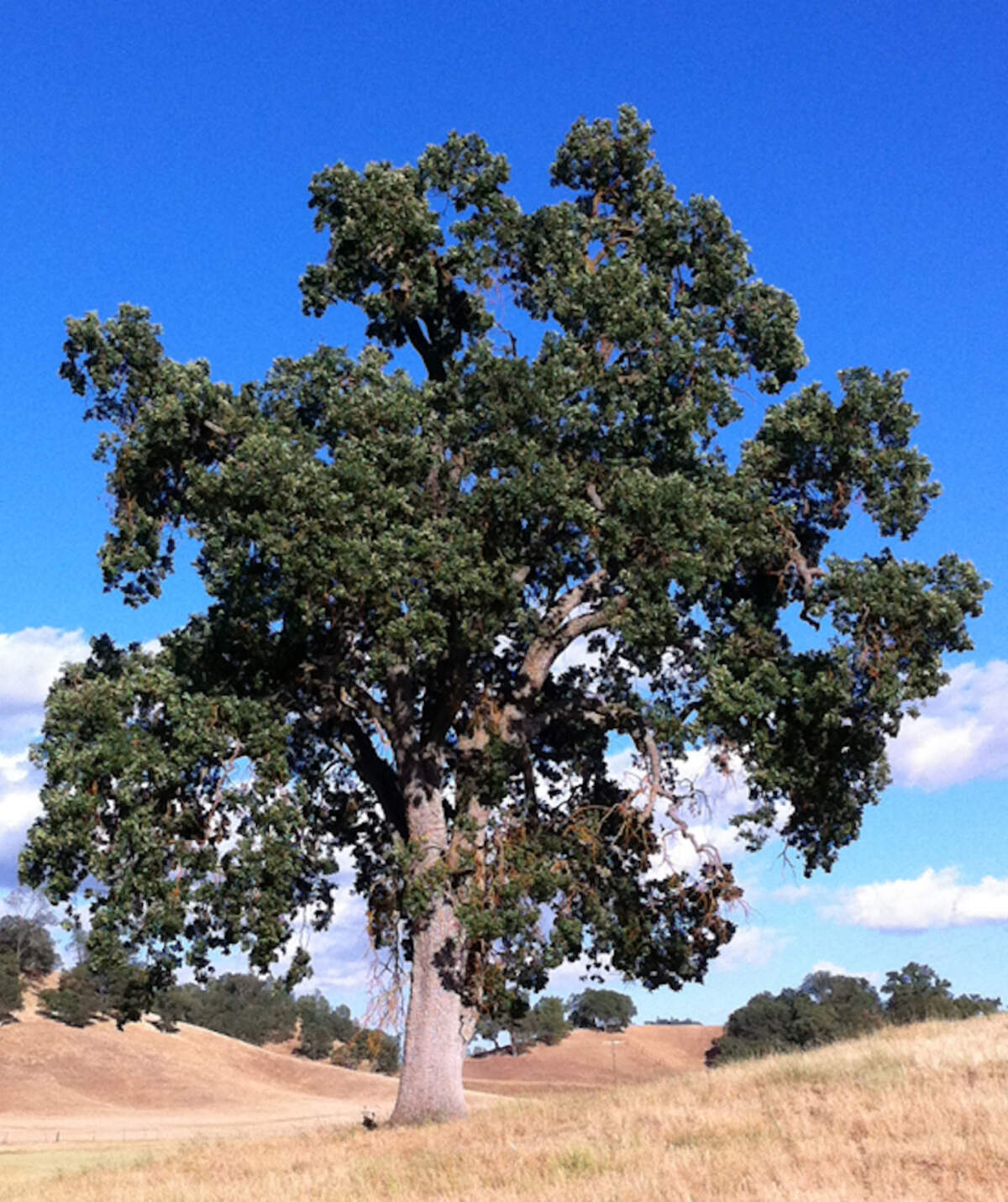
Genus: Quercus
Species: Douglas
Height: 40 to 60 feet
The blue oak is native to California. In Eastern Sacramento County, blue oak trees are well-adapted to the region’s Mediterranean-like weather patterns and “thrive in wet winters and hot, dry summers.”
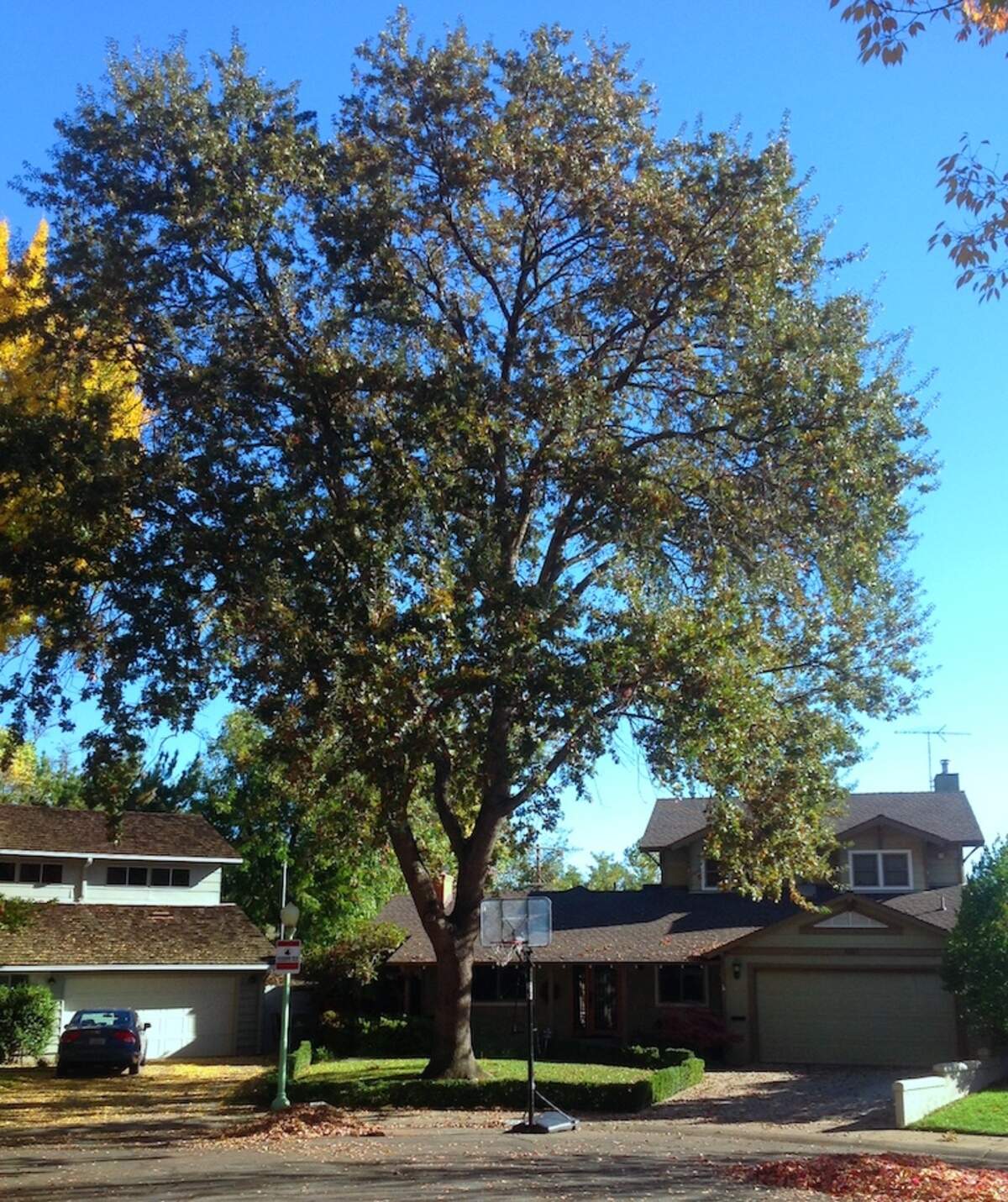
Genus: Quercus
Species: Lobata
Height: 50 to 80 feet
The valley oak, noted as the largest tree in the valley, thrives in the deep soils left by the meandering rivers and flooding cycles of the past. These large trees prefer to keep their roots dry in the summertime and do not appreciate heavy irrigation.
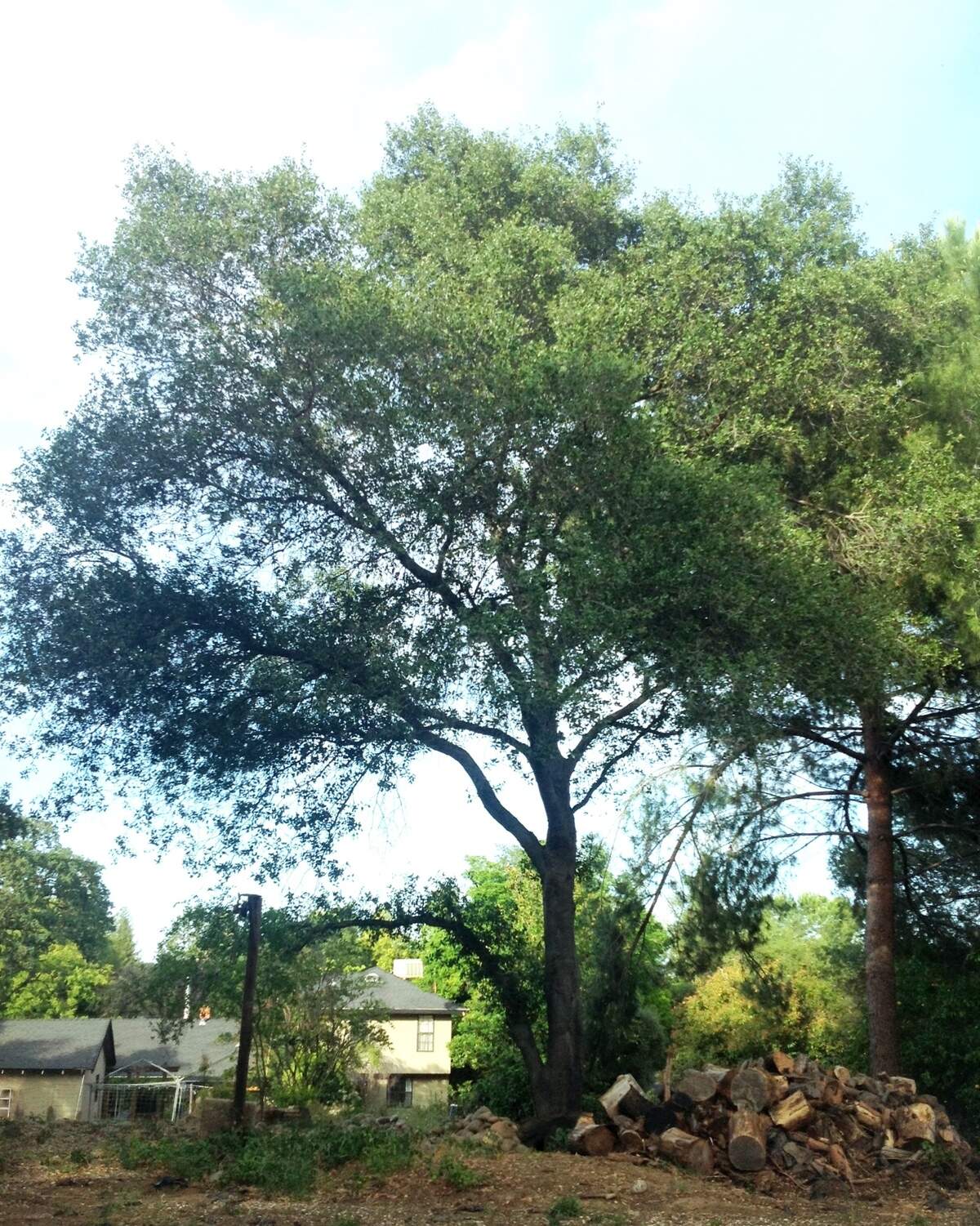
Genus: Quercus
Species: Wislizeni
Height: 45 to 65 feet
The interior live oak, is the most common evergreen oak in the valley. With two different leaf forms, including young foliage with spiky edges and older foliage with smooth edges, the interior live oak thrives best in Sacramento’s hot summers.
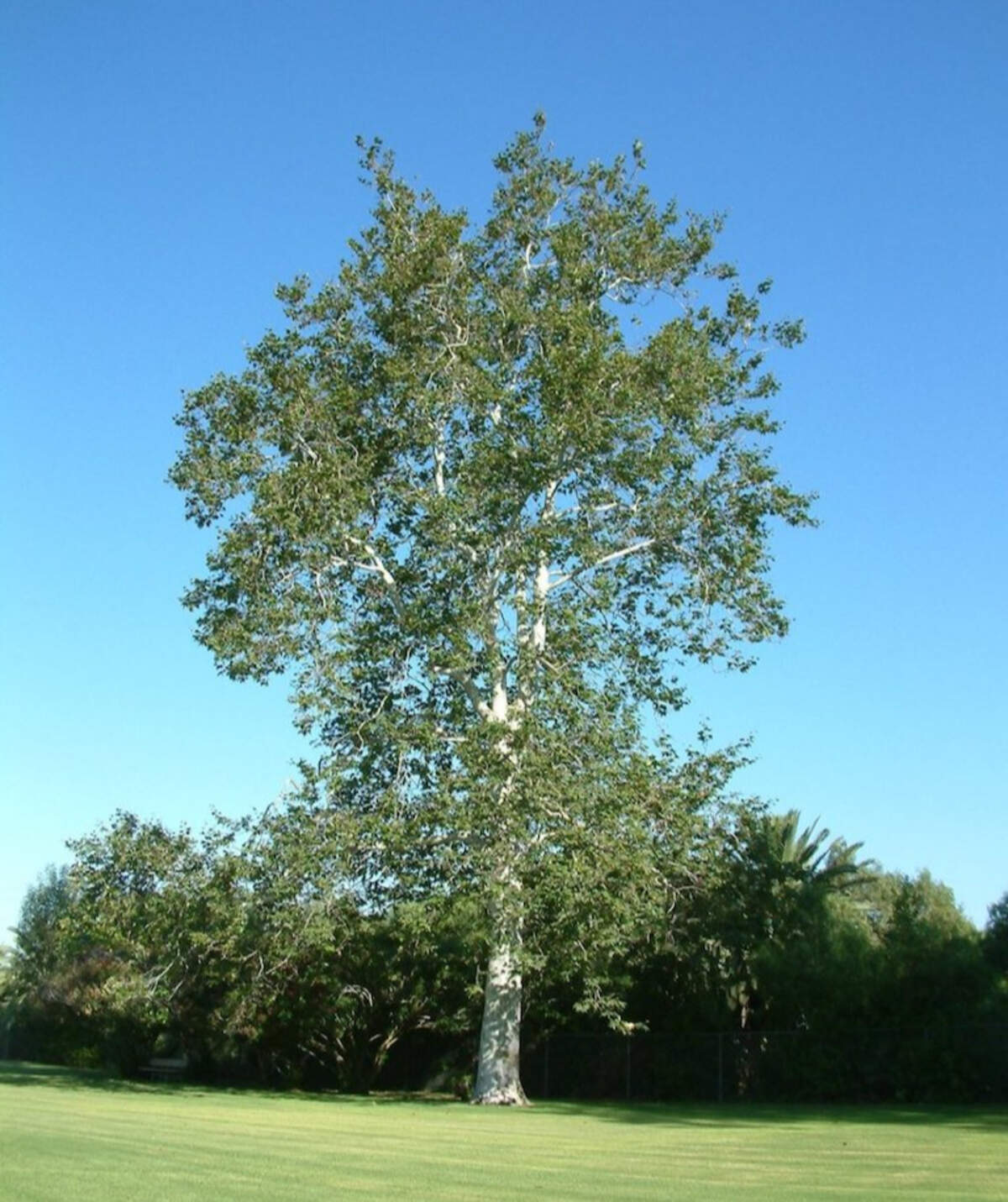
Genus: Platanus
Species: Racemosa
Height: 50 to 80 feet
The California sycamore is an essential element of Sacramento’s natural wetland and river ecosystems. Identified by its gray and white patchwork bark and star-shaped fuzzy leaves, the California sycamore tree are adaptable to low-water climates but thrive with regular watering.
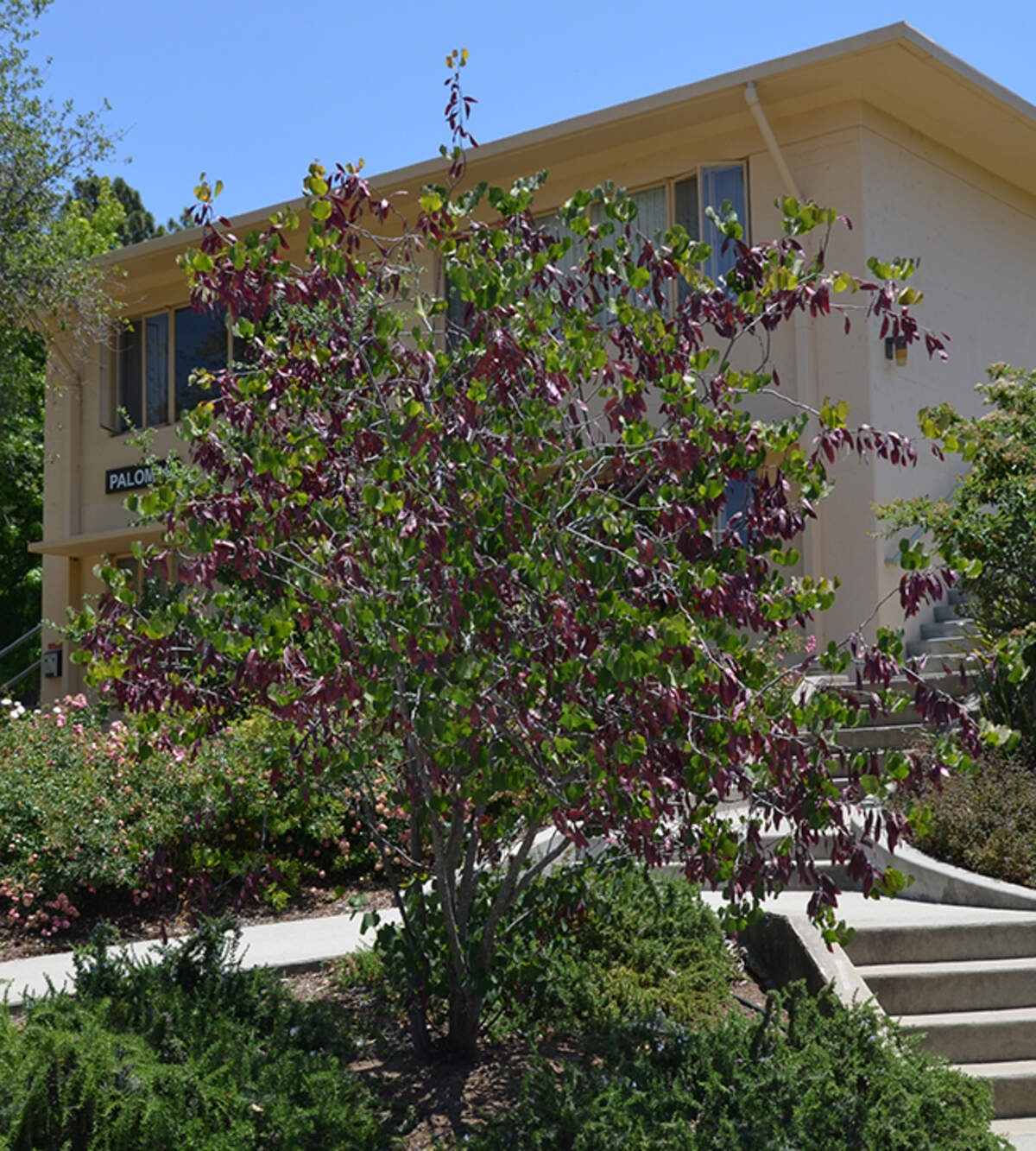
Genus: Cercis
Species: Occidentalis
Height: 15 to 20 feet
The Western redbud is a low-maintenance tree known for its decorative flowers and round leaves. These trees are very drought-tolerant.
It is dense enough to provide great shade throughout the summer before fading to a soft gold in the fall.
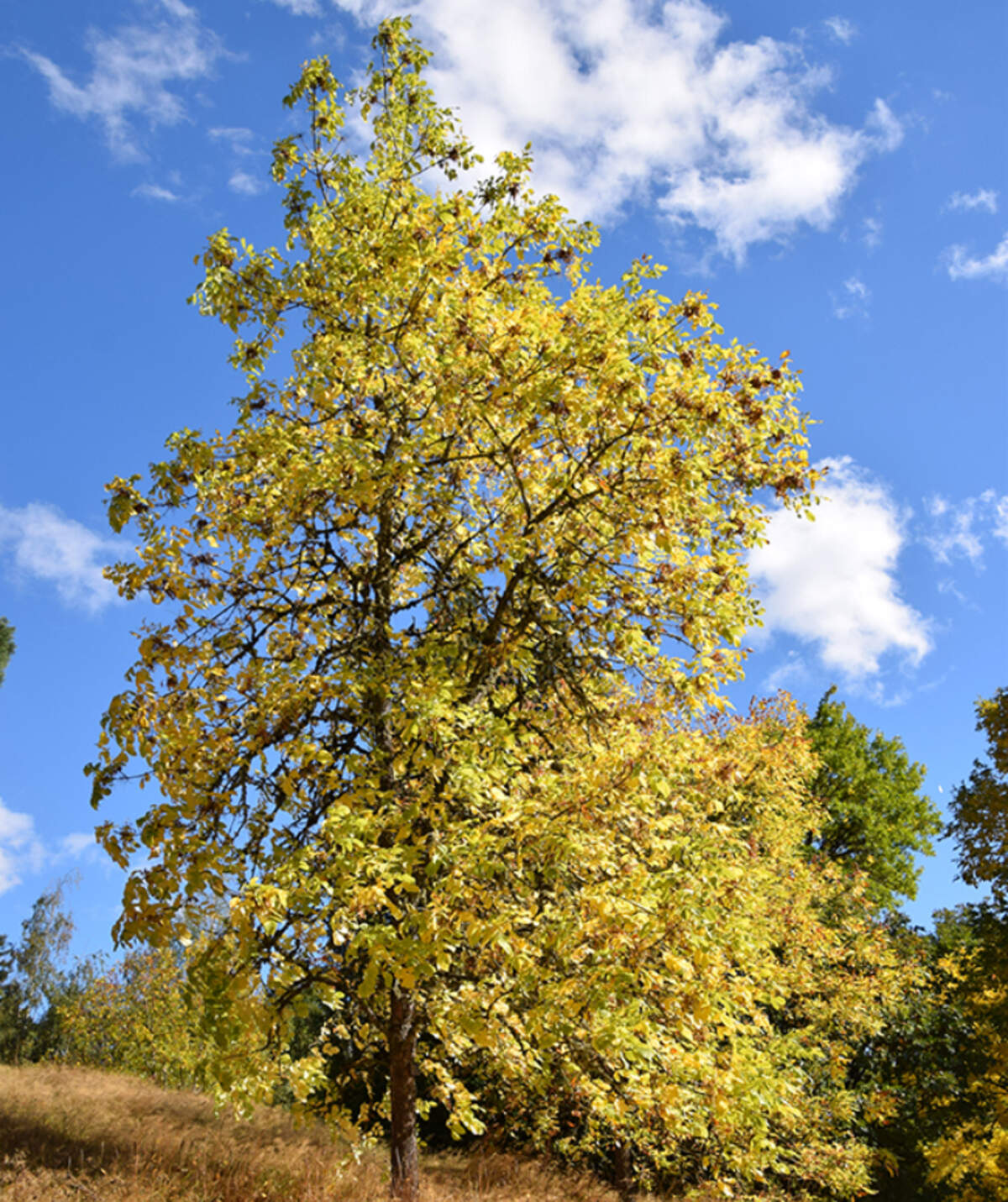
Genus: Fraxinus
Species: Latifolia
Height: 60 to 80 feet
The Oregon ash is an oval to round-shape tree best suited for high moisture areas and it can tolerate poor draining soils.
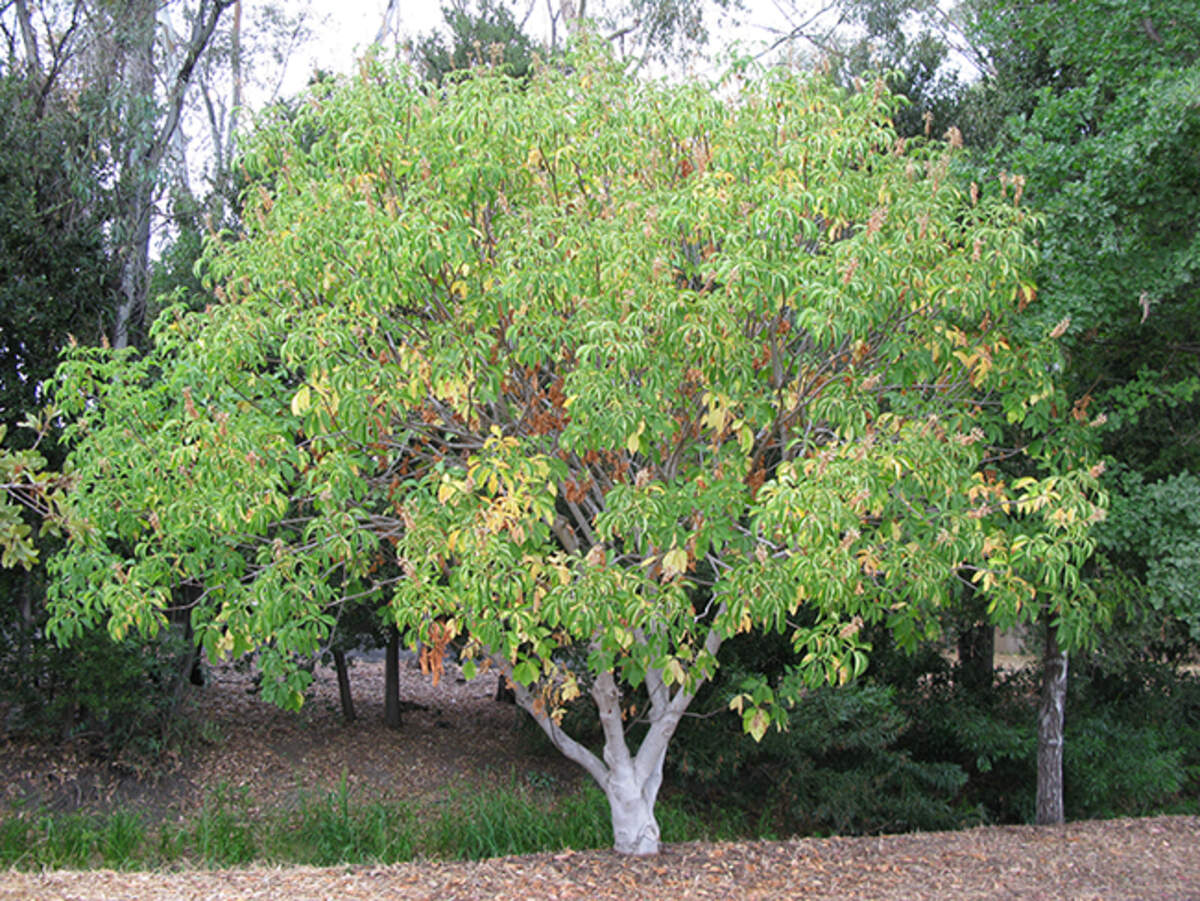
Genus: Aeculus
Species: Californica
Height: 30 to 50 feet
The California buckeye has large, fragrant white flowers and brown round shiny fruit. It conserves water in summer by losing leaves early.
This tree is valuable to native pollinators like checkerspot butterflies, but toxic to honeybees.
OTHER NATIVE TREES
- California bay laurel (umbellularia californica)
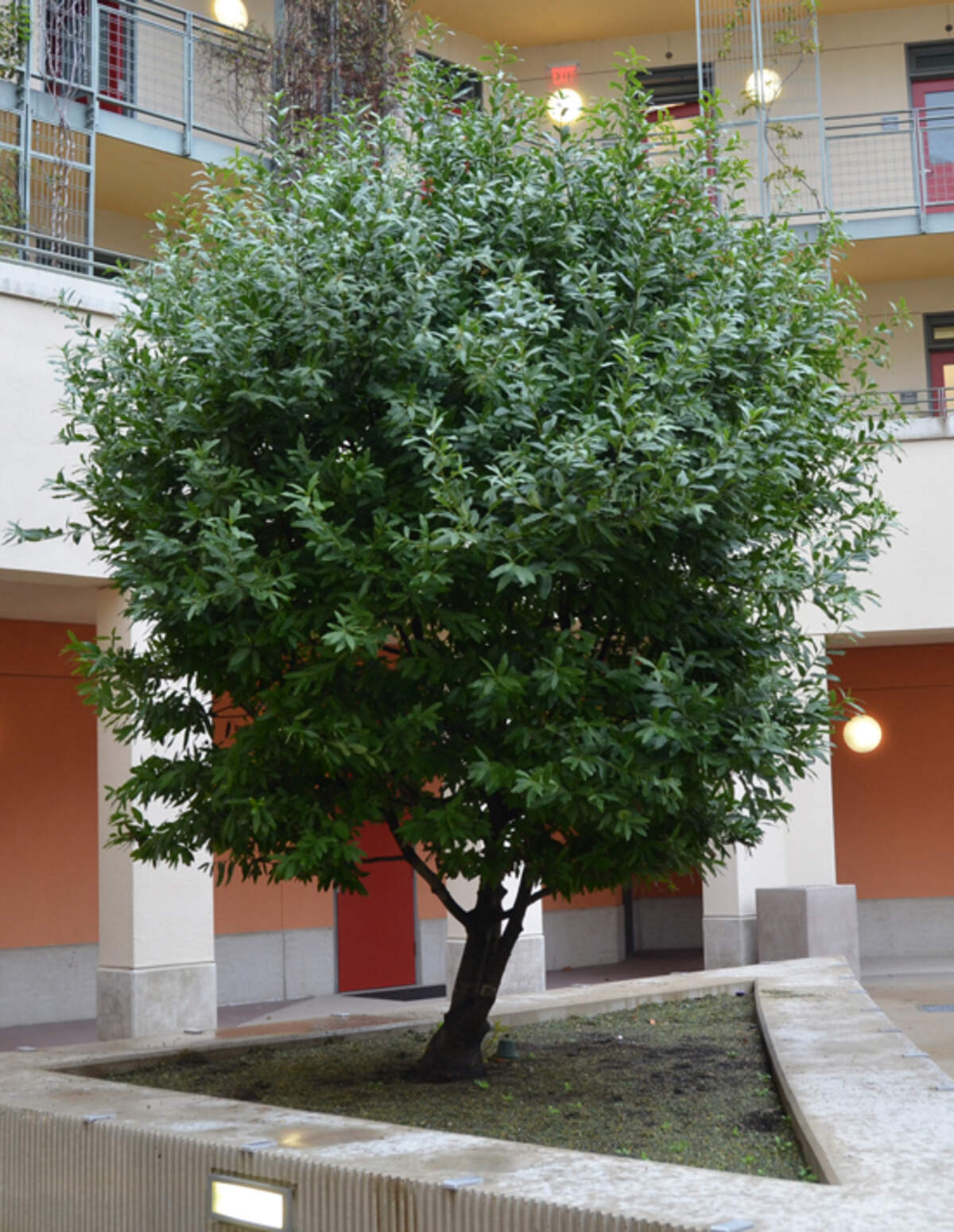
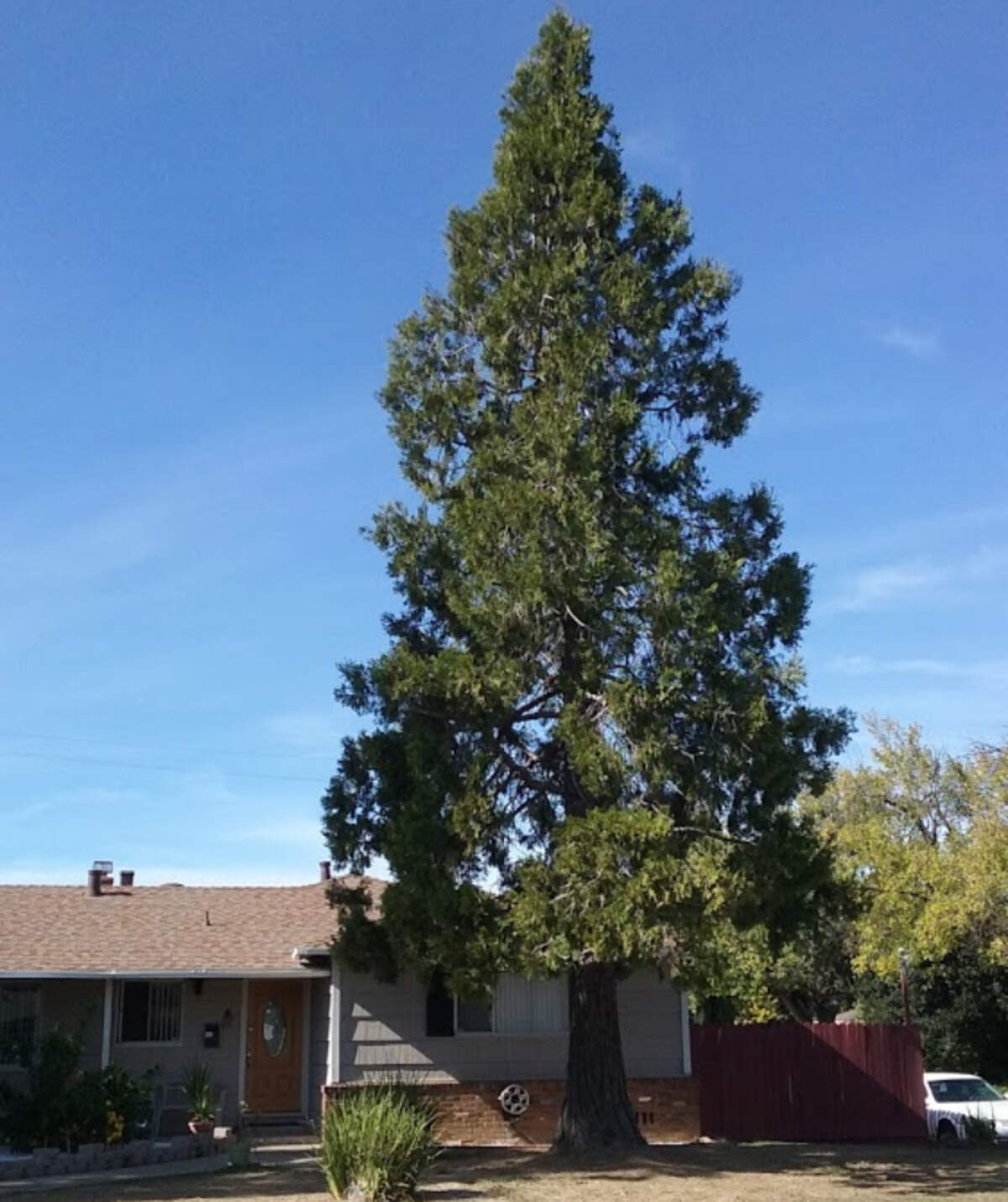
- *Incense cedar (calocedrus decurrens)
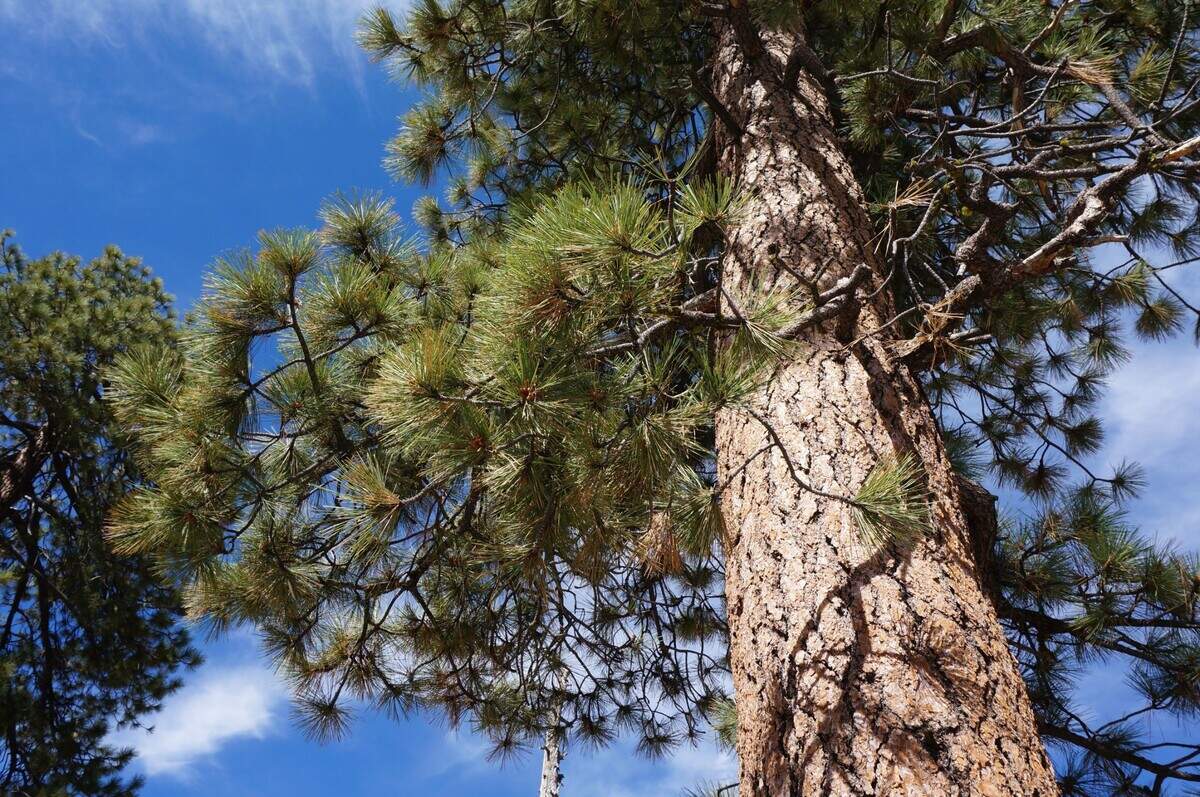
- Jeffrey pine (pinus jeffreyi)
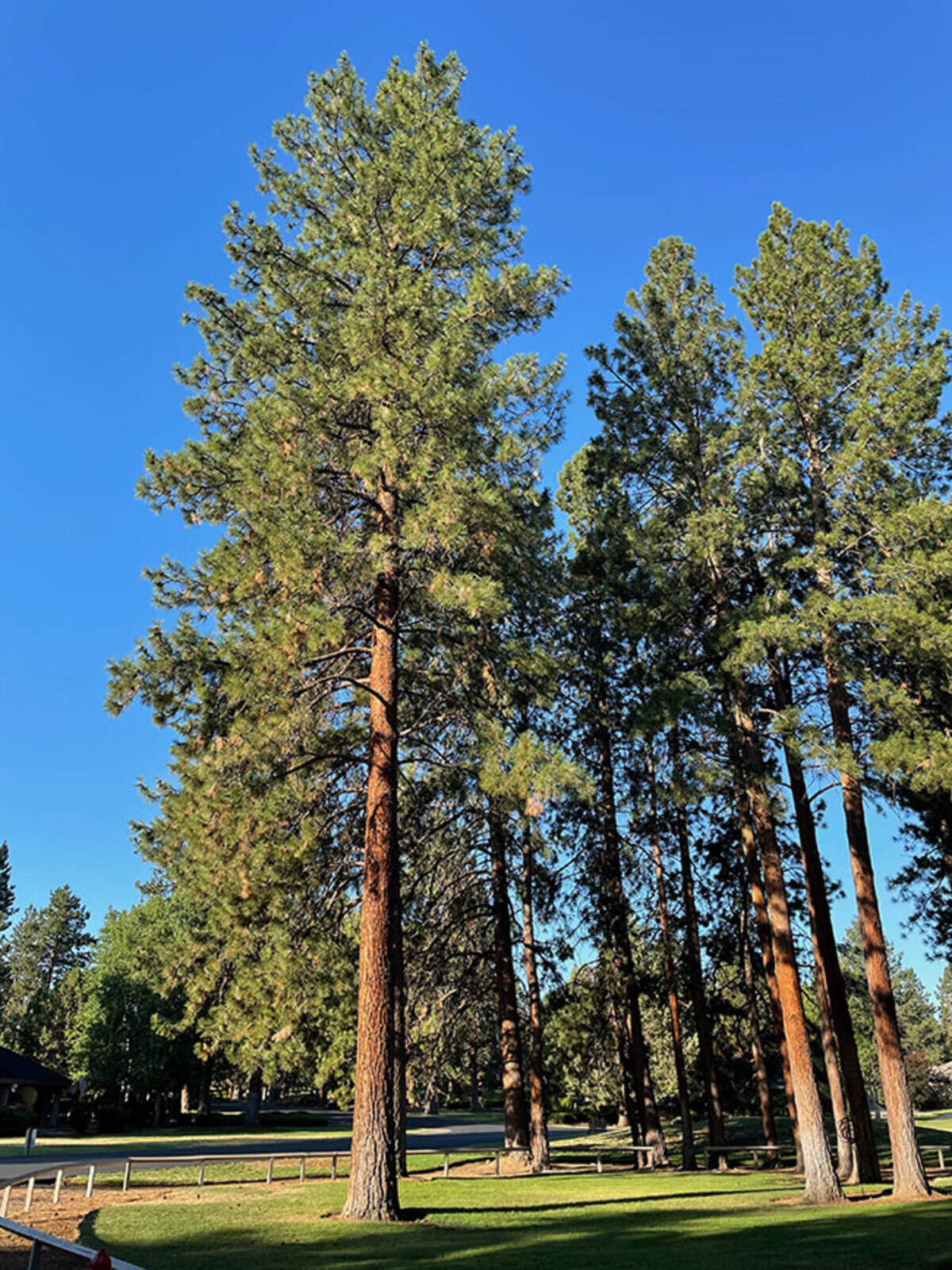
- Ponderosa pine (pinus ponderosa)
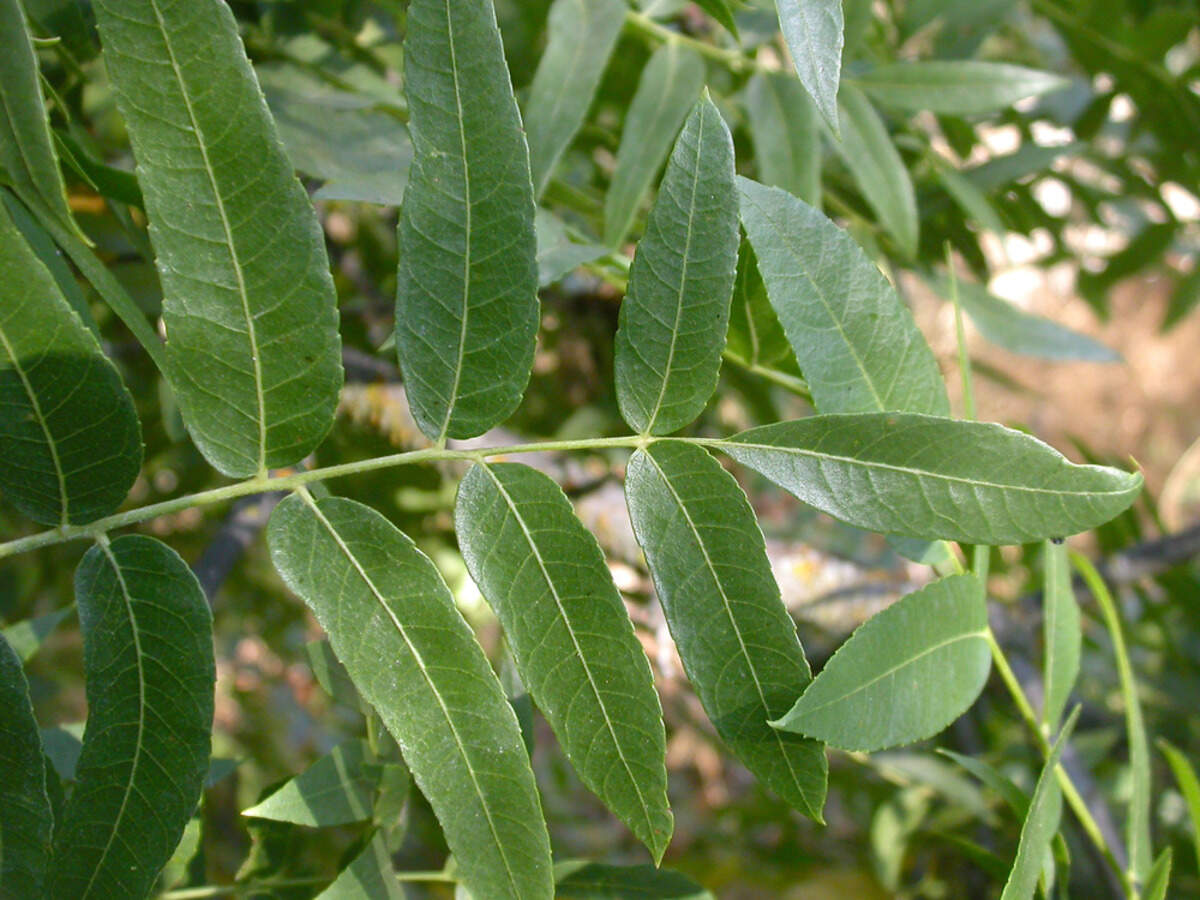
- California black walnut (Juglans hindsii)
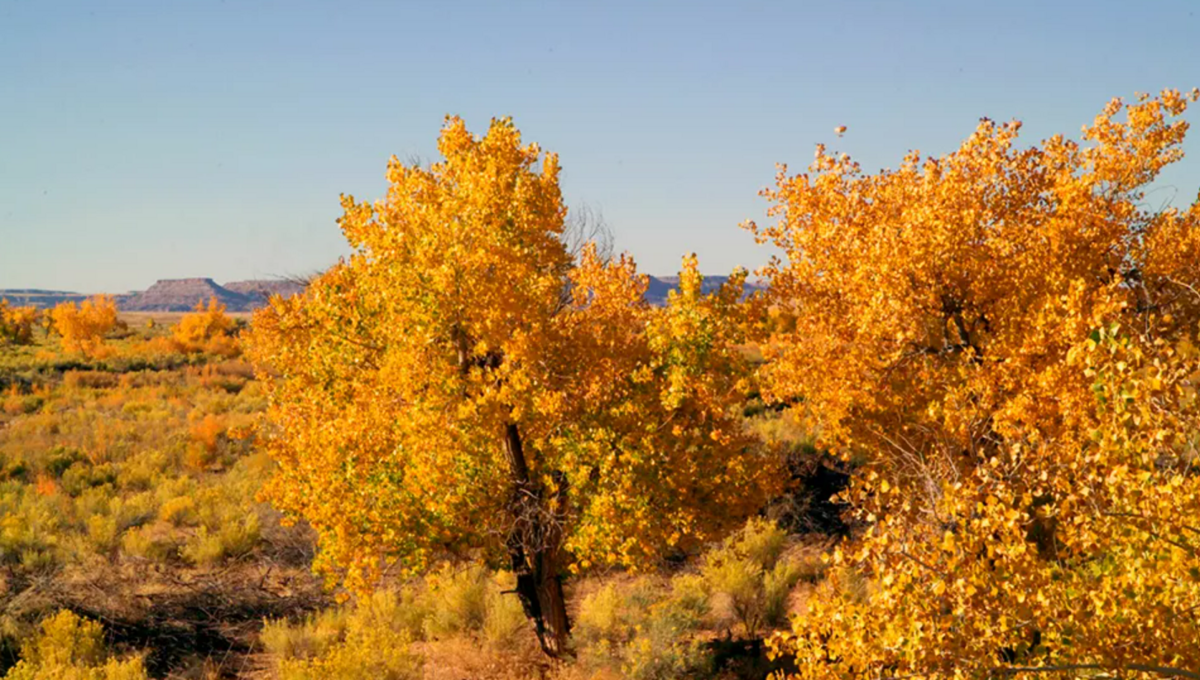
- Fremont cottonwood (Populus fremontii)
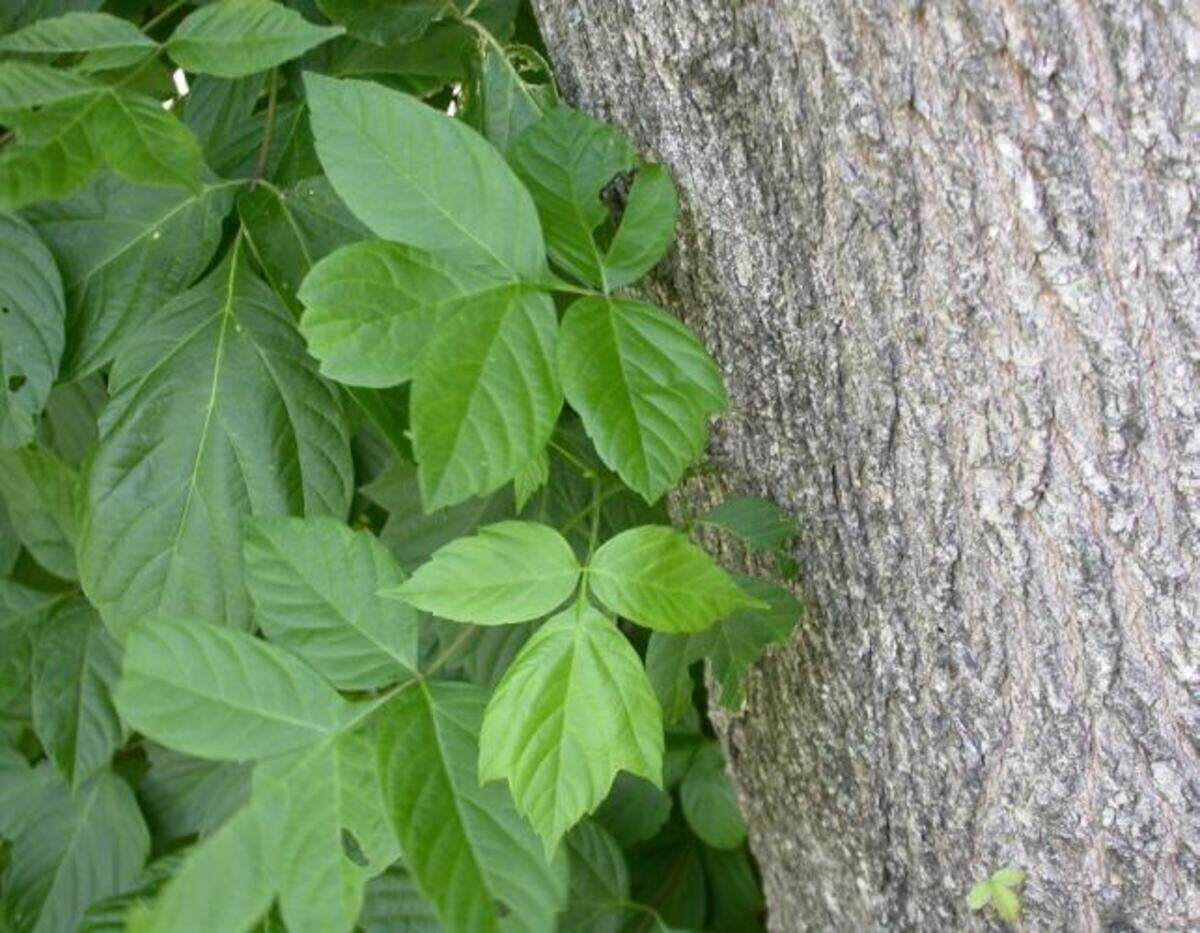
- Box elder (Acer negundo)
- California white alder (Alnus rhombifolia)
Imported trees
Here are a few imported trees, according to the Sacramento Tree foundation’s “Shady 80” list of trees that thrive in the Sacramento region:
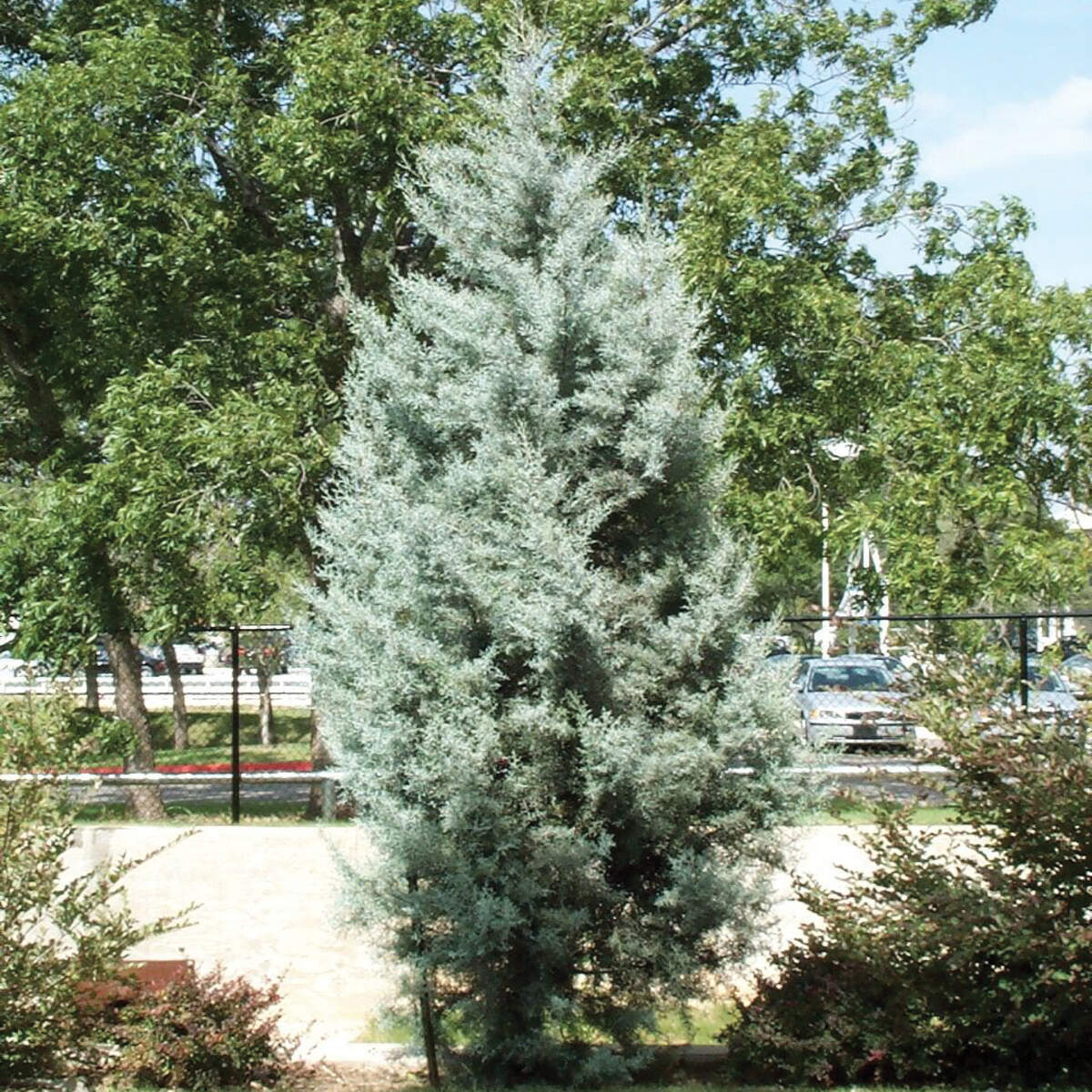
Genus: Cupressus
Species: Arizonica
Height: 40 to 50 feet
The Arizona cypress is native to the Southwestern United States and Northern Mexico. These trees are great for windbreaks, erosion control, Christmas trees and landscape ornamentals.
These trees develop rough, shredding and gray-brown bark. Full sun is the ideal condition.
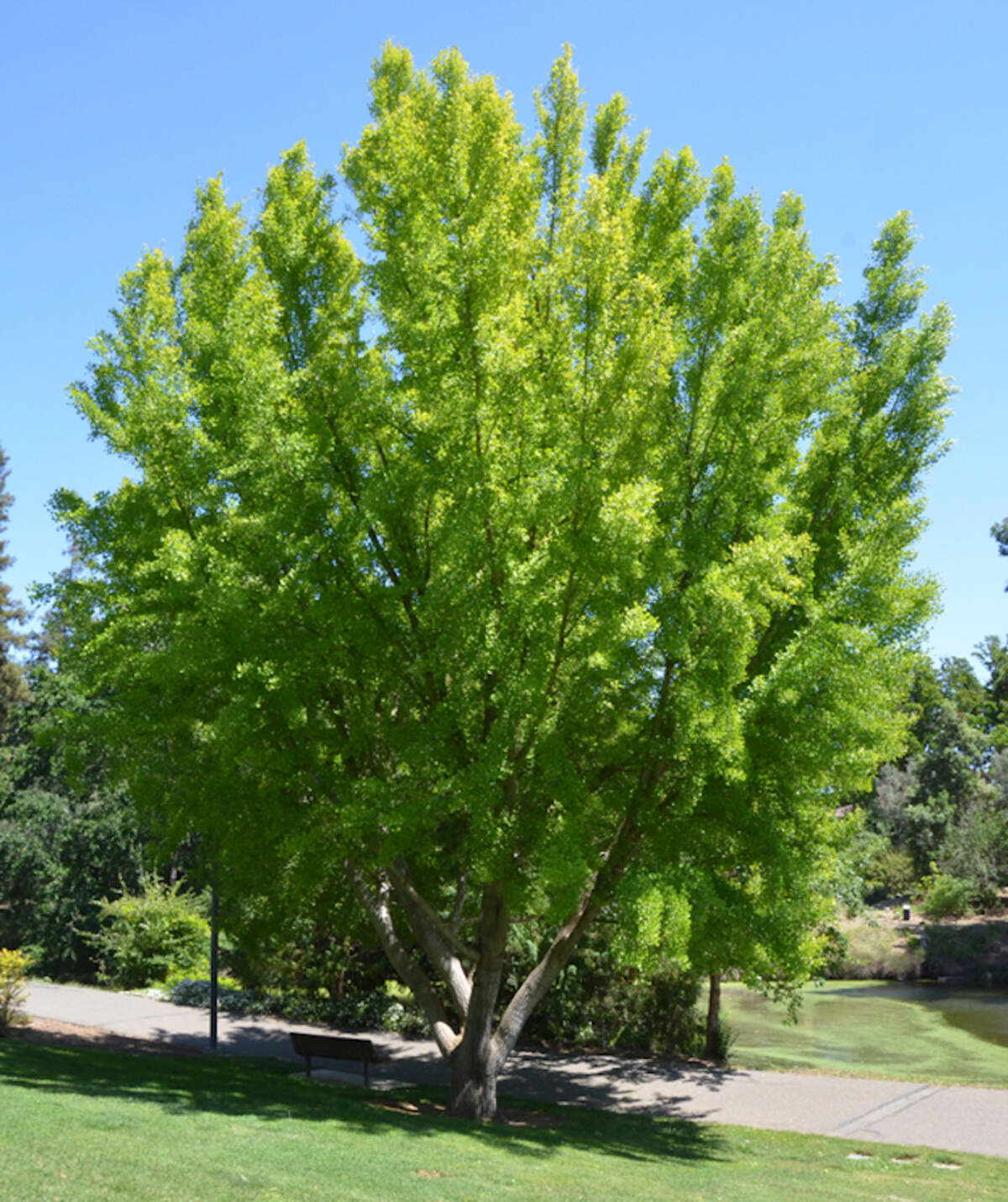
Genus: Ginkgo
Species: Biloba
Height: 45 to 50 feet
Autumn gold ginkgo is known for its unique fan-shaped leaves that turn a golden color in the fall. These large trees have existed since the time of dinosaurs, causing some to call them living fossils.
Ginkgo trees have lasted so long because they are exceptionally hardy and resistant to insects and diseases. And although this tree grows slowly, it makes a great shade tree once mature.
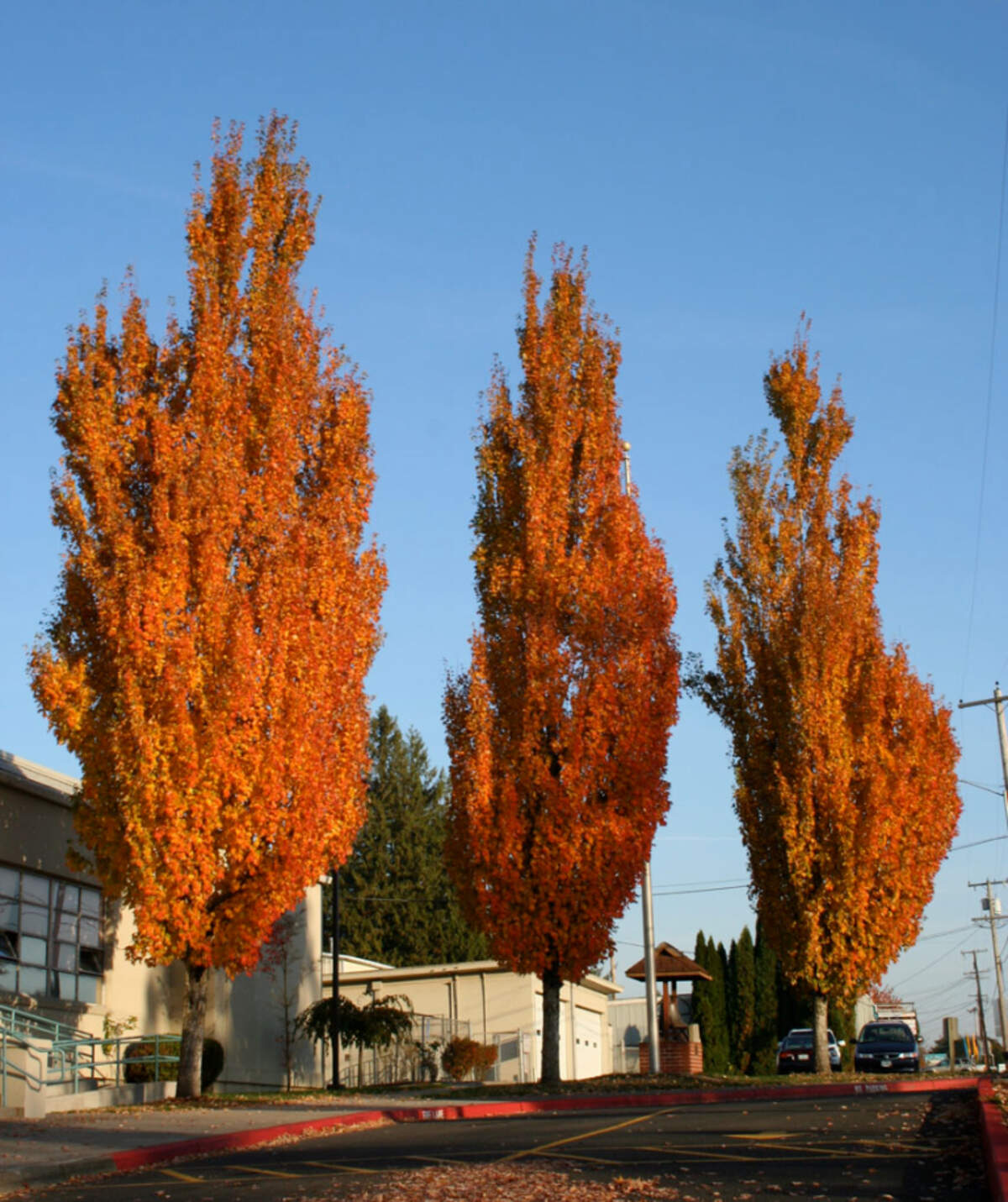
Genus: Acer
Species: Rubrum
Height: 40 to 50 feet
The Columnar red maple, also known as red maple, is a medium-sized tree native to Eastern North America. These trees have a compact, columnar crown and upward-reaching branches.
They require evenly moist soil.
Genus: Camellia
Species: Japonica
Historical figure James L. Warren is reportedly responsible for introducing the camellia trees to Sacramento. Native to several parts of Japan, the camellia tree prefers shade with some protection from drying winter winds and well-drained soils.
These trees are slow to grow and slow to establish but are long-lived plants.
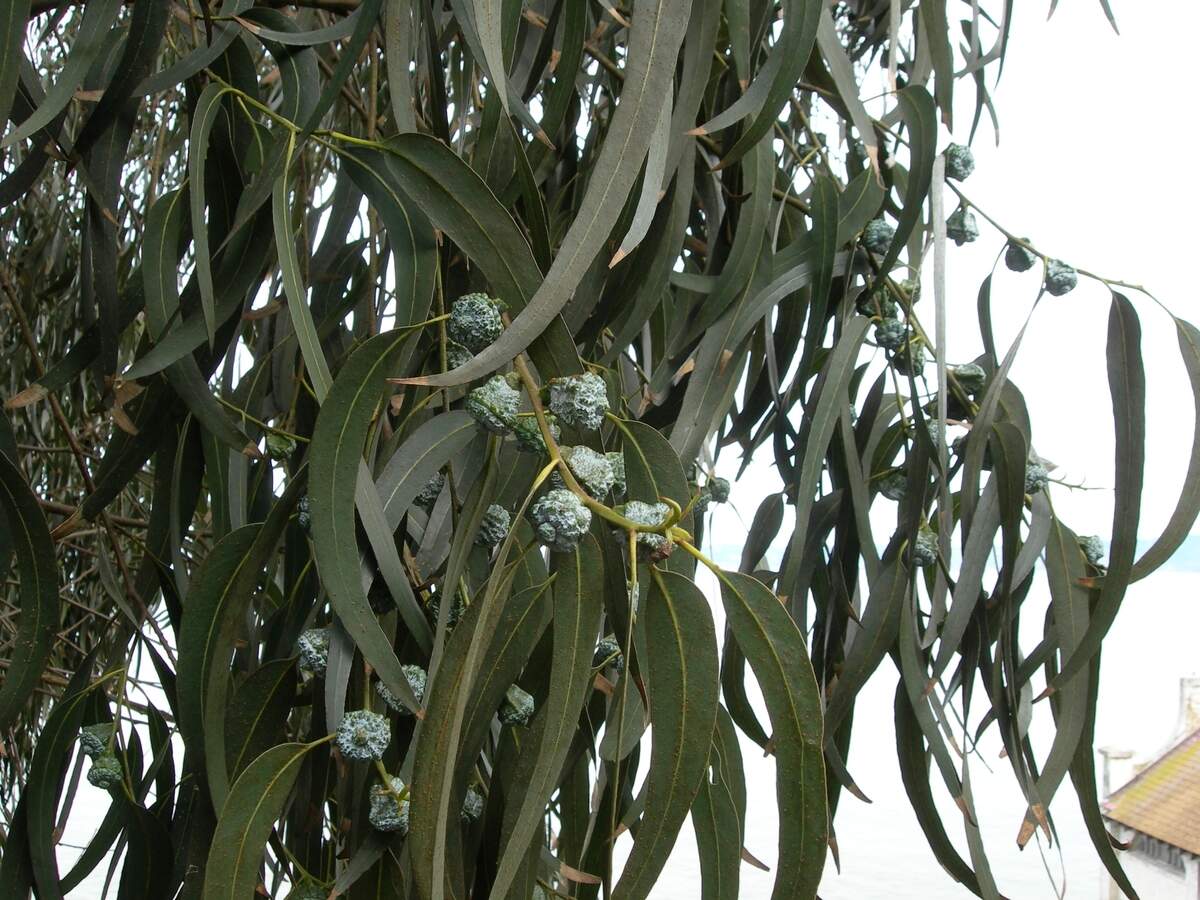
Genus: Eucalyptus
Species: Globulus
The eucalyptus tree was initially introduced to California from Australia in 1869 as a potential solution to the increasing wood shortages and malarial fevers, according to the USDA Forest Service. Evidence of the trees being planted in Sacramento for health reasons dates back to the 1870s when 4,000 eucalyptus were procured.
Palm trees
Palms have been considered unsuitable for Sacramento’s urban forest — as some believe they do not provide shade, collect rainwater or release oxygen as well as other trees do. But according to the Sierra Curtis Neighborhood Association, studies have documented that palms provide the same benefits as most trees.
Palms tend to have smaller canopies than most trees, but more of them can be planted for similar benefits. And because their root system causes little sidewalk damage, they are traditionally found planted in narrow street medians where no other tree species would fit.
Here are the most popular palm trees planted in Sacramento:
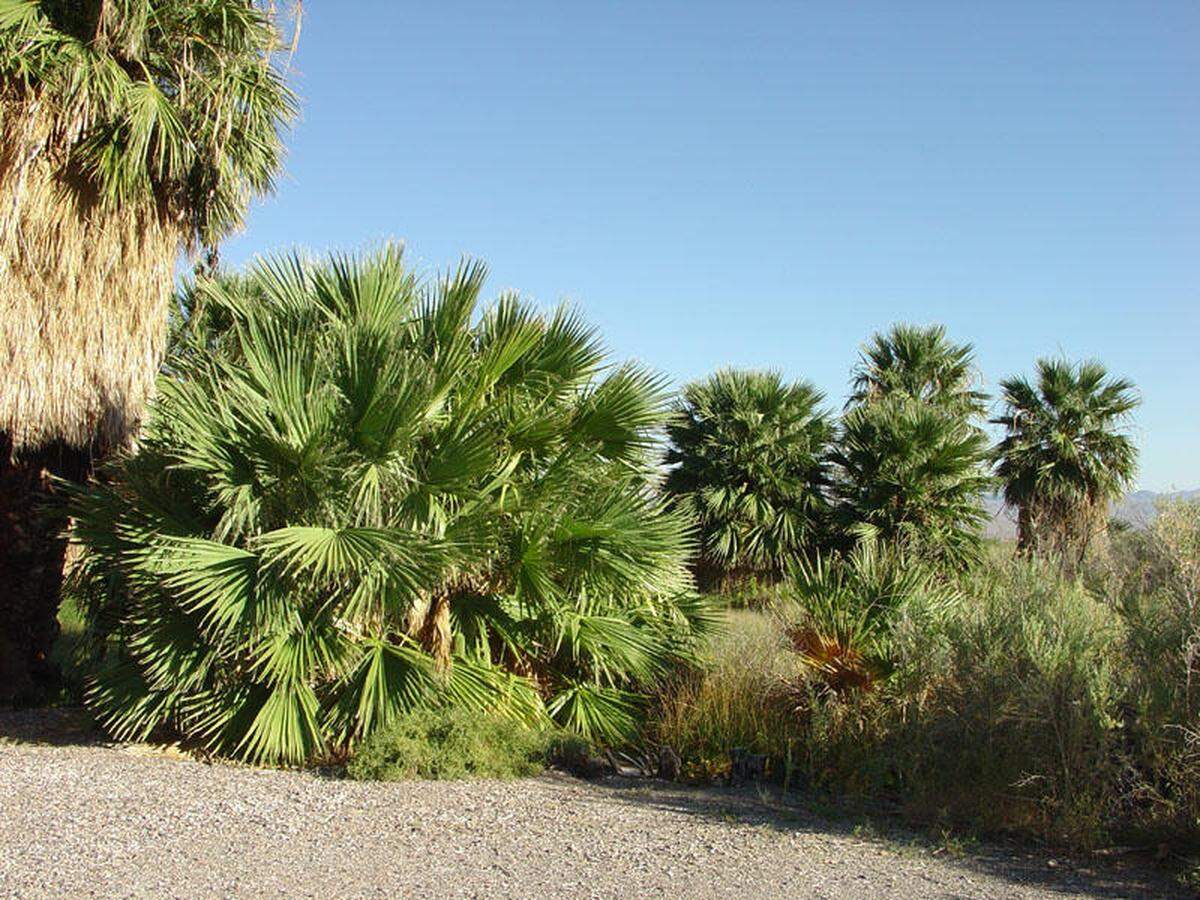
Genus: Washingtonia
Species: Filifera
Height: 20 to 60 feet
There are 2,500 species of palms worldwide, with 11 native to North America. The largest of these, and the only palm tree native to Western North America, is the California fan palm.
Theses trees naturally occur in isolated areas of the Sonoran and Mojave deserts of southeastern California, Southwestern Arizona and Northern Baja California, Mexico.
The fan palm has a large, gray unbranched trunk with horizontal lines and vertical fissures. The plant grows 20 to 60 feet high and has numerous evergreen leaves composed of leaf stalks and hooked spines along the edges.
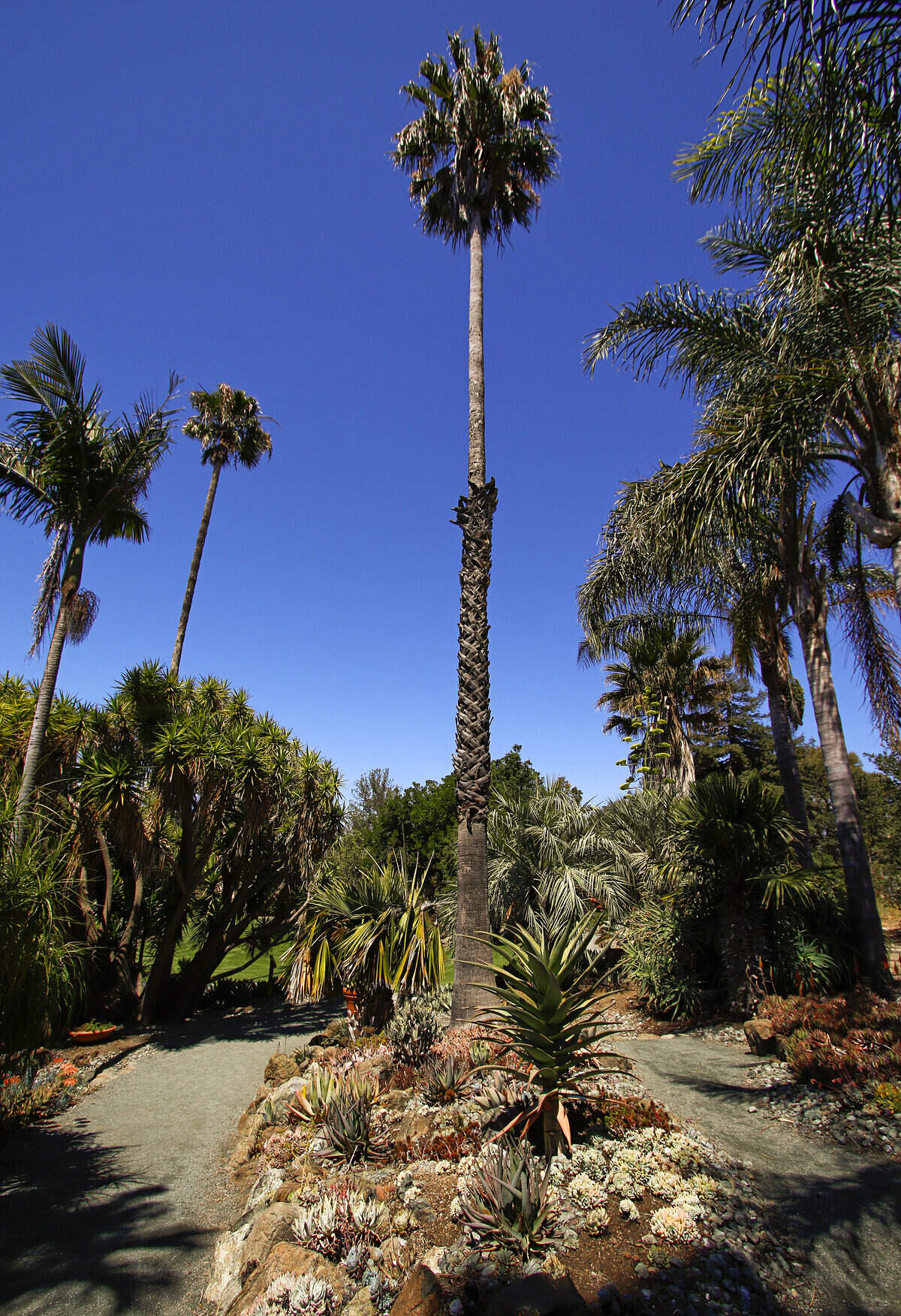
Genus: Washingtonia
Species: Robusta
Height: 70 to 100 feet
The Mexican fan palm is native to Northern Mexican and reaches 70 to 100 feet. These trees require good drainage and aren’t as drought tolerant as might be expected.
Their trunk is thin and tapered reddish-brown, but with time its color fades into gray. Because of their large size, Mexican fan palm trees aren’t suited for gardens or small backyards.
They also run the risk of breaking and uprooting in hurricane-prone areas.
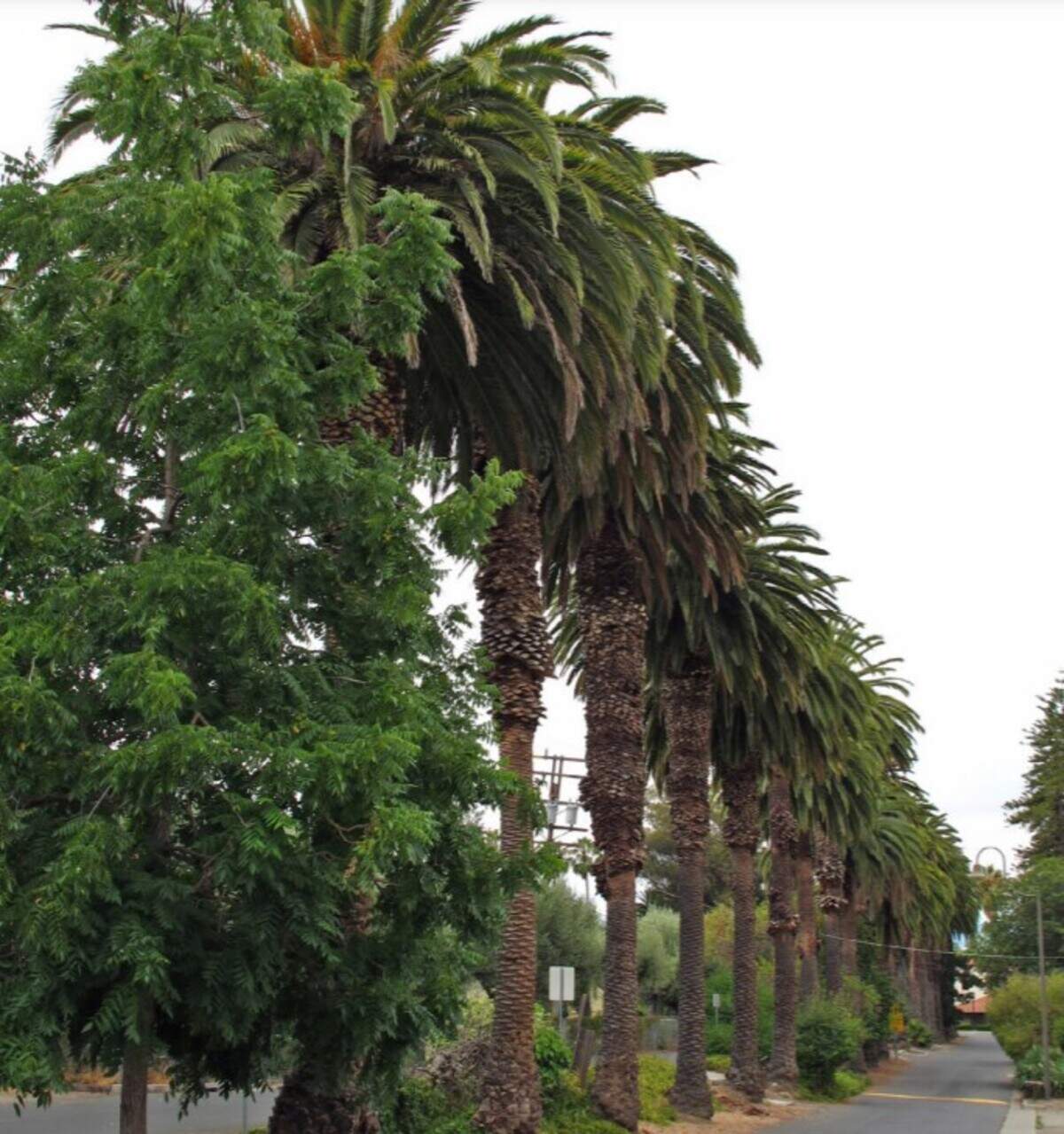
Genus: Phoenix
Species: Canariensis
Height: 50 to 60 feet
The Canary Island date palm is native to the Canary Islands, which is located along the coast of Northeast Africa. In the mid to late nineteenth century, the Canary Island date palm became one of the most widely cultivated ornamental palms in the world.
In Florida and California, these palm trees were planted outside small homes and large estates to symbolize gracious living.
The Canary Island date palm is a slow-growing tree. It’s topped with green stiff leaves and yellow stems that are extremely sharp at their bases and are deep green.
Get free native trees for your property
If you’re a Sacramento Municipal Utility District customer, the Sacramento Tree Foundation can provide free landscape consultations and up to 10 free shade trees regardless if you’re rent, own a home or operate a business. Sign up to schedule an appointment.
*available for free through SMUD
Visit Sacramento Tree Foundation for more information on native and imported trees in the Sacramento area.
This story was originally published February 10, 2022 at 5:00 AM with the headline "A guide to Sacramento’s tree canopy: Get to know the thousands of trees in your backyard."