
Why does Sacramento have palm trees? An ‘image of paradise’ in Northern California
They’re everywhere in California — lining the coast and city streets with tall, slender trunks, and shading passersby with long and vibrant green feathered leaves.
They make up a picturesque sunny California dream: Palm trees fanned out, with leafy crowns silhouetted against the backdrop of an orange sunset.
But despite this signature look, most palm trees aren’t native to the Golden State. And, appearing in cities as far north and central as Sacramento, they may seem a bit out of place.
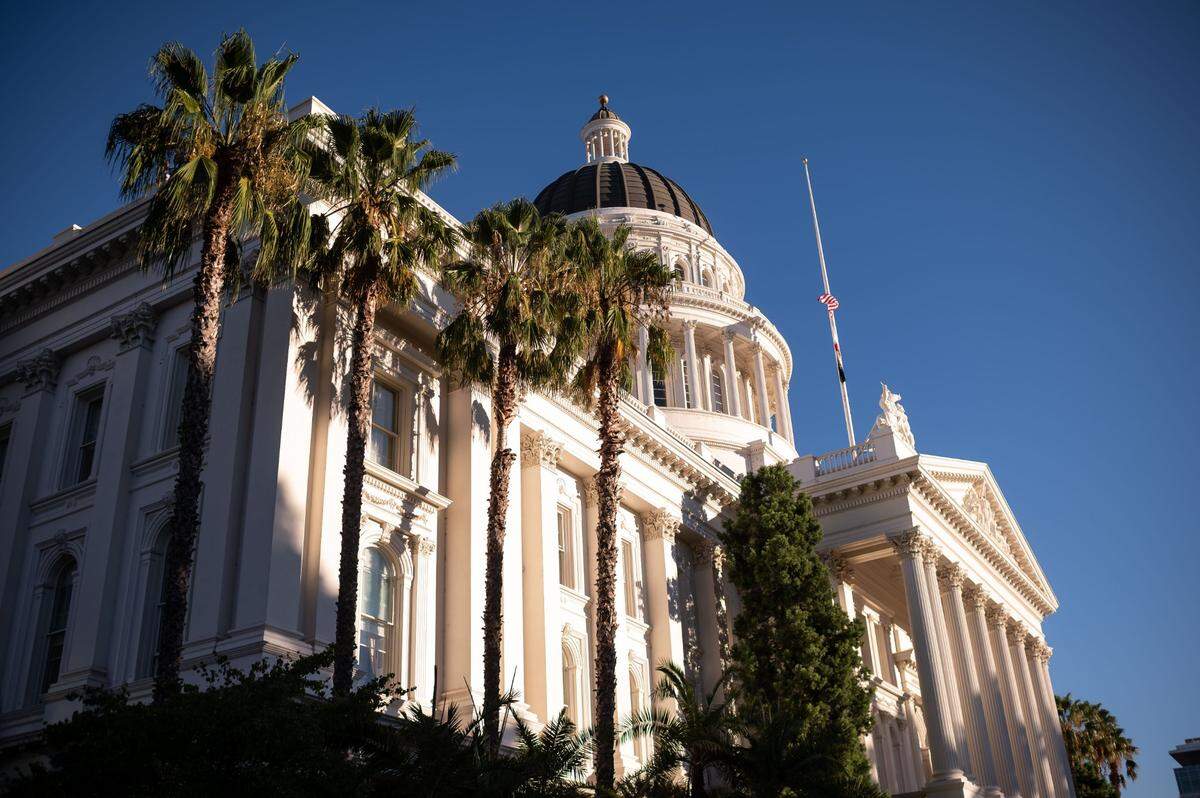
That’s because they don’t actually “belong” here.
Palm trees typically thrive in tropical and subtropical climates. And California is generally considered to have a Mediterranean-like climate with its warm, dry summers and cold, wet winters.
The origins of palm trees are seeded in the South Pacific Islands, Southeast Asia, Northern Africa and India. Only one is actually native to California.
The Washingtonia filifera, also known as the California fan palm or the desert palm, grows in the oases of the Sonoran and Mojave deserts in southeastern California.
Burgeoning as tall as 60 feet high with pointy evergreen leaves and brown, dead foliage hanging from the trunk like a petticoat, the California fan palm has roots throughout the state. It’s planted alongside beaches, city and neighborhood streets and in outdoor shopping plazas.
And while other varieties of palms might not be native to the Golden State, that’s not stopping them from getting imported and stamped into the California horizon.
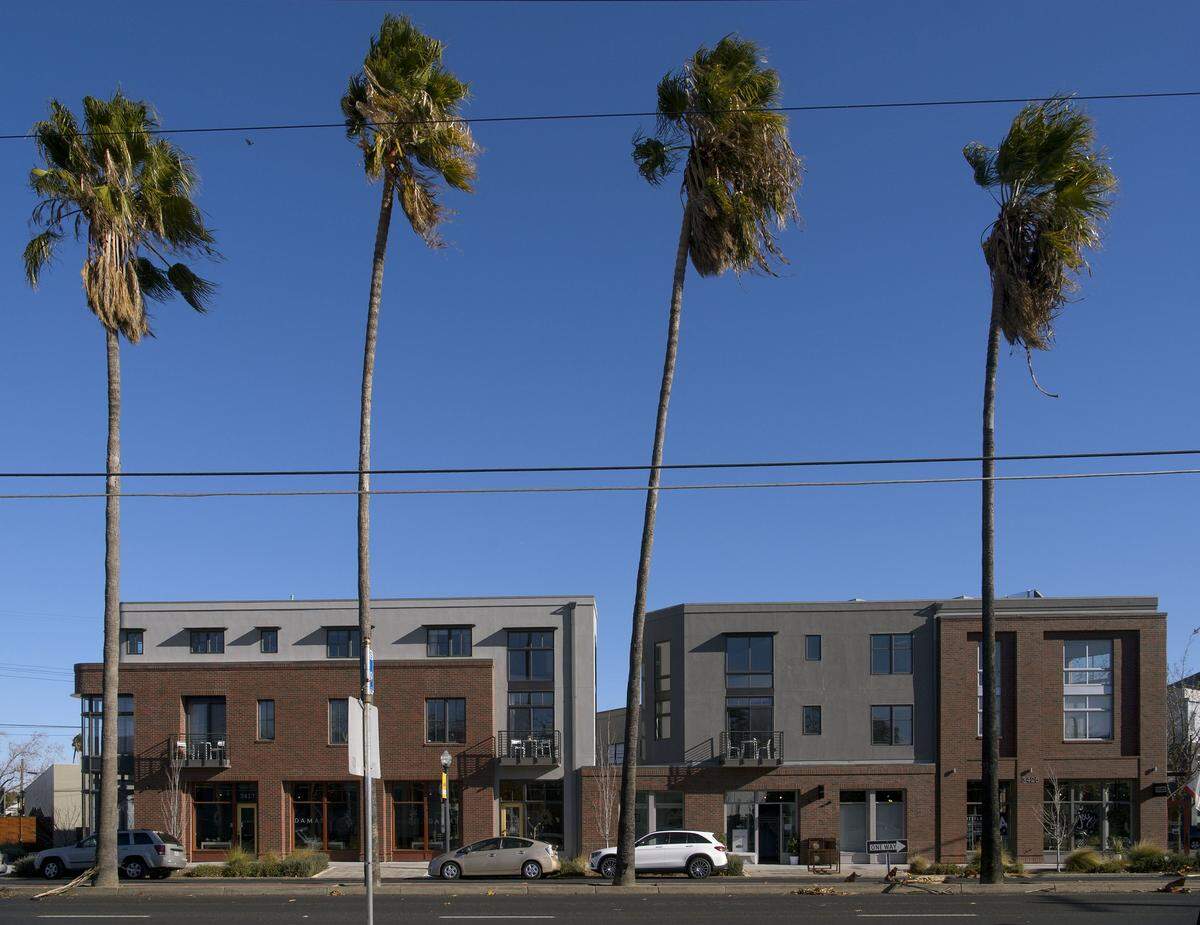
Sacramento: The city of trees
Palm trees were introduced to Sacramento in the Victorian era, said Stephanie Robinson, an ISA certified arborist.
During this time, residents were engrossed with collecting different plants from all over the world and planting them for all to see. And they were especially interested in palm trees, Robinson said.
“Sacramento was really going through a lot of rebuilding,” said Robinson, who also works with the Sacramento Tree Foundation.
In the mid-19th century, fires, the Great Flood of 1862 and the cholera epidemic rocked the Sacramento region. And as the city rebuilt itself, it wanted to reclaim the area as a resort-like place by adopting trees.
Initially, tree planting efforts were in the interest of health — to prevent disease, provide shade to reduce heat-related illnesses and to clean the air, Robinson said. But it became more than just that.
“They had this image of ‘paradise,’ and they equated that with health and greenery,” she said.
Planting beauty into the city
Sacramento underwent a “City Beautiful” movement, which was a city planning and architectural campaign that crusaded throughout the country in the 1890s and early 1900s. While grand city monuments and artful installations were built in the name of city beautification, trees were planted, lining boulevards and city parks.
“Sacramento’s parks were growing in number and each typically required improvements, notably, planting trees,” E. Gregory McPherson and Nina Luttinger wrote in “From Nature to Nurture: The History of Sacramento’s Urban Forest.”
The drive for beautification in the city was far beyond a government urban planning process, too.
“People took it up on an individual level too,” said Robinson of the Sacramento Tree Foundation. “Gardening became more of a hobby.”
At this time, people were beginning to spend more of their days in green spaces, picnicking and enjoying other recreation activities outside.
“The greenery in your city really became associated with civic pride,” she said.
Nationwide, the city beautiful movement has been revered for making many cities what they are today. However, it also perpetuated inequities across the country.
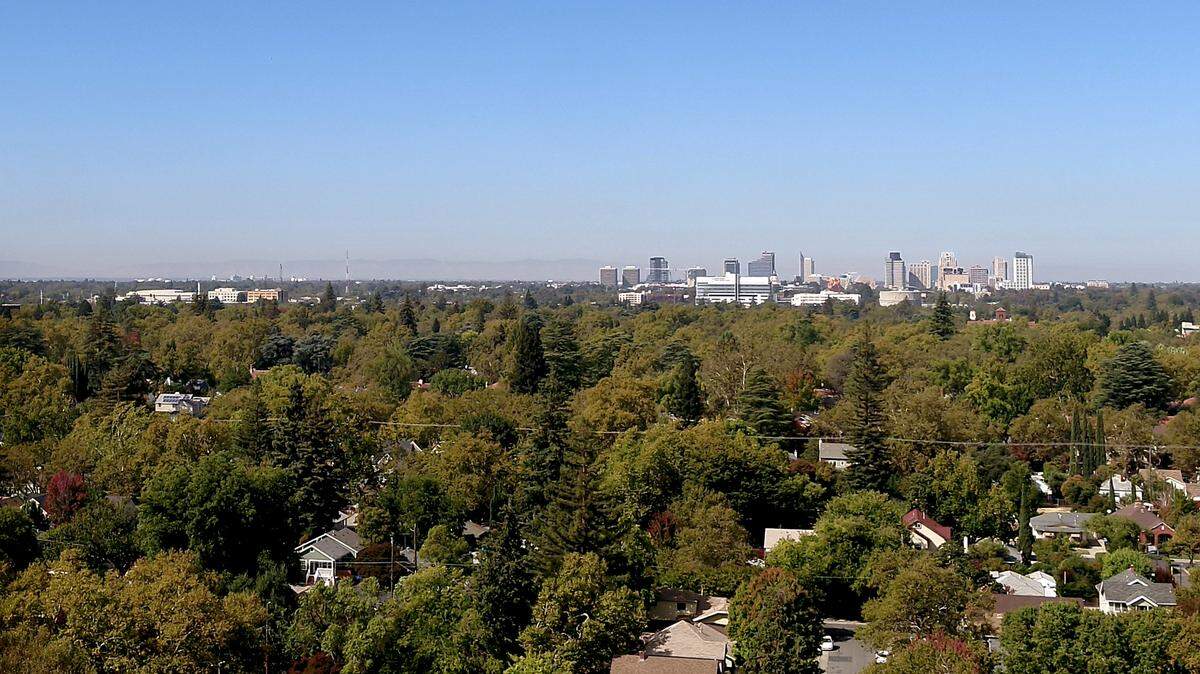
In Sacramento, urban forests divided the city — leaving less affluent neighborhoods behind in terms of overall health, protection from scorching heat and property value. The issue has deep roots in the discriminatory practice of redlining.
A beautiful, but dividing urban forest
C.K. McClatchy was active and prominent in the city’s tree planting plans. An editor for his father’s paper, The Bee, McClatchy boasted about the city’s reputation as the “City of Trees.”
He published obituaries for trees destroyed by vandals and articles lamenting the removal of trees for streets and parking lots.
However, many of the trees still remained, and the city’s goal to reflect a land of paradise came true.
“Sacramento’s maturing tree canopy cover helped change its image from the relatively unhealthful, disease-ridden, and often stiflingly hot city of the 19th century, to a healthful, tree-lined, pleasant city of the 20th century — a City of Trees,” wrote McPherson and Luttinger, the authors of “From Nature to Nurture: The History of Sacramento’s Urban Forest.”
And palm trees could be considered a huge part.
“The palm in the city is to be seen at its perfection — and it is everywhere, too. In many places through town it adorns the sidewalks, like the other shade trees for which Sacramento is noted,” according to a 1894 McClatchy report cited in McPherson and Luttinger’s journal.
Again, this “beautification” wasn’t a reality for everyone.
Places like Land Park, East Sacramento and the Pocket have a higher-than-average number of trees and the largest concentration of high-income households, a 2019 Bee investigation reported. Other areas, with low to moderate incomes, have fewer trees.
How do palms survive in Sacramento?
The Washintonia filifera is the largest native palm tree in the United States and flourishes in well-drained soil and moist climates, similar to its counterparts, according to the California Native Plant Society.
But even in Northern California’s climate, which balances between oceanic and continental — unpredictably rainy with mostly dry days — palm trees are abundant. This is because the ones that are commonly grown in the area originate from climates similar to Sacramento, which is relatively warm, not significantly freezing and kind of arid, said Robinson of the Sacramento Tree Foundation.
Most palms, such as the California fan palm, thrive in places where it’s hot and dry, so they are adaptable to what Sacramento’s environment offers, she said.
Types of palms in Sacramento
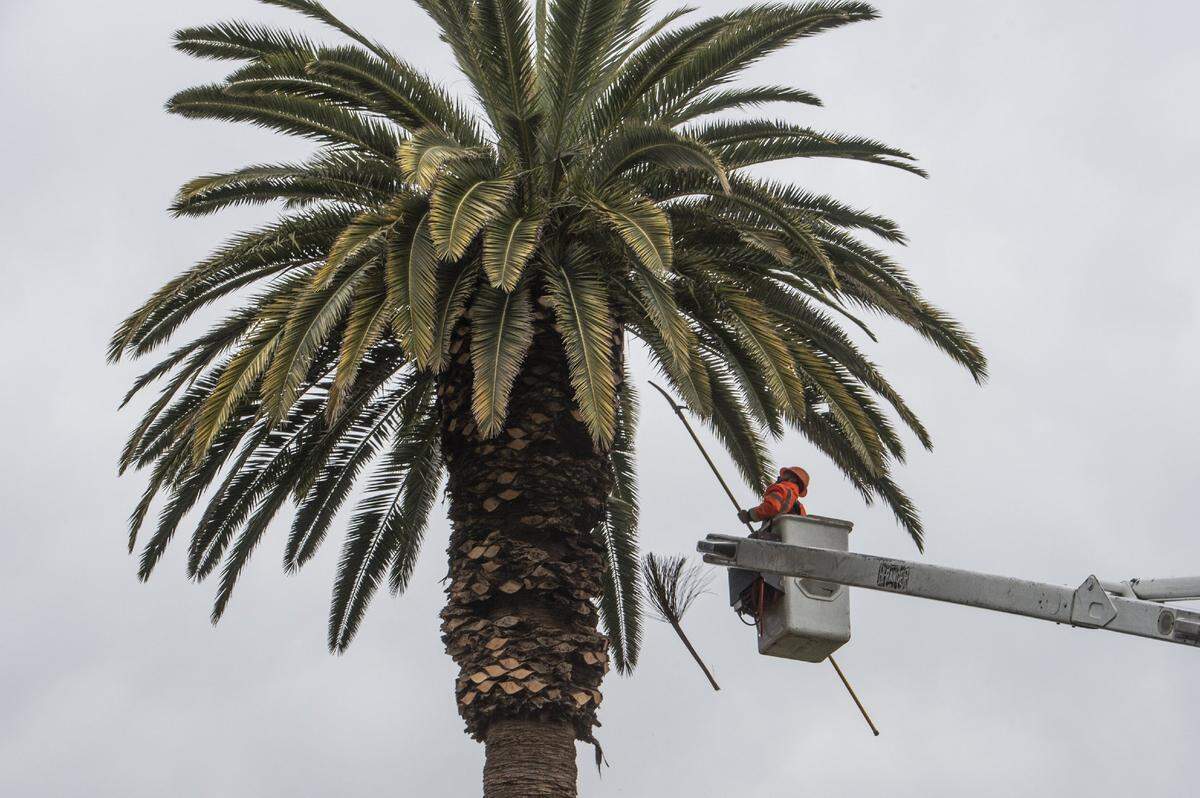
There are different varieties of palm trees that give Sacramento this touch of the tropics. Individuals who wander city streets, however, are likely to catch the three most popular ones in the area — California fan palm, Mexican fan palm and the Canary Island date palm.
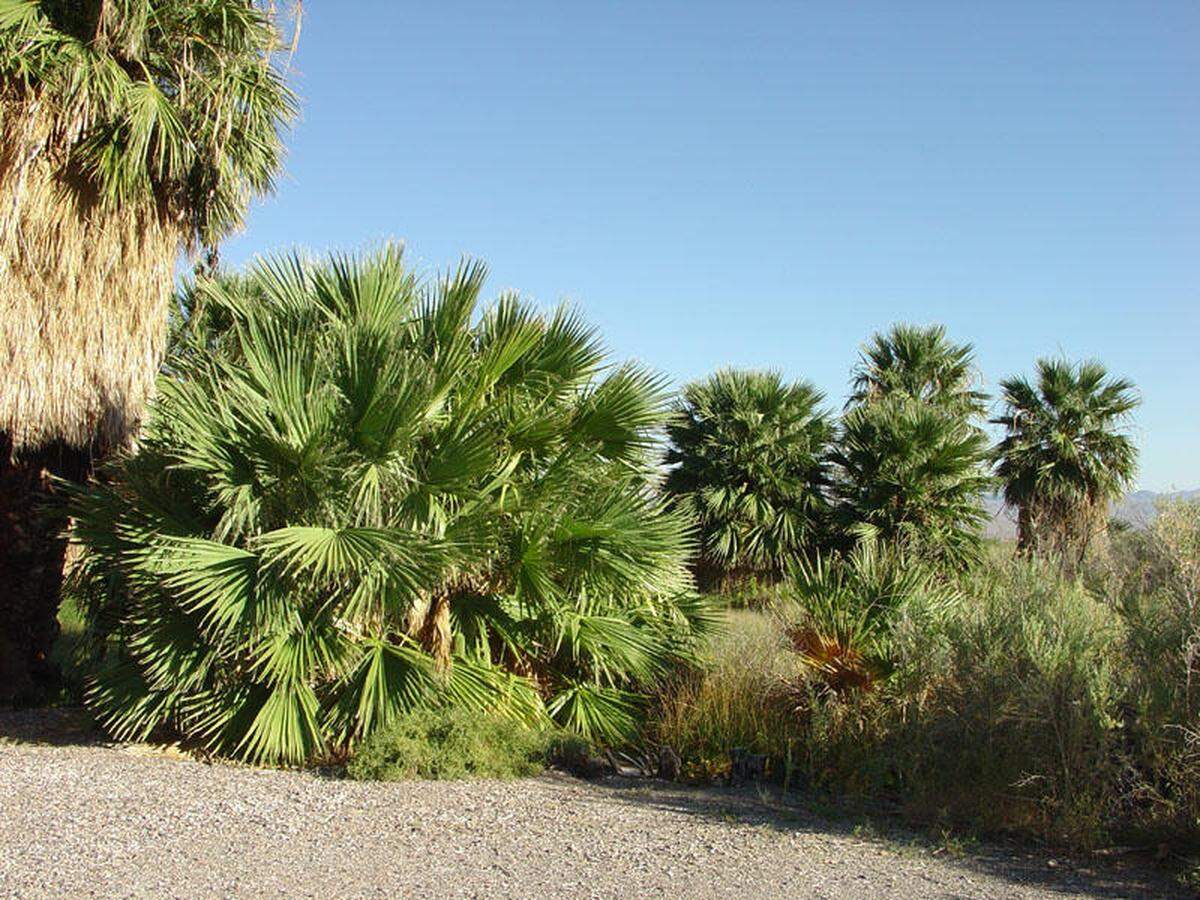
According to the Sierra 2 Center, a community association in Sacramento, these palms are tolerant to drought environments and can survive scorching heat in the summer.
While the appeal of palm trees stems from its aesthetics, these trees are also home to wildlife, such as possums, rodents and birds, making them a staple to the ecology system.
Trees in Sacramento today
The tree planting program in the early 1900s resulted in almost 1,000 new trees planted each year. By 1936, the city was estimated to have had 60,000 trees. Thousands of Arizona ash, camphor, Chinese elms, silver maple, live oak, hackberry and ornamental orange trees — just to name a few — shaded streets, bordered alleys and furnished parks.
Now, about 1 million trees make up the Sacramento tree canopy on both public and private property, according to Kevin Hocker, the city’s urban forester.
And while the capital city’s identity is mostly tied to shade trees, palm trees and their abundance throughout California will continue to be an icon.
This story was originally published January 8, 2022 at 5:00 AM with the headline "Why does Sacramento have palm trees? An ‘image of paradise’ in Northern California."