
Do you hear the crows? Here’s why thousands of the ominous birds flock to Sacramento
Just as the winter sun sinks into the horizon and the night air settles in, loud and hoarse “caws” and rippling “coos” can be heard screeching through Sacramento’s tree-filled cityscape.
Murders of crows flock to the city at dusk to roost, traveling through the sky like an ominous cloud. For decades, thousands of these birds have rained bacteria and fungi-filled droppings throughout the metro, leaving white splatters on streets, sidewalks, monuments, benches and unsuspecting passersby.
The throng of crows isn’t particularly welcomed with open arms. The Downtown Sacramento Partnership, a non-profit that works for the advancement of downtown, has been trying to deter the crows from the area and have them rest for the night — also known as roosting — elsewhere.
The organization has tried pointing beams of light at the crows, using fake models of predatory birds to scare them off and even employing a trained hawk to watch over the city.
And while the crows might retreat to another faraway treetop to avoid the glare of the hawk, they seem to always come back, and not just in Sacramento.
“Crows have been roosting in the city for decades and most mid-sized towns in the valley have resident winter crow roosts,” said Bill Bianco, the president of the Sacramento Audubon Society.
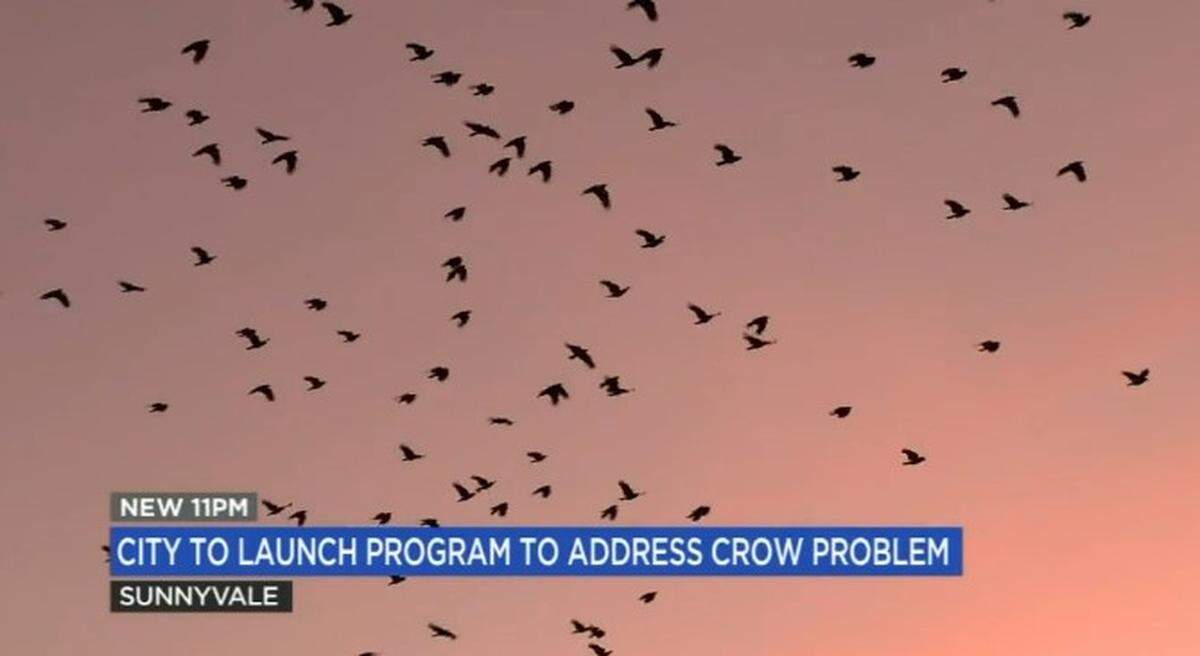
The jet-black crows can be seen in other California cities, such as Sunnyvale where officials are planning to use laser beams to ward off the birds from harassing residents and making a mess in the area.
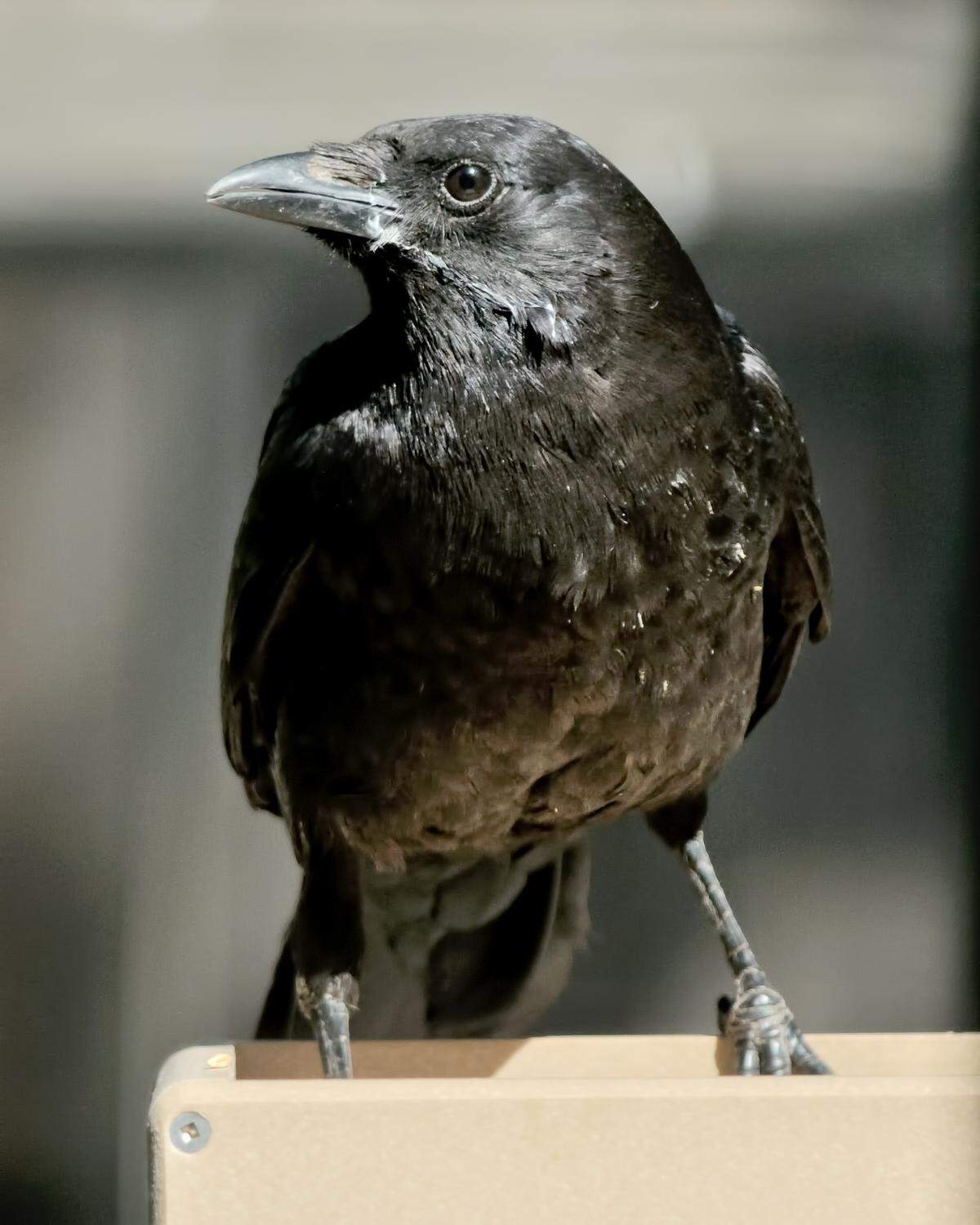
Crows aren’t invasive animals and are native to this area, said Adam Baz, a falconer for Integrated Avian Solutions, the company that works with the downtown partnership. The American crow, one of the more than 40 species of crows worldwide, resides throughout North America, in agricultural areas, grasslands, edges of forests, the coast, suburban neighborhoods and urban centers.
Essentially, there’s no escaping these birds.
Why do so many crows come to downtown Sacramento?
During the day, crows scour for food, finding anything from fruit and insects, to roadkill and leftover scraps, said Bianco of the Sacramento Audubon Society.
You may even find them rummaging through garbage cans and dumpsters, stabbing their slightly hooked black beaks into any edible trash. According to the Animal Diversity Web by the University of Michigan, crows also prey on smaller animals, such as mice and frogs. And on occasion, they may eat eggs and baby songbirds that are too young to leave their nest.
“They’ll eat just about anything,” Bianco said.
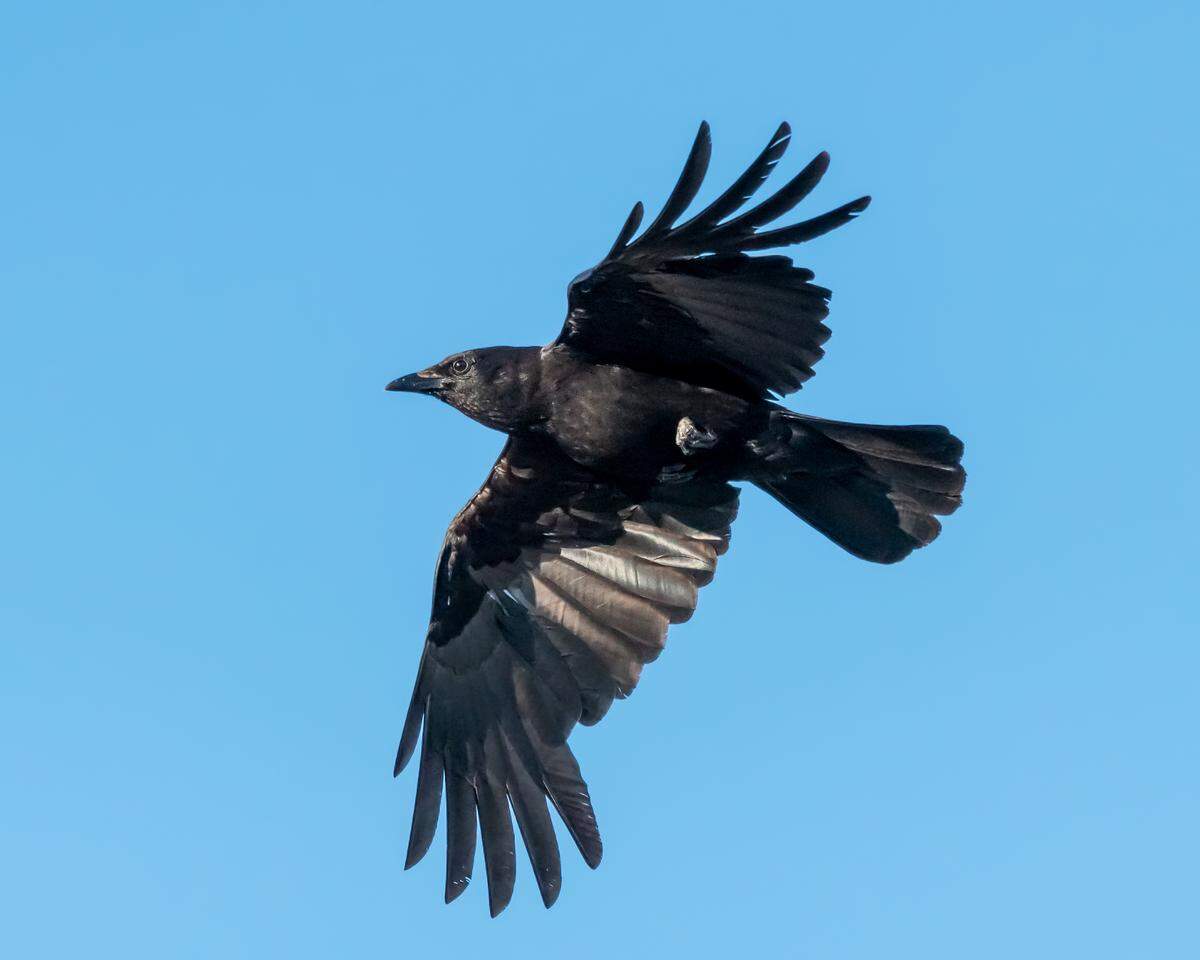
By dusk, the omnivorous birds retreat to the city.
“Cities experience a ‘heat island effect’ and are warmer than the surrounding area because of absorbed heat from city structures,” Bianco said. The heat island effect refers to when buildings, streets and other infrastructures soak up and release the sun’s heat during the day.
The crows also have access to many foraging opportunities from all directions when they are in the city due to the dense, centralized trees in the area.
Like black speckles of confetti in the sky, the crows fly in huge flocks, called murders, for protection from predators, Bianco said. This includes owls — which hunt at night — red-tail hawks and snakes. Traveling in big numbers also allows the crows to roost together in warmth during the winter, he added.
Did the downtown Sacramento hawk work?
The hawks have been helpful to some degree in moving the crows to higher vegetation areas and away from concrete and pavements.
Since the pilot program in December 2019, the downtown partnership has seen a significant decrease in droppings, which has helped its maintenance team with keeping the downtown area clean and safe, a spokesperson from the organization said.
According to the partnership, it has continued to expand the program to upkeep downtown. Since crows are usually a problem in the winter, the partnership will typically work with a falconer from October through May, depending on its needs.
But even hawks won’t make these birds go away completely.
How many crows are there in Sacramento?
According to the American Bird Conservancy, there are 27 million American crows spreading their glossy, feathered wings throughout parts of the continental U.S. and Canada.
Estimates of how many crows are in Sacramento range in the thousands.
It’s difficult to count, said Baz of Integrated Avian Solutions, but he estimated that there are tens of thousands of crows in Sacramento and the roosts in downtown contain 3,000 to 6,000 crows.
The Sacramento Audubon Society’s Christmas Bird Count in 2021 reported 3,286 crows within a 15 mile radius of the center of Sacramento.
Where do they go after their roost?
The crows will rest in the city during the winter, until around March when breeding season begins, Bianco said.
While some local birds will stay in the city, most will spread out and scatter in the countryside or where there are trees to make nests in.
“That’s why you don’t see them so much in the summertime,” he said.
Are they important to the environment?
Bianco said crows are important, like any other bird, as they eat a lot of waste and dead animals. This helps with decomposition.
According to the Animal Diversity Web, American crows “do not have significant, unique roles in particular ecosystems.” But they do likely help promote seed dispersion since they eat fruit and nuts. They also eat pests, such as insects, on crops, although they might leave some damage to the plant.
Don’t pester them, they’ll remember you
Crows are known to be a nuisance, squawking through the evening, scattering garbage and spreading disease with their droppings. But you might want to be careful when deterring them away, as they are known to have a very good memory.
“Crows can recognize human faces and remember whether that face presented a threat or a benefit,” Audubon California wrote on its website. “Crows will even seek revenge on specific humans that have harmed them in the past.”
According to the organization, if there are a lot of crows in your neighborhood, it’s likely because of you.
“Crows know how to take advantage of food resources, such as open trashcans, and will breed to exactly the level of available food resources,” it wrote.
So you might want to keep those bread crumbs in your pocket when you’re on your stroll.
Have questions? Email utilityteam@sacbee.com.
This story was originally published January 15, 2022 at 5:00 AM.