
For these Sacramento seniors, dancing and tai chi can create communities – and prevent suicide
Picture this: A group of seniors stand in a circle, feet parted, arms out, learning to breathe. In the middle of the classroom stands an instructor, who shows them the next move in Vietnamese. Fast-forward an hour later – the seniors regroup. They twirl and swing around in pairs as old Cantonese pop music blasts in the stereo.
At the ARI Community Services Center on El Paraiso Avenue in Sacramento, the Vietnamese, Chinese and Hmong seniors gather every Wednesday to attend the classes. The sessions are for improving fitness and are free of charge.
And their underlying goal: suicide prevention.
Trauma before and after immigration
The program is a part of an effort since 2012 by Asian Pacific Community Counseling to reduce the risks of suicide among the Asian American and Pacific Islander community, the most underserved community in the Sacramento region, said Lakshmi Malroutu, APCC’s Chief Operations Officer. APCC is a community-based nonprofit funded by Sacramento County’s Division of Behavioral Health to organize the program.
Many AAPI seniors isolate themselves due to language barriers and difficulties navigating the new systems after immigration – another traumatic experience in addition to the trauma many faced back home due to war. Isolation, hopelessness and loss are risk factors that could lead to suicide.
Early intervention programs have to unpack that trauma, especially for members of the Southeast Asian community – Vietnamese, Cambodian, Laotian, Hmong and Mien – who came to the U.S. involuntarily as refugees, said Khanh Dinh, a psychology professor at the University of Massachusetts Lowell.
“Many experienced the loss of their countries, death of loved ones and sexual abuse in their country of origin or during migration,” Dinh said. It is important not to re-traumatize participants, she added.
The suicide rate for Asian American men and women 65 or older is the second highest among all age groups, following those 15-24, according to 2016 data from the Office of Health and Human Services Office of Minority Health.
With lower health literacy and stigma, Asian Americans tend to underuse mental health services compared to other racial groups, said Richard Lee, a psychology professor at the University of Minnesota.
The prevention and early intervention program is designed to help Asian Pacific Islander seniors alleviate loneliness, isolation and feelings of low self-esteem, Malroutu said.
The program mainly targets the Vietnamese, Chinese and Hmong communities – the three largest AAPI groups in Sacramento – but all are welcome, and applicants are not screened. Program coordinators and volunteer instructors speak all three languages and English. Group size varies from 20 to 45.
A reminder of life back home
Long Luong, 79, sat straight with clenched lips and a stern look in his eyes. But his face lit up when the music started. He led his wife to the dance floor and began to waltz.
As a general who fought in the Vietnam War, Luong was one of the higher ranking officials sent by the communist government to a re-education camp near the Chinese border for 10 years before his release in 1985. Five years later, he fled to Sacramento with his family as refugees.
The torture and harsh labor left him weak and ill. Sleeping was a struggle – flashbacks of the time in jail where he was beaten and poorly fed haunted him. He was diagnosed with depression.
Luong learned about APCC’s tai chi and ballroom dancing classes through his friends.
“When I was a younger man, ballroom dancing makes me happy. It was one of the social activities when I started working in the government. On the weekends I would get together with my friends and go dancing, sometimes at home or in dance clubs,” Luong said in Vietnamese. He has been an active participant for eight years.
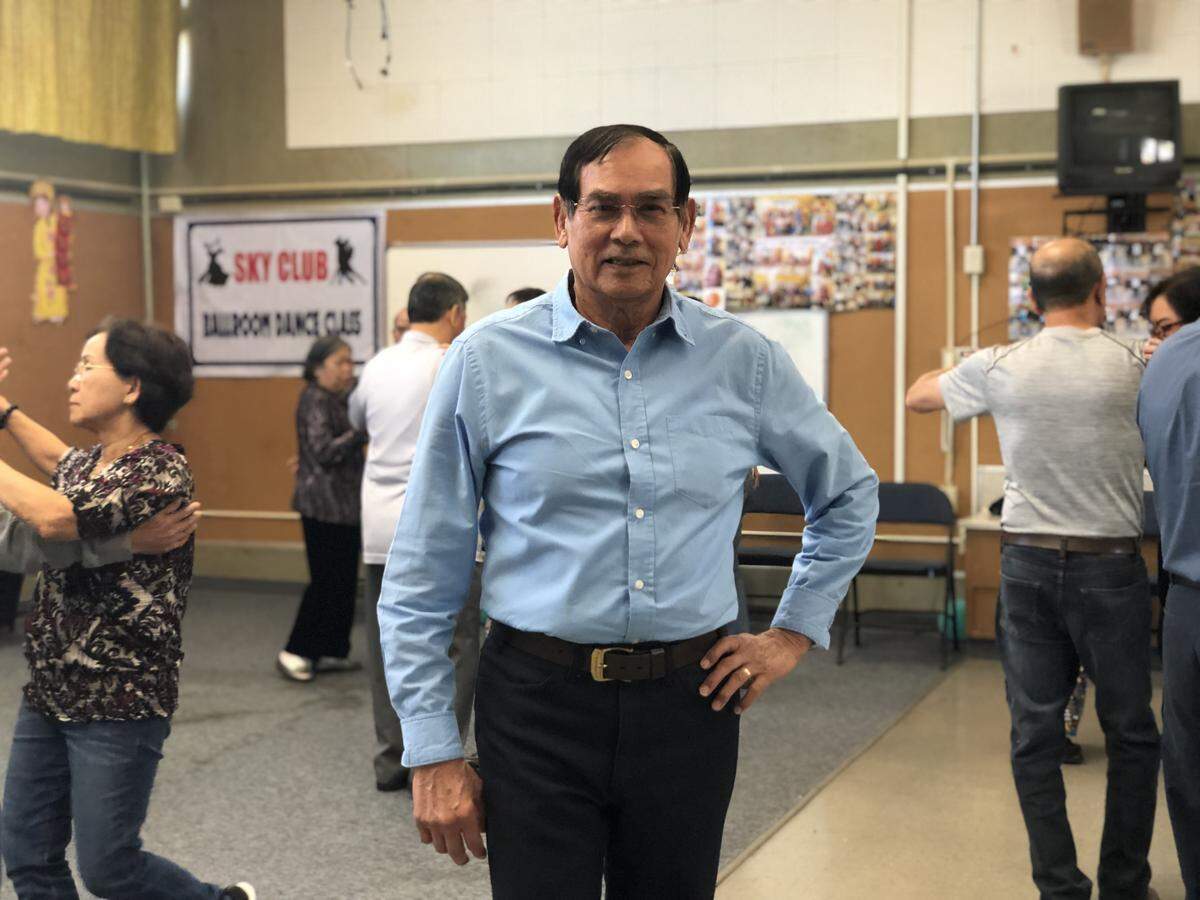
The classes allow participants to connect with their old country, and “re-create a piece of home” in Sacramento, Malroutu said.
Tai chi is also a popular exercise among many seniors. Sam Le, volunteer instructor, noted how the familiar environment allows participants to open up, ask questions and be educated about how things work in the U.S.
“Due to isolation, immigrants cannot connect with the current events and prepare themselves mentally. So when things such as the power shutdown happen, they will very easily panic and become scared,” Le said.
Community-based programs like tai chi and ballroom dancing are a ground-up rather than top-down approach to suicide prevention, Dinh said. By intentionally not addressing suicide, which could be more shame-inducing, participants are fully immersed and can reap benefits just as effectively, Lee said. Through creating communities and improving their fitness, the elderly can find a sense of belonging and regain their sense of agency and purpose.
“They will feel seen, that they still connect with others,” said Matthew Mock, a professor of counseling psychology at John F. Kennedy University.
“Practicing something cultural makes the activity relatable,” he said. “Also people are more open to join if it is going to promote their health. They are more receptive to addressing health issues – better than prevention programs with an emphasis on mental health, as that would instill more stigma.”
‘The happiest day of the week’
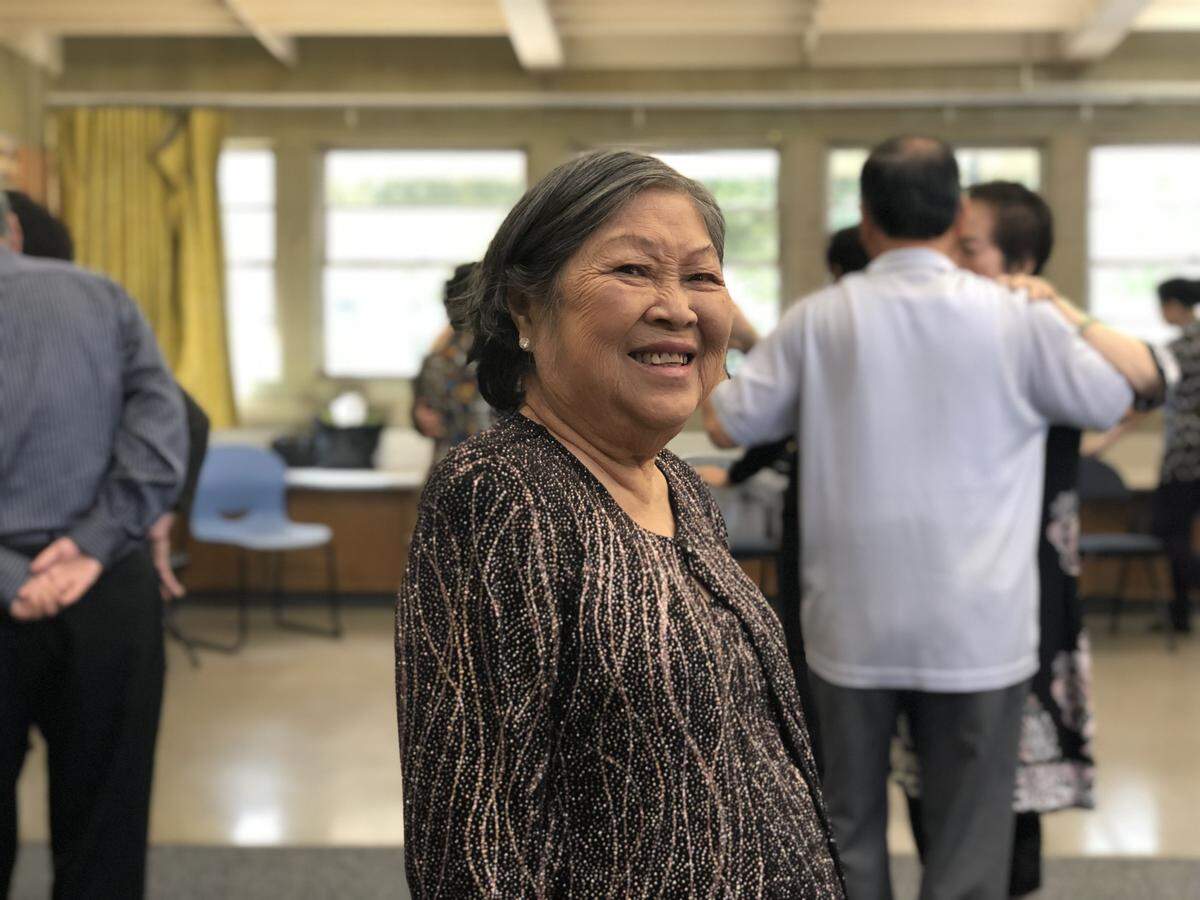
Ann Chu, 89, has been a participant for eight years. She said she wants to exercise and keep herself healthy, and her favorite thing about the program is the music.
“I made a lot of good friends here. The activity makes me feel better. I can see a lot of things better in my daily life. I have new friends and want them to come and learn,” Chu said in Vietnamese. She and a couple of other participants sometimes make and bring lunch for the class on their own initiative.
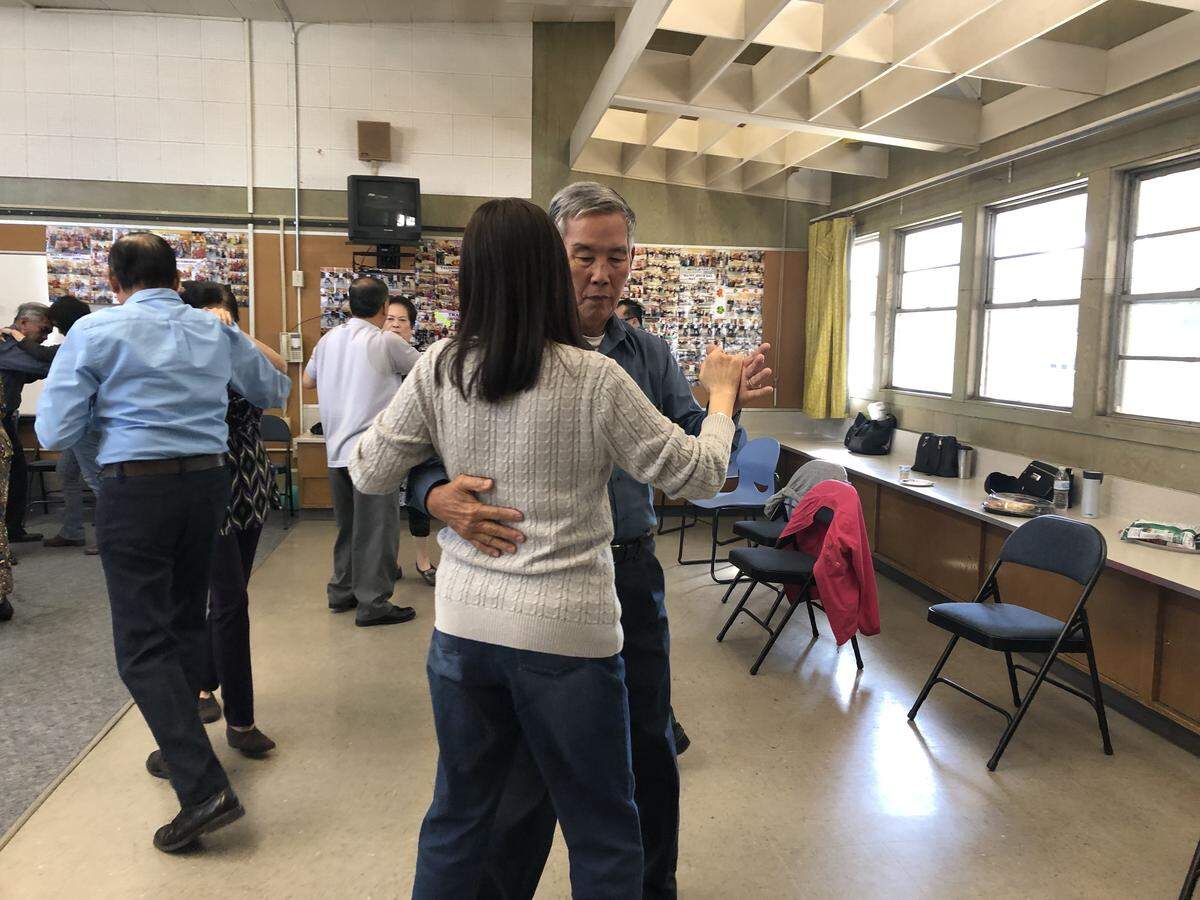
Tam Tran, 78, also said he loves the music for ballroom dancing, and that both classes have improved his health. And the ties go beyond class: His friends invite him to their birthday parties, he said. “If I don’t have the classes, I would just stay home, read and TV,” Tran said. “When you get old, you’ll understand.”
“Wednesday is my happiest day of the week in the last four years.”
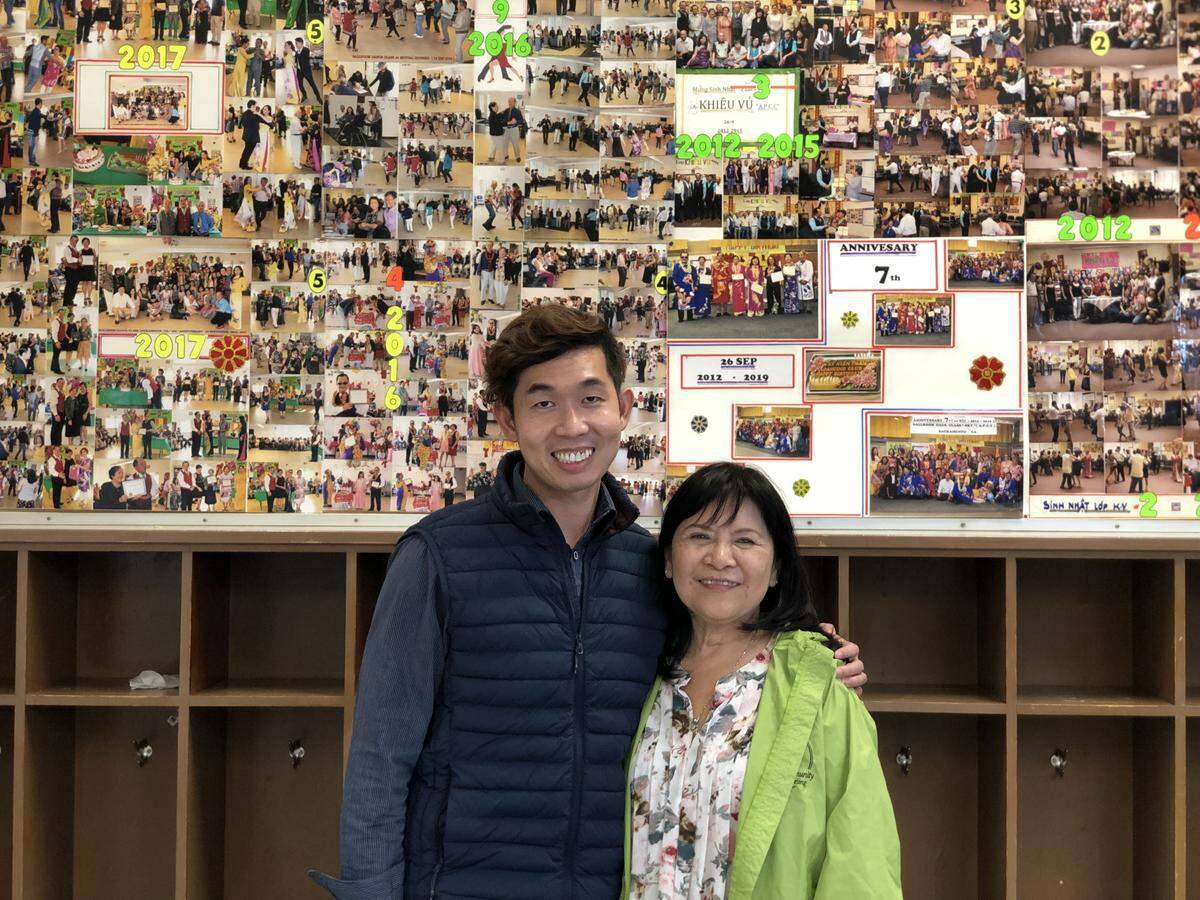
Program coordinators Vi Pham and Kent Lou said they noticed improvements in participants’ posture and balance, especially critical for seniors. They also seem livelier and learn to exercise self-care. Some no longer have mood swings or needed equipment to assist them for mobility. Participants who show deteriorating mental health symptoms are referred to Sacramento County’s mental health services for further assistance.
“Because of all the benefits I got, I will continue to join the group until forever,” Luong said.
To apply for the program for yourself, your family or friends, call 916-383-6783 and ask for the supporting community connection. Dial the number and ask to speak to a counselor, or leave a message noting the name and phone number and preferred language.
If you value coverage of California’s Asian American and Pacific Islander communities, please spread the word about our new newsletter produced in collaboration with Report For America and send to a friend. Sign up here to receive the newsletter each week.