
California workers survey + Hmong community mourns shooting victims: Your AAPI newsletter
If you value coverage of California’s Asian American and Pacific Islander community, please spread the word about our newsletter and send to a friend. Sign up here to receive this newsletter each week.
It is Thursday, Nov. 21, and this is The Sacramento Bee’s AAPI weekly newsletter brought to you by yours truly.
Here’s a recap on the stories I recently covered and issues I’m following:
Election materials in 2020 will be available in 14 Asian languages for limited-English proficient voters, the California Court of Appeal ruled this month. More than 1.7 million foreign-born Californians with their native tongue don’t speak English very well, Census Bureau 2018 estimates show. The languages that will see new or expanded language assistance in the upcoming elections are spoken by nearly 57,000 residents, the Asian Americans Advancing Justice said in a news release.
A new study reveals that, contrary to stereotypes, almost one in four Asian and Pacific Islanders in California is struggling with poverty even though they have jobs. Half of the Asian American and Pacific Islanders in San Joaquin Valley are working and struggling with poverty; 37 percent within the Inland Empire regions; and 20 percent within Sacramento Valley.
One of the major obstacles to finding a better job is they are too far away from where they live, according to 43 percent of survey respondents. Twenty-two percent said they did not know where to look for job prospects.
Ethnic groups lumped together under the “Asian” umbrella perpetuates the stereotype that they are share similar traits, such as being more likely to be economically stable compared to other racial groups. Other ethnic groups, especially southeast Asians immigrants, have sometimes fallen through the cracks in data representation, resulting in fewer resources and social services.
Gov. Gavin Newsom granted pardons to four Californians, three of whom were considered at increased risk of deportation because of criminal offenses they committed when they were younger than 20.
Newsom’s office said the pardons recognized that the men transformed their lives and the clemency actions would “remove barriers to employment and public service, restore civic rights and responsibilities, prevent unjust collateral consequences of conviction, and encourage those still in the criminal justice system to find their pathway out.”
Davis4HK, a student group at the University of California, Davis, has dealt with backlash and opposition over its support of events happening on the other side of the world. In its earlier events, one organizer’s phone got snatched and fell to the ground amid conflicts. A Hong Kong pro-democracy flag as well as petition letters prepared by the student group were ripped; others shouted vulgar language in Mandarin at a rally on campus.
Stephanie Su, entrepreneur of her own bag brand, shared with me how she started her own business with no training in business or management, in an ongoing Asian businesswoman series I am doing for The Bee.
In other news, victims mourned after mass shooting happened Sunday in the backyard of a Hmong household in Fresno. Of the four Hmong men were killed, one of them was a beloved celebrity who performed at the Hmong New Year celebrations in the city. The two gunmen are still on the run, and the police has established a “gang task force” despite emphasizing “no indication that the incident was gang-related,” but they haven’t “ruled out” that possibility. One community leader said the area has been fighting gang-related stereotypes for a long time.
In a press release, Tsuru for Solidarity condemns Sen. John Kennedy, R-Louisiana, for making a comparison of the impeachment hearings to the imprisonment of Japanese American families during World War II. Read the story and the actual words he used in this NBC news report. Together with other groups, Tsuru for Solidarity called the act “offensive” and the comparison “inaccurate,” as the magnitude of President Donald Trump’s impeachment hearings is in no way near being “rounded up en masses, forced to sell their property, and held indefinitely in concentration camps.”
Undocumented, uninsured Korean Americans find safe havens in nonprofit clinics, The Press-Enterprise of Riverside reports. Korean Americans constitute the highest percentage of undocumented immigrants in the Asian American cohort, a UC San Diego professor said. Fear of an immigration raid, language barriers and feelings of hopelessness prevent many from seeking treatment. Korean-language media played a huge role in spreading the word about free health services provided by the nonprofit clinics for individuals who lack health insurance and regardless of their immigration status.
Read this piece on The New Yorker which analyses how feelings on mourning and grief became “defining vectors of the racial experience” of being Asian Americans, illustrated through “broken narratives” and “missing words” to see what this cohort has in common. I’ll put in a paragraph I really like below:
“....when you’re uncertain of your place within society, it can help to have ready-made categories or narratives, even if you choose to reject them. There’s a power in being able to recognize our struggles as the result of paradoxes we live within rather than seeing them as purely private failings.”
For things to do in Sacramento, the annual Senator Lions Club “DandeLion Arts & Craft Show” is happening on Dec. 7 at Sacramento Buddhist Church.
Mark your calendar for the Halau Kahulaliwai’s Holiday Hula Celebration on Dec. 21 at Christ Community Church at Carmichael.
Finally: What do you want to read about on Sacramento or California’s AAPI population or newsletter? What are you curious about? What topics do you want to see more coverage of? Do you have any questions?
Send them to me, Theodora Yu, at tyu@sacbee.com. That’s what I am here for.
That’s it for this week’s newsletter. Thank you for reading!
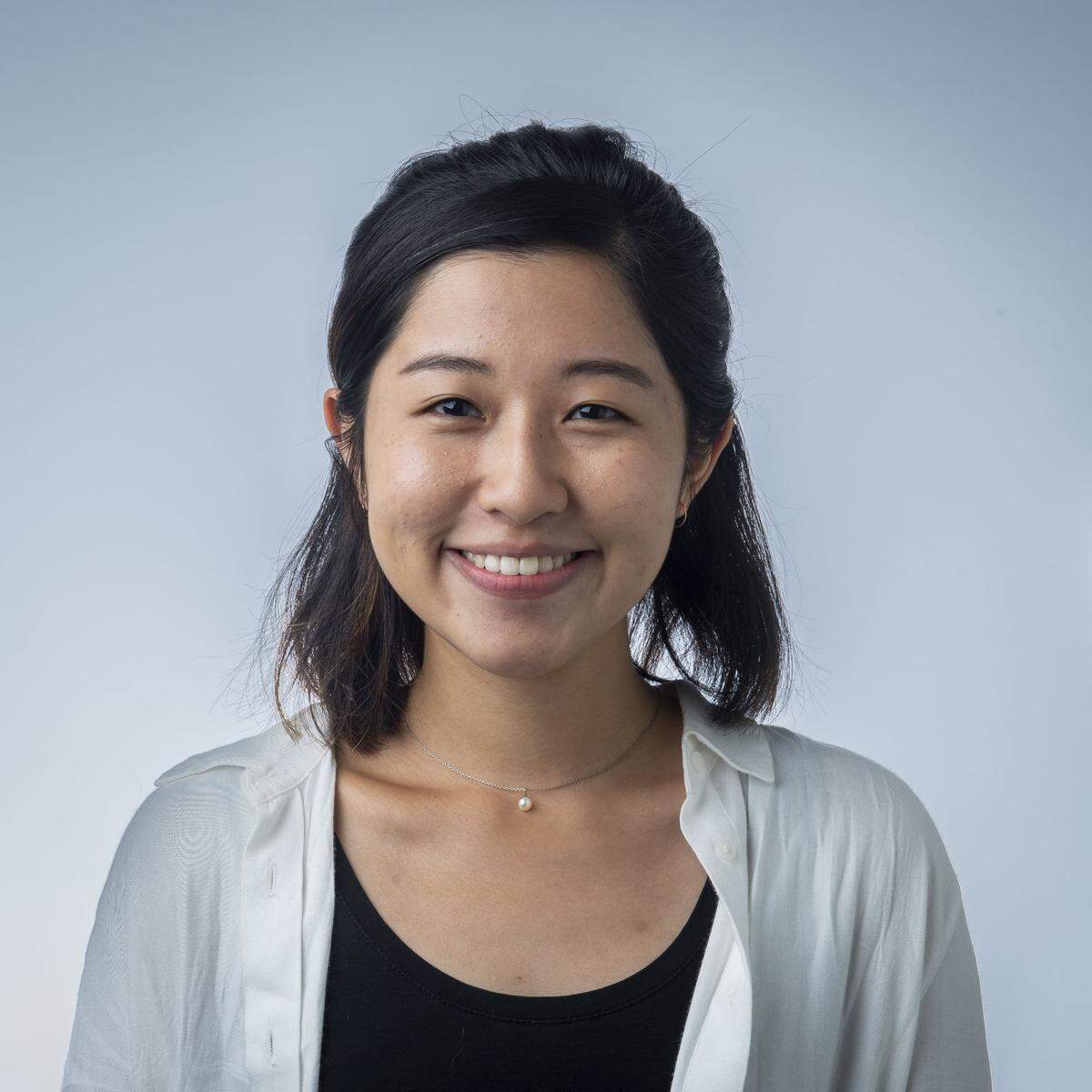
Theodora Yu covers Asian American and Pacific Islander communities in California for The Sacramento Bee. She is a member of Report for America’s 2019 corps of journalists.