
4 reasons why the Children’s Receiving Home in Sacramento is failing its kids
READ MORE
Broken Home: How Sacramento’s largest group home failed its kids
Why have problems at the Children’s Receiving Home festered for years? Will new reforms make a difference? Read The Sacramento Bee’s investigation:
Expand All
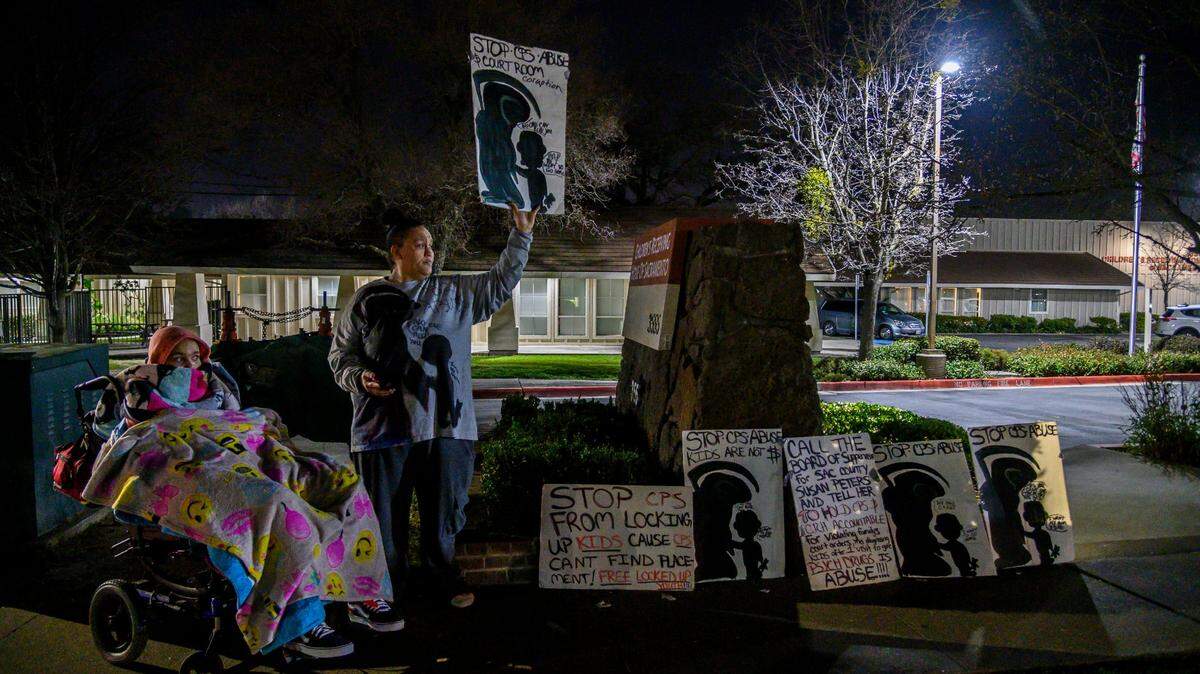
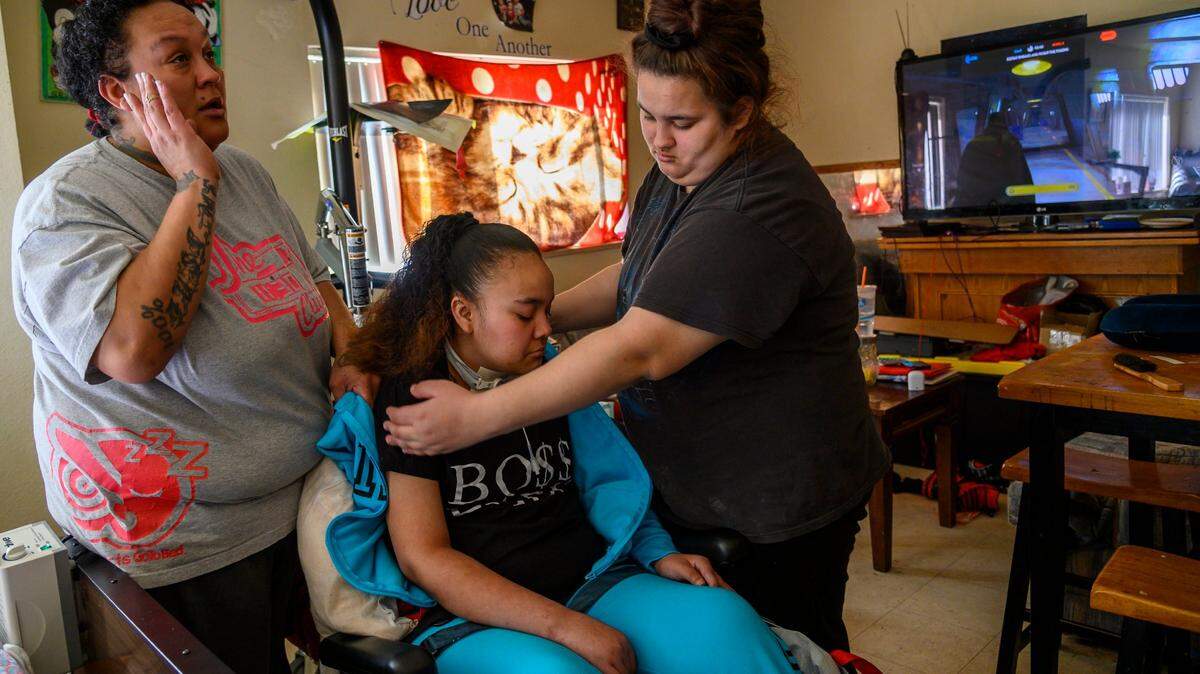
In more ways than one, the Children’s Receiving Home of Sacramento has fallen down on the job of caring for the region’s most vulnerable young people. A recent investigation by The Sacramento Bee found numerous cases where the group home’s staff failed to adequately supervise children.
The nonprofit Children’s Receiving Home is one of 20 emergency youth shelters in Sacramento County. The home — supported substantially from Sacramento County grants — can house as many as 100 children at once.
The Bee’s investigation detailed the problems in more than 5,000 words. But if you’re short on time, here are the four main points you need to know:
1. Frequent interactions with regulators
Licensing investigators have responded to at least 125 complaints and visited nearly 300 times since 2015 — more than any other group home in the state, according to data from the California Department of Social Services. Although some of the visits were routine, most were for unannounced inspections or to investigate complaints.
Investigators have substantiated 54 allegations at the home. The credible accusations range from inappropriate relationships with staff members to unkempt rooms and missed doses of medication.
The facility’s problems dwarf those of other group homes by a wide margin, The Bee’s analysis of state data shows.
The Children’s Receiving Home was visited by regulators 20 times more often than the state average for group homes. It was cited 18 times more often for posing an immediate risk to a child’s health, safety or personal rights.
The margin narrowed when it was compared with group homes that have more than 30 beds but the Children’s Receiving Home was still an outlier. The group home was visited five times more often than the average across the state. And the facility was cited seven times more for posing an immediate risk of danger to residents.
2. Police don’t know what to do
The Sacramento Police Department was called to the Auburn Boulevard address, on average, four times a week last year, according to calls-for-service data reviewed by The Bee. The majority of the calls were for missing person reports that are routinely filed once a child leaves the campus.
In 2017, the group home’s management met with local police and state regulators to discuss the “patterns of AWOL behavior” and launched a program to help reduce runaways through mentoring and training.
Most missing person reports submitted by the Children’s Receiving Home are faxed, records show — and they hardly slowed down after the meeting. In 2018, more than 2,000 missing person reports were filed from the facility, data show.
As a result of the near-constant reporting of AWOL residents, more children were listed missing in Sacramento County last year than any other place outside of Los Angeles.
3. Staff turnover is constant
Inside, former employees say, turnover is common. As of September 2019, more than one-third of the people working there had been on the job less than a full year, according to state records. Regulators have cited the home in the past for not having enough staff, making it easier for children to run away or misbehave without being noticed.
To satisfy a plan of correction imposed by the state that month, administrators also tracked hiring and attrition for nearly four months starting in August 2018. They hired 16 people; seven were counselors. During the same period, 33 people were either terminated or resigned — 23 were residential counselors.
The jobs barely pay more than what an associate earns working at In-N-Out — yet the responsibilities are significantly more demanding. The starting hourly wage for residential counselors at the time of the report was $11.75; other residential counselor jobs in the region paid employees $13 or $14 an hour.
4. Children lured into sexual exploitation; staff not always trained
And strikingly, children housed at the Children’s Receiving Home have been recruited into sex trafficking, a problem that has festered for years, records show. State regulators have investigated at least five allegations involving commercially sexually exploited minors who resided at the group home since 2014.
An episode from May 2018 ended the same way when one resident tried to persuade another to go AWOL from the facility to “make some money” — presumably while on commercial sex dates.
The young girl doing the coercing had a history tied up in child sexual exploitation and was a known recruiter of others, the report said. It was alleged that staff were not trained well enough and failed to supervise children who fell into human trafficking.
Although the claim was unsubstantiated, the group home’s administrator scheduled a series of mandatory training sessions on working with sexually exploited children.
▪ ▪ ▪
Why we did this story
The Children’s Receiving Home is one of Sacramento’s most important institutions. How the facility manages the children under its care reverberates throughout the community during their stay there, and well after they leave.
The Sacramento Bee is committed to thorough and detailed reporting of our public institutions to illuminate inequality, waste and abuse, and the expenditure of public funds. This story is an important part of the independent oversight that is central to local journalism.
How we did this story
Reporters Michael Finch II and Molly Sullivan, and visual journalist Renée C. Byer, have been reporting this story since mid- 2019. (The project was put on hold for several months as the team covered COVID-19, the economic shutdown and civil unrest.)
The project included a review of thousands of pages of documents and data from the Sacramento Police Department, the Department of Social Services, Sacramento Superior Court, Sacramento County, and other sources including internal documents from the Children’s Receiving Home.
The team conducted interviews with dozens of people involved with the group home, including children who had gone AWOL and previous residents, their parents, staff members, neighbors, and state and county officials. The Bee is withholding the names of the children.
Read more
The Sacramento News & Review reported on the receiving home in March in a feature story, “Missing,” by Raheem Hosseini. Fox40 Sacramento investigated the facility in 2017. The Sacramento Bee has previously written about the campus, including when state officials ordered a county-run shelter on the property to stop housing children for long periods of time, and well as when it was the target of a civil suit over an employee accused with sex with a minor.
Support local investigative reporting
In-depth investigations such as this are made possible with the support of subscriptions to The Sacramento Bee. It takes a reporting team — and lots of time — to bring these stories to light.
Subscribe to The Bee to support work such as this.
This story was originally published September 1, 2020 at 5:00 AM.