
Boutique hotels pop up in Sacramento, reviving historic buildings and beleaguered downtown
Satchmo graced Sacramento’s jazz scene in the 1940s with vibrant music from his trumpet, but the venue he played in was long gone.
The run-down Hotel Marshall instead housed Sacramento’s poorest and forgotten residents, not the sort of building that city officials wanted adjacent to the new Golden 1 Center for the Sacramento Kings and global musical acts.
Sacramento officials were so excited about the vision of a new boutique hotel on the Hotel Marshall site that when developers came up financially short in 2017, the city loaned them $4 million for the project.
What is now called the Hyatt Centric Downtown Sacramento opened in mid-October, just weeks before another downtown boutique facility turned on its lights, The Exchange Sacramento.
They come as downtown hotels are seeing some signs of life in an upswing from the devastation that COVID-19 wreaked on the lodging industry.
Robert Tyler DeWittie, director of sales and marketing at the Exchange, said his hotel opened up at the right time: as basketball and music fans returned to the Golden 1 Center, as the renovated SAFE Credit Union Convention Center started hosting meetings again, and as tourists began flocking back to Sacramento.
“The vaccines are doing a great job of making everyone feel safe to travel again,” DeWittie said.
Overall, downtown Sacramento hotel occupancy on average has stayed under a dismal 50% from March 2020 to February 2021, according to data from STR, a hospitality industry analytic firm. Hotels generally need between 60% and 70% occupancy to make a profit.
But occupied rooms started rising above that 50% mark in March, breaking to more than 65% in June and staying above that number through October, according to the STR data.
Improving room occupancy, however, doesn’t mean a return to the pre-pandemic golden days of 2019. In October 2019, downtown hotels filled more than 80% of their rooms.
The operators of the new boutique-style hotels hope to get a piece of the downtown market share, convincing potential guests that smaller properties offer more personal service as well as unique design and architecture. They believe offering an urban respite from the cookie-cutter hotels that have dominated the Sacramento hotel scene for decades will reap strong profits.
Boutique hotels are not new. Multiple facilities have graced the streets of San Francisco and New York City for decades with their art-filled hip lobbies, complimentary wine and sightings of celebrity guests adding to the allure.
Hotel chains such as Morgan in New York City and Kimpton in San Francisco carved the way in the early 1980s with this trend by offering unique design elements and features. Other boutique chains such as Ace, where vinyl record players were part of the room experience, and The Standard joined them in the late 1990s.
But boutique hotels bypassed downtown Sacramento for the most part. One, the Citizen Hotel downtown on J Street, opened in 2008. The next boutique to open was in 2017 – the Kimpton Sawyer Hotel, across the street from the Golden 1 Center.
The Sawyer features an underground passageway between the hotel and the arena. Cementing the relationship between the team and the hotel is the Kimpton Sawyer is owned in part by the Sacramento Kings.
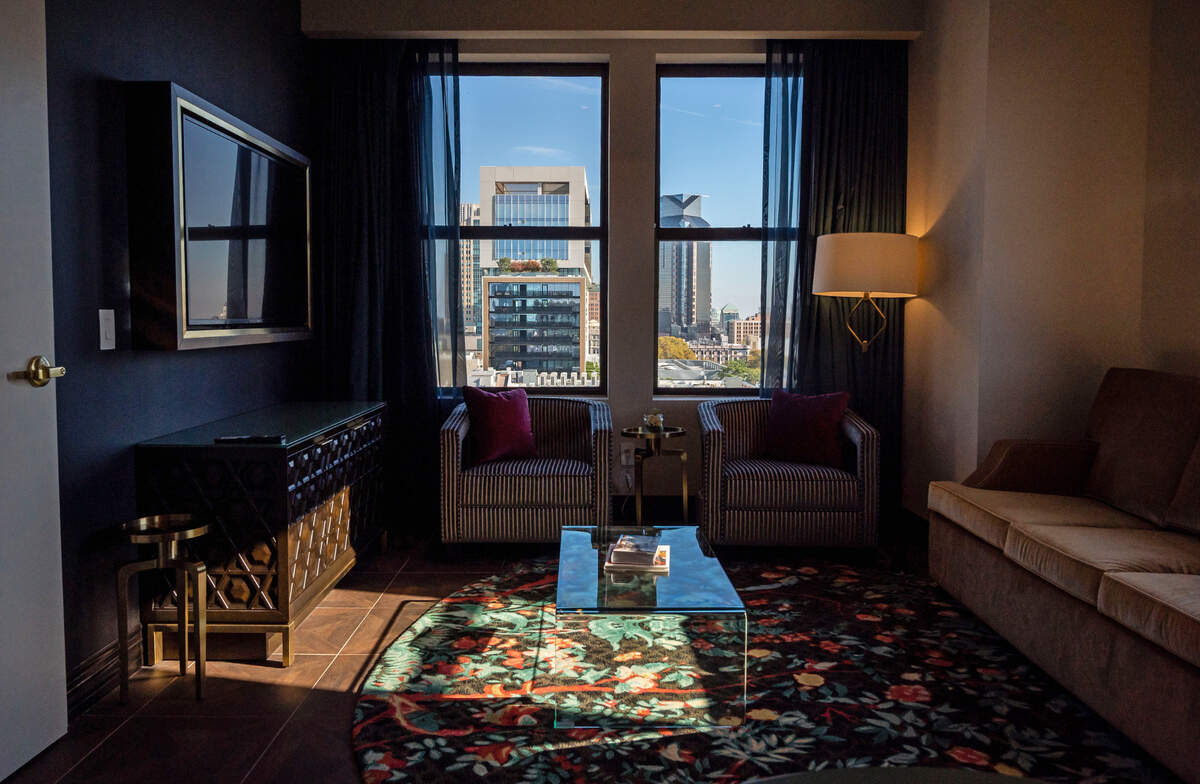
Becoming more common in medium-sized cities
While the two latest Sacramento hotels may not signify a boutique hotel avalanche yet, construction began last month at Seventh and I streets for a seven-story boutique hotel under Marriott’s AC brand.
And the late Randy Paragary and his wife, Stacy, opened midtown’s first hotel in January. The six-story Fort Sutter Hotel on 28th Street was built on the site of the original Cafe Bernardo and features a new version of the classic Sacramento restaurant.
Boutique hotels are becoming more common in medium-sized cities because of traveler interest, said John Sears, a Phoenix consultant who specializes in advising boutique lodging establishments.
Sears said hotel guests experience boutique hotels in larger cities and become hooked, wanting a more personalized stay throughout their trip.
“There are cooler hotels happening in cities smaller than Sacramento,” said Sears. “Travelers are demanding them.”
Management of the two newest Sacramento boutique hotels are also betting that guests are willing to pay higher rates in a city with a rising cultural scene and rising prices for housing.
While prices can drop when occupancy is low, hotel operators are shooting for room rates approaching $300 or more a night when demand is high, almost twice the average going rate in other Sacramento downtown hotels.
“We’re kind of almost becoming the extension of the Bay Area now as so many people are leaving San Francisco to live out here,” said DeWittie. “That means they want the same level of restaurants. They want the same level of nightclubs.”
Well-known chefs will be featured
The Exchange plans to name a well-known chef to run its restaurant in the coming weeks. The eatery, aimed at both visitors and locals, is scheduled to open by the end of January.
They are aiming high.
DeWittie said the goal is for the chef to win a prestigious Michelin star, attracting Sacramentans and hotel guests who want to frequent the newest, hottest restaurant.
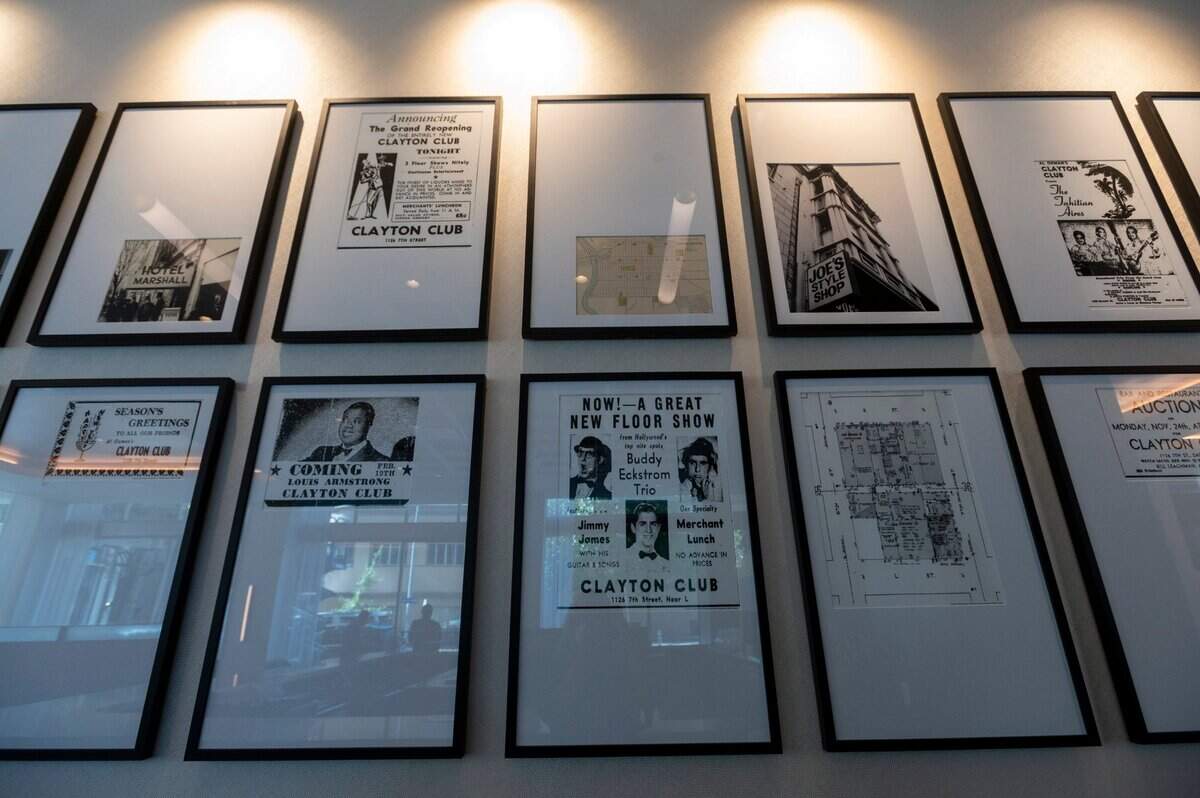
The Centric has already hired executive sous chef Ravin Patel from restaurant hot spot Ella. He is running the hotel dining room, called 7th Street Standard. A sixth-floor indoor-outdoor lounge will feature jazz performers, reminiscent of The Clayton Club, which once was part of the predecessor hotel to the Centric.
This was more than 80 years ago when the hotel was known as the Marshall Hotel. Jazz performers who played at the club between the 1920s and the 1950s included not only Louis Armstrong but also Billie Holiday and Cab Calloway.
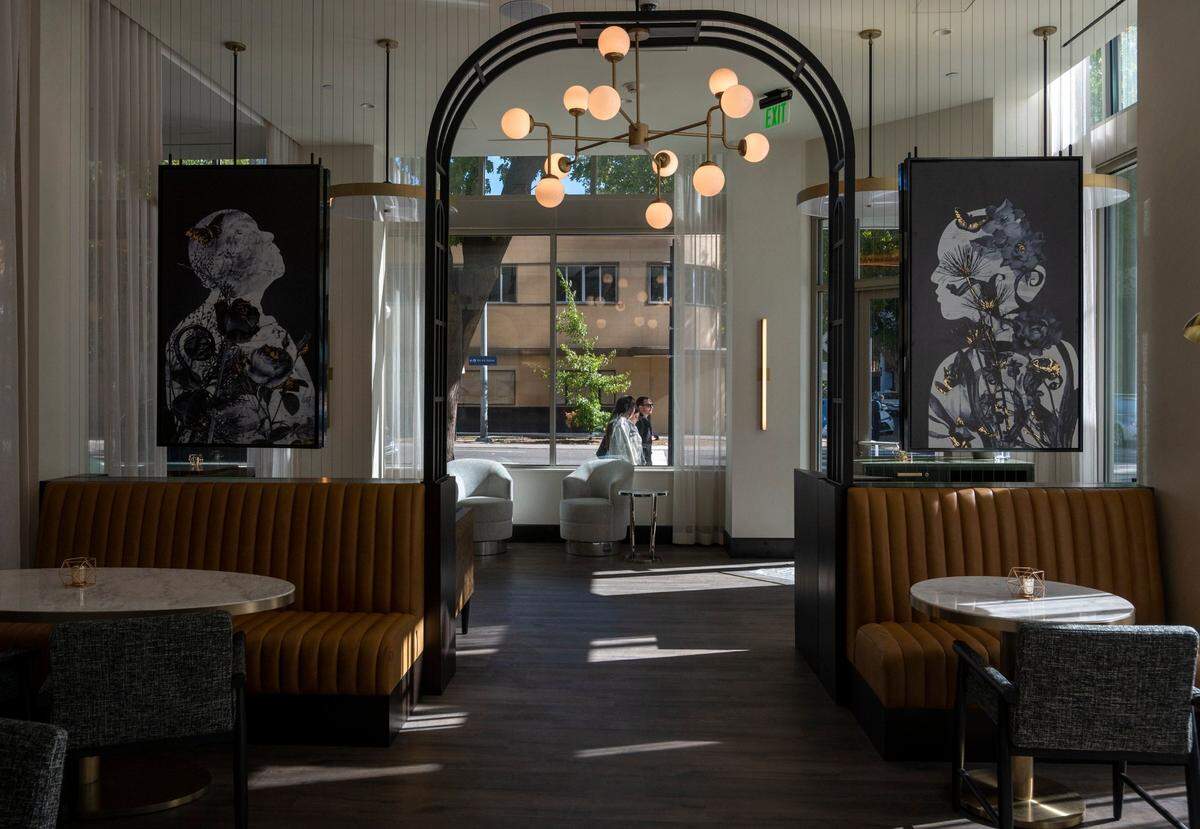
“We’re going to really try to go back to our roots of the jazz scene that used to be part of Sacramento,” said Paul Resch, the hotel’s general manager. “We’re going to try to re-create some of that nostalgia and fun that Sacramento was known for.”
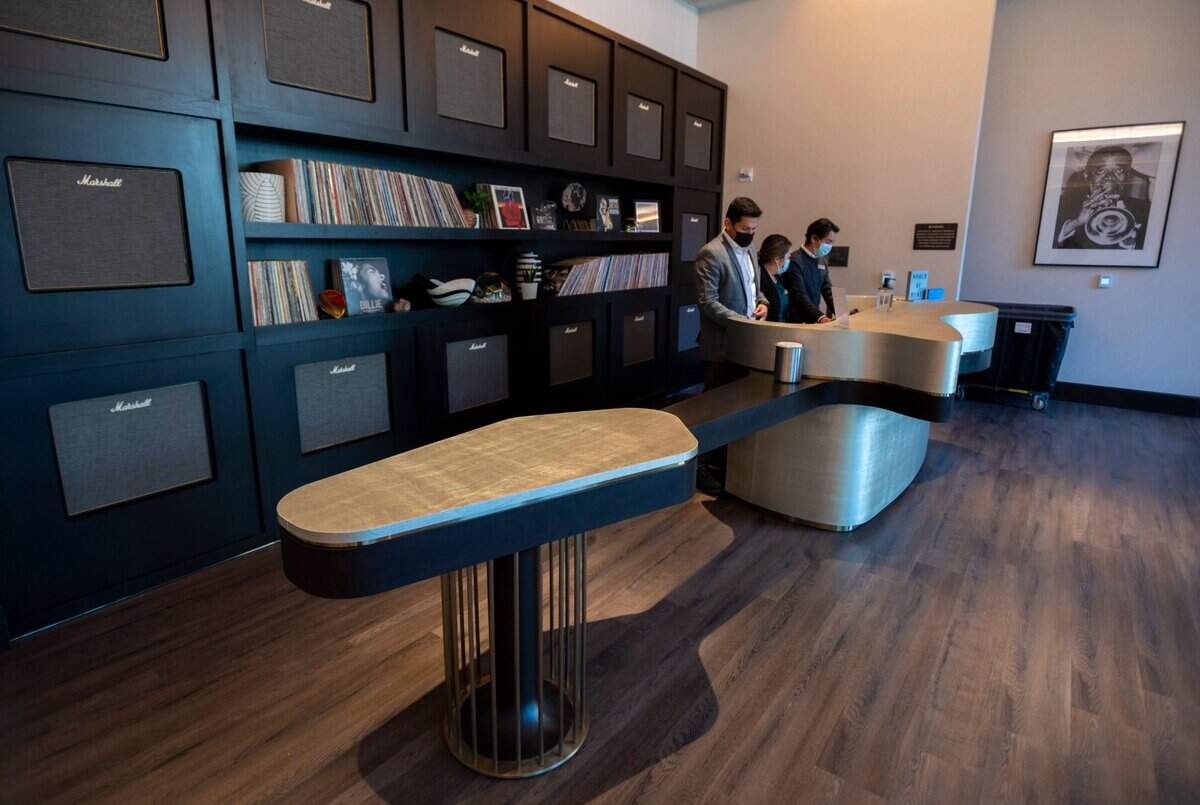
The hotel’s musical heritage hits guests right in the face as they walk through the door. The front desk resembles a guitar, while a 7-foot picture of a trumpet graces the restaurant.
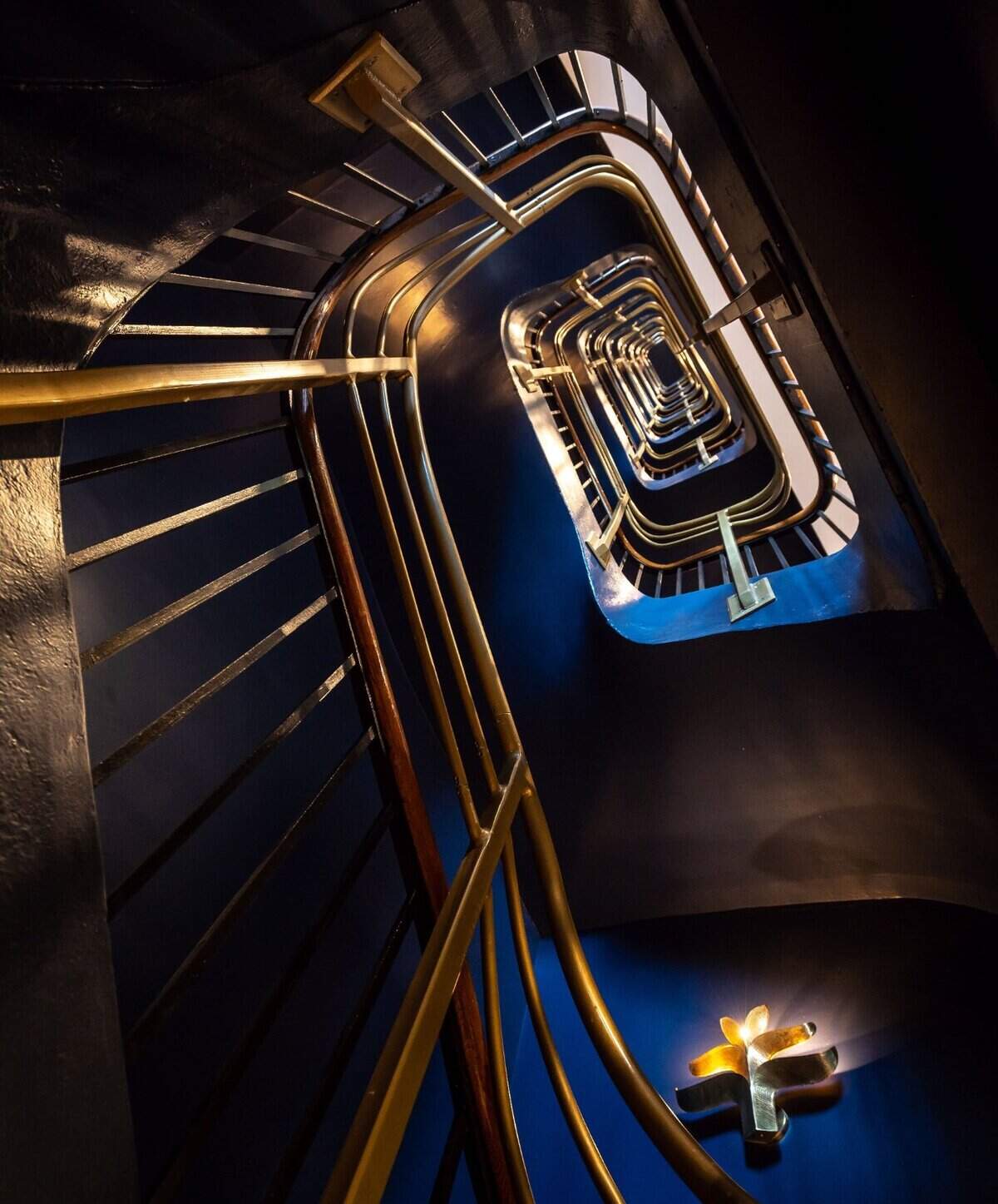
The Centric’s original building dates back to 1911, when it was called Hotel Clayton, the namesake of the original jazz club. The original renovated five-story building is connected to a new 11-story tower, part of a $56 million project. The tower occupies the site of the former Jade Apartments.
The other new boutique, The Exchange, also has plenty of history.
The 10-story renovated hotel on J Street dates back to 1914 and was originally known as the California Fruit Building. It served as an office building until 2018, but occupancy had gone way down.
Only around 30% to 40% of the building was rented, said Rohit Ranchhod, owner and CEO of Sacramento-based American Hospitality Services, which manages The Exchange hotel.
Access to larger corporate reservations system
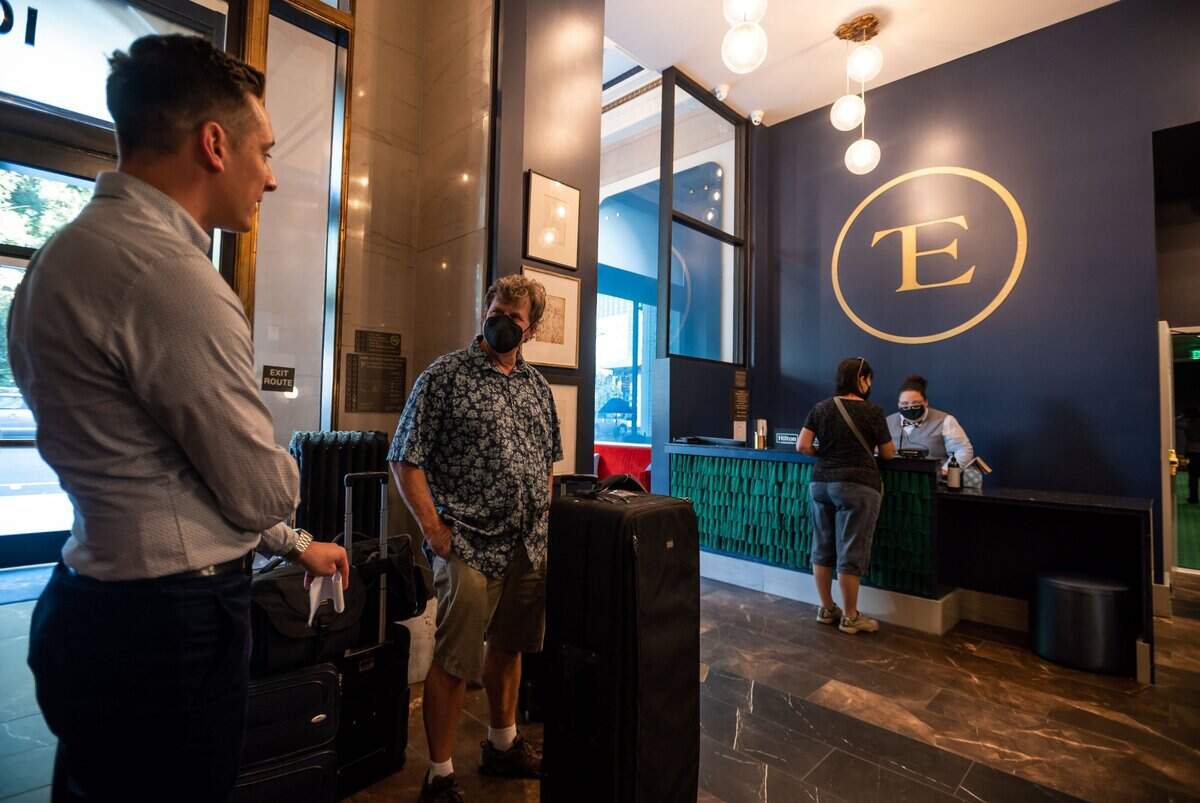
Both new hotels haven’t entirely opted out of the bland hotel chain system they reject. It’s hard to avoid the word “Hyatt” in the Hyatt Centric name. The Exchange has aligned itself with Hilton, part of the company’s boutique Curio Collection.
DeWittie said it’s about marketing the hotel more effectively. Being part of the Hilton worldwide reservation system gives the hotel more visibility, allowing customers from around the world to access reservations.
Consultants said hotels sign long-term contracts to be affiliated with a chain, giving up a percentage of revenue to be part of a global reservation system. City documents show that the Hyatt Centric will pay 5% in royalties to The Hyatt Corp.
But the boutique operators said their connection to the chains goes only so far.
They said they don’t have to follow many of the chain standards, such as buying a specific brand of beds in rooms or carrying brand-specific candy bars in the gift shop.
DeWittie said The Exchange is proud to be affiliated with Hilton but wants to maintain its own unique identity.
“If you come to our property, we only have two Hilton logos in the building,’‘ he said.
The original Exchange hotel dates back to 2017. Ranchhod said he convinced owner Sunny Dale back then that turning the building into a hotel was a better financial proposition than keeping it an office building, given the weak office market and the stronger downtown hotel market.
Dale, a third-generation farmer who is the chairman of the California Canning Peach Association, agreed to the deal.
Of course, no one predicted the pandemic. Another problem: A city water main break on Jan. 20, 2020, flooded the hotel’s basement, just before the facility was scheduled to open.
Ranchhod is convinced the $25 million hotel investment will still pay off.
While occupancy is hovering around 50% on average for the new hotel, he said more rooms will be sold as Sacramento’s business community comes back to their offices in the coming months and business travel picks up.
For now, he said, weekends are the best time period with the 100-room hotel close to selling out when the Sacramento Kings play or other events occur at the Golden 1 Center
Declining COVID-19 rates key to robust recovery
The 172-room Hyatt Centric, owned by Davis-based Presidio Co., also has plenty of empty rooms. It is experiencing occupancy of 45% to 50% during the week and around 70% on weekends, said general manager Resch.
He is optimistic it will increase as the December holiday season approaches.
“We feel confident that, moving into the holiday season, will have a lot of folks coming into downtown and wanting to experience all that is offered here,” Resch said.
But continued recovery for the boutique hotels, and all Sacramento hotels, for that matter, will depend on factors not under the hospitality industry’s direct control, such as a declining COVID-19 rate.
For downtown hotels, boutique or not, one factor in terms of selling guest rooms will be whether conventions booked for 2022 at the recently expanded and reopened SAFE convention center downtown actually occur in a live format. And just how many conventioneers show up as opposed to attending virtually.
Ironically, Bay Area residents’ concerns about the pandemic and escaping to a smaller place have actually resulted in part of the recovery business for at least the Kimpton Sawyer Hotel.
“We’re a major city,” said general manager Nikki Carlson. “But when people think of Sacramento, when you live in San Francisco or the Bay Area, you think of it as a place to kind of escape from big city life, a place to kind of enjoy nature and the outdoors. We have a lot of that going for us in the pandemic time.”
This story was originally published November 19, 2021 at 5:00 AM.