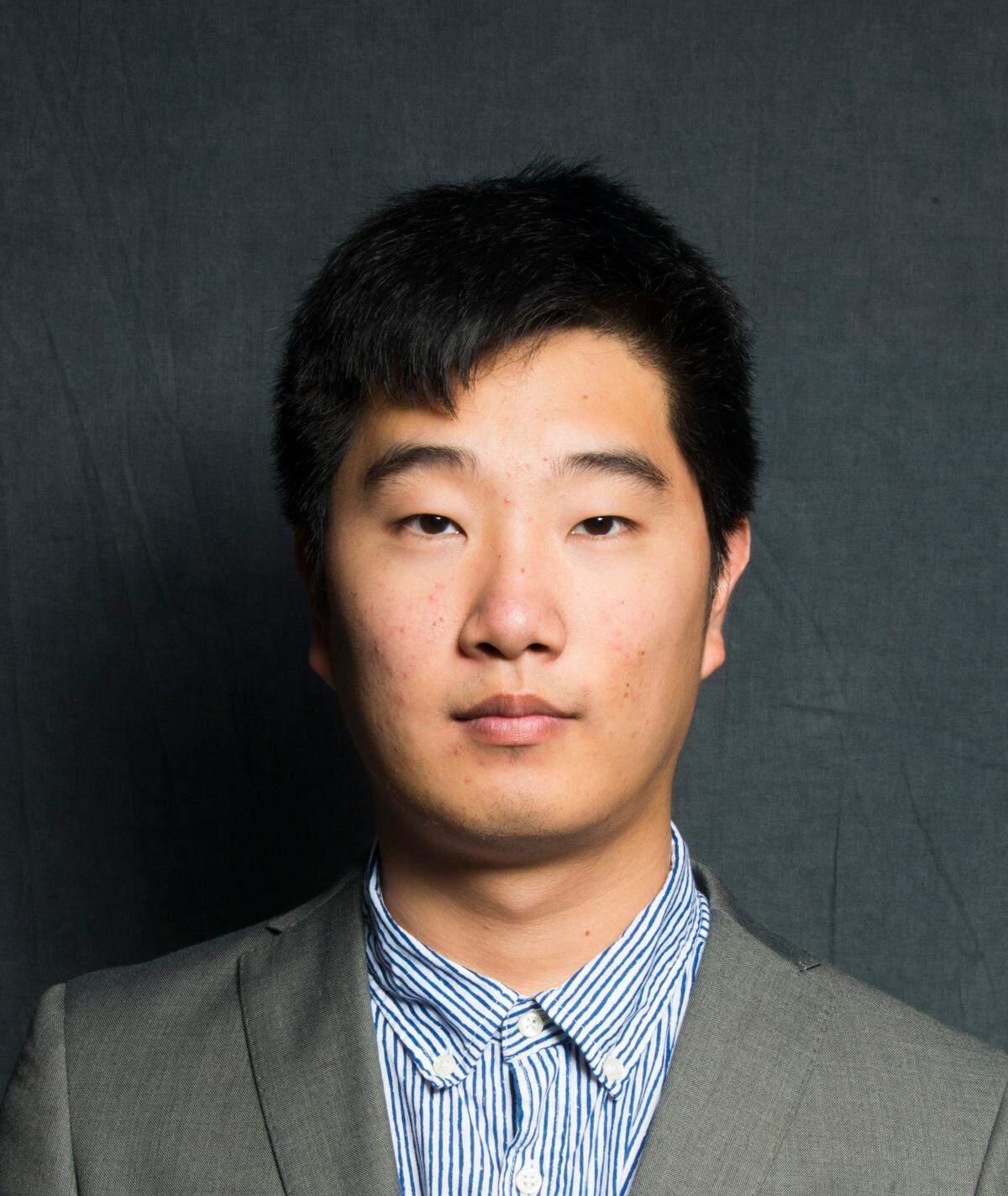
Sacramento Afghan refugee was killed while working for Uber. His family wants answers
The brother of an Afghan refugee who was shot to death last month while taking a break as an Uber driver is demanding that the company raise pay in part to help workers find safe places to rest.
Ahmad Fawad Yusufi, 31, of Sacramento was killed while resting in San Francisco’s Mission District, his brother, Mohammad Dawood Mommand, wrote in a letter to Uber executives.
Mommand is also demanding $4 million from Uber for Yusufi’s family, which includes Yusufi’s wife and three children under age 10.
“You have an ethical obligation to support our family because Ahmad was murdered while working for your company,” Mommand wrote in his letter to Uber, which was released publicly by a communications firm that works with labor advocacy groups.
An Uber spokesperson said the company is “saddened by this senseless act of violence that took Mr. Yusufi’s life.” The company has allowed Mommand to access his brother’s Uber account, which will help them learn more about Yusufi’s time in San Francisco.
Yusufi’s death highlights the dangers many drivers face regularly as they make the trek from Sacramento to the Bay Area, sleeping in their cars as they chase higher pay, Mommand wrote in his letter.
The case also draws attention to a provision in a ballot initiative voters passed last year that exempted gig companies like Uber from a California labor law that requires companies to provide employment benefits to more workers.
The initiative, Proposition 22, requires Uber to provide accidental death insurance for the families of drivers who are killed while working and are logged on to the company’s online application at the time of their deaths.
Uber says Yusufi was not logged on when he was killed a little before 5 a.m. on Nov. 28.
If Prop. 22 had failed, Yusufi could have been classified as an employee for Uber, rather than an independent contractor, which could have qualified him and his family for workers’ compensation. The ballot measure has been ruled unconstitutional by an Alameda County judge, although companies like Uber have appealed the case.
“Your company pays wages so low and sustains such precarious working conditions that hundreds of Afghan drivers drive from Sacramento to San Francisco each week and sleep in their cars in unsafe environments – just to earn enough each week to provide for their families,” Mommand said. “And now after all the work we did for your company, you are turning your backs on us in our time of need.”
Working as an Uber driver during the pandemic
Yusufi came to the United States around 2017, after he had worked as an interpreter for the U.S. Army in Afghanistan. He settled in with Mommand, who came a couple years before Yusufi.
Yusufi drove for Uber ever since, Mommand said, even when he told Yusufi not to drive when the pandemic struck last year.
Yusufi told Mommand he had no choice. He felt he had to continue driving to support his wife and children in Sacramento.
So, he drove to San Francisco every week, spending three to five days there, sleeping in his car and showering at a 24 Hour Fitness.
“They get all the rides (in San Francisco). But here, it’s not like that,” Mommand said. “You would be making $300 to $400 in San Francisco, but $100 to $200 in Sacramento (a day).”
Yusufi and a friend were parked in San Francisco’s Mission District when a gunman approached them and demanded money, San Francisco Police Chief Bill Scott said at a recent Police Commission meeting. The gunman shot Yusufi when he attempted to flee.
Police have not made an arrest.
“Every time I go home, his kids ask me where’s my father,” Mommand said of Yusufi’s children. “I don’t know how to answer for that. It’s really hard.”
Gig workers face violence
An analysis by The Markup found 124 carjackings and attempted carjackings of ride-hail and delivery drivers in the U.S. between 2020 and July 2021. Several Uber drivers have also been killed on the job in California over the last few years, according to media reports.
Some 35% of Americans who have ever worked as a gig worker said they have at least sometimes felt unsafe while on the job, according to a recent Pew Research Center survey.
Meanwhile, Mommand has started a GoFundMe for Yusufi’s family, raising more than $60,000.
“He was the only guy working in his family,” Mommand said. “He has three kids. They have a future.”
This story was originally published December 18, 2021 at 8:37 AM.