
Sea lions in Sacramento? Here’s why these marine animals come so far inland
Your eyes aren’t playing tricks. That honking blob that looked like a sea lion near Tower Bridge — it probably was one.
Sightings of the marine animals often make their rounds on Sacramento social media, and can send the average user down a rabbit hole (if you’re new, or younger than, say, 35 you may also be excited to learn about Humphrey, the vagabond humpback whale).
But why are these creatures — who typically spend their time on the coast — appearing so far from the ocean? The answer’s rather simple: There are more of them, and they’re hungry.
Where are they from?
The sea lions spotted in Sacramento are usually adult males who have left their home in the Channel Islands, off the coast of Los Angeles and Santa Barbara, according to National Oceanic Atmospheric Administration spokesman Michael Milstein.
According to past reports, sea lions have been spotted on both the Sacramento and American rivers.
During much of winter to early spring, California sea lions travel the West Coast all the way up to parts of southern Alasksa on the hunt for food.
But with breeding season approaching, many male sea lions will be heading back down to their native southern California island soon.
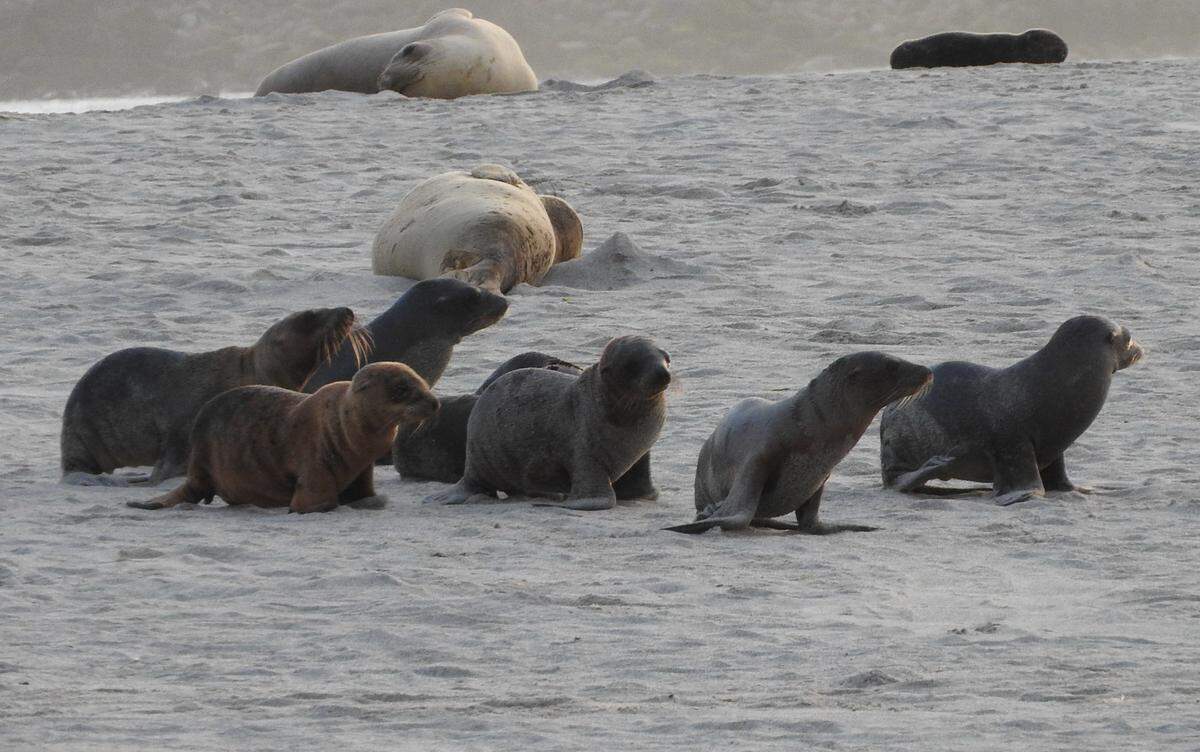
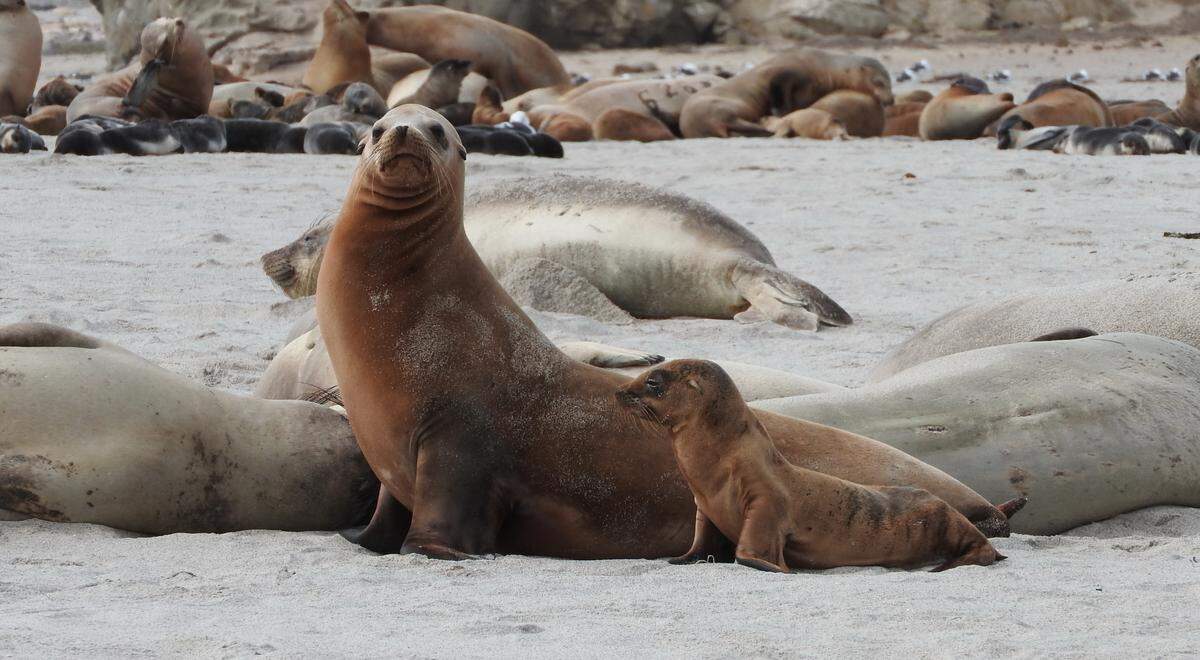
Female sea lions and their babies, known as pups, are another story: They stay close to home year round.
“Female sea lions and pups stay around the island because the pups can’t fend for themselves,” Milstein, a NOAA official for the West Coast office, said. “They gather prey and feed them to the pups.”
Breeding season typically lasts until early August, and most sea lions are back home to reproduce in late June and July.
What are the sea lions doing here?
According to marine life experts, these male sea lions are primarily looking to put on weight and bulk up before breeding season begins.
Many of them are on the hunt for reliable sources of food such as salmon and other types of fish. The Sacramento River system is home to plenty of salmon, according to the California Department of Fish and Wildlife.
“They typically like salmon because they’re big and have a lot of fat and energy in them when they catch them,” Milstein said.
There are also more sea lions now.
Before the Marine Mammal Protection Act was passed in 1972, sea lions were widely hunted, which resulted in population decline, NOAA spokeswoman Sharon Melin said. After the act was passed, their numbers started climbing back up, and sea lions now represent a “healthy and robust” population.
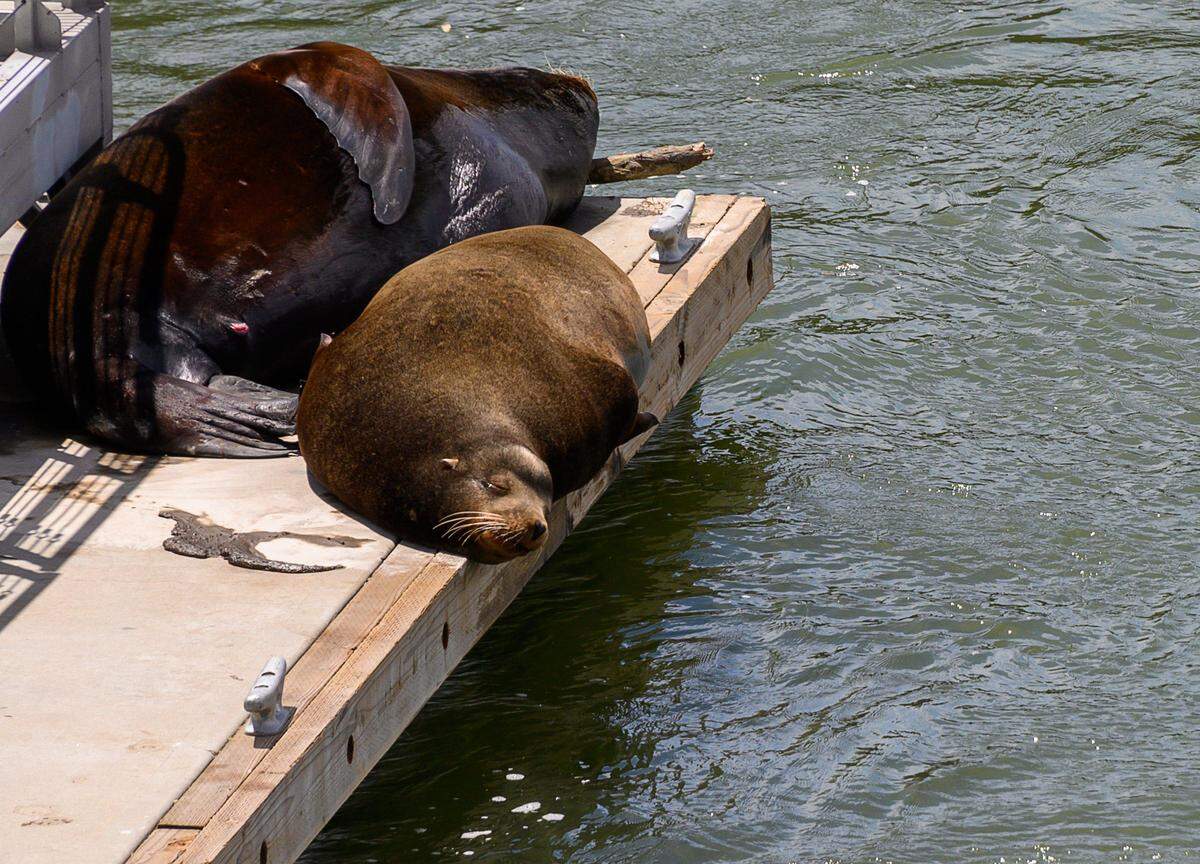
The sociable animals usually rest and sleep on docks until their next meal. They make honking or barking noises to communicate with each other.
Are they friendly?
While they may look docile, sea lions can act aggressively and deliver substantial bites to people if provoked, said sea lion expert Melin, who has spent time researching and studying the animal.
While female lions can weigh around 250 pounds, male sea lions can weigh anywhere from 600 to 800 pounds and are territorial creatures.
“They won’t react much if you’re not threatening, until you get too close to them,” Melin said. “Once you do ... they can move incredibly fast and cover quite a lot of ground, and you want to stay away from them.”
In addition, the 1972 act makes it illegal for people to disturb these animals. Harassment includes causing any disruptions in behavior as minor as sea lions raising their head in response to human disturbances, experts said.
Melin said people should keep a wide berth around the sea lions out of abundance of caution. The NOAA recommends maintaining a distance of 50 yards from them and other marine animals including dolphins and seals.
This story was originally published May 12, 2022 at 5:00 AM.