
Sacramento fire that caused multi-day blackout ‘vaporized’ SMUD equipment, records show
A fireball that lit up the sky over part of downtown Sacramento late last year and led to one of the most disruptive blackouts in city history might have been caused by rain that seeped into SMUD equipment during a deluge in December, records show.
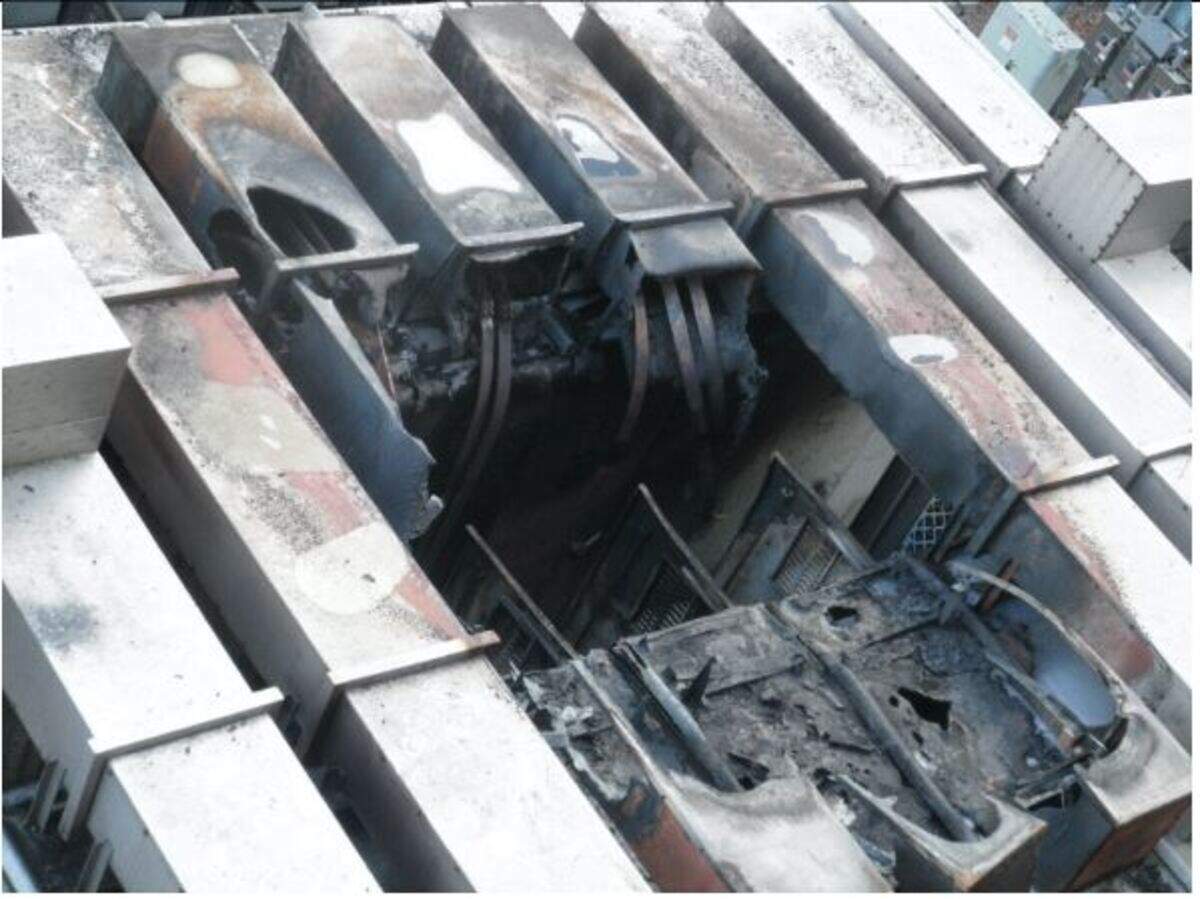
The fire damage and “explosive force” to Substation A at the corner of Sixth and H streets was so extensive that engineers and fire investigators were unable to pinpoint exactly what went wrong. But a likely explanation is that water made contact and damaged a piece of equipment that distributes electricity called the “overhead buss bar,” wrote Jim Nolt, an engineer the Sacramento Municipal Utility District consulted to look into the fire. That caused a rapid equipment failure and devastating fire.
“The point of origin and its surrounding conditions and circumstances were totally destroyed, if not vaporized,” Nolt wrote.
Aerial photos accompanying the reports released Monday show what looks like a crater charred black in the middle of a maze of electrical boxes in the outdoor portion of the substation.
Nobody was at the property Dec. 14 when the fire happened, and no injuries were reported when the ball of flames shot into the sky near a residential tower and Sacramento government buildings.
The fire and SMUD’s effort to stabilize the substation plunged much of downtown Sacramento and the historic waterfront into a three-day darkness, paralyzed a holiday shopping scene and prompted the largest evacuation of a senior-living complex in city history.
SMUD released the pair of summary reports Monday in response to Public Records Act requests from The Sacramento Bee. Records show the utility hired Jhnolt Associates and John Miller Investigations, Inc. immediately after the fire at a cost of $38,000 for their combined work.
The utility said “there are no written contracts” with the investigators.
Calling the fire an “unprecedented event,” Lindsay VanLaningham, a utility spokesperson, said there wasn’t an agreement for a formalized report explaining the cause, either.
As for the eight-month delay in providing any records about the investigation?
“It’s a complex investigation,” she said. “It’s a complex fire.”
Record rain at aging SMUD substation
A powerful atmospheric river pummeled Northern California in the days before the power failure.
Highways flooded, winds roared and more than 2 inches of rain fell in Sacramento, breaking a record that dated to 1915. Experts say such storms will likely become more common as a result of climate change, posing a serious threat to infrastructure — including power substations.
The December fire was especially noteworthy because it happened as the substation was “nearing the end of useful life,” The Bee reported.
Completed in 1895, Substation A was part of the first electrical service that came to a major city on the West Coast, and SMUD has owned and operated Substation A since the 1940s. The utility built the outdoor portion in the 1950s.
But by 2015, problems with the aging infrastructure began to mount, according to a 2015 report.
“The existing substation equipment is nearing the end of useful life and requires replacement, upgrade and additional space to maintain Station A as a reliable power source for downtown Sacramento,” officials wrote in the 260-page project assessment.
After the fire, SMUD officials pushed back against criticism that the fire was caused by outdated or unsafe equipment. While it was admittedly nearing the end of “useful life,” the utility said that status “is not an indication of the health of the system.”
“It’s still a safe and reliable power source,” VanLaningham said.
The consultants seemed to agree. They wrote that, according to SMUD records, “the incident equipment had been regularly tested and maintained.”
Efforts to stop further equipment damages in December were successful, VanLaningham said. Still, plans are moving forward to move all of the services from Station A to a new project being built on an adjacent lot, Station G. That transition will begin in October and should be done by the end of the year.
Crews will decommission Station A by the end of next year.
Stalled elevators, stranded seniors
Without electricity, businesses in the city’s core, including in the Downtown Commons and Old Sacramento, were forced to shut down. Store owners who had endured pandemic shutdowns and destructive protests were again forced to close their doors.
People had to be freed from stuck elevators, according to fire department incident logs.
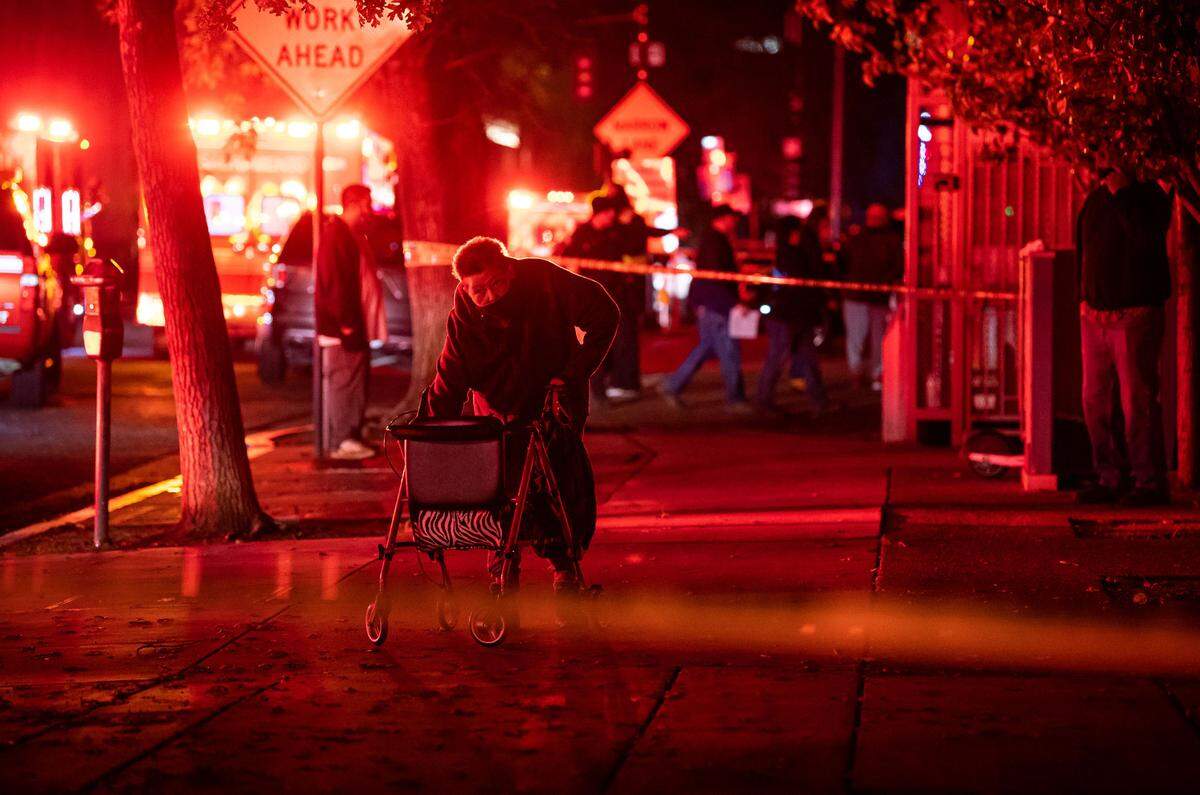
And by nightfall, as temperatures dipped into the 30s across a pitch-black downtown, the Sacramento Fire Department evacuated the Edgewater Apartments, a 108-unit affordable housing high-rise operated by the Sacramento Housing and Redevelopment Agency. Disabled residents trapped in their apartments were using candles for light. With no elevators, firefighters raised massive ladders to their windows.
It was one of the largest evacuations of a building in recent history.
The lights came back on across downtown by Friday.
Roughly 550 customers had been without electricity for 67 hours.
This story was originally published August 16, 2022 at 10:25 AM.