
She pioneered cold case tech and put rapists in prison. What’s next for Anne Marie Schubert?
David Allen Funston was a former Amador County restaurant owner when Anne Marie Schubert first set her sights on him.
The 34-year-old North Highlands resident trolled the streets of Sacramento, luring young children into his car with candy and toys, then molesting them and dumping them out of his vehicle until he was arrested in January 1996.
“One kid was this little 5-year-old Ukrainian girl walking to her grandma’s in the north area,” said Schubert, recalling her time as a deputy district attorney. “He lures this little girl, takes her up to hills, rapes her. She’s 5, OK?
“Doesn’t speak any English other than ‘hello.’ Beats her. It’s terrible. But he leaves a big old blob of DNA on her. And she’s found walking along the frontage road of Highway 50.”
Funston ultimately was sentenced in April 1999 to three life terms in prison after his defense lawyers argued — unsuccessfully — that authorities had the wrong man, that the DNA evidence was circumstantial and unreliable.
“You became the monster parents fear the most,” Sacramento Superior Court Judge Jack Sapunor told Funston during sentencing.
Today, Funston is a 61-year-old inmate serving his sentence at the California Institution for Men in Chino, and Schubert is preparing to leave office after two terms as Sacramento County District Attorney, a post where she pioneered the use of DNA evidence in cold cases and gained worldwide fame for leading the investigation that led to the 2020 conviction of former Auburn police officer and Golden State Killer Joseph James DeAngelo.
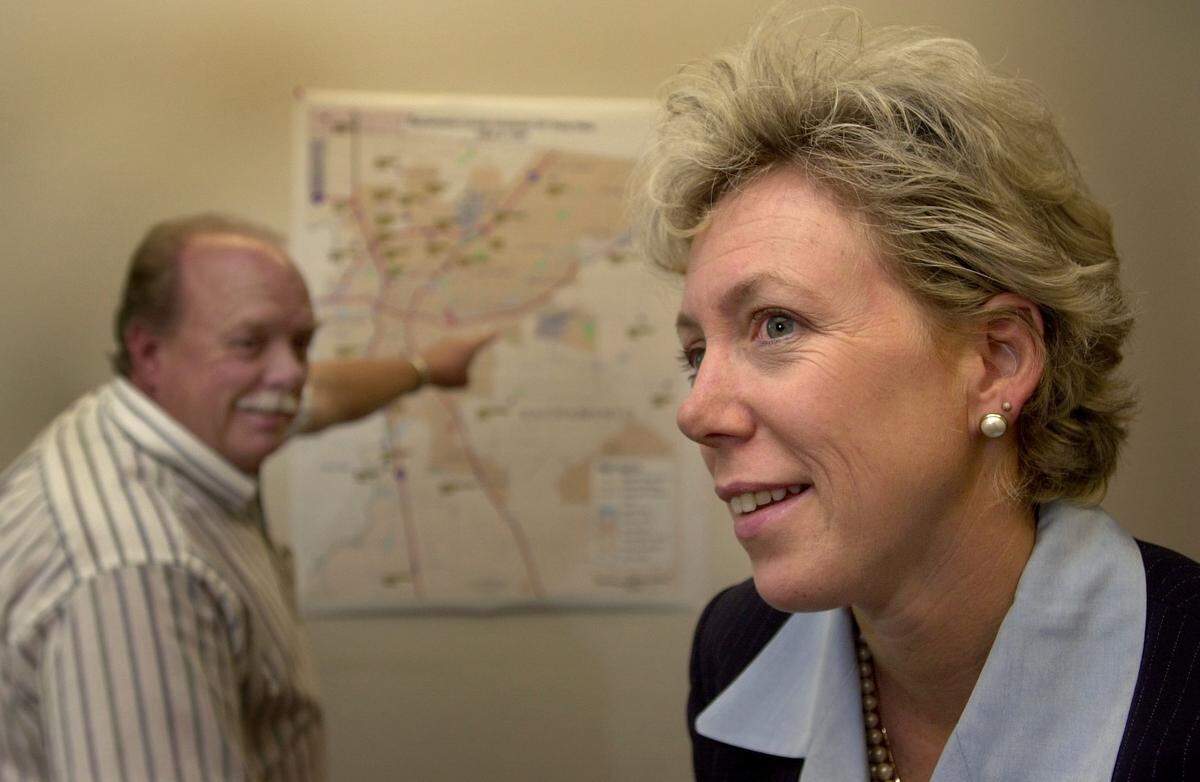
“That case is the case across the world,” Schubert said during an interview in her fourth-floor office downtown. “It is the shot across the bow. ...
“It is the case that is changing forensic science. It’s the greatest advancement since the fingerprint.”
Bid for AG cut short in primary
Schubert, 58, opted not to run for re-election, choosing instead to launch a long-shot campaign as an independent candidate for California attorney general. Her bid failed after voters chose Democrat Rob Bonta, who was appointed, and Republican lawyer Nathan Hochman in the primary, leading to an easy re-election for Bonta.
Schubert plans to leave office Dec. 16, making way for District Attorney-elect Thien Ho, who won the post following his prosecution of the Golden State Killer/East Area Rapist case along with fellow prosecutor Amy Holliday.
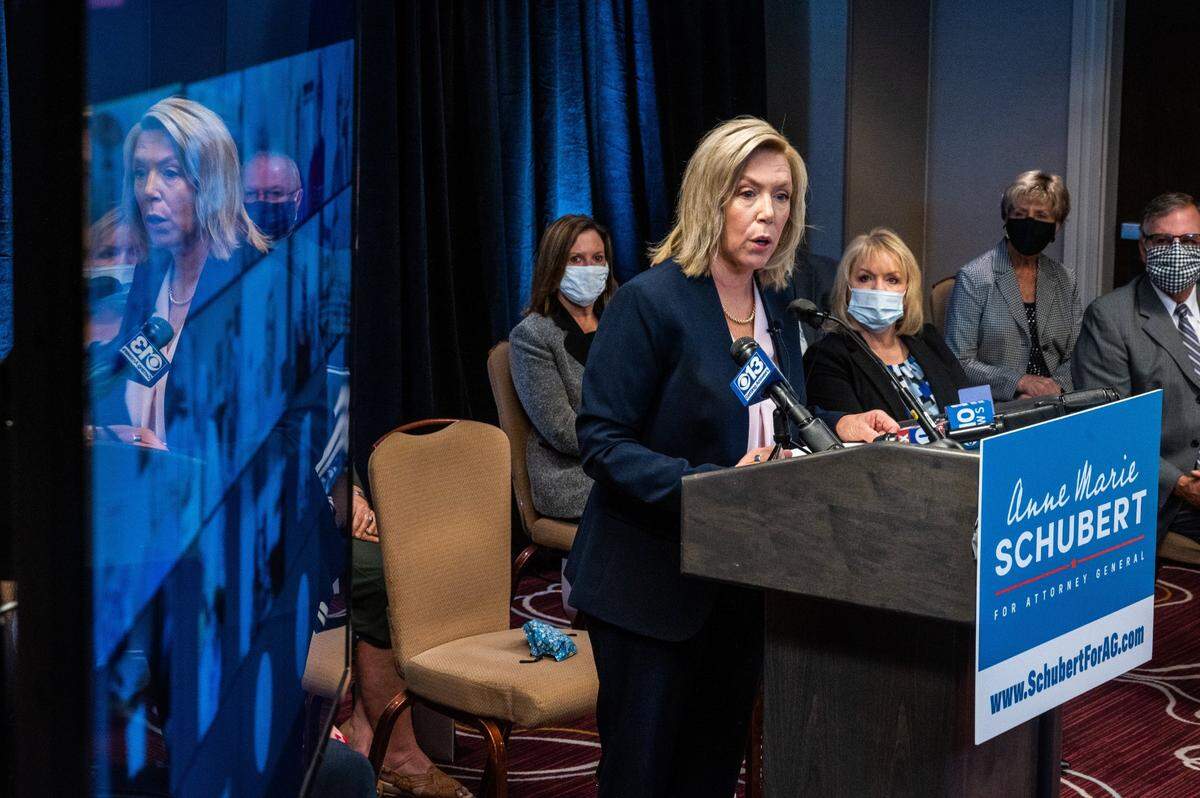
Schubert’s tenure was marked by her efforts to halt early releases of violent inmates, her reputation as a tough-on-crime prosecutor and protests over her handling of police uses of force. She is now moving into a new field.
After decades of prosecutions, Schubert plans to go into public safety consulting using her newly formed company, Schubert Strategies.
“I get to move into this world of harnessing the power, as I call it, the power of the Golden State Killer into solving cases, exonerating people and identifying missing persons,” she said. “Policy work, teaching, public speaking, working with law enforcement across the country, working with coroners across the country, working with victims groups across the country.”
Schubert and a statewide task force that included Contra Costa County cold case expert Paul Holes perfected the concept of genetic genealogy — taking crime scene DNA and comparing it to DNA samples in law enforcement databases and public genealogy websites to find relatives of suspects, then tracing their family trees to find potential suspects.
That led to the capture of DeAngelo, as well as the 2020 conviction of NorCal Rapist Roy Charles Waller after a series of rapes that lasted from 1991 through 2006. The technique is now widely used across the United States and has led to numerous cold case convictions.
Schubert leaves office with the open admiration of many fellow prosecutors and law enforcement officials.
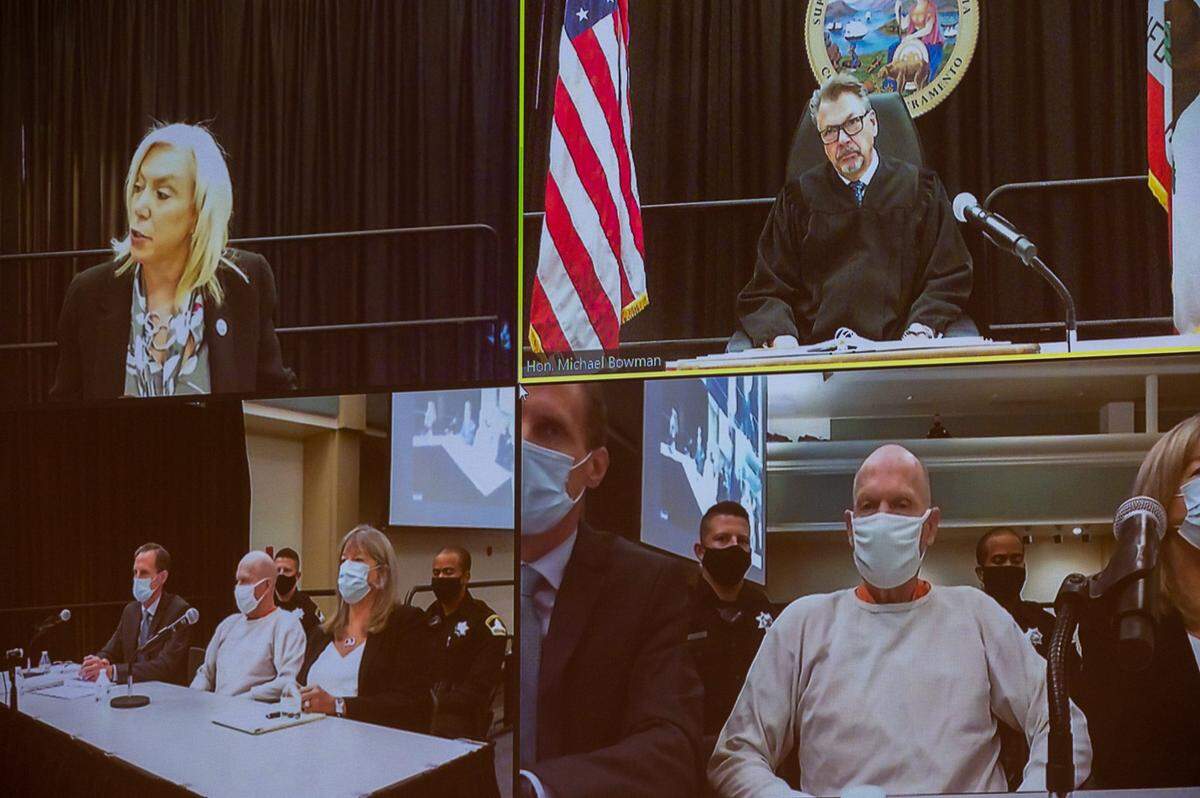
‘She has given it her all’
At a dinner honoring her in early November, a tribute video included a message from outgoing California Chief Justice Tani Cantil-Sakauye, who recalled her coming into her Sacramento Superior Court room in 2001 asking for an arrest warrant to be issued without a suspect name in a rape case based on DNA.
The warrant, the first of its kind in history, was issued as the six-year statute of limitations was approaching and led to the prosecution and conviction of Paul Eugene Robinson on five counts of sexual assault.
“I am saddened that Anne Marie is leaving her post as your D.A., but I also know that she has given it her all,” Cantil-Sakauye said.
Placer County District Attorney Morgan Gire, who worked for Schubert before moving to his current post, lauded her in an interview as “a guiding light.”
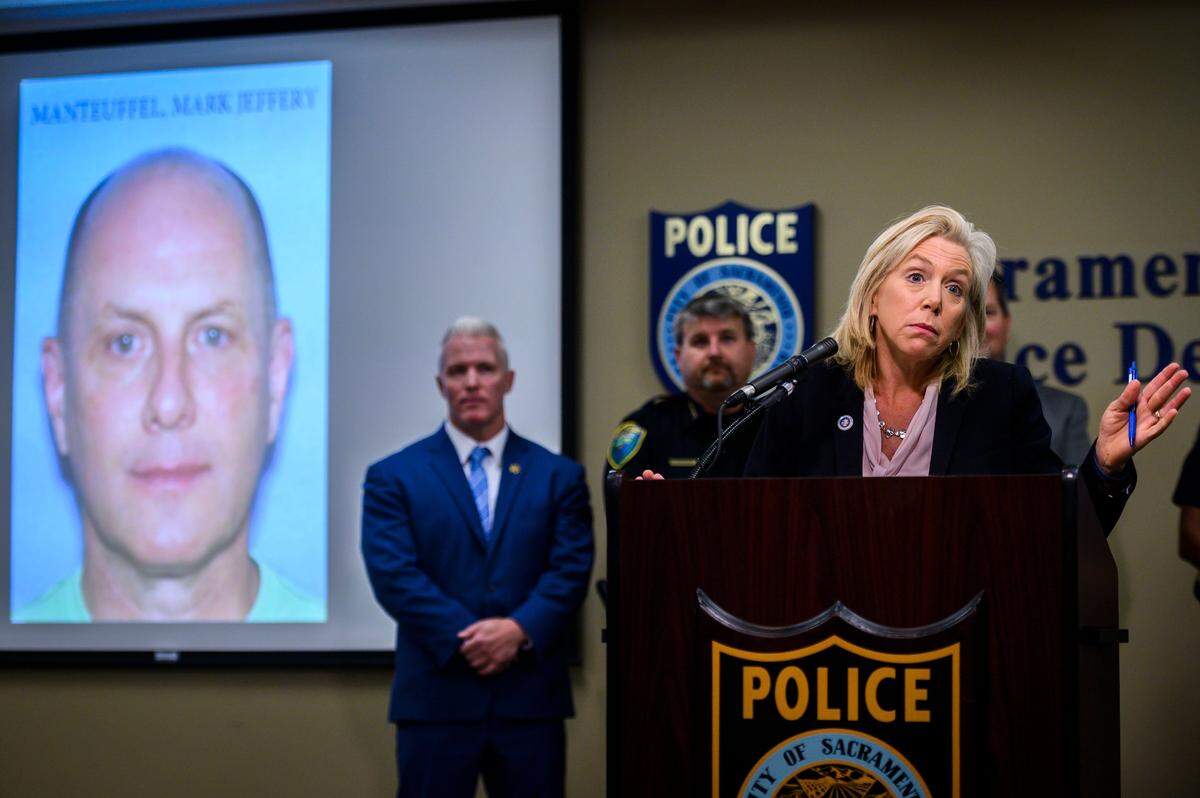
“Working with her and for her was one of the greatest professional pleasure I have had had,” Gire said. “She was incredibly supportive of my efforts as a prosecutor in the Sacramento D.A.’s office, and incredibly supportive of my efforts to become the Placer D.A.
“I don’t think I would be here without her. The justice world is better off because of her.”
Schubert has earned a reputation as a fierce advocate for victims, has sued the state prison system trying to halt what she calls the early release of thousands of dangerous inmates, and has been credited with helping uncover the massive unemployment insurance scam during the COVID-19 pandemic that cost California taxpayers billions of dollars.
That scam involved prison inmates, fraudsters around the world and even EDD employees filing bogus unemployment claims for benefits during the pandemic.
Was she soft on law enforcement?
But her tenure as D.A. has not been without controversy.
Schubert has faced criticism for being too cozy with law enforcement, for never once finding that an officer-involved shooting merited criminal charges against officers, and for accepting thousands of dollars in campaign contributions from police unions.
Schubert came in for intense criticism for accepting $13,000 from two police unions in the days after the March 2018 shooting of Stephon Clark, a 22-year-old unarmed Black man killed by Sacramento police as he was in his grandmother’s backyard.
“Her legacy in Sacramento is not a good legacy,” said Clark’s brother, Stevante. “She wants credit for the Golden State Killer. I understand that.
“But the Golden State Killer was living here in Sacramento under our noses for more than a decade. She would have gotten more credit for prosecuting killer cops who shot an unarmed individual in their grandmother’s backyard. Cops should know the difference between a gun and a cell phone.”
Schubert’s handling of the Stephon Clark case, in which she declared the shooting justified, generated widespread outrage, death threats and protests. The case ultimately was reviewed by California Attorney General Xavier Becerra and U.S. Attorney McGregor Scott, who both came to the conclusion that no charges against the officers were warranted.
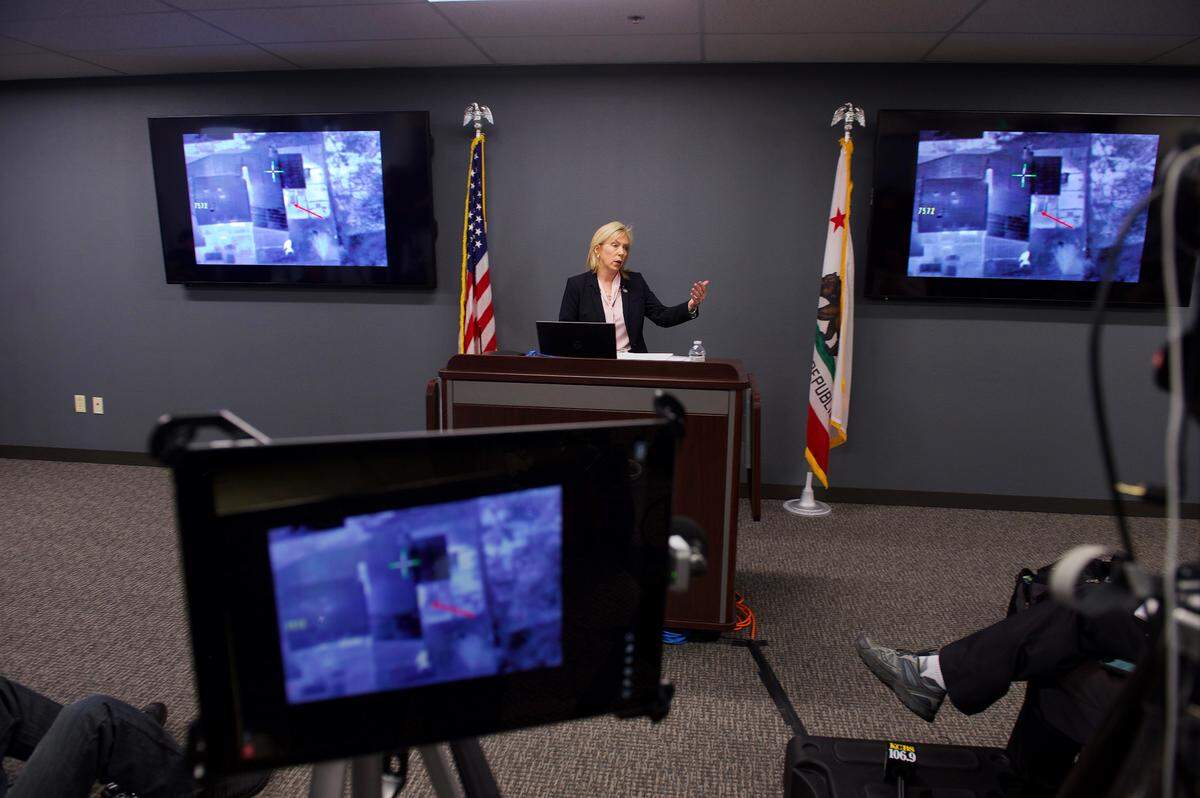
Some of the most intense criticism of Schubert stemmed from her decision, during the announcement, to release text messages between Stephon Clark and his girlfriend from the days before his death.
“That was the public assassination of my brother, the second killing of my brother when she laid out the text messages instead of talking about what the officers did when they muted their body cameras,” Stevante Clark said. “She never talked about those police officers. It was just a miscarriage of justice. She assassinated my brother a second time.”
Community activist Berry Accius has a similar view, noting that Schubert’s office has never found a police shooting to be unjustified, including the 2016 shooting by Sacramento police of Joseph Mann, a knife-wielding Black man whose death led to the firing of one officer and the disability retirement of another.
“I think her legacy will be mired with controversy,” Accius said. “But I also think it’s a reflection of the system throughout the country and how it looks at Black people and people of color when it comes to justice.
“The injustice that she served in this community are reflective of the Joseph Mann shooting, the Stephon Clark shooting, the lack thereof of doing anything in holding law enforcement accountable at any kind of level.
“I truly believe she identified with all things that are wrong with the system of law enforcement by not being with the people, but being pro-law enforcement, that it didn’t matter what they did, she would always turn a blind eye.”
Office was focal point during protests
Schubert, whose office became the site of such regular racial protests that she eventually had a cyclone fence erected around the building and parking lot at Ninth and G streets, pushes back at such criticisms, noting she has filed charges against officers in recent years.
“We have charged police officers,” Schubert said. “I’ve said this countless times.
“The Golden State Killer was a cop, OK?”
Her office also charged Elk Grove Police Officer Bryan Wayne Schmidt, who was fired and convicted of battery and assault after video evidence showed him kicking a suspect and bragging about it.
And in March Schubert charged Sacramento Police Officer Alexa Palubicki with felony counts of filing a false police report.
Schubert says has no second thoughts about decisions not to charge officers in shooting cases that have been investigated by her office.
“I stand by every one of those decisions,” she said. “That’s the best way to answer it.
“Nothing’s going to take away the tragedy of someone getting shot and killed. That’s never going to leave. But we’re bound by the law and facts, and I’ve always said that I’m never going to waver.
“They can scream at me as much as they want to scream at me.... Justice isn’t gentle.”
And she recalls the daily protests around her building and the taunts directed at her and her staff.
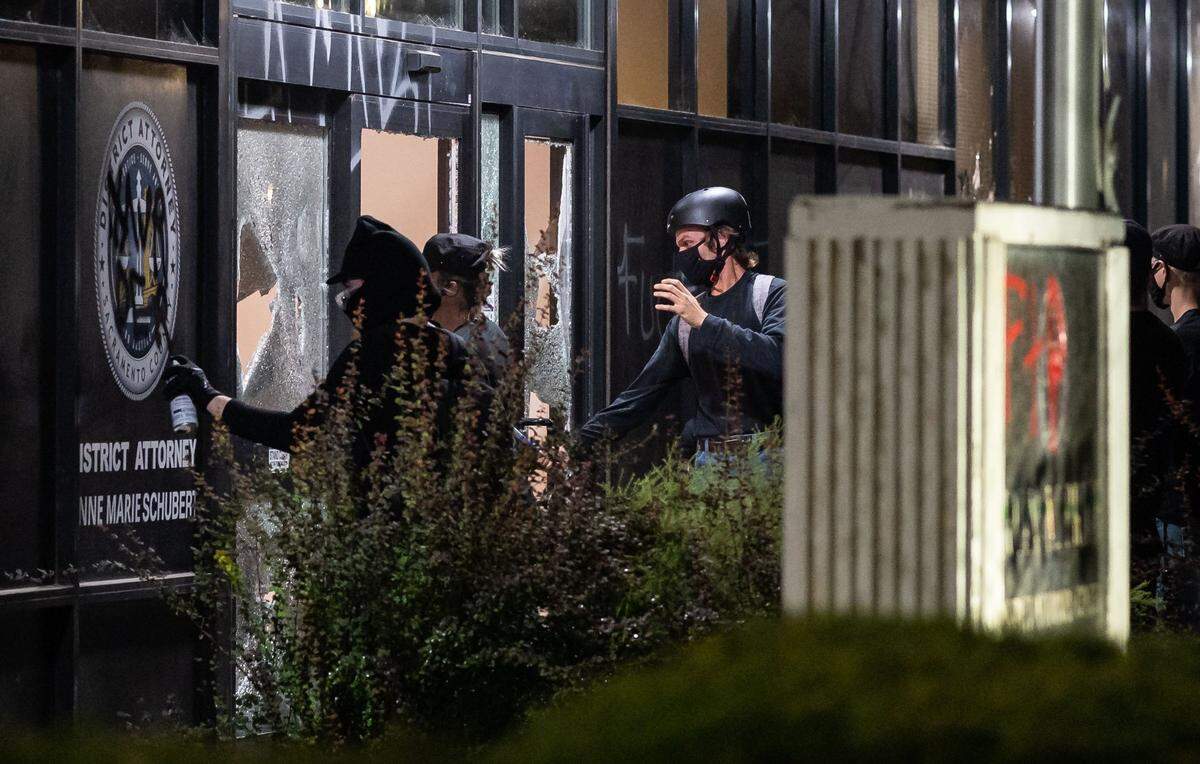
“Our world of criminal justice is dealing with human tragedy,” Schubert said. “That’s fact. Do I like what happened around our building? No.
“I think the lowest point of all of that was when they put a pinata of my head outside this building and had a child beat it. I’m not sure how much sadder that could get, quite frankly.”
What’s next for Schubert?
Whether Schubert will remain in private life after leaving office is an open question.
“Do I have a future in politics? I’m not really thinking about that right now,” she said. ‘I’m going to think about trying to help continuing this revolution of making genealogy the norm in this world.”
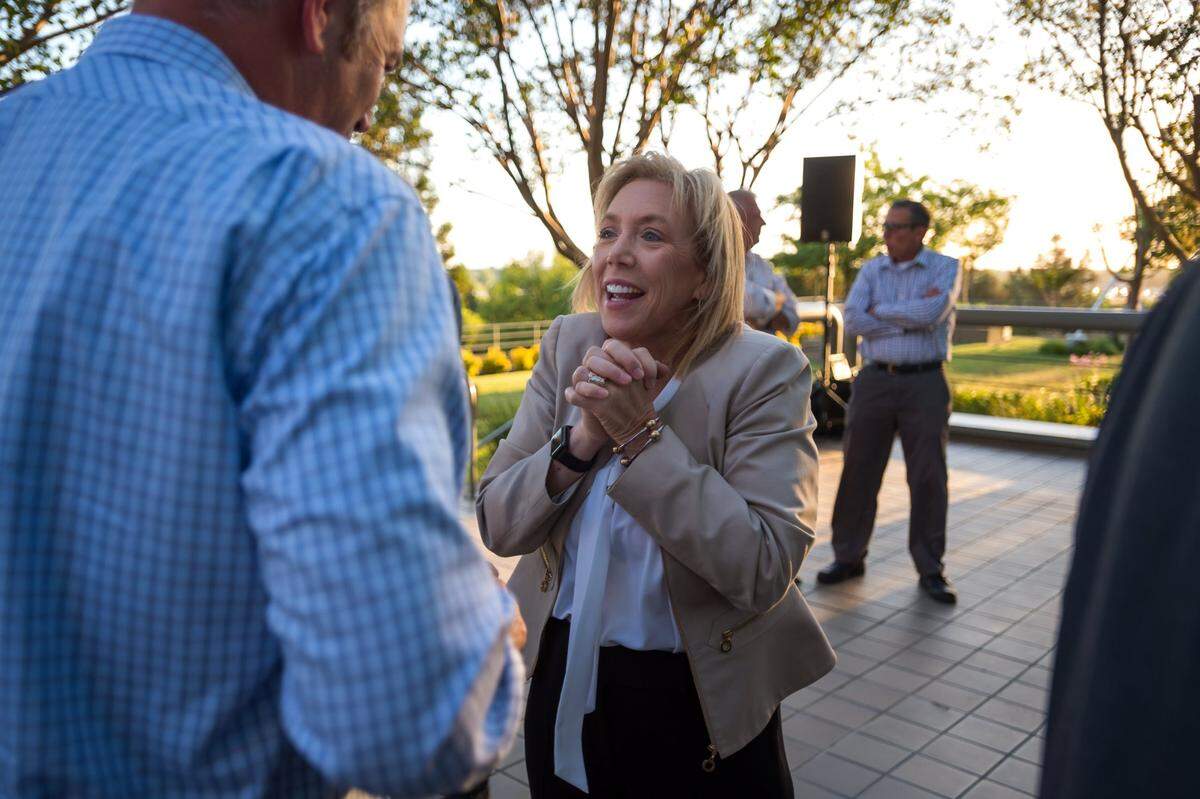
Once a Republican who changed her registration to “no party preference” after winning her second term in 2018, she laughs when she is asked to define her political identity.
“I mean, look, I’m openly gay,” Schubert said. “I support a woman’s right to choose. It’s like, I don’t know what I am. I’m a human being. I’m a human being that believes in public safety, that people deserve to feel safe in their communities.
“I am also a huge advocate for women’s rights. And, I’m proud of that.”
This story was originally published December 4, 2022 at 6:00 AM.