
Hemp grower accuses Sutter County of changing maps to benefit private ranch
AI-generated summary reviewed by our newsroom.
- Hemp grower alleges Sutter County expanded buffer zones to aid private ranch.
- Lawsuit claims altered maps cost farm $300K and disrupted $20M hemp contract.
- County says map was illustrative; legal dispute hinges on transparency, motive.
For months Sutter County supervisors swung back and forth — as reflected by their changing votes — on the county’s industrial hemp regulations before continuing the farm program with expanded maps that blocked out large swaths of land where hemp farming would be prohibited.
But between the map’s approval and growers planting their crop, the areas allowing and banning hemp have changed.
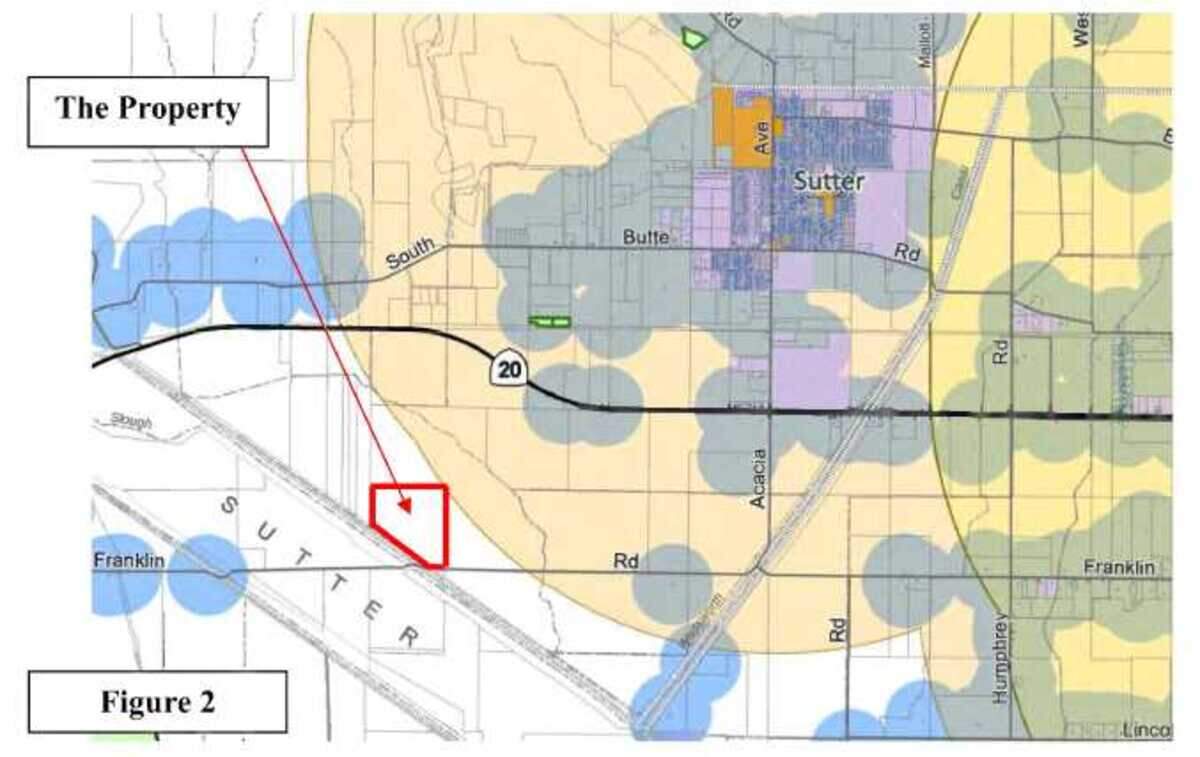
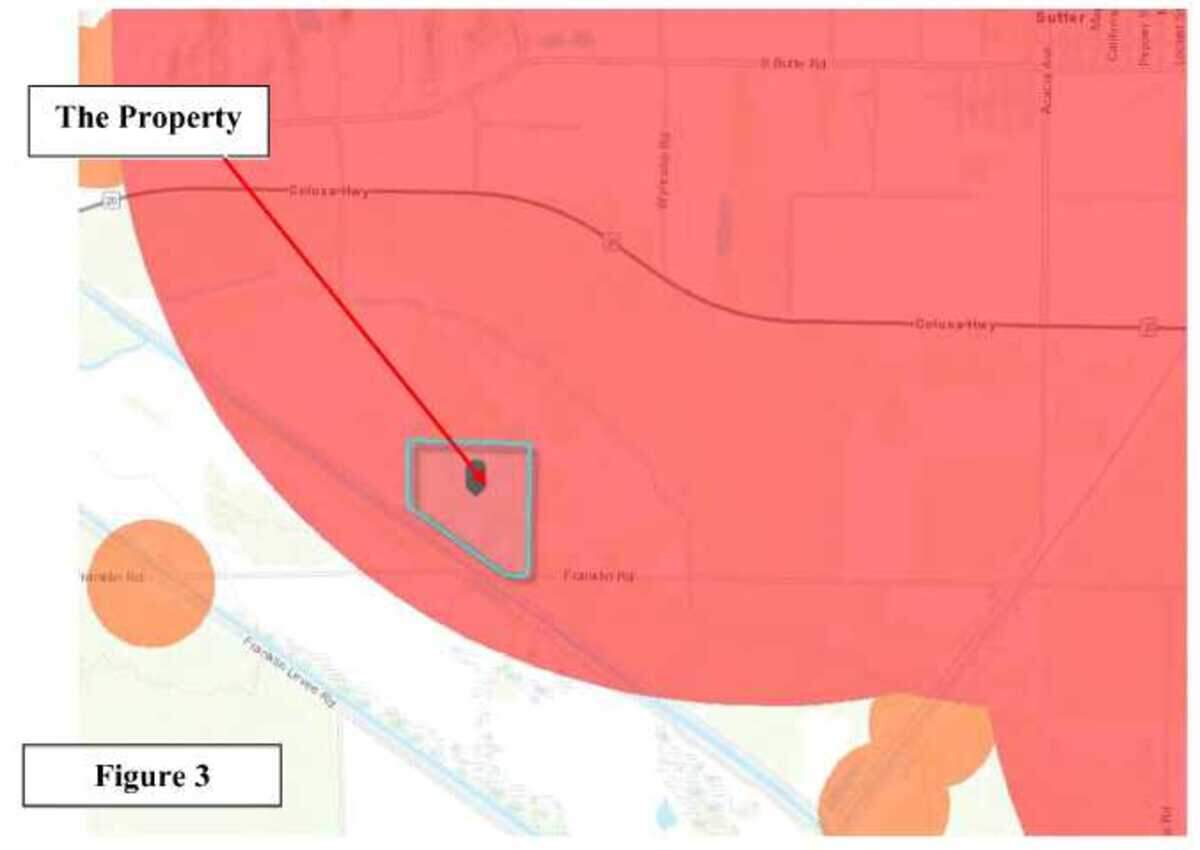
That’s what one farm company has alleged in a lawsuit against Sutter County and its agricultural commissioner, accusing the agencies of stretching the “buffer zones” to benefit a private business and block the farm company from growing on land leased from a county supervisor.
A farm company operating under the name Iu-Mien Consulting & Investment, sued the county in July, accusing county officials, including Agricultural Commissioner Lisa Herbert, of changing the maps without notifying the public.
That change put the land in question from just outside to just inside the perimeter of a restricted zone, a change that, according to the lawsuit, has already cost the company $300,000 and interfered with a $20 million contract for its hemp.
The lawsuit also claims county officials did so to benefit the owner of Butte Star Ranch, which operates as a private wedding venue and offers horse-riding lessons, but does not explicitly fall within the county’s definition of a sensitive receptor, according to the lawsuit.
The county’s hemp program has faced a wave of controversy over the past year, starting with a stream of complaints from residents bearing the brunt of the rank harvest smell, and causing supervisors to ban farming of the crop for a year while deciding its long-term fate.
However, after working closely with hemp growers and residents on a compromise, supervisors changed course, voting to allow hemp farming this year with 2.5-mile “buffer zones” around sensitive receptors — such as schools, health care facilities and churches — and charging increased fees for hemp license holders.
Two growers received industrial hemp cultivation licenses from the county this year, compared to at least six licenses issued last year, according to a review of county records.
Luke Wilson, who advocated for hemp farming and worked with county officials on compromises to reallow the crop in time for this year’s grow season, was arrested in July on felony marijuana charges accusing him of processing thousands of pounds of marijuana in the county valued at over $60 million.
U.S. Phoenix Management Inc., which the county issued a license in June and flagged for violations less than two weeks later, was ordered in July to destroy its crop, according to county records. The company appealed that order and its penalty is on hold.
Becky Mendonza, deputy agricultural commissioner, said that two other hemp applications were started this year but were ultimately not completed and submitted.
What happened?
The people behind the company suing the county had cultivated hemp in Sutter County last year under the name Binh Farm Corporation, according to the lawsuit.
That entity had licenses to farm on two sites off of Pass Road, near the suspected source of the smell consuming the small town of Sutter. But the expanded buffer zones disqualified those sites from hemp farming.
After supervisors voted to allow hemp farming this year under stricter conditions, the company leased a larger plot — 120 acres — owned by Supervisor Karm Bains, along the Sutter Bypass outside of the restricted areas designated by the map supervisors approved, according to the lawsuit.
“The supervisor, Karm Bains, was himself completely unaware of the change to the Buffer Map discussed herein,” the lawsuit reads. “In fact, Bains suggested to Petitioner that one of the explicit benefits of the Property was its location immediately outside of the nearest buffer zone.”
Bains said that he was unaware of the property’s location relative to the buffer zone prior to several hemp farmers contacting him to lease that property. He declined further comment, citing the ongoing litigation.
In addition to the $72,000 land lease, the company signed a $650,000 labor contract, and made other preparations in short order to farm hemp this summer, such as buying equipment and seed stock.
On April 30 — a day after supervisors changed course and allowed for hemp farming — the company entered a wholesale agreement with a hemp buyer, for a minimum of 200,000 pounds at $100 per pound, guaranteeing $20 million in revenue, according to the lawsuit.
The farm’s application was submitted May 22, according to the lawsuit, and a confirmation notice from the county was received that day. But a map sent in response to the application differed from what county officials had approved, and set a new restricted zone centered around Butte Star Ranch, which engulfed the land the company planned to farm.
Herbert said that the county could add sensitive receptors as needed and that the map could change, as it was not approved as a definitive marker of sensitive receptors and buffer zones.
“The map from my understanding, from a legal standpoint, was never adopted in the ordinance, it is for illustrative purposes only,” Herbert said.
The county rejected separate appeals to the denied hemp location and the changed map, according to the lawsuit.