
Nonprofit helping homeless people folded. What’s next for West Sacramento, Davis?
AI-generated summary reviewed by our newsroom.
- Downtown Streets Team closure ends key nonprofit homeless services Oct. 31.
- West Sacramento considers city staff expansion to replace lost case management.
- City prepares $924K plan to maintain housing support amid provider shortage.
From Northern to Central California, the nonprofit Downtown Streets Team filled an essential role to help homeless residents. Employees, often living on the streets themselves, cleaned up millions of pounds of trash while securing stable housing for thousands.
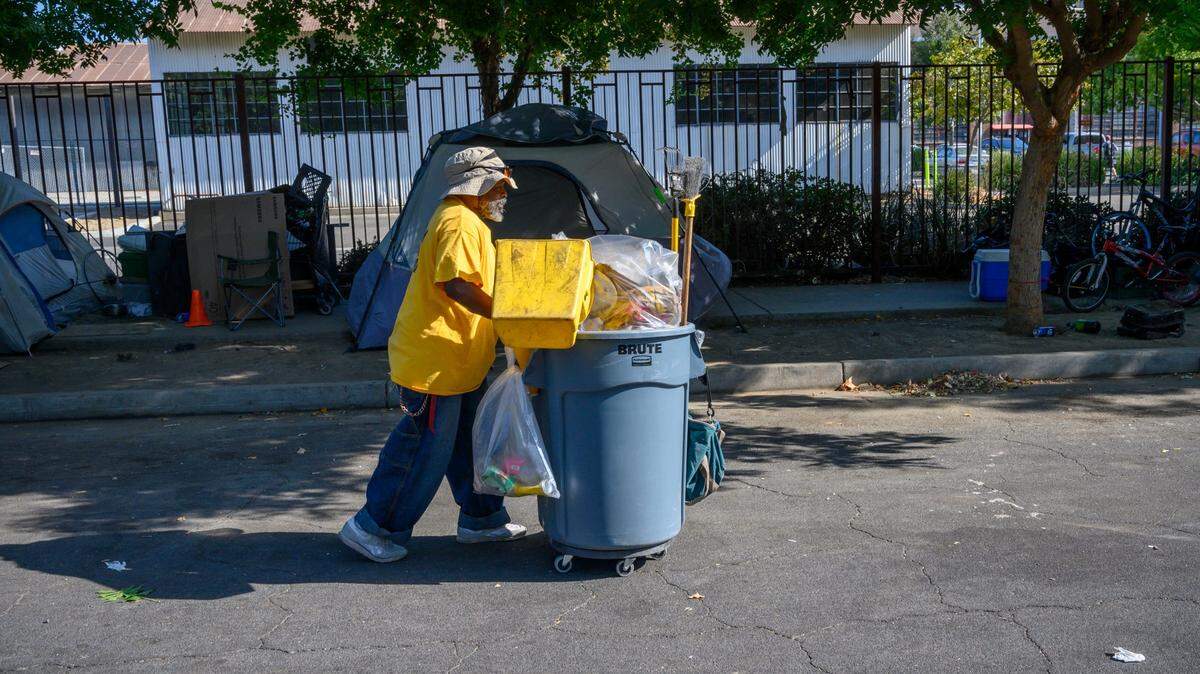
In West Sacramento, hundreds of homeless people, for about three years, received services when the city contracted with the organization, which helped staff two sites providing shelter. Nonprofit employees also picked up trash littering streets and other public amenities.
Now, the cities of West Sacramento, Davis and others across California are thrust into uncertainty after the Downtown Streets Team announced its closure. The governing bodies in both West Sacramento and Davis are scheduled to discuss how to ensure homelessness services this week ahead of the organization’s Oct. 31 closure.
“I was really concerned, as are the staff,” said West Sacramento Mayor Martha Guerrero in an interview.
The Downtown Streets Team, which serves 16 cities such as Sacramento and Modesto, did not immediately respond to a request for comment, but CEO Julie Gardner told The Modesto Bee that political and fiscal challenges weighed on its bottom line. Its employees include homeless people or individuals at the risk of experiencing homelessness, who help to clean streets and provide case management, according to organization officials.
“The funding landscape for nonprofits and community-based organizations at large has shifted in an extreme way, and we are feeling the impacts of that,” Gardner said to The Modesto Bee.
West Sacramento voters approved Measure E in 2016, which added a quarter-cent sales tax to fund several initiatives, including homelessness. Through these dollars, the Downtown Streets Team received about $852,000 annually to provide case management services at the 40-unit Rodeway Inn and 19-unit Flamingo Motel, according to a staff report.
About 380 people have been served at the motels, which includes 76 people placed in permanent housing. The city also provides water, lunches, hygiene kits and clothes at the Rodeway Inn location, according to a letter from Guerrero.
“This unforeseen development creates an immediate need for the city to implement an alternate staffing model to ensure continuity of services for clients in the program and to maintain the city’s encampment response capacity,” according to a city staff report.
Difficulty in finding other qualified homelessness providers prompted staff to suggest moving some services in-house, the report said. The case management services provide “individualized, long-term support” which helps people obtain permanent housing while addressing root causes of homelessness.
“While emergency housing provides a critical immediate solution, case management provides the pathway to long-term stability and self-sufficiency,” the report said.
West Sacramento city staff recommended creating seven positions to assume any case management services and three positions to pick up trash. It will cost $924,300 to create positions for case management services, the report said, an uptick from the cost of the city’s contract with the nonprofit for those specific services.
In Davis, the Downtown Streets Team runs the city’s Respite Center, 530 L St., providing laundry, showers, food and a place to temporarily stay, according to a staff report. The City Council will contemplate contracting with another organization or carve out positions within the city to staff the center.
For Guerrero, she seeks to build more affordable housing, but cited high construction costs to complete projects as every city’s big challenge. West Sacramento is trying to do everything it can to compete for grants, she said.
“If we cannot move people after we stabilize them, after they are housed in our transitional housing program,” she said, “it’s really hard to get more people off the streets.”
The Davis City Council will meet 6:30 p.m. Tuesday at 23 Russell Blvd. The West Sacramento City Council meets 7 p.m. Wednesday at 1110 W. Capitol Ave.