
Waymo self-driving taxis are coming to Sacramento. Here’s when
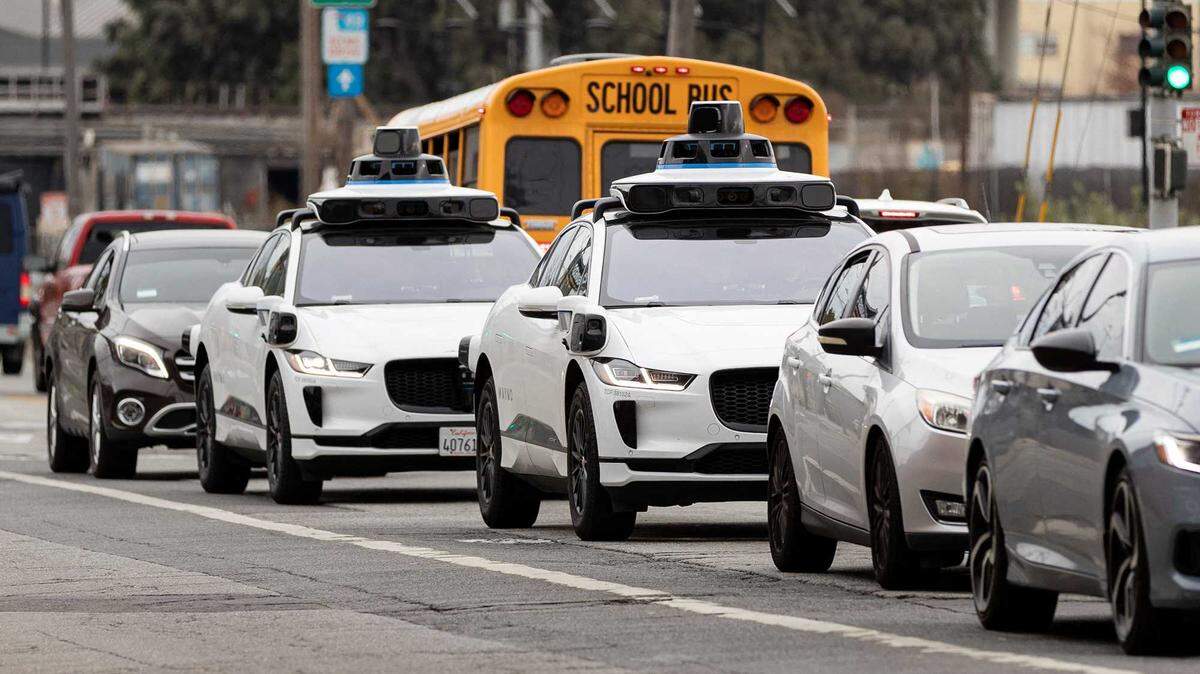
Waymo’s self-driving taxis will soon be cruising through the City of Trees. The autonomous taxi firm announced the news Thursday, with plans to pick up Sacramento fares in the coming months.
“Sacramento’s spirit of innovation makes it the perfect next step for our expansion,” Waymo officials said in a statement Thursday. “We are eager to bring the future of mobility to this vibrant community, connecting its historic landmarks with its modern neighborhoods.”
Waymo crews will first climb behind the wheel of the self-powered cars — its all-electric fleet of Jaguar I-PACE vehicles — this week, familiarizing the cars with the capital grid and outlying neighborhoods before beginning its Sacramento service.
The autonomous car service drives in six markets including San Francisco Bay Area and Los Angeles County, Atlanta, Austin, Texas, Miami and Phoenix. Sacramento is included in its plans to expand to a dozen more U.S cities including Boston, Nashville and Las Vegas, the company said.
Thursday news comes months after the state’s Department of Motor Vehicles granted approval in November for the driverless taxis to operate in the capital region, expanding Waymo’s testing territory beyond San Francisco and Los Angeles.
A UC Davis expert said at the time that Sacramento is an ideal proving ground for the autonomous vehicle technology because of its varied environments.
“There are dense urban streets downtown, sprawling suburban neighborhoods and even semi-rural roads on the outskirts,” said Junshan Zhang, a professor at UC Davis’ department of electrical and computer engineering, who co-founded the university’s Davis AI, Robotics and Edge Research Group. “This mix gives autonomous driving systems a chance to learn in varied conditions.”
But recent incidents involving the driverless cars have stirred controversy.
Waymo in December recalled software after its cars were ticketed with numerous citations in Austin, Texas, for illegally passing school buses among other near-misses. That same month, San Francisco’s crippling blackout that knocked out power to wide swaths of the city stranded the robotaxis in their tracks, raising worries about how the electric-powered cars would fare during emergencies.
Last week in Santa Monica, a Waymo vehicle struck a 10-year-old child near an elementary school. The girl was not hurt, according to news reports, but the National Transportation Safety Board is investigating the incident and the Teamsters Union of California has asked the state to indefinitely suspend Waymo’s operating license.
Waymo and Tesla executives went before a Senate panel Wednesday to defend its safety records, push for national safety standards to govern the vehicles and promote the autonomous vehicle market.
Waymo officials say its expansion into the Sacramento market dovetails with the city’s “Vision Zero” pledge to eliminate traffic fatalities and severe injuries by 2027. Sacramento City Council made the pledge in 2017, but more than 300 people have died on city streets in the years since.
Last March, the City Council acknowledged the ongoing public safety crisis and approved $4.6 million to fund smaller scale, quick-build projects to improve safety on Sacramento’s streets.
Sacramento Mayor Kevin McCarty in a statement accompanying the Waymo announcement said the driverless cars will provide more transportation options for a growing city while focusing on traffic safety.
“As Sacramento grows, so does our need for safe, reliable transportation,” McCarty said. “We’re excited to work with Waymo to expand mobility options that are designed with safety at their core. By offering new ways to move around the Capital City, we’re providing our residents with more choice while staying focused on our goal of making every street safer for everyone.”
.JPG)