
Yuba County farmers may lean on groundwater after New Colgate powerhouse rupture
AI-generated summary reviewed by our newsroom.
- Yuba Water changes conveyance plans after Colgate penstock rupture.
- Growers may voluntarily pump groundwater briefly to preserve fish flows.
- Agency maintains emergency order while cleanup and damage assessments continue.
Yuba County growers may have to tap into groundwater supplies to irrigate their orchards and fields this summer because of the pipeline rupture at New Colgate Powerhouse.
The Yuba Water Agency, which operates New Bullards Bar Dam and controls the release of water from its reservoir, has adjusted its water conveyance plans for the spring and summer due to the incident and the mercurial, moderate rainy season.
“We will have the water available for our irrigators,” said Willie Whittlesey, Yuba Water general manager, at an agency meeting Tuesday. “There will be some irrigation pumping required, not because of hydrology, but because of the conveyance impacts we’ve had related to the Colgate penstock incident.”
The blown-out penstock, a 1-mile pipeline connected to a 4-mile mountainous tunnel that carries water from the reservoir downstream to the power station, burst in mid-February, putting the plant out of operation for, potentially, years. Meanwhile, an up-and-down winter with inconsistent to moderate precipitation is entering spring with near record-high temperatures, which have caused snowpack to melt early.
“We’ve had a turbulent hydrologic year, and what that equates to is likely a below-average hydrologic season,” Whittlesey said.
Water agency officials said the reservoir continues collecting and storing the snowmelt, and with permission from the U.S. Army Corps of Engineers, has encroached into the portion of allotted reservoir space the agency has an agreement to keep reserved for, and at the discretion of, the federal agency.
Dam operators have primarily fed the North Yuba River with water pushed through the hydroelectric power station, which would generate power — and significant revenue for the water agency — while maintaining flows suitable to the river’s fish.
Use spillway to regulate
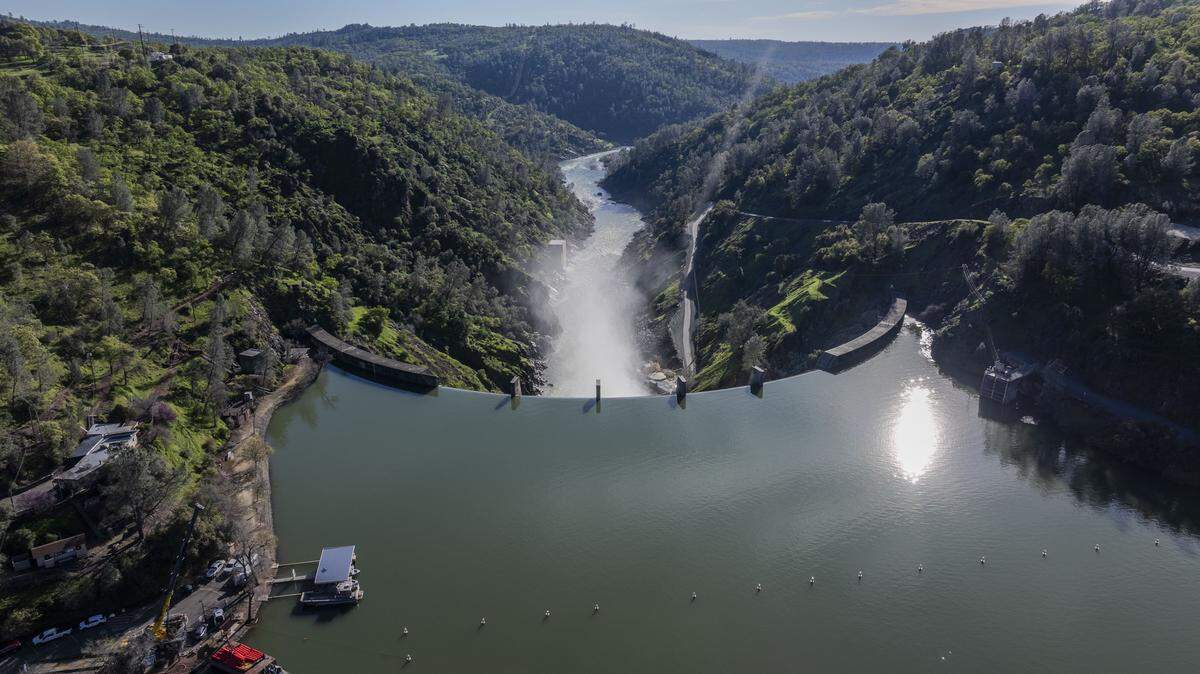
Without that outlet, potentially for years, dam operators will use its spillway, higher on the wall of the dam, to regulate the river. Once the reservoir dips below the spillway, a lower-level outlet that is limited in how quickly it can release water through the dam will feed the river.
“There’s no issue as long as the water remains above the spillway gates,” DeDe Cordell, a Yuba Water spokesperson, said in an email. “But, even after that, with just the flows from the low-level outlet, we are confident that we can meet both the farmers’ needs and environmental flows for the fish.”
Growers who irrigate with surface water diverted from the Yuba River may need to instead rely on groundwater during the summer, depending on how much water the reservoir collects through the spring, and how hot and dry the summer becomes.
Water agency officials said at the meeting that Yuba County groundwater aquifers have recharged in recent years and remain at strong levels.
“There is a peak demand time during the summer where it might get tricky, and during that time, our ag partners have already agreed to voluntarily pump water instead of receiving their surface water supplies, in order to ensure flows for the fish,” Cordell said. “That would be for a short time and a small amount of water.”
Cleaning up the powerhouse
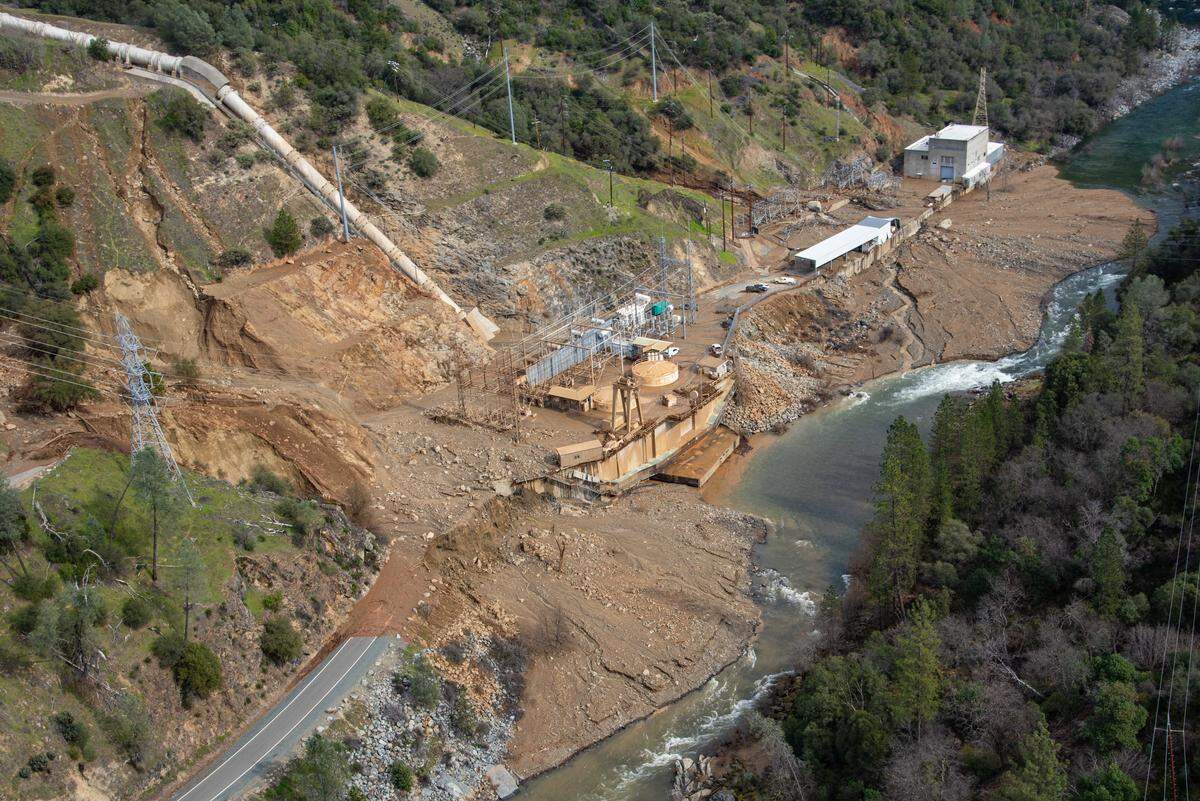
More than a month after the pipeline feeding into the powerhouse ruptured while under repair, and being prepared for testing, the clean-up of the power station and assessment of the total damage continues.
Yuba Water Agency directors voted Tuesday to continue the emergency order it enacted in response to the power station incident.
Agency officials said that cleaning up the power station involves removing an estimated 71,000 cubic yards of sediment, primarily deposited in three large piles: atop the power station and to each side of the facility, in the water connected to the riverbank.
Officials have sought emergency permits, pending soil sampling, to begin removing the sediment from the river.
The clean-up at Englebright Lake ended last week, with the dissolution of the joint command between the water agency and the California Department of Fish and Wildlife.
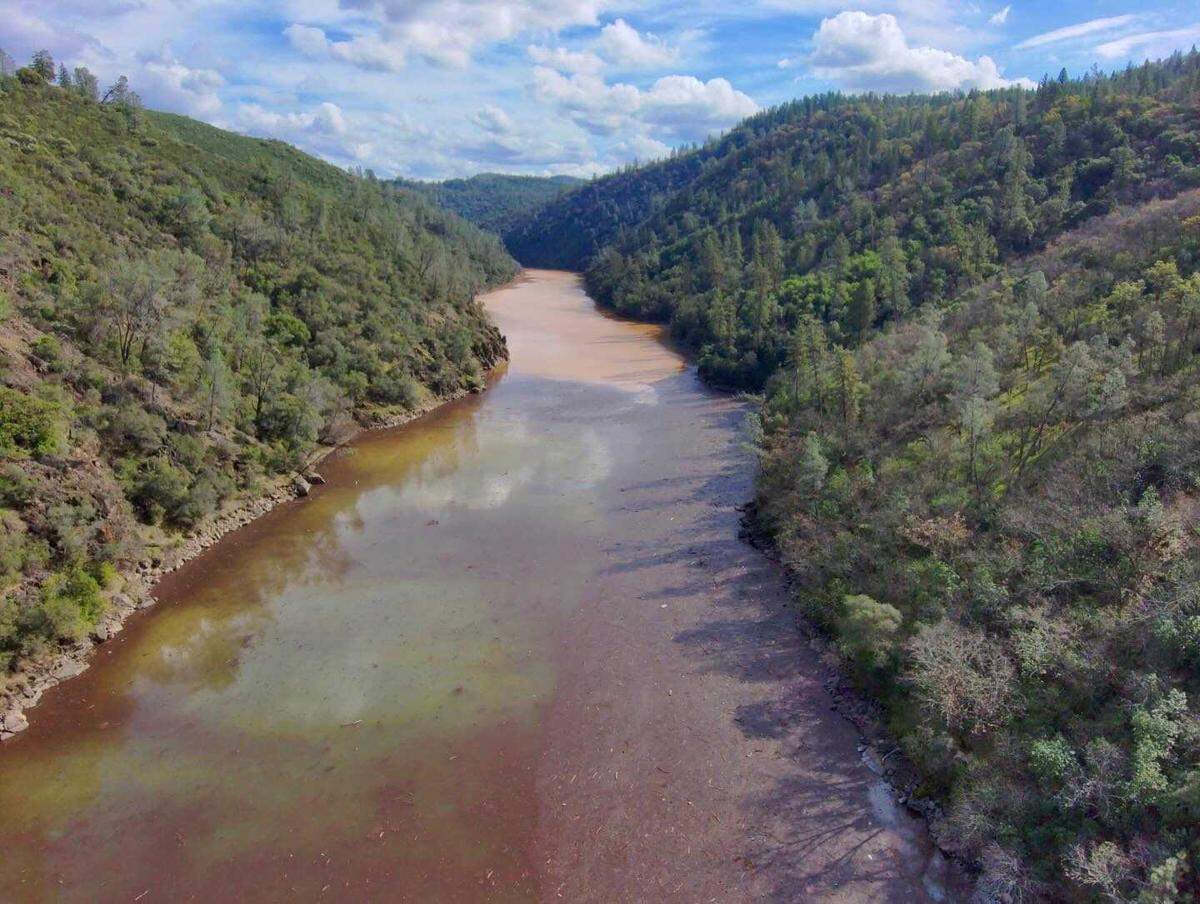
Eighty bins of oily debris were removed, totaling about 1,600 cubic yards, during the operation that lasted the better part of three weeks. Englebright Lake has since reopened to the public.
“To date we haven’t found any petrochemicals or any other contaminants that are above levels that would be concerning,” Whittlesey said.